Excavations at the Bronze Age seaport on Pseira Island uncovered the remains of sophisticated water retention systems that included the addition of retaining walls to prevent erosion, massive dams with associated reservoirs, and small check-dams to ravines that reached over one hundred meters in length in order to control water runoff and make it available for human use.
This volume is the first of two that represent the final publication of Sector I of the Prepalatial to Postpalatial Minoan urban settlement and palace of Petras, Siteia, located in eastern Crete, and it presents the results of the excavations conducted there from 1985 to 2000.
This volume presents the final report on the excavation of two Prepalatial tholos tombs and their associated remains at Chatzinas Liophyto near the Moni Odigitria (monastery) in south-central Crete.
The Anglo-Saxon Minor Poems (1942) contains the many verse texts, most of them short, which are scattered here and there in manuscripts not primarily devoted to Anglo-Saxon poetry.
The Origins of England (1986) gives a comprehensive overview of the crucial period of migration and settlement that can be seen as the beginning of English history.
The meanings of ritualized head treatments among ancient Mesoamerican and Andean peoples is the subject of this book, the first overarching coverage of an important subject.
An Early Bronze Age cemetery with 37 tombs shows strong relations with the Cyclades during the time of the Kampos Cultural Group, as exemplified by distinctive pottery, obsidian, and metal items.
Focused on the connections between archaeology and Israeli society, this book examines the development of Israeli archaeological research, taking historical, sociological, and political contexts into account.
The Anglo-Saxon Minor Poems (1942) contains the many verse texts, most of them short, which are scattered here and there in manuscripts not primarily devoted to Anglo-Saxon poetry.
Excavation of an important site for the early history of dyeing in Minoan Crete revealed a Middle Bronze Age natural dye workshop with several basins carved into bedrock, pottery and stone vessels, stone tools, and animal and plant remains.
'Tin in Antiquity' is the first comprehensive history of the early metallurgy of tin, a mine of information on this rare, highly prized metal so vital to the developing civilization of the Bronze Age.
This book reflects the endeavours and achievements of experts at Zhejiang Provincial Institute of Cultural Relics and Archaeology over the past 30 years, rooted in the archaeological exploration and excavation of Liangzhu.
This book uses archaeology and ethnohistory to explore the evidence for the survival of ancestral beliefs and practices related to health and healing in Indigenous Andean communities.
First published in 1988, The Dartmoor Reaves is a classic story of archaeological fieldwork and discovery, and a winner of the Archaeological Book Award.
This is the first book in a generation on medieval agriculture in Wales, presenting evidence which is of considerable relevance to those studying the development of the early medieval landscapes of England and Ireland.
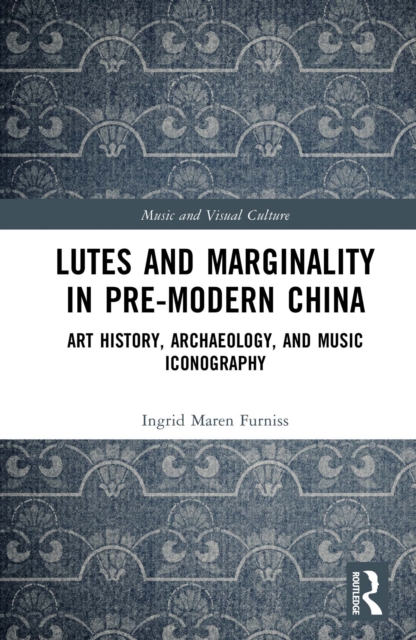
Lutes and Marginality in Pre-Modern China traces the complex history of lutes as they moved from the far west into China, and how these instruments became linked to various forms of social, cultural, ethnic, and religious marginality within and at China's borders.
The Swahili World presents the fascinating story of a major world civilization, exploring the archaeology, history, linguistics, and anthropology of the Indian Ocean coast of Africa.
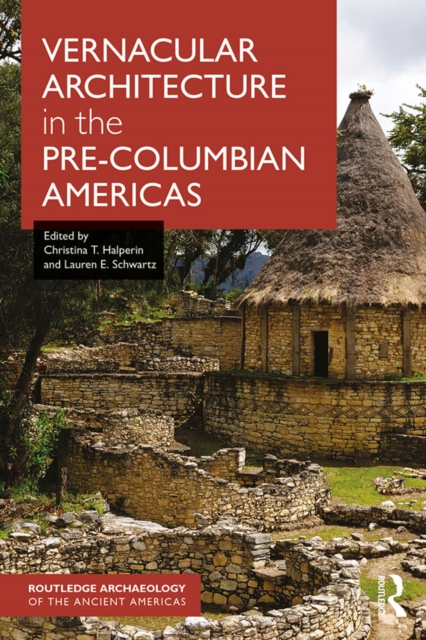
Vernacular Architecture in the Pre-Columbian Americas reveals the dynamism of the ancient past, where social relations and long-term history were created posthole by posthole, brick by brick.
Mediterranean Connections focuses on the origin and development of maritime transport containers from the Early Bronze through early Iron Age periods (ca.
In recent decades anthropology, especially ethnography, has supplied the prevailing models of how human beings have constructed, and been constructed by, their social arrangements.
The date of the Cerne Giant has long been a matter for debate, as exemplified by a public and televised debate of March 1996, published as The Cerne Giant: An Antiquity on Trial (1999, Oxbow Books).
Tikal Report 22 presents the results of excavations carried out in residential group 7F-1 at Tikal in Guatemala during the 1957, 1963, and 1965 seasons.
The Romans developed sophisticated methods for managing hygiene, including aqueducts for moving water from one place to another, sewers for removing used water from baths and runoff from walkways and roads, and public and private latrines.
Inhalt:- Hartwig Altenmuller: Neues zu den Schutzsymbolen der magischen Ziegel von Totenbuch Spruch 151- Marianne Eaton-Krauss: The Mamur Zapt Mystery Series with a postscript on Gaston Maspero's acquaintance with Ibrahim Nasif al-Wardani, the assassin of Boutros Ghali- Mohamed El Seaidy: The Anthropoid Coffin of Wennefer.
The book draws on the evidence of landscape archaeology, palaeoenvironmental studies, ethnohistory and animal tracking to address the neglected topic of how we identify and interpret past patterns of movement in the landscape.