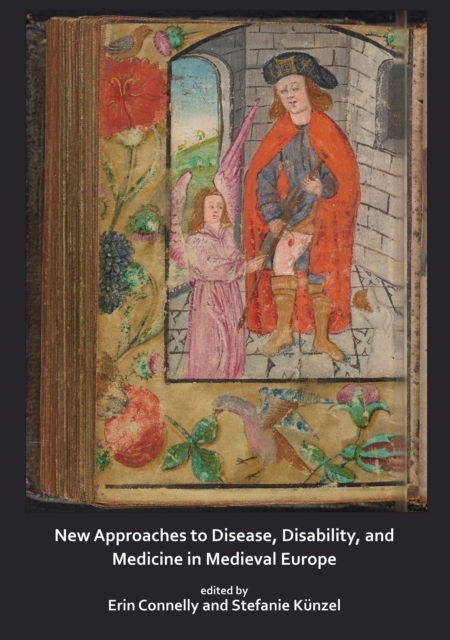
The majority of papers in this volume were originally presented at the eighth annual 'Disease, Disability, and Medicine in Medieval Europe' conference.
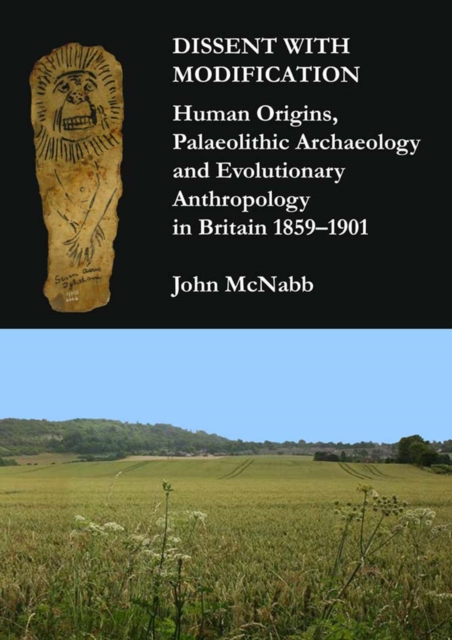
The author's original aim in writing this book was to chronicle the story of a very specific debate in human evolutionary studies that took place between the late 1880s and the 1930s - the 'eolith' debate that had to do with small, natural stones whose shape and edges suggested to our earliest ancestors their use as tools, either as they were, or with a small amount of chipping to the stone's edge, a process called 'retouch'.
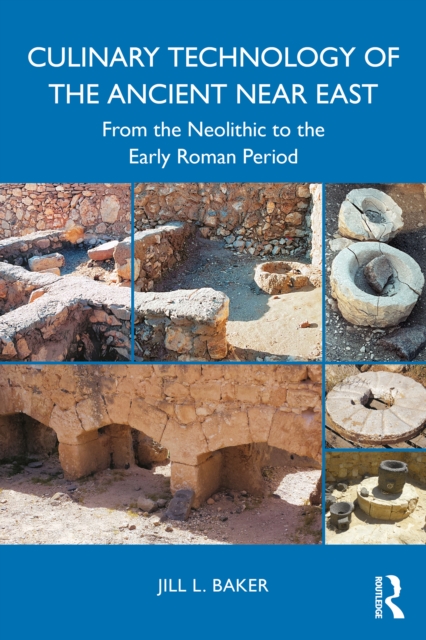
Culinary Technology of the Ancient Near East discusses the technical aspects of meal preparation, cooking, and baking in the ancient Near East, exploring a wide range of topics including kitchens, cooking equipment, cooking and baking vessels, and serving and eating utensils.
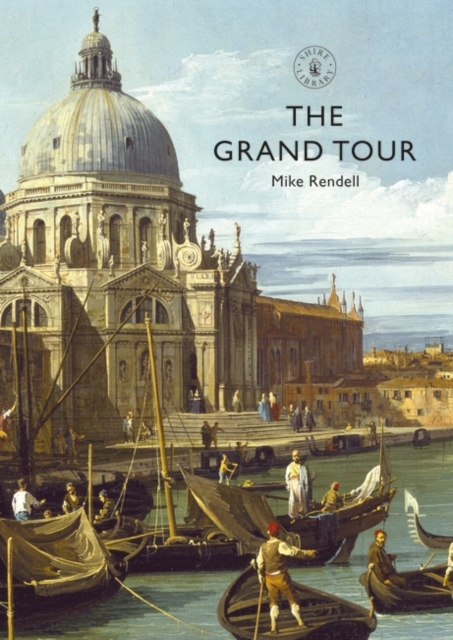
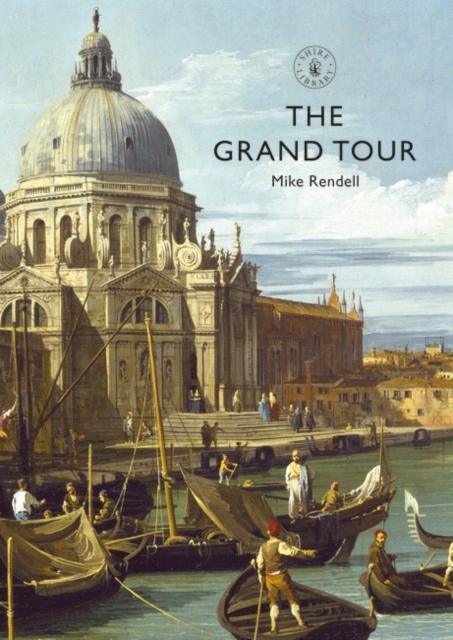
An introduction to the raucous yet educational 'gap year' tours of Europe taken by wealthy British aristocrats in the eighteenth and early nineteenth centuries.
An introduction to the raucous yet educational 'gap year' tours of Europe taken by wealthy British aristocrats in the eighteenth and early nineteenth centuries.
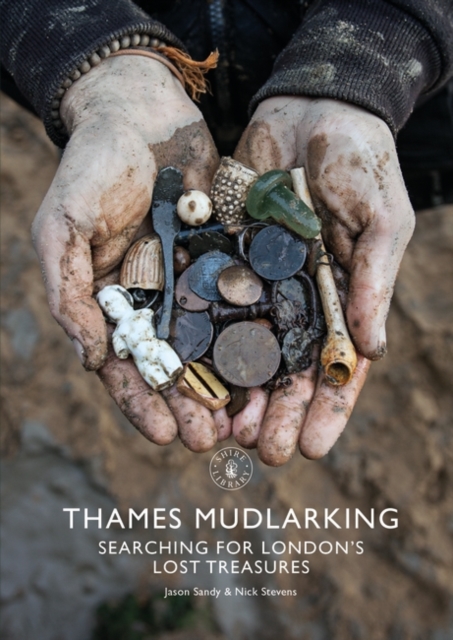
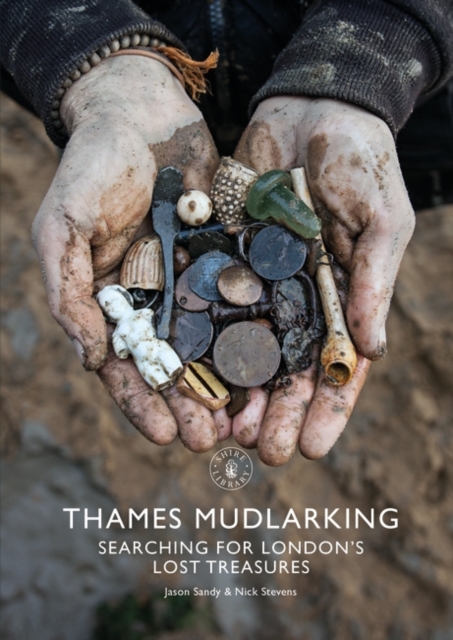
A beautifully illustrated introduction to mudlarking which tells the incredible, forgotten history of London through objects found on the foreshore of the River Thames.
A beautifully illustrated introduction to mudlarking which tells the incredible, forgotten history of London through objects found on the foreshore of the River Thames.
This book explores the origins of complex political organisation in Inner Asia, which enabled mighty empires, proto-state entities and confederacies such as the Cimmerians, Scythians and the Xiongnu Huns to emerge and dominate large swathes of the Eurasian continent during antiquity.
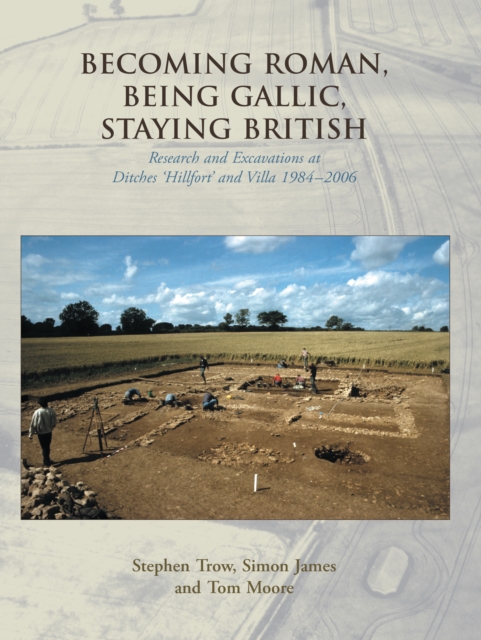
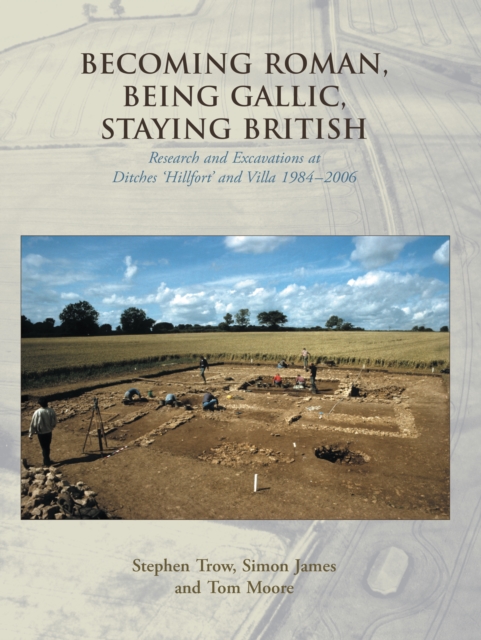
Excavations carried out from 1984-1985 at Ditches in Gloucestershire identified a large, late Iron Age enclosure which contained a remarkably early Roman villa.
Excavations carried out from 1984-1985 at Ditches in Gloucestershire identified a large, late Iron Age enclosure which contained a remarkably early Roman villa.
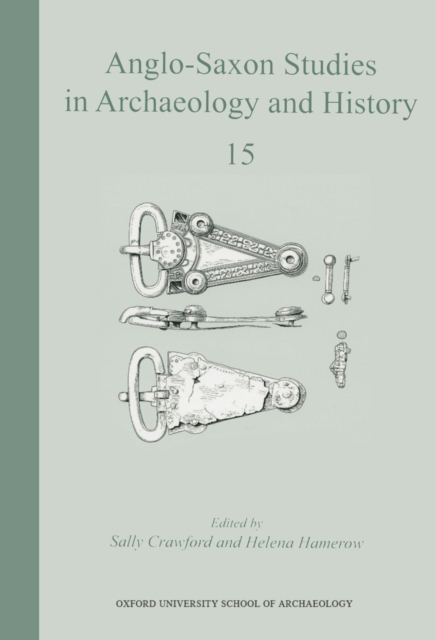
Anglo-Saxon Studies in Archaeology and History is an annual series concerned with the archaeology and history of England and its neighbours during the Anglo-Saxon period.
Anglo-Saxon Studies in Archaeology and History is an annual series concerned with the archaeology and history of England and its neighbours during the Anglo-Saxon period.
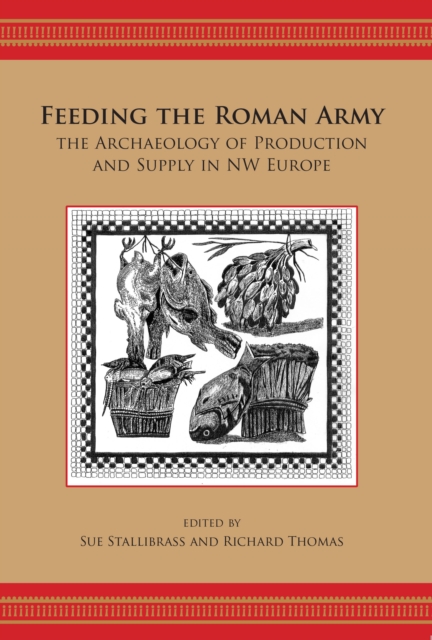
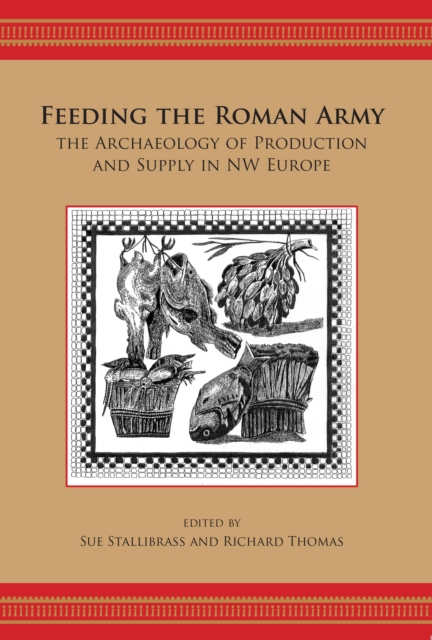
These ten papers from two Theoretical Roman Archaeology Conference (2007) sessions bring together a growing body of new archaeological evidence in an attempt to reconsider the way in which the Roman army was provisioned.
These ten papers from two Theoretical Roman Archaeology Conference (2007) sessions bring together a growing body of new archaeological evidence in an attempt to reconsider the way in which the Roman army was provisioned.
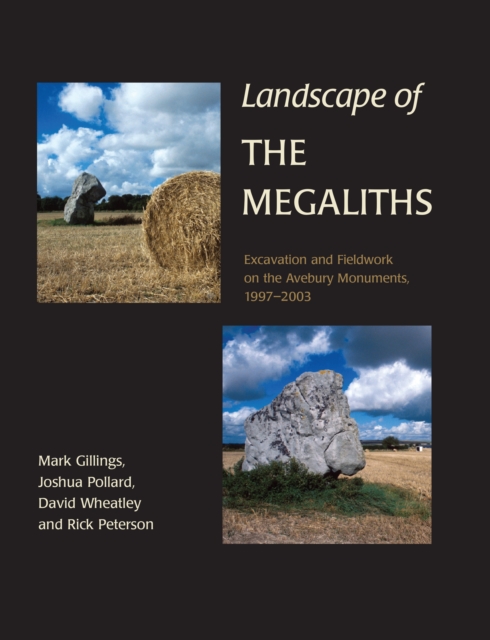
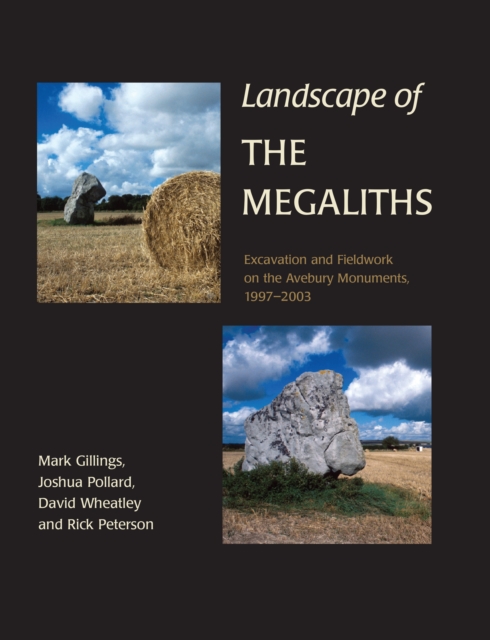
This volume describes the results of the Longstones Project , a joint-universities programme of excavation and survey designed to develop a fuller understanding of the context and dynamics of monument construction in the later Neolithic (3rd millennium BC) of the Avebury region, Wiltshire.
This volume describes the results of the Longstones Project , a joint-universities programme of excavation and survey designed to develop a fuller understanding of the context and dynamics of monument construction in the later Neolithic (3rd millennium BC) of the Avebury region, Wiltshire.
The fifth volume in the series of final reports on the work of the Joint Expedition to Jerusalem in the 1960s describes the discoveries made in six sites in the ancient city and places them in the archaeological and historical context of Jerusalem and the surrounding lands.
The fifth volume in the series of final reports on the work of the Joint Expedition to Jerusalem in the 1960s describes the discoveries made in six sites in the ancient city and places them in the archaeological and historical context of Jerusalem and the surrounding lands.
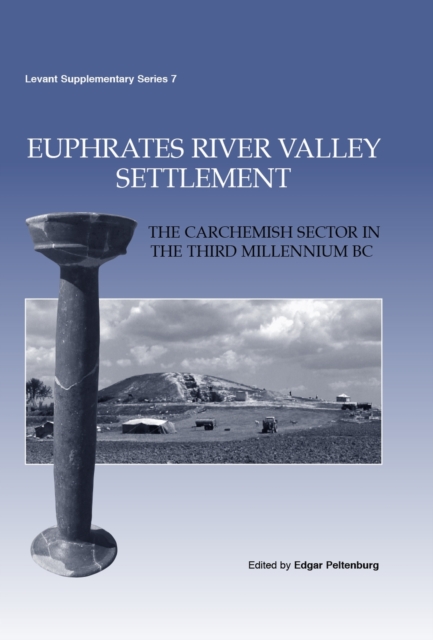
Pre-state ceremonial monuments, rich mortuary arrangements, forts, walled settlements and temples: all these occur in a narrow stretch of the Euphrates River valley prior to the rise of Carchemish, one of the major capital cities of the Ancient Near East.
Pre-state ceremonial monuments, rich mortuary arrangements, forts, walled settlements and temples: all these occur in a narrow stretch of the Euphrates River valley prior to the rise of Carchemish, one of the major capital cities of the Ancient Near East.
The history of the Ancient Near East covers a huge chronological frame, from the first pictographic texts of the late 4th millennium to the conquest of Alexander the Great in 333 BC.
The history of the Ancient Near East covers a huge chronological frame, from the first pictographic texts of the late 4th millennium to the conquest of Alexander the Great in 333 BC.
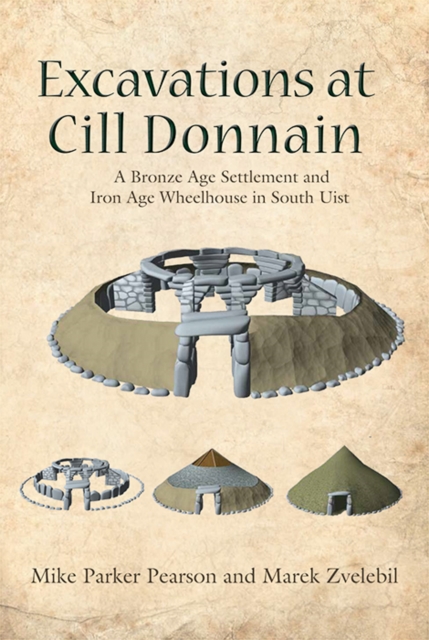
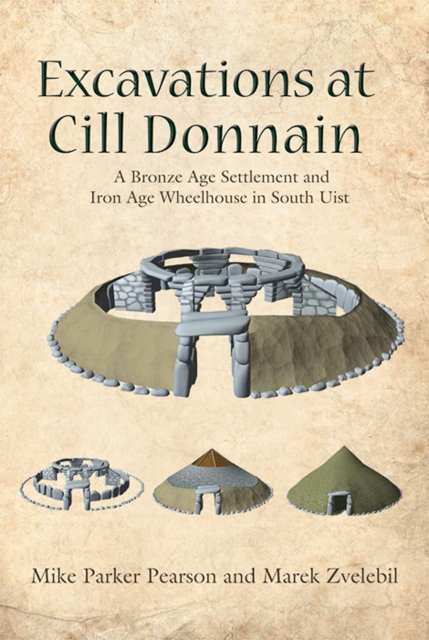
The SEARCH (Sheffield Environmental and Archaeological Research Campaign in the Hebrides) project began in 1987 and covers the Scotland’s Outer Hebrides.
The SEARCH (Sheffield Environmental and Archaeological Research Campaign in the Hebrides) project began in 1987 and covers the Scotland’s Outer Hebrides.
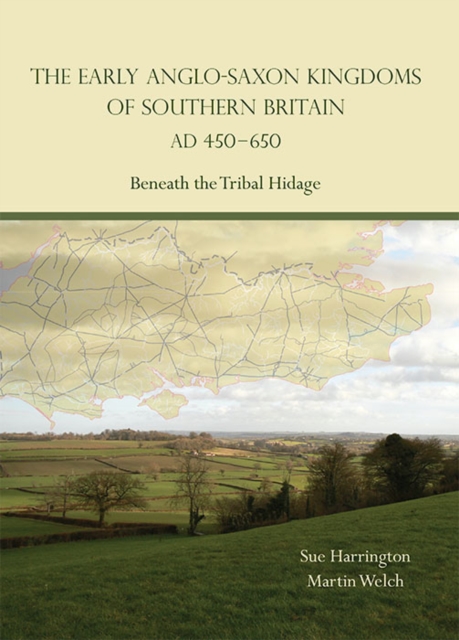
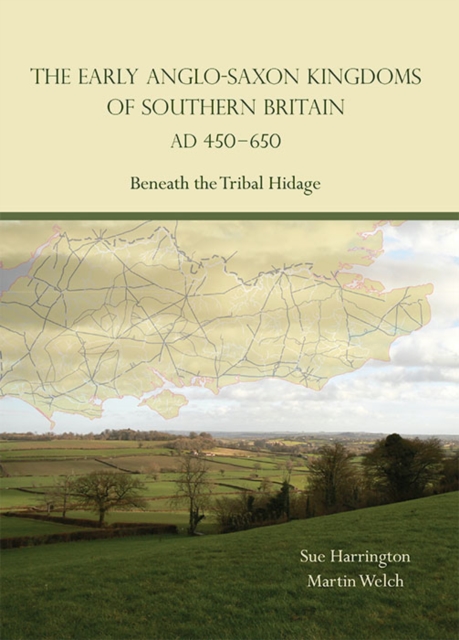
The Tribal Hidage, attributed to the 7th century, records the named groups and polities of early Anglo-Saxon England and the taxation tribute due from their lands and surpluses.
The Tribal Hidage, attributed to the 7th century, records the named groups and polities of early Anglo-Saxon England and the taxation tribute due from their lands and surpluses.
Volume 14 of the Anglo-Saxon Studies in Archaeology and History series is dedicated to the archaeology of early medieval death, burial and commemoration.
Volume 14 of the Anglo-Saxon Studies in Archaeology and History series is dedicated to the archaeology of early medieval death, burial and commemoration.
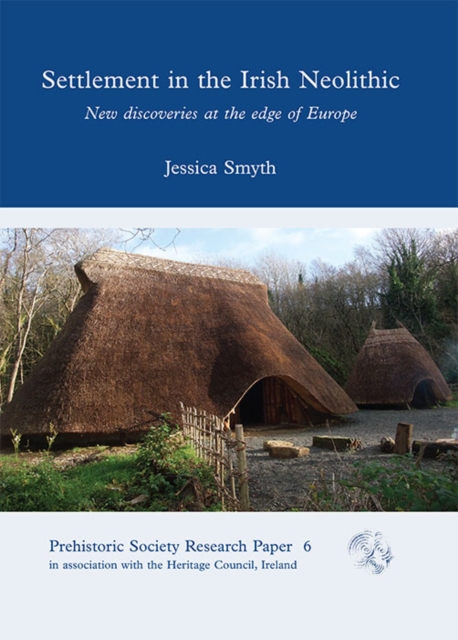
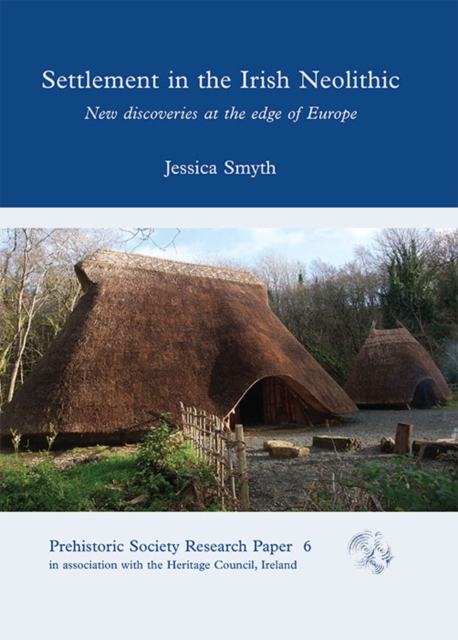
The Irish Neolithic has been dominated by the study of megalithic tombs, but the defining element of Irish settlement evidence is the rectangular timber Early Neolithic house, the numbers of which have more than quadrupled in the last ten years.
The Irish Neolithic has been dominated by the study of megalithic tombs, but the defining element of Irish settlement evidence is the rectangular timber Early Neolithic house, the numbers of which have more than quadrupled in the last ten years.
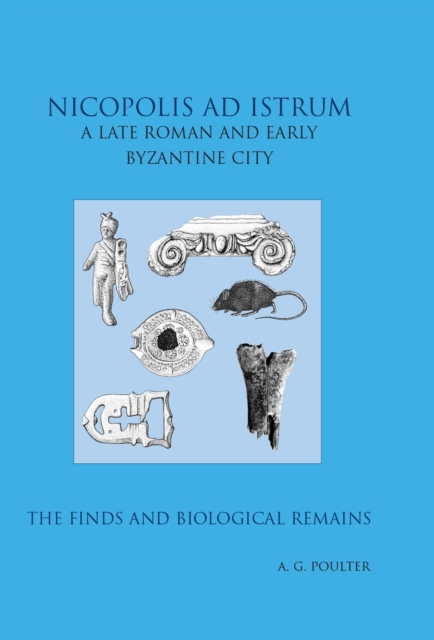
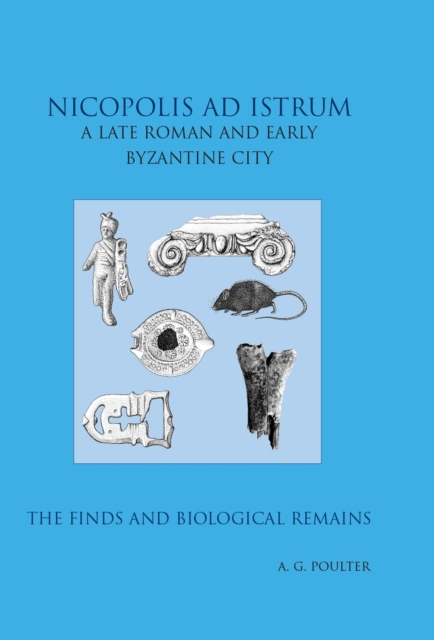
This, the third and final monograph, completes the description of the excavations carried out by the British team, part of the Anglo-Bulgarian archaeological programme on the site of Nicopolis ad Istrum in northern Bulgaria, one of the best-preserved ancient cities of the Roman Empire.
This, the third and final monograph, completes the description of the excavations carried out by the British team, part of the Anglo-Bulgarian archaeological programme on the site of Nicopolis ad Istrum in northern Bulgaria, one of the best-preserved ancient cities of the Roman Empire.
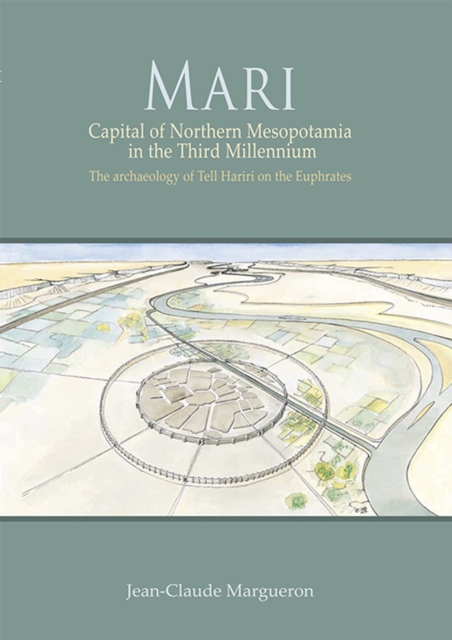
According to archaeological evidence gleaned over more than 70 years, Mari appears to have been the most important city in northern Mesopotamia from its foundation at about 2950 BC to 1760 BC.
Exploring the origins of urbanism – the emergence and development of the first cities, has long constituted one of the main challenges of archaeological and ancient historical research.
Exploring the origins of urbanism – the emergence and development of the first cities, has long constituted one of the main challenges of archaeological and ancient historical research.