This book is one of a series of more than 20 volumes resulting from the World Archaeological Congress, September 1986, attempting to bring together not only archaeologists and anthropologists from many parts of the world, as well as academics from contingent disciplines, but also non-academics from a wide range of cultural backgrounds.
Edited by two pioneers in the field of sensory archaeology, this Handbook comprises a key point of reference for the ever-expanding field of sensory archaeology: one that surpasses previous books in this field, both in scope and critical intent.
Edited by two pioneers in the field of sensory archaeology, this Handbook comprises a key point of reference for the ever-expanding field of sensory archaeology: one that surpasses previous books in this field, both in scope and critical intent.
As water availability, management and conservation become global challenges, there is now wide consensus that historical knowledge can provide crucial information to address present crises, offering unique opportunities to appreciate the solutions and mechanisms societies have developed over time to deal with water in all its forms, from rainfall to groundwater.
As water availability, management and conservation become global challenges, there is now wide consensus that historical knowledge can provide crucial information to address present crises, offering unique opportunities to appreciate the solutions and mechanisms societies have developed over time to deal with water in all its forms, from rainfall to groundwater.
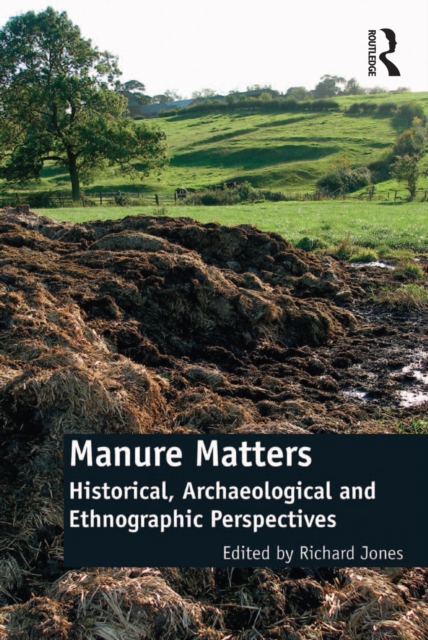
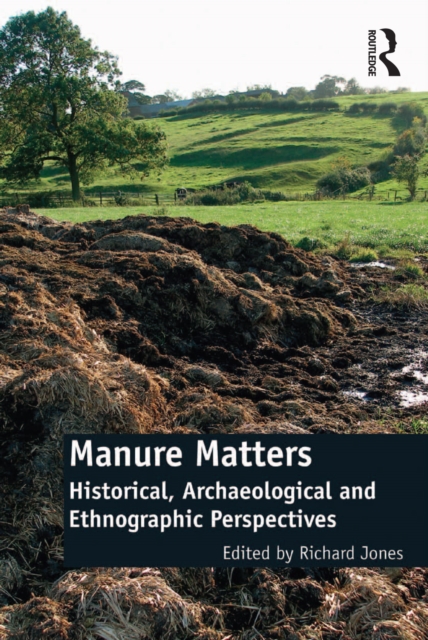
In pre-industrial societies, in which the majority of the population lived directly off the land, few issues were more important than the maintenance of soil fertility.
In pre-industrial societies, in which the majority of the population lived directly off the land, few issues were more important than the maintenance of soil fertility.
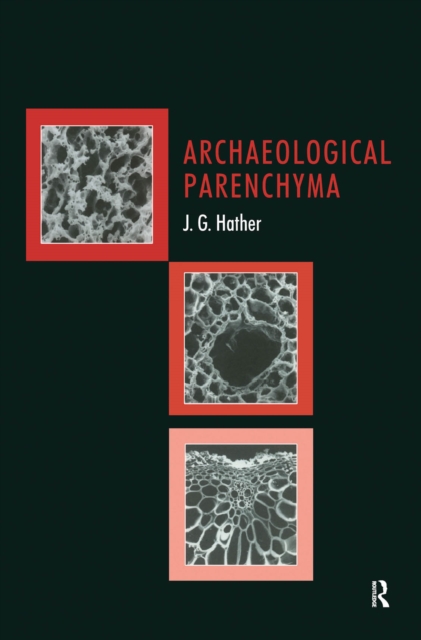
The parenchymous remains of roots and tubers are increasingly becoming recognized as an important category of plant remain alongside seeds, fruits and wood charcoal.
The parenchymous remains of roots and tubers are increasingly becoming recognized as an important category of plant remain alongside seeds, fruits and wood charcoal.
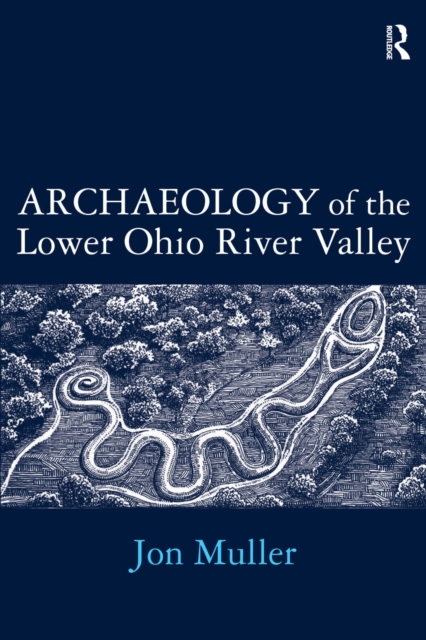
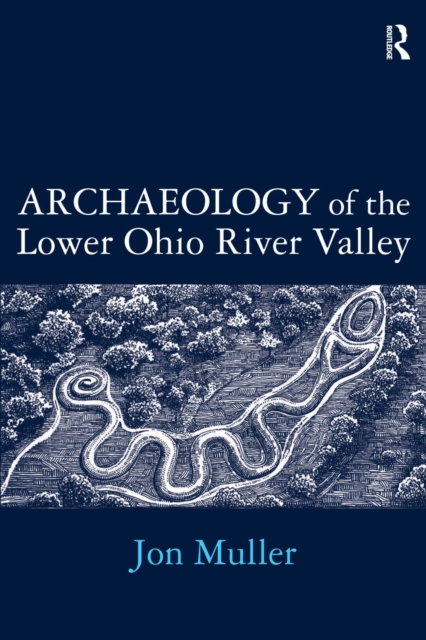
Although it has been occupied for as long and possesses a mound-building tradition of considerable scale and interest, Muller contends that the archaeology of the lower Ohio River Valley-from the confluence with the Mississippi to the falls at Louisville, Kentucky - remains less well-known that that of the elaborate mound-building cultures of the upper valley.
Although it has been occupied for as long and possesses a mound-building tradition of considerable scale and interest, Muller contends that the archaeology of the lower Ohio River Valley-from the confluence with the Mississippi to the falls at Louisville, Kentucky - remains less well-known that that of the elaborate mound-building cultures of the upper valley.
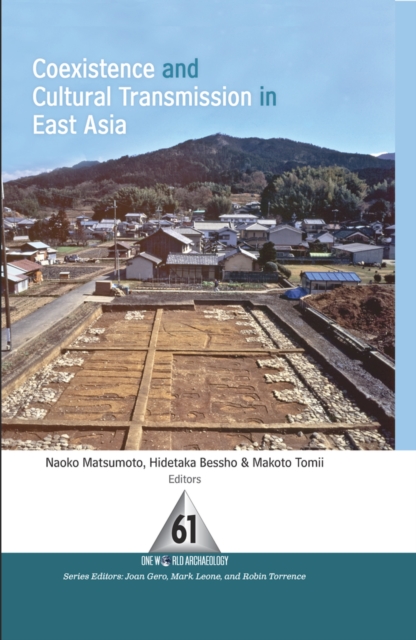
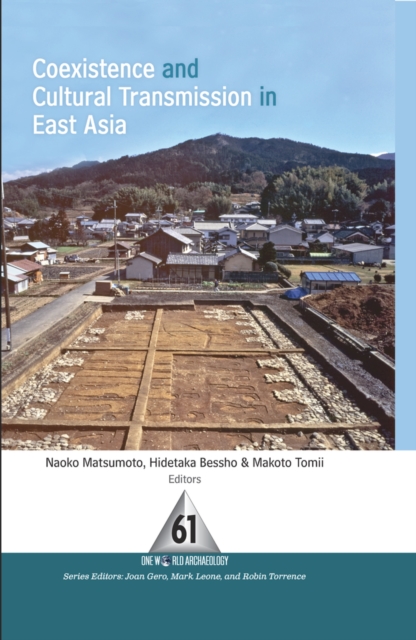
This is the first volume to introduce the data, theory and methodology of contemporary archaeological work in Japan and other parts of East Asia archaeology in English to western audiences.
This is the first volume to introduce the data, theory and methodology of contemporary archaeological work in Japan and other parts of East Asia archaeology in English to western audiences.
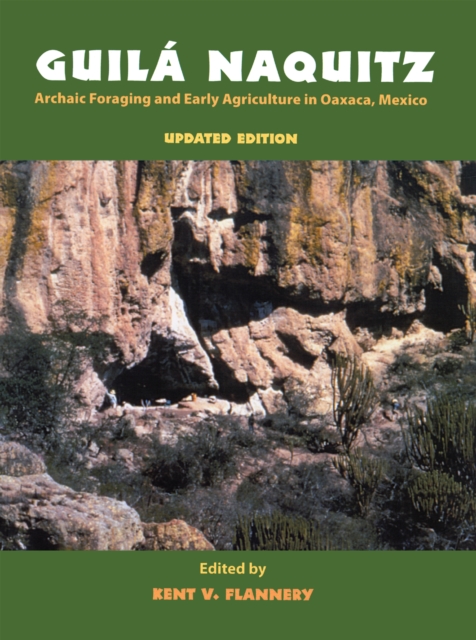
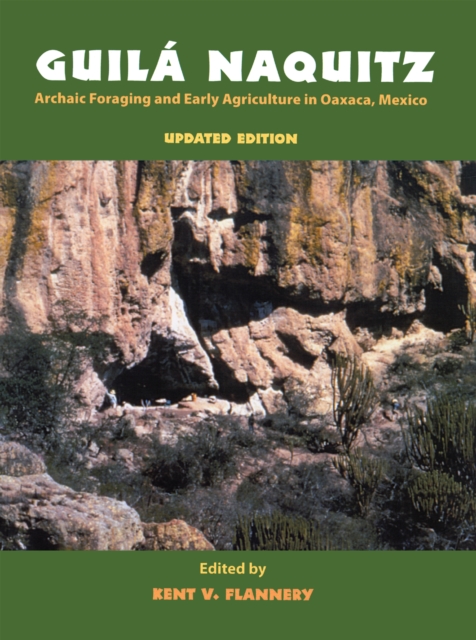
This volume reports on the excavation of Guila Naquitz cave in Oaxaca, a site that provides important evidence for the earliest plant domestication in the New World.
This volume reports on the excavation of Guila Naquitz cave in Oaxaca, a site that provides important evidence for the earliest plant domestication in the New World.
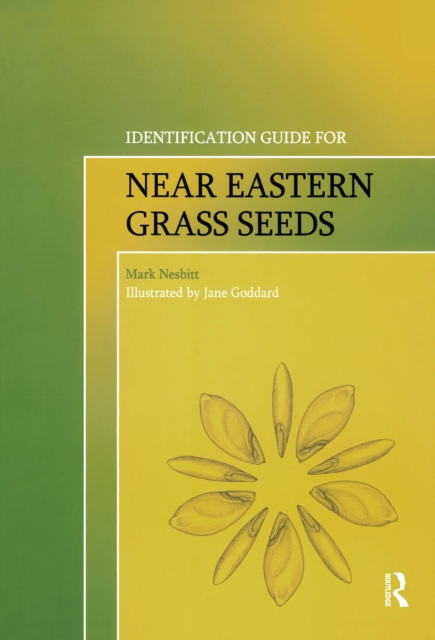
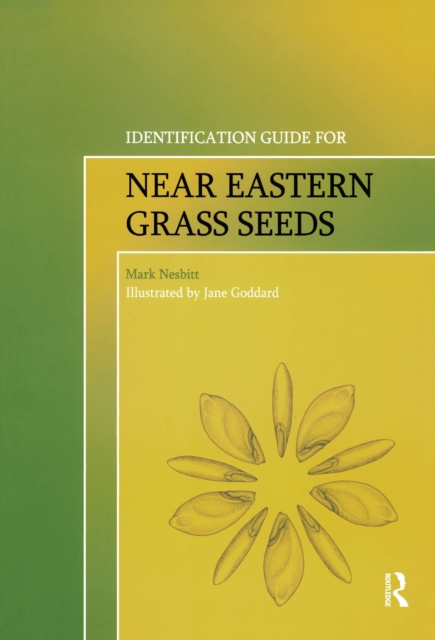
Archaeobotanical studies constantly encounter the carbonized grains of grasses, cultivated and wild, but the vast diversity of wild species that are potentially present has made identification of archaeological material fraught with difficulties.
Archaeobotanical studies constantly encounter the carbonized grains of grasses, cultivated and wild, but the vast diversity of wild species that are potentially present has made identification of archaeological material fraught with difficulties.
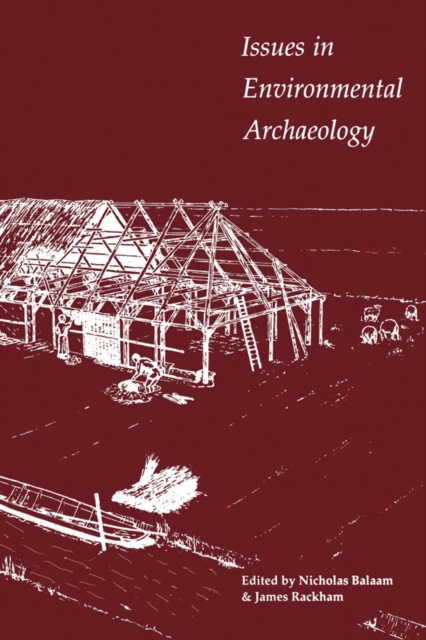
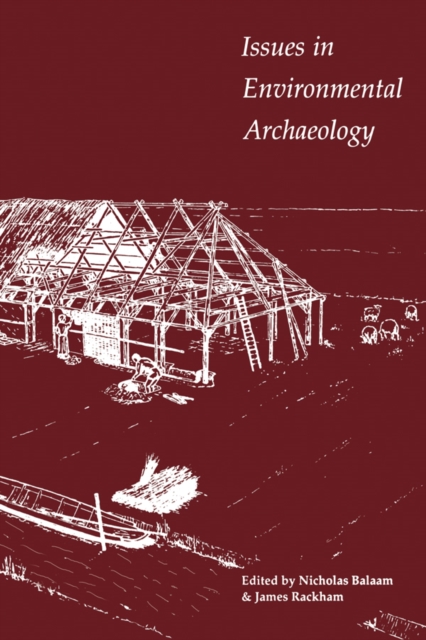
Collection of original research articles by European scholars assessing the state of environmental archaeology and its relationship to the field; along with discussions on how to present environmental issues in prehistory to the public.
Collection of original research articles by European scholars assessing the state of environmental archaeology and its relationship to the field; along with discussions on how to present environmental issues in prehistory to the public.
Popularist treatments of ancient disasters like volcanic eruptions have grossly overstated their capacity for death, destruction, and societal collapse.
Popularist treatments of ancient disasters like volcanic eruptions have grossly overstated their capacity for death, destruction, and societal collapse.
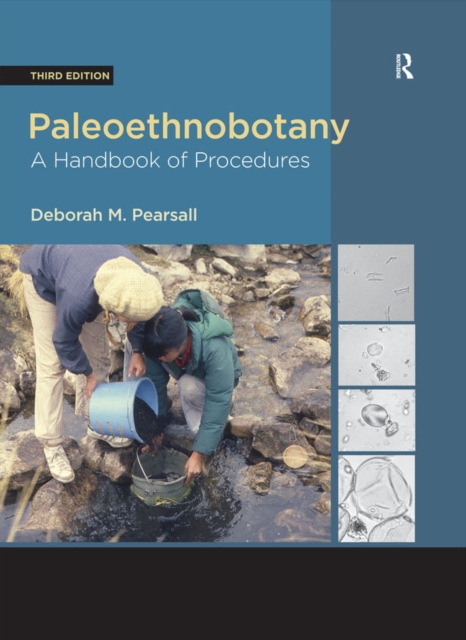
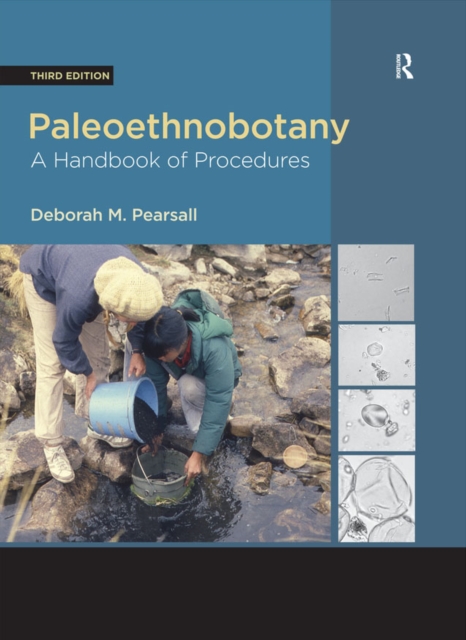
This new edition of the definitive work on doing paleoethnobotany brings the book up to date by incorporating new methods and examples of research, while preserving the overall organization and approach of the book to facilitate its use as a textbook.
This new edition of the definitive work on doing paleoethnobotany brings the book up to date by incorporating new methods and examples of research, while preserving the overall organization and approach of the book to facilitate its use as a textbook.
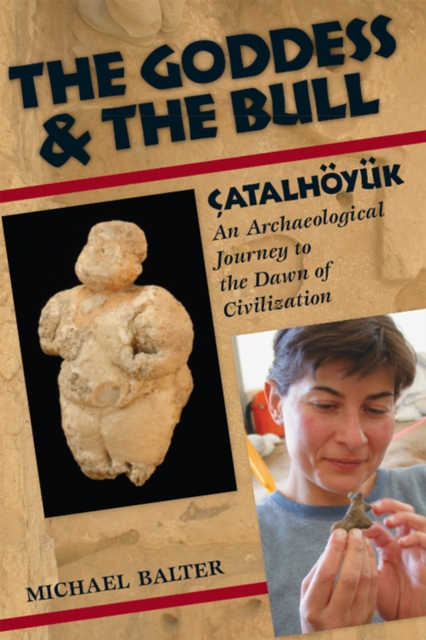
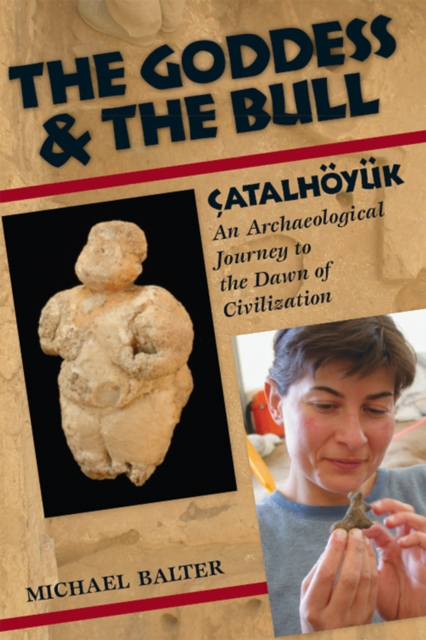
Veteran science writer Michael Balter skillfully weaves together many threads in this fascinating book about one of archaeology's most legendary sites- Catalhoyuk.
Veteran science writer Michael Balter skillfully weaves together many threads in this fascinating book about one of archaeology's most legendary sites- Catalhoyuk.
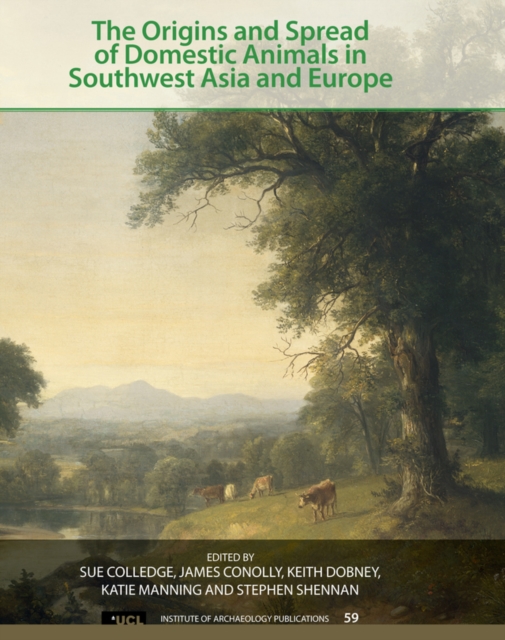
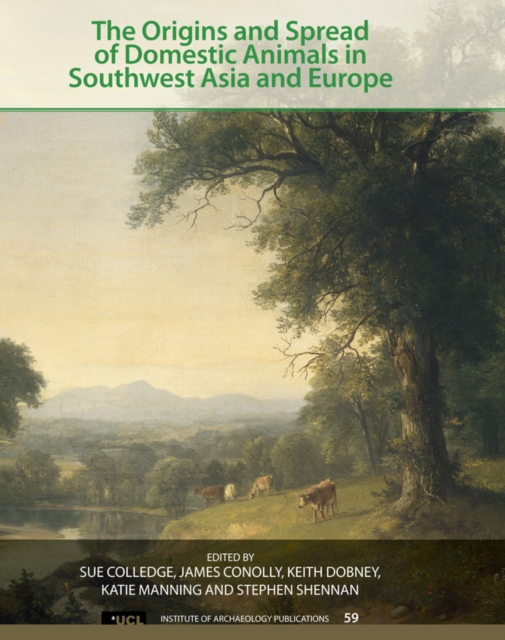
This volume tackles the fundamental and broad-scale questions concerning the spread of early animal herding from its origins in the Near East into Europe beginning in the mid-10th millennium BC.
This volume tackles the fundamental and broad-scale questions concerning the spread of early animal herding from its origins in the Near East into Europe beginning in the mid-10th millennium BC.
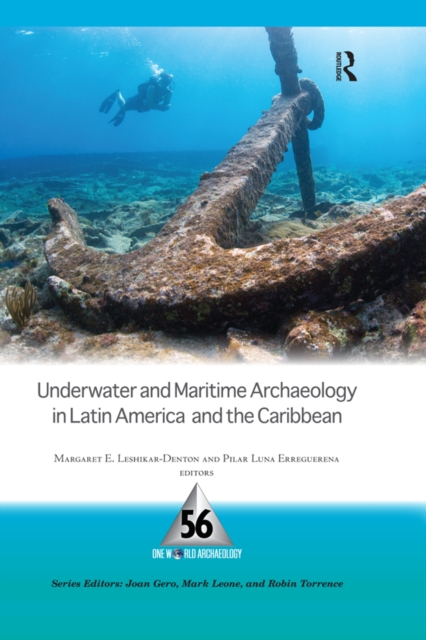
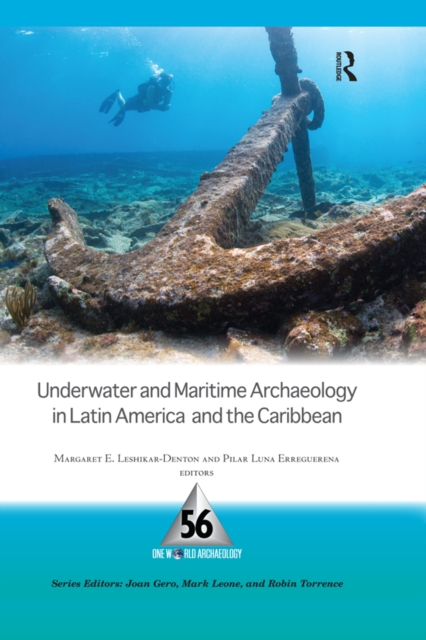
The waters of Latin America and the Caribbean are rich with archaeological sites, including coastal settlements, defensive forts, freshwater sources, fishing-related activities, navigational aids, anchorages, harbours, ports, shipbuilding sites, shipwrecks and survivor camps.
The waters of Latin America and the Caribbean are rich with archaeological sites, including coastal settlements, defensive forts, freshwater sources, fishing-related activities, navigational aids, anchorages, harbours, ports, shipbuilding sites, shipwrecks and survivor camps.