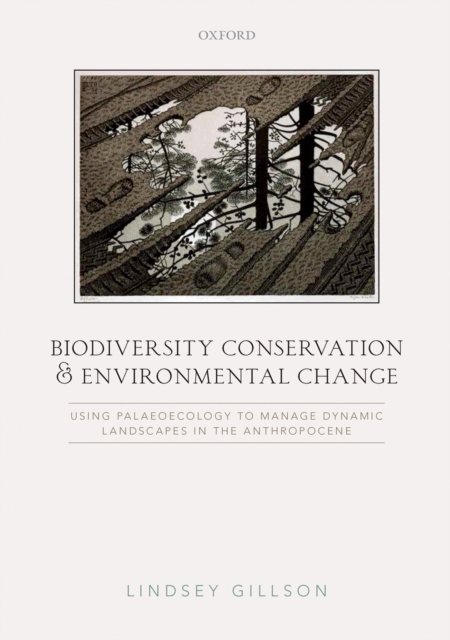
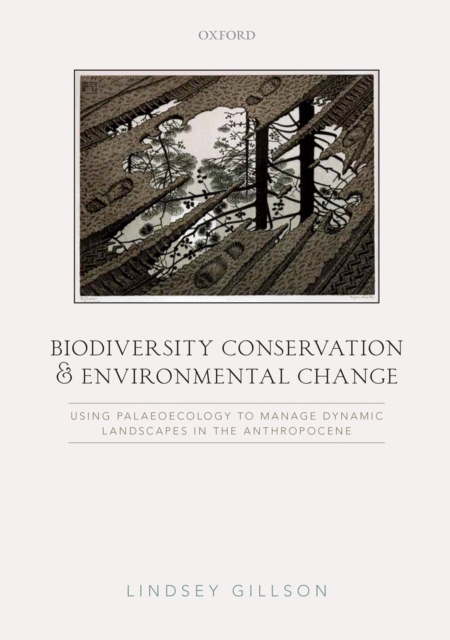
Most research into humans' impact on the environment has focused on large-scale societies; a corollary assumption has been that small scale economies are sustainable and in harmony with nature.
Canadian botanist, biochemist and visionary Diana Beresford-Kroeger''s startling insights into the hidden life of trees have already sparked a quiet revolution in how we understand our relationship to forests.
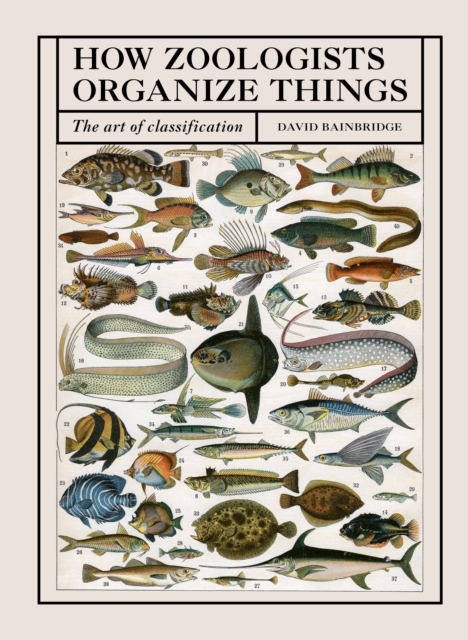
Humankind's fascination with the animal kingdom began as a matter of survival differentiating the edible from the toxic, the ferocious from the tractable.
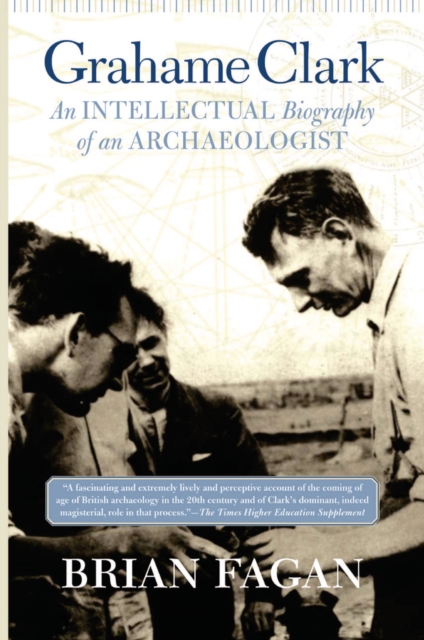
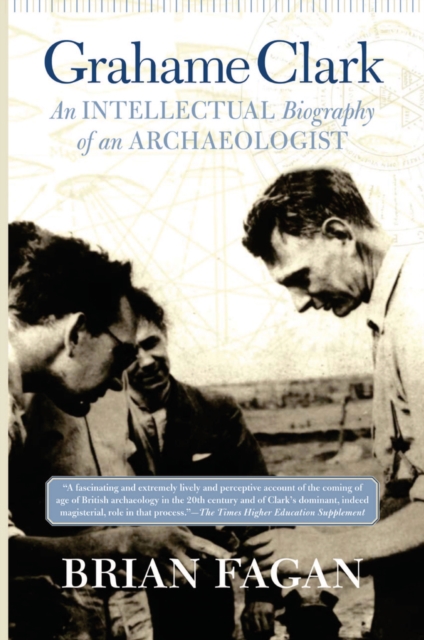
The British archaeologist Grahame Clark was a seminal figure in European and world archaeology for more than half of the twentieth century, but, at the same time, one whose reputation has been outshone by other, more visible luminaries.
The British archaeologist Grahame Clark was a seminal figure in European and world archaeology for more than half of the twentieth century, but, at the same time, one whose reputation has been outshone by other, more visible luminaries.
Drawing from a wide variety of human societies and prey species, this book seeks to validate the importance of mortality studies for understanding modern and prehistoric human ecology.
Drawing from a wide variety of human societies and prey species, this book seeks to validate the importance of mortality studies for understanding modern and prehistoric human ecology.
The Broads discusses the history of the Broads, the waters in the past and the waters now, the people who come into contact with and influence these waterways, and what the future holds for this small but important area of the countryside.
A lively and authoritative investigation into the lives of our ancestors, based on the revolution in the field of Bronze Age archaeology which has been taking place in Norfolk and the Fenlands over the last twenty years, and in which the author has played a central role.
All farming in prehistoric Europe ultimately came from elsewhere in one way or another, unlike the growing numbers of primary centers of domestication and agricultural origins worldwide.
This volume explores 15,000 years of indigenous human history on the North American continent, drawing on the latest archaeological theories, time-honored methodologies, and rich datasets.
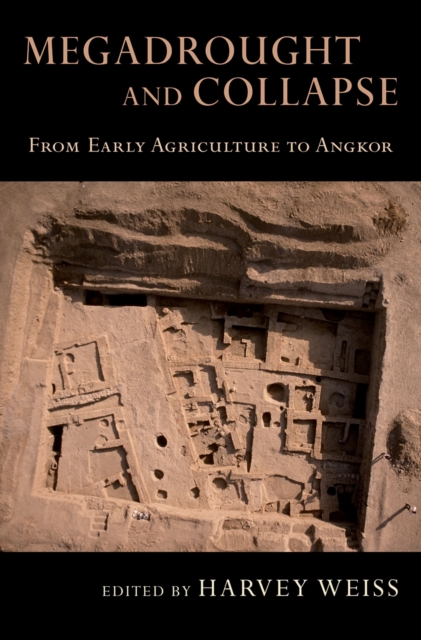
Megadrought and Collapse is the first book to treat in one volume the current paleoclimatic and archaeological evidence of megadrought events coincident with major prehistoric and historical examples of societal collapse.
Long before the Norman Conquest of 1066, England saw periods of profound change that transformed the landscape and the identities of those who occupied it.
Long before the Norman Conquest of 1066, England saw periods of profound change that transformed the landscape and the identities of those who occupied it.
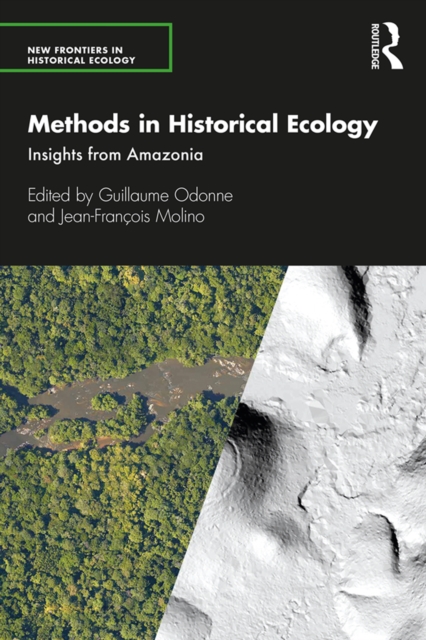
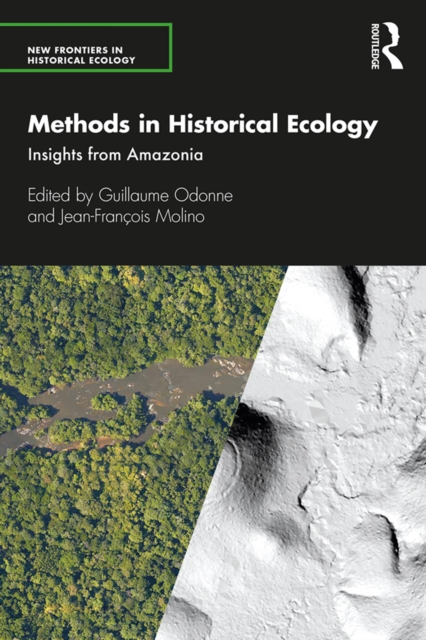
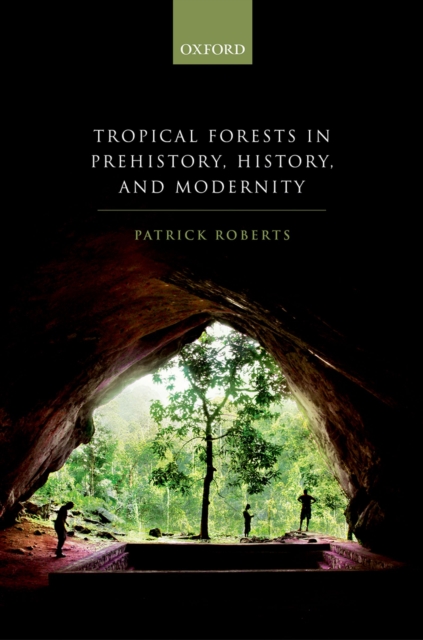
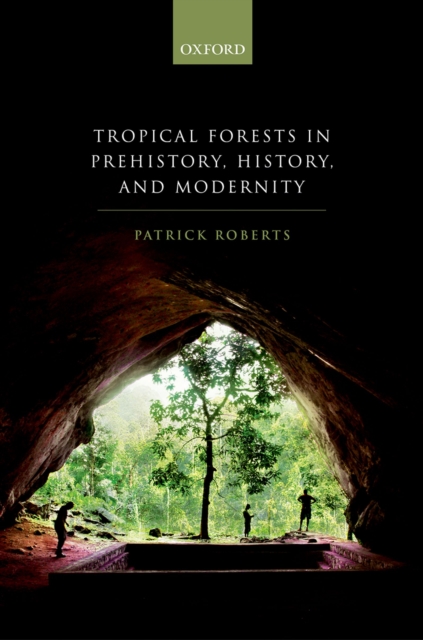
In popular discourse, tropical forests are synonymous with 'nature' and 'wilderness'; battlegrounds between apparently pristine floral, faunal, and human communities, and the unrelenting industrial and urban powers of the modern world.
In popular discourse, tropical forests are synonymous with 'nature' and 'wilderness'; battlegrounds between apparently pristine floral, faunal, and human communities, and the unrelenting industrial and urban powers of the modern world.
Mankind's utter dependency on technology extends back approximately three million years to the first stone tools, but it was only with the innovation of hafting, some 300,000 years ago, that technology took its first modern form and revolutionized our social and economic lives.
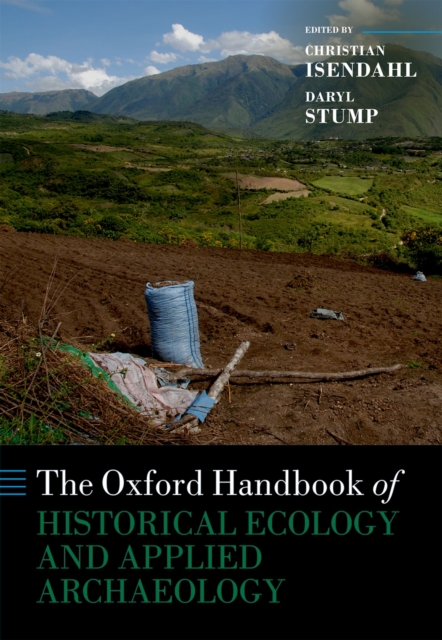
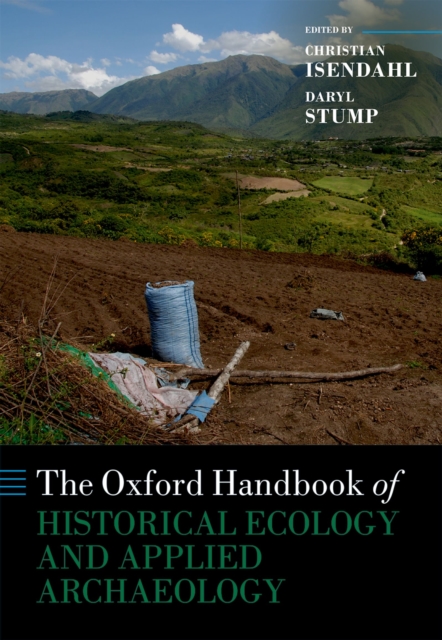
The Oxford Handbook of Historical Ecology and Applied Archaeology presents theoretical discussions, methodological outlines, and case-studies describing the field of overlap between historical ecology and the emerging sub-discipline of applied archaeology to highlight how modern environments and landscapes have been shaped by humans.
The Oxford Handbook of Historical Ecology and Applied Archaeology presents theoretical discussions, methodological outlines, and case-studies describing the field of overlap between historical ecology and the emerging sub-discipline of applied archaeology to highlight how modern environments and landscapes have been shaped by humans.
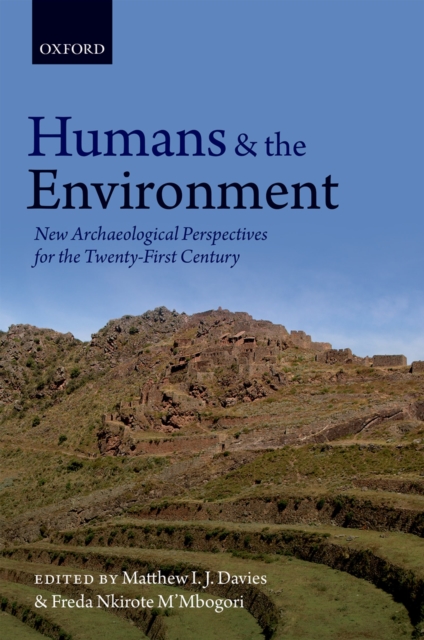
The environment has always been a central concept for archaeologists and, although it has been conceived in many ways, its role in archaeological explanation has fluctuated from a mere backdrop to human action, to a primary factor in the understanding of society and social change.
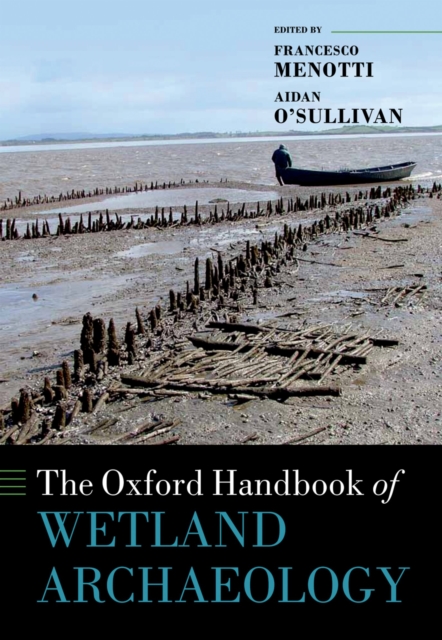
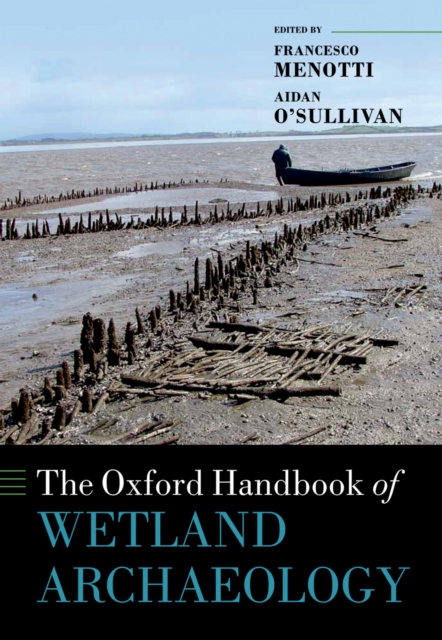
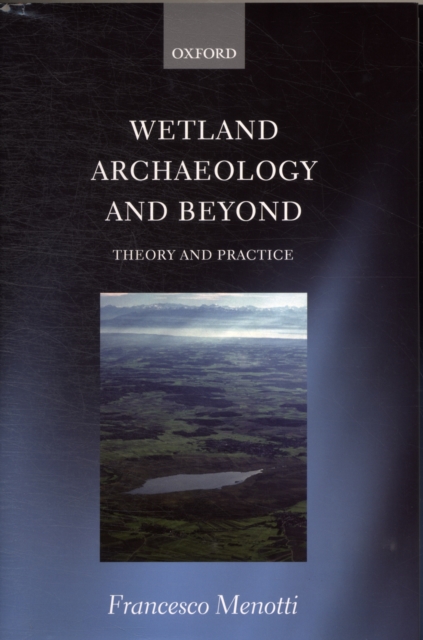
Despite being one of the most successful branches of mainstream archaeology, wetland archaeology, as an academic discipline, is still relatively unknown.
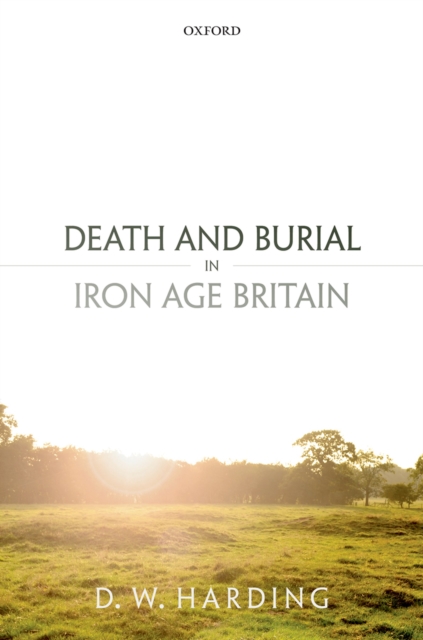
Archaeologists have long acknowledged the absence of a regular and recurrent burial rite in the British Iron Age, and have looked to rites such as cremation and scattering of remains to explain the minimal impact of funerary practices on the archaeological record.
The environment has always been a central concept for archaeologists and, although it has been conceived in many ways, its role in archaeological explanation has fluctuated from a mere backdrop to human action, to a primary factor in the understanding of society and social change.
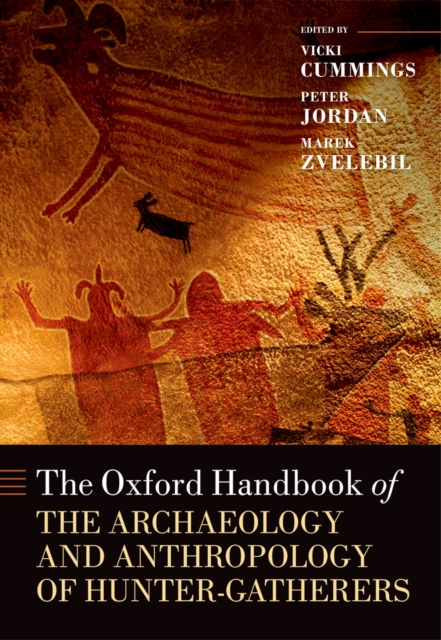
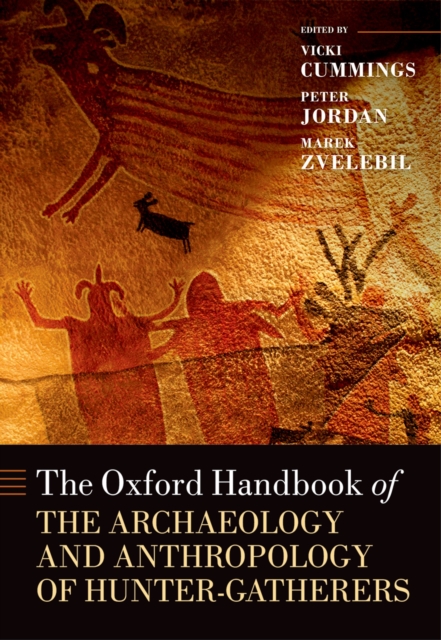
For more than a century, the study of hunting and gathering societies has been central to the development of both archaeology and anthropology as academic disciplines, and has also generated widespread public interest and debate.
For more than a century, the study of hunting and gathering societies has been central to the development of both archaeology and anthropology as academic disciplines, and has also generated widespread public interest and debate.
Megadrought and Collapse is the first book to treat in one volume the current paleoclimatic and archaeological evidence of megadrought events coincident with major prehistoric and historical examples of societal collapse.
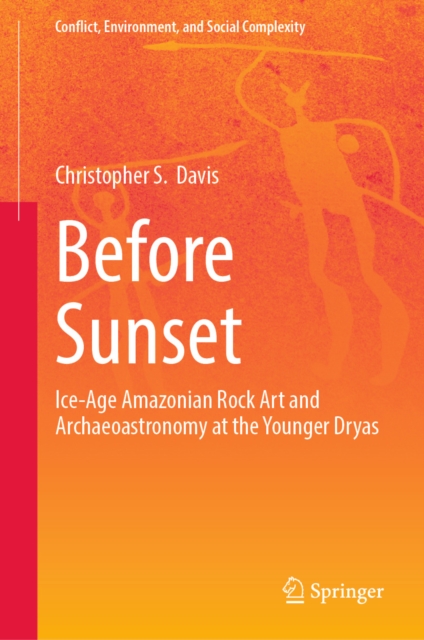
Through a presentation of the oldest rock art dated in the Americas, located in Monte Alegre, Brazil, this book analyzes an ancient ecological-astronomy strategy that theoretically made the rapid human migration in the Americas successful.
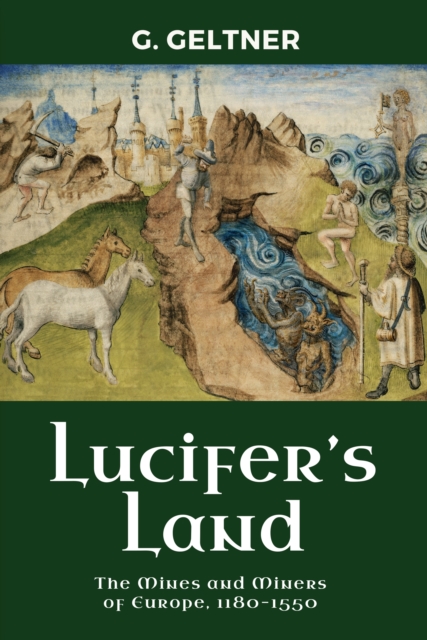
A social, cultural, and environmental history of Europe's preindustrial mines and minersIn the late twelfth century CE, Europe began to experience its first, centuries-long mining boom.
A social, cultural, and environmental history of Europe's preindustrial mines and minersIn the late twelfth century CE, Europe began to experience its first, centuries-long mining boom.