Archaeologists and textile historians bring together 16 papers to investigate the production, trade and consumption of textiles in Scandinavia and across parts of northern and Mediterranean Europe throughout the medieval period.
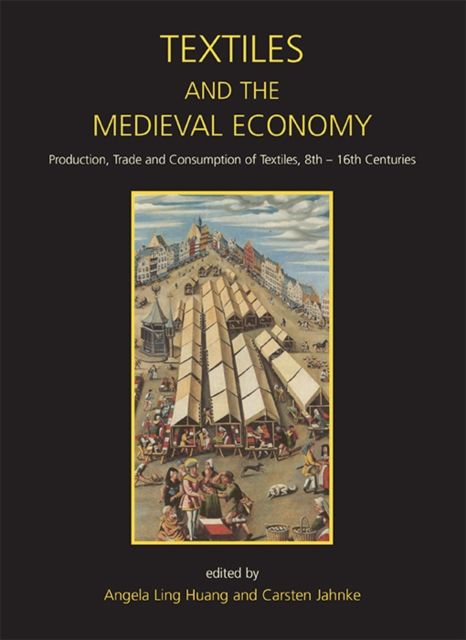
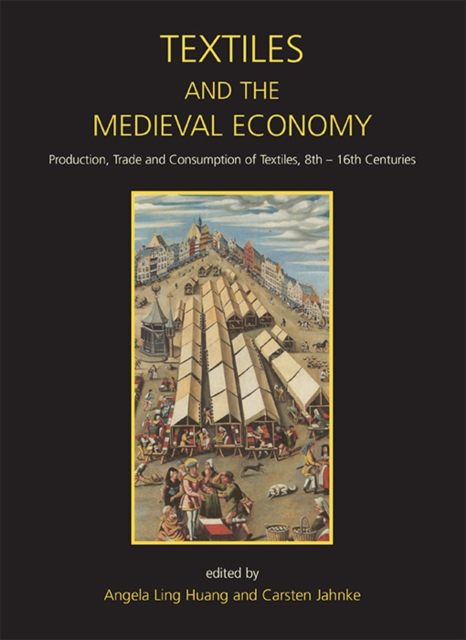
Archaeologists and textile historians bring together 16 papers to investigate the production, trade and consumption of textiles in Scandinavia and across parts of northern and Mediterranean Europe throughout the medieval period.
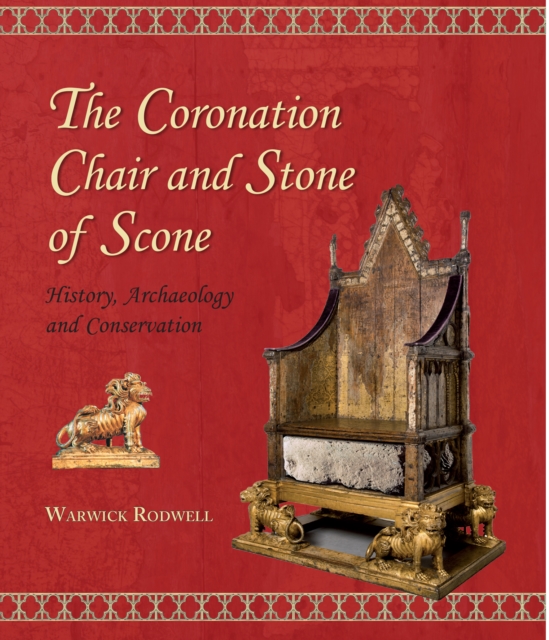
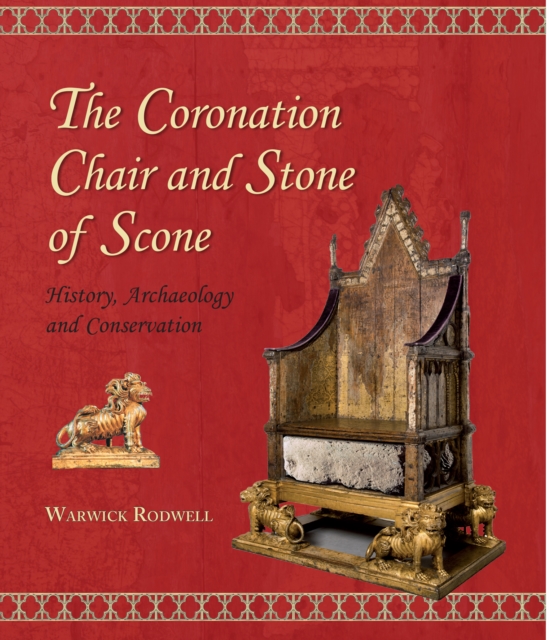
Constructed in 1297−1300 for King Edward I, the Coronation Chair ranks amongst the most remarkable and precious treasures to have survived from the Middle Ages.
Constructed in 1297−1300 for King Edward I, the Coronation Chair ranks amongst the most remarkable and precious treasures to have survived from the Middle Ages.
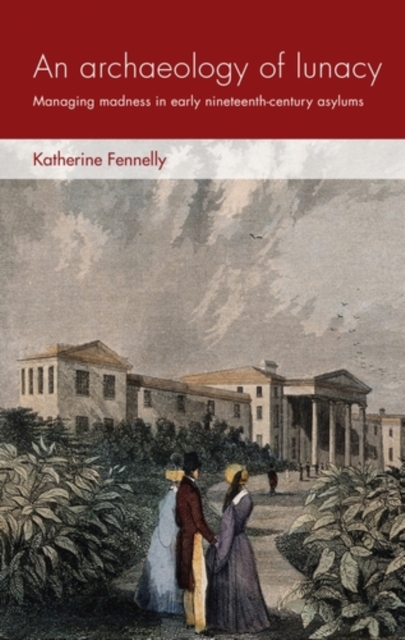
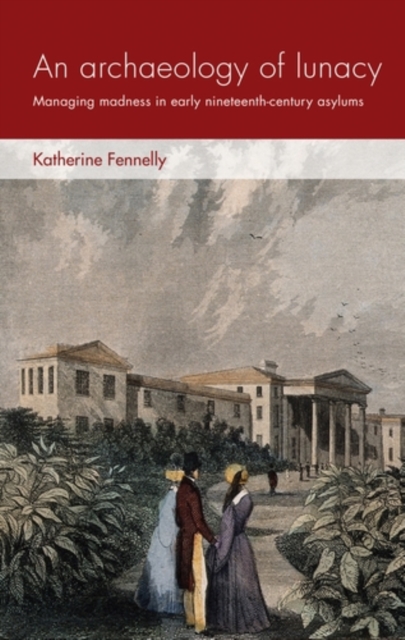
An archaeology of lunacy is a materially focused exploration of the first wave of public asylum building in Britain and Ireland, which took place during the late-Georgian and early Victorian period.
An archaeology of lunacy is a materially focused exploration of the first wave of public asylum building in Britain and Ireland, which took place during the late-Georgian and early Victorian period.
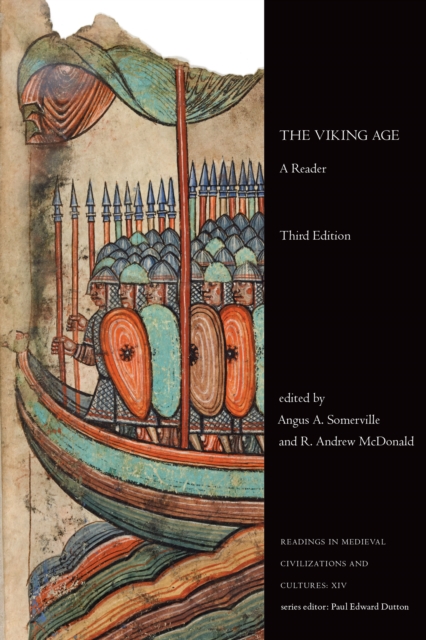
In this extensively revised third edition of The Viking Age: A Reader, Somerville and McDonald successfully bring the Vikings and their world to life for twenty-first-century students and instructors.
In this extensively revised third edition of The Viking Age: A Reader, Somerville and McDonald successfully bring the Vikings and their world to life for twenty-first-century students and instructors.
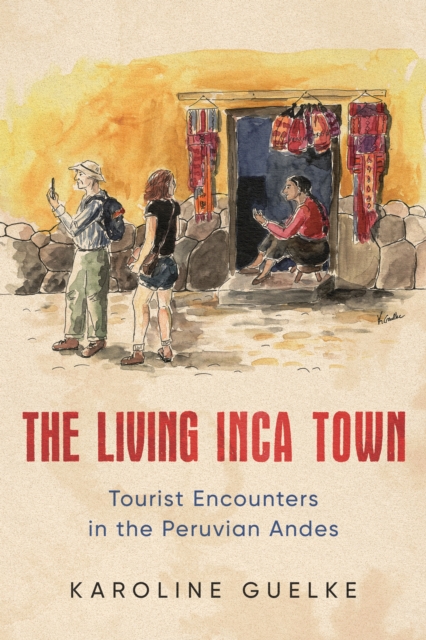
The Living Inca Town presents a rich case study of tourism in Ollantaytambo, a rapidly developing destination in the southern Peruvian Andes and the starting point for many popular treks to Machu Picchu.
The Living Inca Town presents a rich case study of tourism in Ollantaytambo, a rapidly developing destination in the southern Peruvian Andes and the starting point for many popular treks to Machu Picchu.
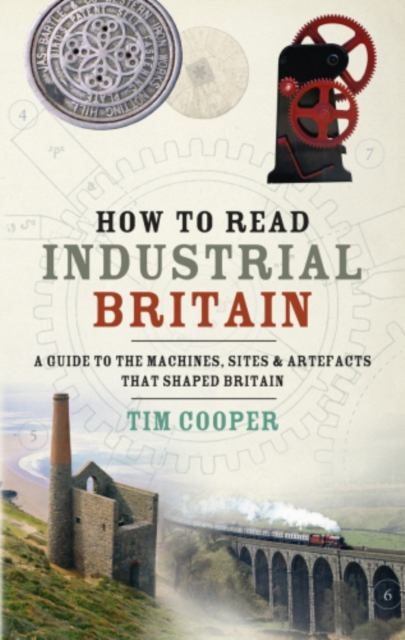
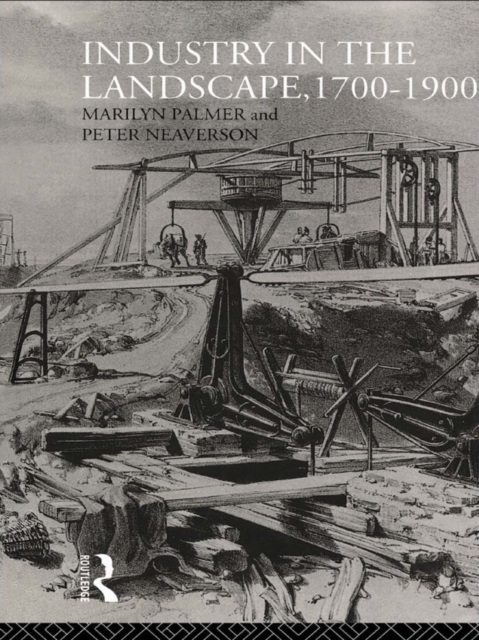
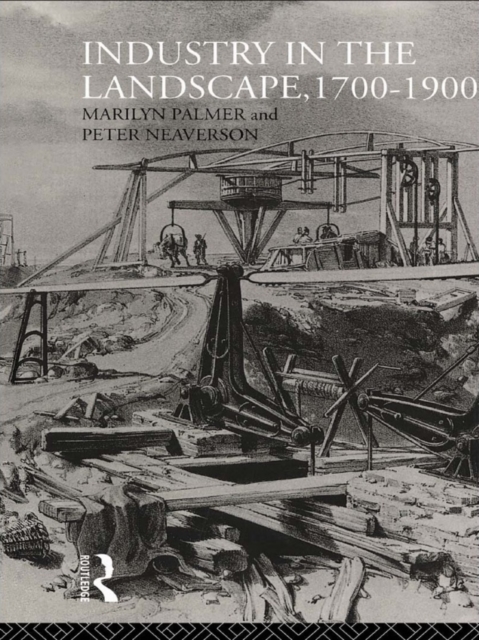
From steam engines and suspension bridges to canals, factories and pubs, the Industrial Revolution of the 18th and 19th centuries transformed the social and material landscape of Britain.
The management of industrial heritage sites requires rethinking in the context of urban change, and the issue of how to balance protection, preservation/conservation, and development becomes all the more crucial as industrial heritage sites grow in number.
The management of industrial heritage sites requires rethinking in the context of urban change, and the issue of how to balance protection, preservation/conservation, and development becomes all the more crucial as industrial heritage sites grow in number.
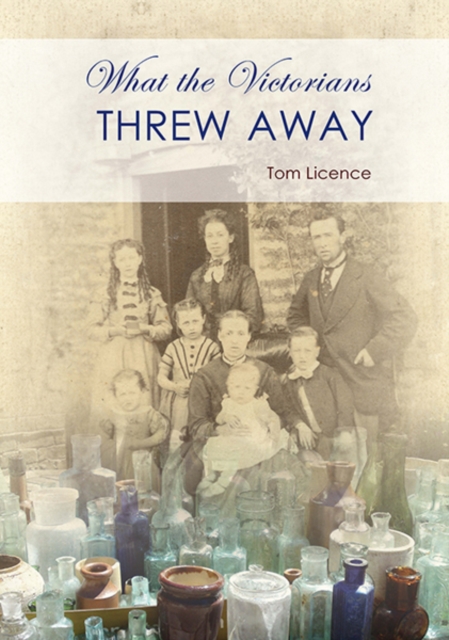
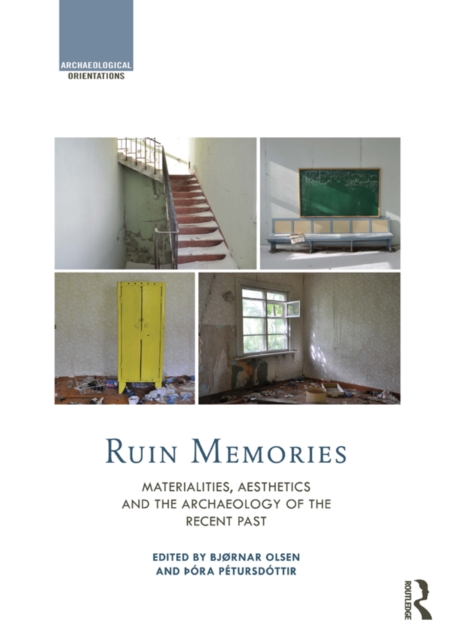
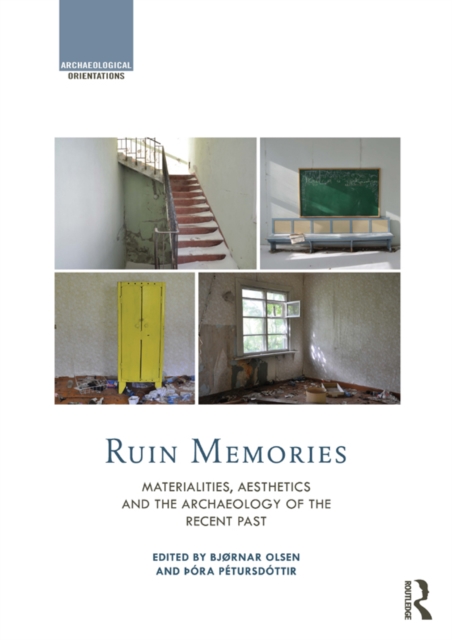
Since the nineteenth century, mass-production, consumerism and cycles of material replacement have accelerated; increasingly larger amounts of things are increasingly victimized rapidly and made redundant.
Since the nineteenth century, mass-production, consumerism and cycles of material replacement have accelerated; increasingly larger amounts of things are increasingly victimized rapidly and made redundant.
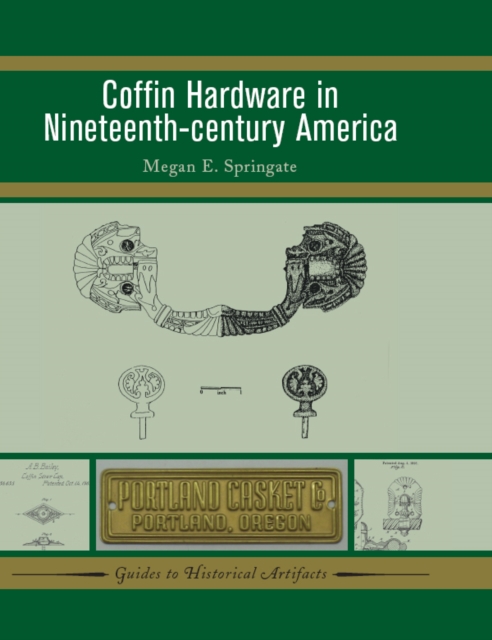
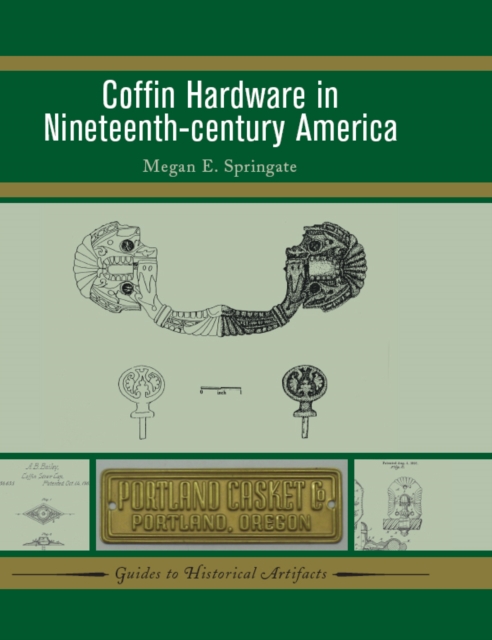
Using data from archaeological excavations, patent filings, and marketing catalogs, this book provides a broad view of the introduction, spread, and use of mass-produced coffin hardware in North America.
Using data from archaeological excavations, patent filings, and marketing catalogs, this book provides a broad view of the introduction, spread, and use of mass-produced coffin hardware in North America.
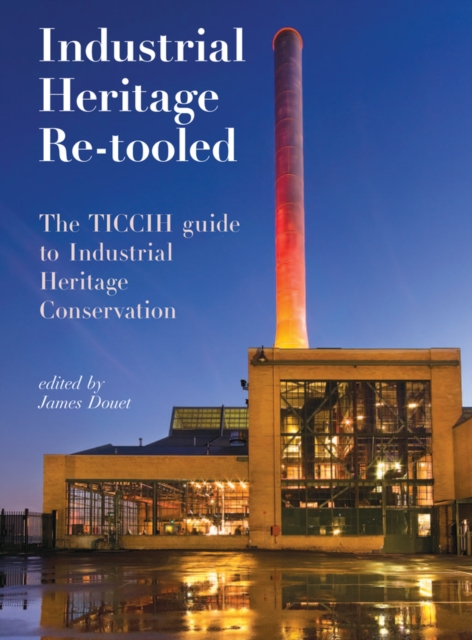
This volume comprises the authoritative work from the International Committee for the Conservation of the Industrial Heritage - the international group dedicated to industrial archaeology and heritage - detailing the latest approaches to the conservation of the global industrial heritage.
This volume comprises the authoritative work from the International Committee for the Conservation of the Industrial Heritage - the international group dedicated to industrial archaeology and heritage - detailing the latest approaches to the conservation of the global industrial heritage.
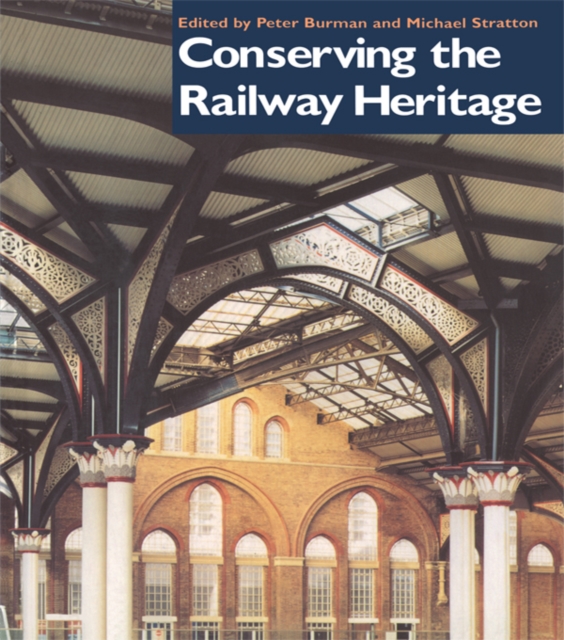
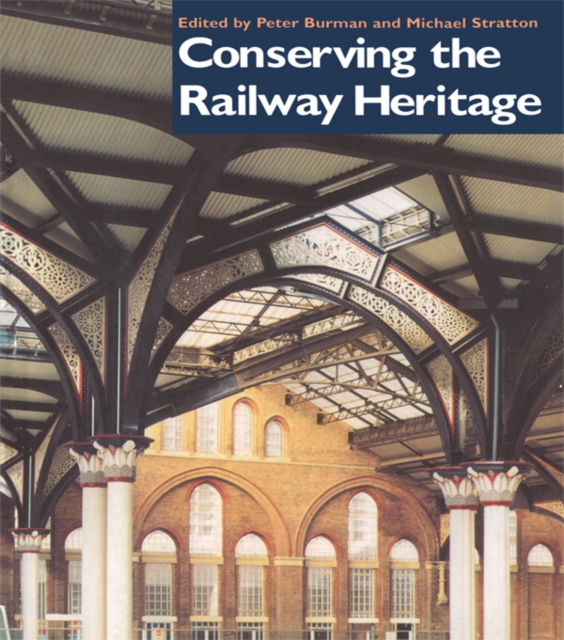
Great Britain not only invented the main-line railway but has also led the way in it's preservation - not just locomotves and carriages but also the buildings and structures that bear witness to the confidence of railway developers, architects and engineers.
Great Britain not only invented the main-line railway but has also led the way in it's preservation - not just locomotves and carriages but also the buildings and structures that bear witness to the confidence of railway developers, architects and engineers.
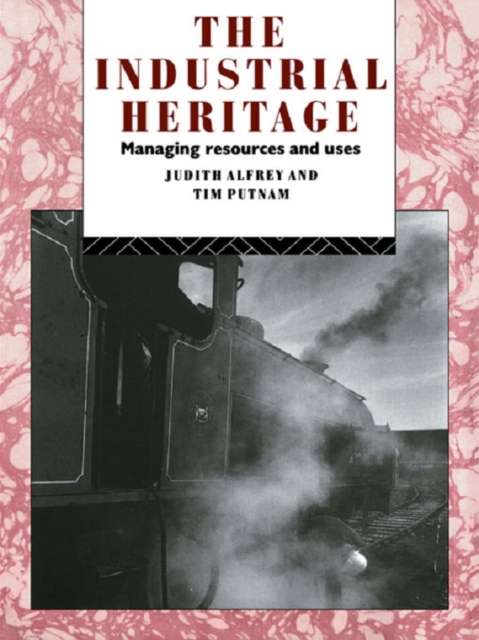
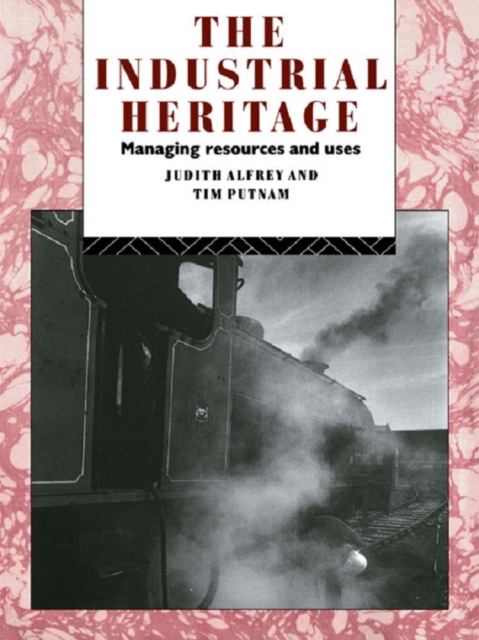
The Industrial Heritage is the first integrated approach to the assessment, conservation, interpretation, financing and management of the complex heritage of industrial cultures.
The Industrial Heritage is the first integrated approach to the assessment, conservation, interpretation, financing and management of the complex heritage of industrial cultures.
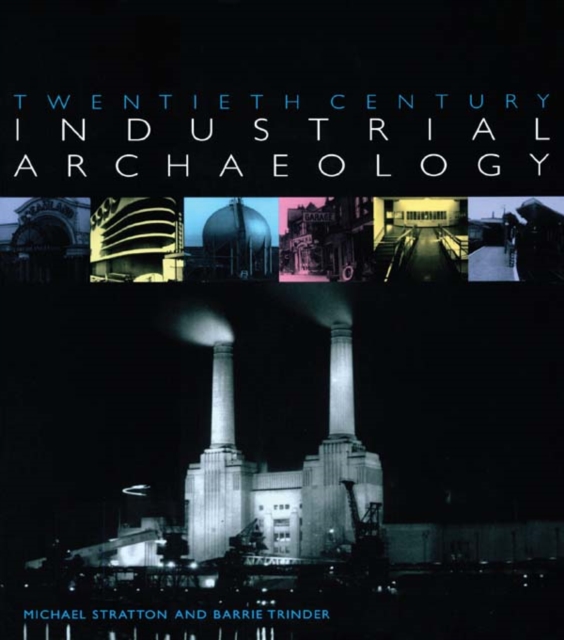
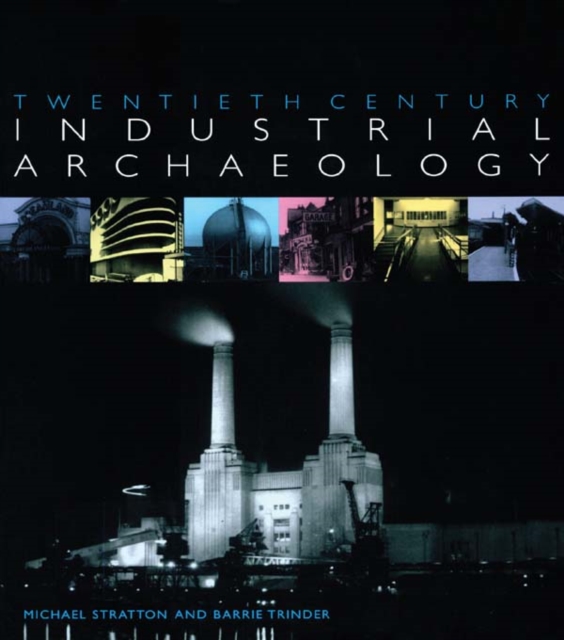
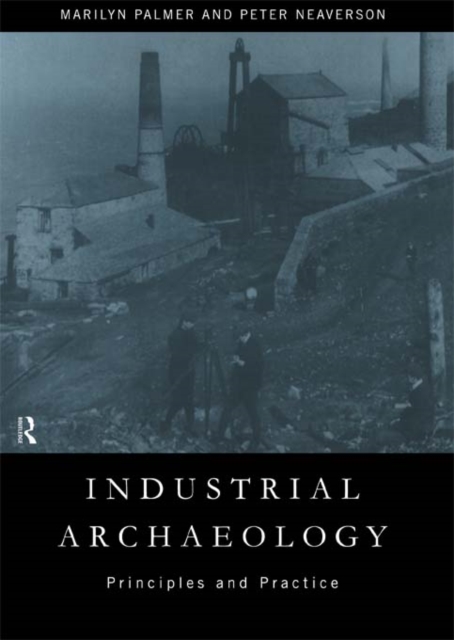
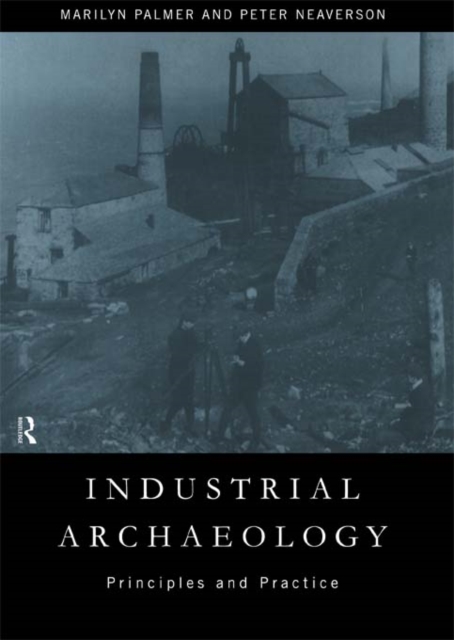
Industrial Archaeology uses the techniques of mainstream archaeological excavation, analysis and interpretation to present an enlightening picture of industrial society.
Industrial Archaeology uses the techniques of mainstream archaeological excavation, analysis and interpretation to present an enlightening picture of industrial society.