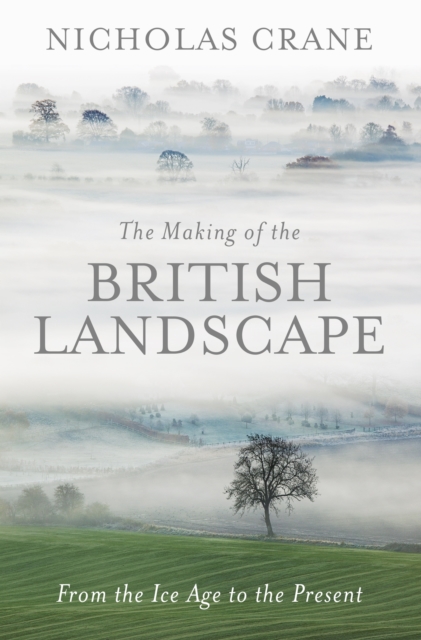
In Home Francis Pryor, author of The Making of the British Landscape, archaeologist and broadcaster, takes us on his lifetime's quest: to discover the origins of family life in prehistoric BritainFrancis Pryor's search for the origins of our island story has been the quest of a lifetime.
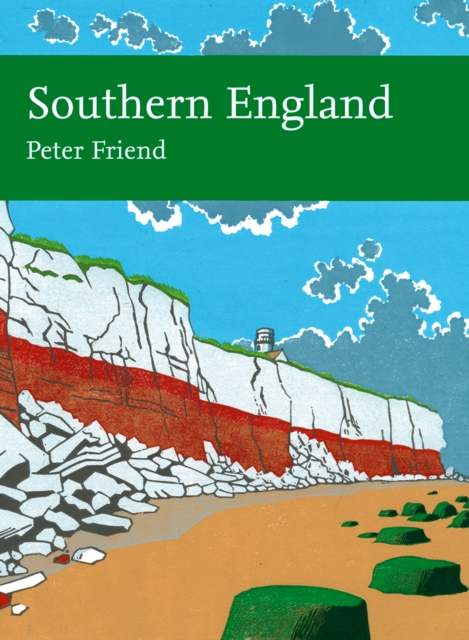
Illustrated with beautifully detailed photographs throughout, New Naturalist Southern England comprehensively explores the formation of these wonderful landscapes that are so universally admired.
All farming in prehistoric Europe ultimately came from elsewhere in one way or another, unlike the growing numbers of primary centers of domestication and agricultural origins worldwide.
'A bold, ambitious and truly wonderful history of the world' Peter Wohlleben, author of The Hidden Life of Trees'A fascinating story and a crucial revision of the momentous importance of tropical forests to human history' Lewis Dartnell, author of Origins_________________________ Jungle tells the remarkable story of the world's tropical forests, from the arrival of the first plants millions of years ago to the role of tropical forests in the evolution of the world's atmosphere, the dinosaurs, the first mammals and even our own species and ancestors.
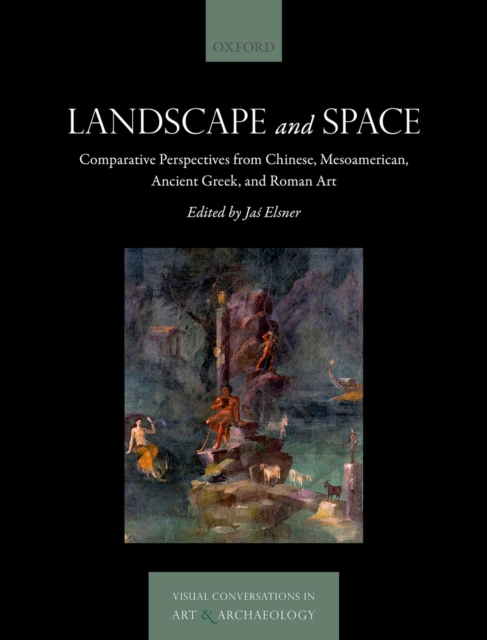
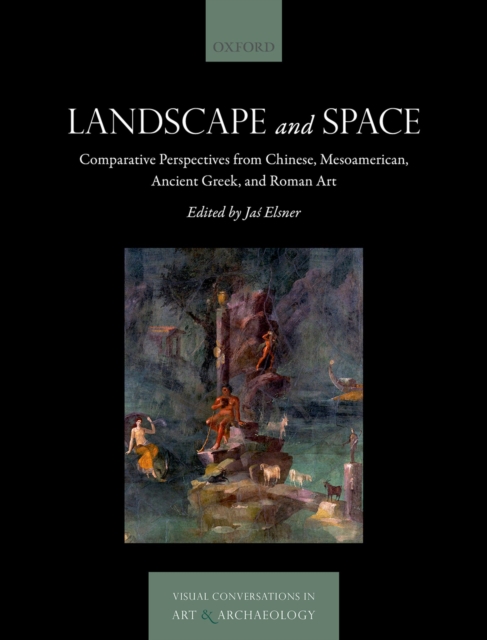
Landscape has been a key theme in world archaeology and trans-cultural art history over the last half century, particularly in the study of painting in art history and in all questions of human intervention and the placement of monuments in the natural world within archaeology.
Landscape has been a key theme in world archaeology and trans-cultural art history over the last half century, particularly in the study of painting in art history and in all questions of human intervention and the placement of monuments in the natural world within archaeology.
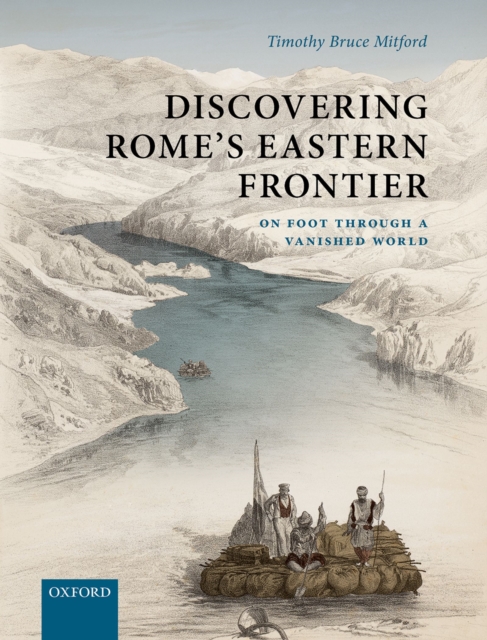
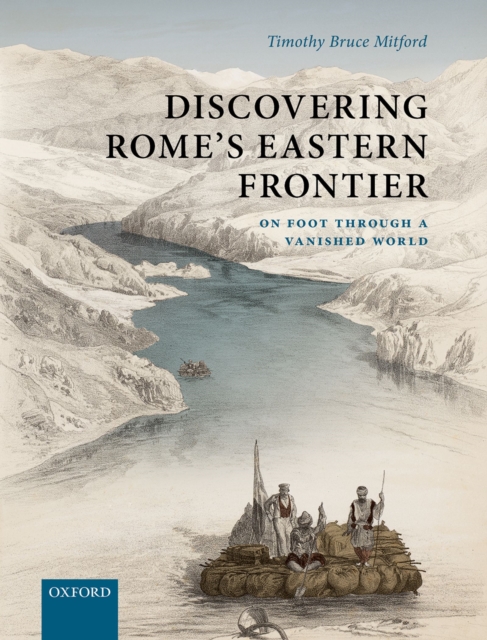
The eastern frontier of the Roman Empire extended from northern Syria to the western Caucasus, across a remote and desolate region 800 miles from the Aegean.
The eastern frontier of the Roman Empire extended from northern Syria to the western Caucasus, across a remote and desolate region 800 miles from the Aegean.
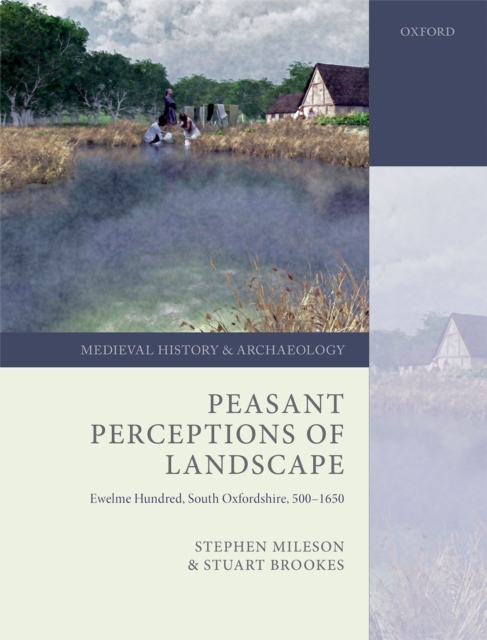
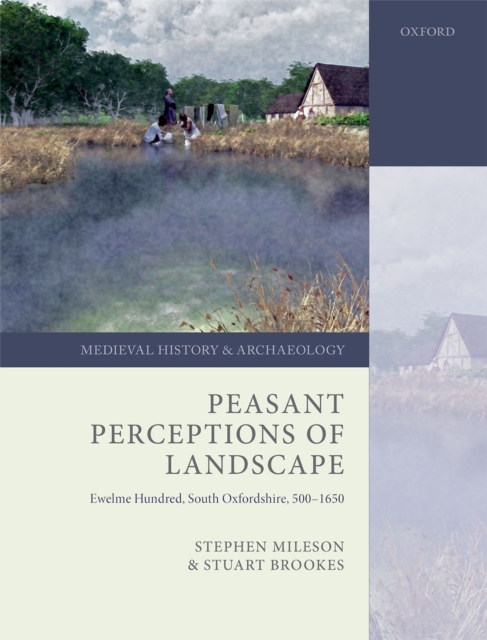
Peasant Perceptions of Landscape marks a change in the discipline of landscape history, as well as making a major contribution to the history of everyday life.
Peasant Perceptions of Landscape marks a change in the discipline of landscape history, as well as making a major contribution to the history of everyday life.
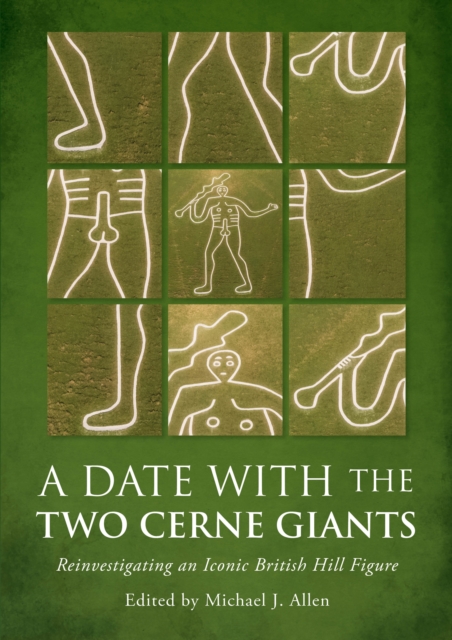
The date of the Cerne Giant has long been a matter for debate, as exemplified by a public and televised debate of March 1996, published as The Cerne Giant: An Antiquity on Trial (1999, Oxbow Books).
Long before the Norman Conquest of 1066, England saw periods of profound change that transformed the landscape and the identities of those who occupied it.
Long before the Norman Conquest of 1066, England saw periods of profound change that transformed the landscape and the identities of those who occupied it.
In popular discourse, tropical forests are synonymous with 'nature' and 'wilderness'; battlegrounds between apparently pristine floral, faunal, and human communities, and the unrelenting industrial and urban powers of the modern world.
In popular discourse, tropical forests are synonymous with 'nature' and 'wilderness'; battlegrounds between apparently pristine floral, faunal, and human communities, and the unrelenting industrial and urban powers of the modern world.
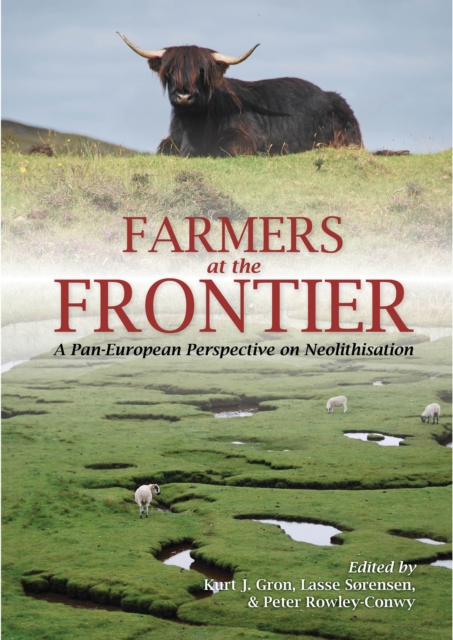
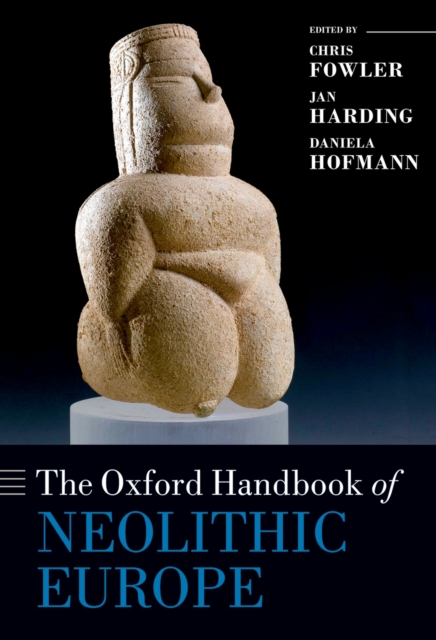
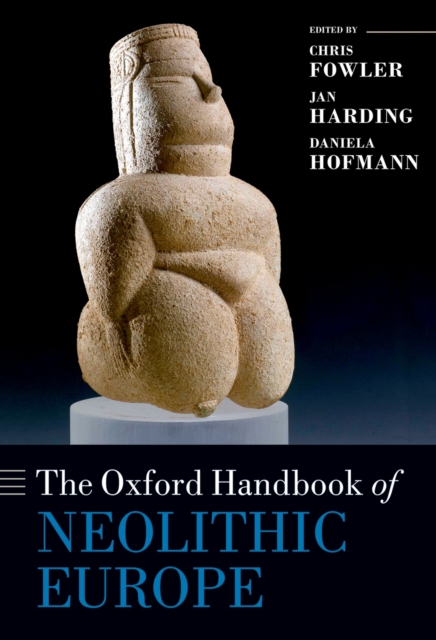
The Neolithic --a period in which the first sedentary agrarian communities were established across much of Europe--has been a key topic of archaeological research for over a century.
The Neolithic --a period in which the first sedentary agrarian communities were established across much of Europe--has been a key topic of archaeological research for over a century.
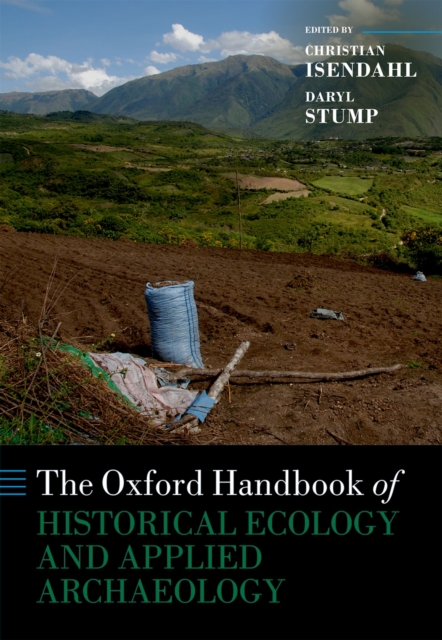
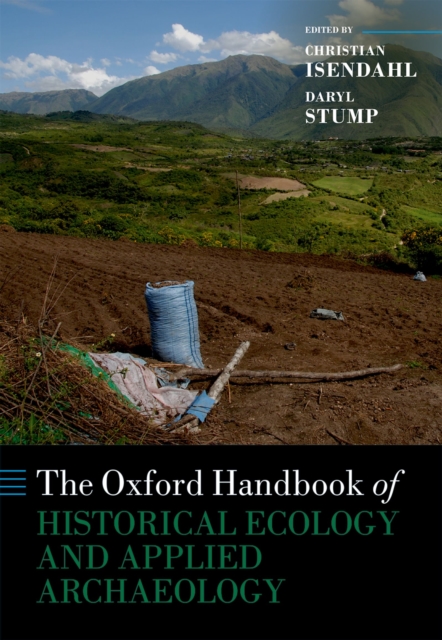
The Oxford Handbook of Historical Ecology and Applied Archaeology presents theoretical discussions, methodological outlines, and case-studies describing the field of overlap between historical ecology and the emerging sub-discipline of applied archaeology to highlight how modern environments and landscapes have been shaped by humans.
The Oxford Handbook of Historical Ecology and Applied Archaeology presents theoretical discussions, methodological outlines, and case-studies describing the field of overlap between historical ecology and the emerging sub-discipline of applied archaeology to highlight how modern environments and landscapes have been shaped by humans.
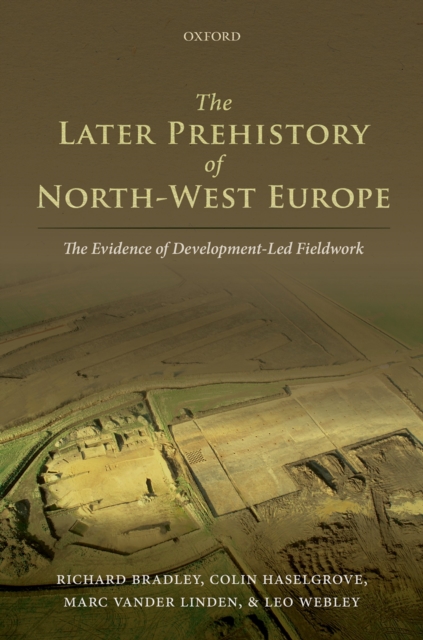
The Later Prehistory of North-West Europe provides a unique, up-to-date, and easily accessible synthesis of the later prehistoric archaeology of north-west Europe, transcending political and language barriers that can hinder understanding.
In the course of the fifth century, the farms and villas of lowland Britain were replaced by a new, distinctive form of rural settlement: the settlements of the Anglo-Saxons.
Why is it that in some places around the world communities live in villages, while elsewhere people live in isolated houses scattered across the landscape?
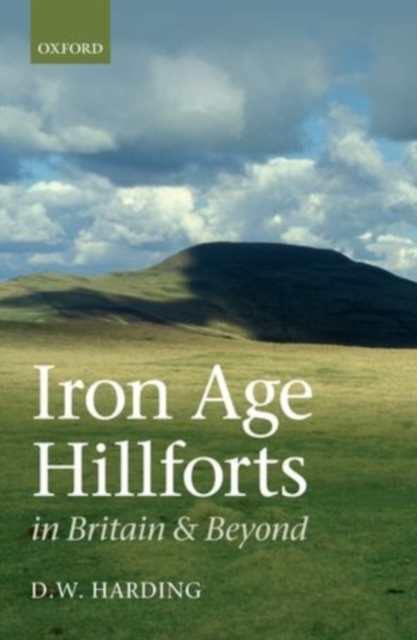
Widely regarded as major visible field monuments of the Iron Age, hillforts are central to an understanding of later prehistoric communities in Britain and Europe from the later Bronze Age.
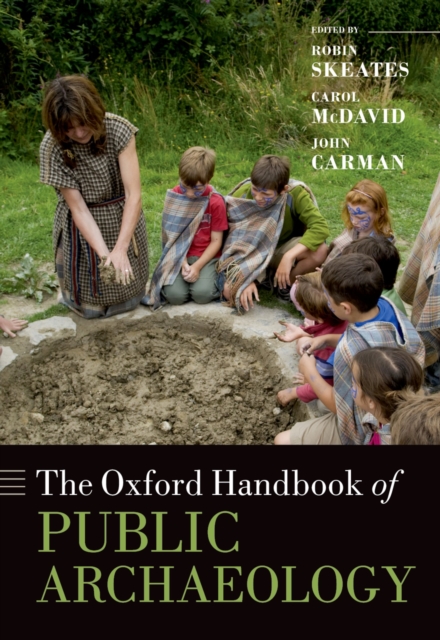
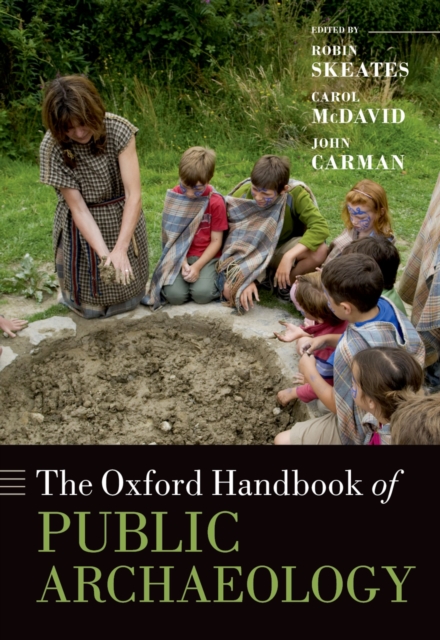
The Oxford Handbook of Public Archaeology seeks to reappraise the place of archaeology in the contemporary world by providing a series of essays that critically engage with both old and current debates in the field of public archaeology.
The Oxford Handbook of Public Archaeology seeks to reappraise the place of archaeology in the contemporary world by providing a series of essays that critically engage with both old and current debates in the field of public archaeology.
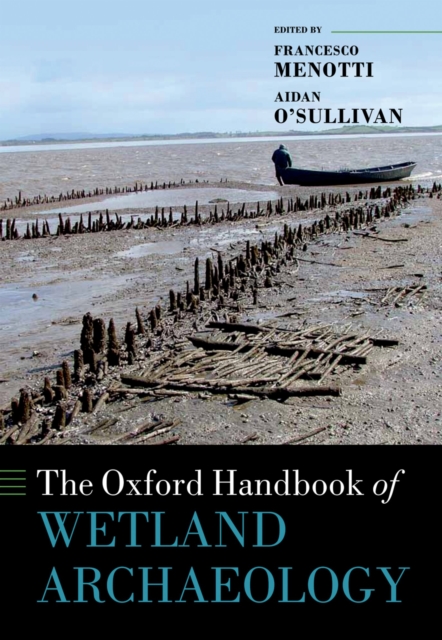
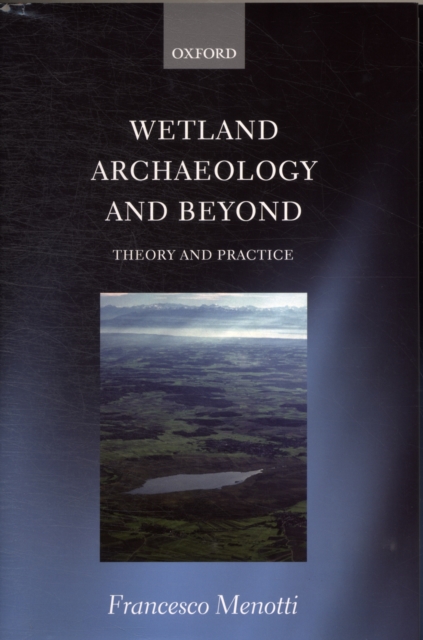
Despite being one of the most successful branches of mainstream archaeology, wetland archaeology, as an academic discipline, is still relatively unknown.
Parks were prominent and, indeed, controversial features of the medieval countryside, but they have been unevenly studied and remain only partly understood.
Archaeologists have long acknowledged the absence of a regular and recurrent burial rite in the British Iron Age, and have looked to rites such as cremation and scattering of remains to explain the minimal impact of funerary practices on the archaeological record.
How people engaged with materials such as clay or stone, why people dug features such as pits, why they decorated their bodies, or treated their dead in certain ways, were all meaningful in the African past.
This volume examines prehistoric copper mining in Europe, from the first use of the metal eight thousand years ago in the Balkans to its widespread adoption during the Bronze Age.
For more than a century, the study of hunting and gathering societies has been central to the development of both archaeology and anthropology as academic disciplines, and has also generated widespread public interest and debate.
For more than a century, the study of hunting and gathering societies has been central to the development of both archaeology and anthropology as academic disciplines, and has also generated widespread public interest and debate.