Aboriginal Maritime Landscapes in South Australia reveals the maritime landscape of a coastal Aboriginal mission, Burgiyana (Point Pearce), in South Australia, based on the experiences of the Narungga community.
The Steamboat Phoenix and the Archaeology of Early Steam Navigation in North America offers an in-depth exploration of the archaeological and cultural aspects of early American steamboat development.
The Steamboat Phoenix and the Archaeology of Early Steam Navigation in North America offers an in-depth exploration of the archaeological and cultural aspects of early American steamboat development.
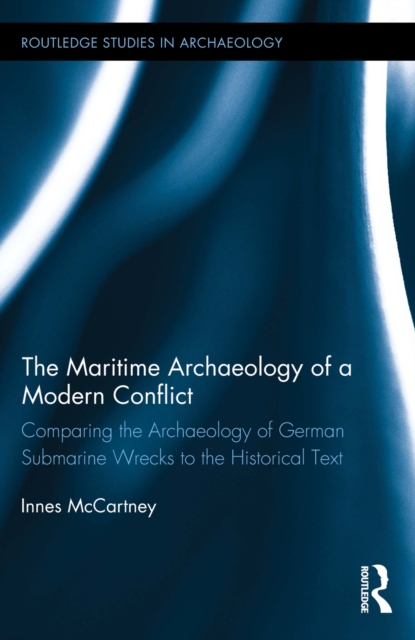
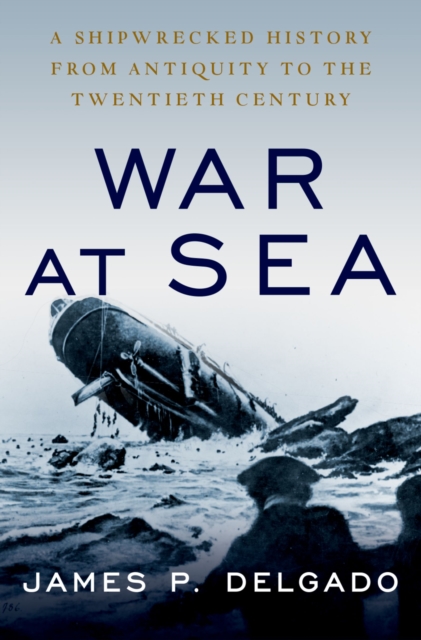
Over the last 30 years, hydrographical marine surveys in the English Channel helped uncover the potential wreck sites of German submarines, or U-boats, sunk during the conflicts of World War I and World War II.
Over the last 30 years, hydrographical marine surveys in the English Channel helped uncover the potential wreck sites of German submarines, or U-boats, sunk during the conflicts of World War I and World War II.
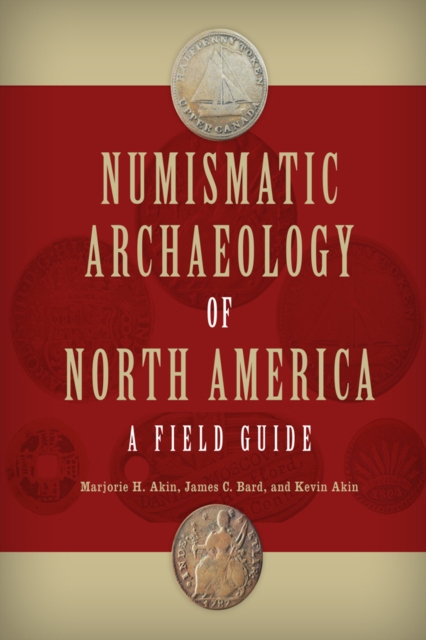
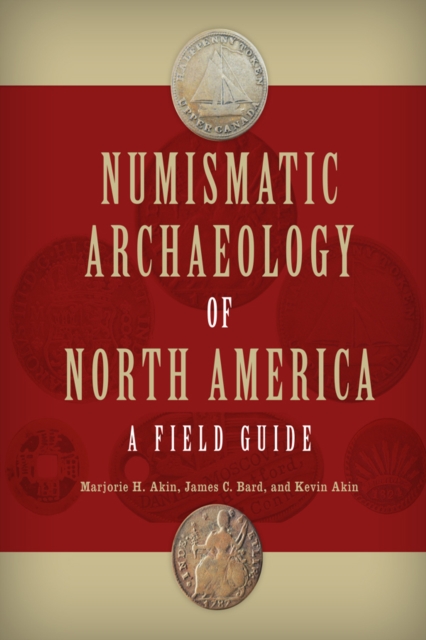
Numismatic Archaeology of North America is the first book to provide an archaeological overview of the coins and tokens found in a wide range of North American archaeological sites.
Numismatic Archaeology of North America is the first book to provide an archaeological overview of the coins and tokens found in a wide range of North American archaeological sites.
The waters of Latin America and the Caribbean are rich with archaeological sites, including coastal settlements, defensive forts, freshwater sources, fishing-related activities, navigational aids, anchorages, harbours, ports, shipbuilding sites, shipwrecks and survivor camps.
The waters of Latin America and the Caribbean are rich with archaeological sites, including coastal settlements, defensive forts, freshwater sources, fishing-related activities, navigational aids, anchorages, harbours, ports, shipbuilding sites, shipwrecks and survivor camps.
The Routledge History of the Modern Maritime World since 1500 provides a wide-ranging set of chapters, covering the sixteenth century to the present, which represent the main lines of current enquiry in maritime history.
Mediterranean Connections focuses on the origin and development of maritime transport containers from the Early Bronze through early Iron Age periods (ca.
This book sets new standards for the documentation of water transport, and introduces styles of boat-building which are unlikely to be found outside the sub-Continent.
This book sets new standards for the documentation of water transport, and introduces styles of boat-building which are unlikely to be found outside the sub-Continent.
Reconstructing a Maritime Past argues that rather than applying geo-ethnic labels to shipwrecks to describe "e;Greek"e; or "e;Roman"e; seafaring, a more intriguing alternative emphasizes a maritime culture's valorization of the Mediterranean Sea.
Reconstructing a Maritime Past argues that rather than applying geo-ethnic labels to shipwrecks to describe "e;Greek"e; or "e;Roman"e; seafaring, a more intriguing alternative emphasizes a maritime culture's valorization of the Mediterranean Sea.
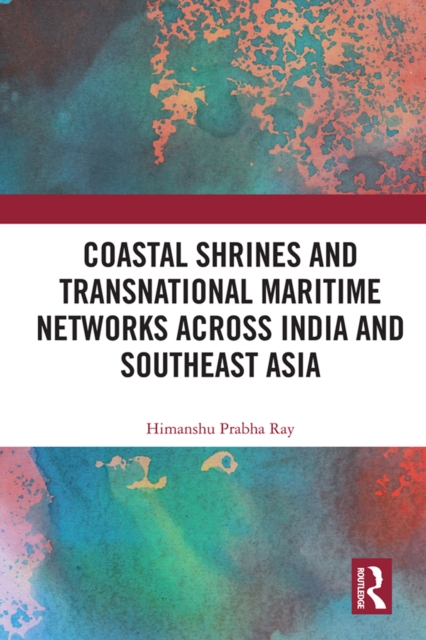
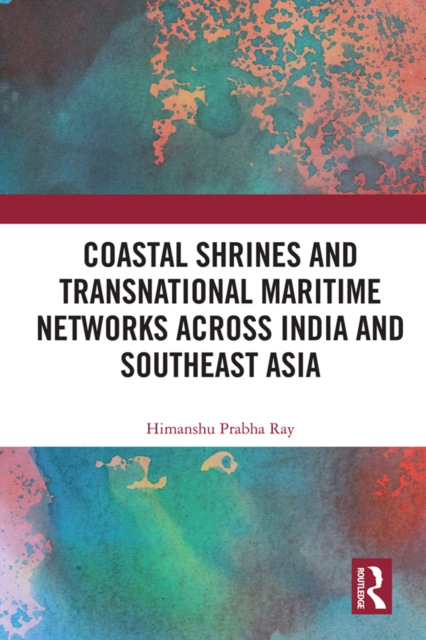
This book breaks new ground by examining trans-oceanic connectivity through the perspective of coastal shrines and maritime cultural landscapes across the Bay of Bengal and the South China Sea.
This book breaks new ground by examining trans-oceanic connectivity through the perspective of coastal shrines and maritime cultural landscapes across the Bay of Bengal and the South China Sea.
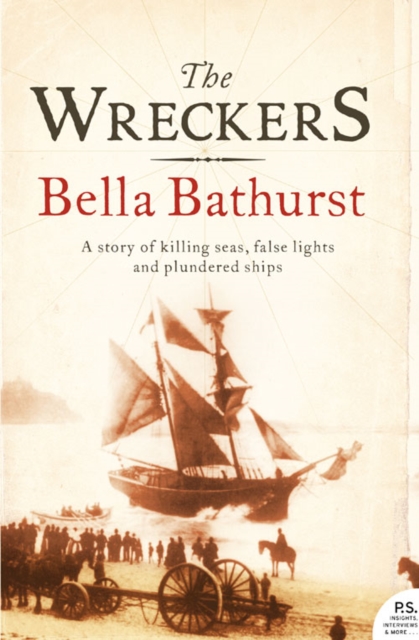
From the bestselling author of 'The Lighthouse Stevensons', a gripping history of the drama and danger of wrecking since the 18th-century - and the often grisly ingenuity of British wreckers, scavengers of the sea.
That seafaring was fundamental to Roman prosperity in the eastern Mediterranean is beyond doubt, but a tendency by scholars to focus on the grandest long-distance movements between major cities has obscured the finer and varied contours of maritime interaction.
That seafaring was fundamental to Roman prosperity in the eastern Mediterranean is beyond doubt, but a tendency by scholars to focus on the grandest long-distance movements between major cities has obscured the finer and varied contours of maritime interaction.