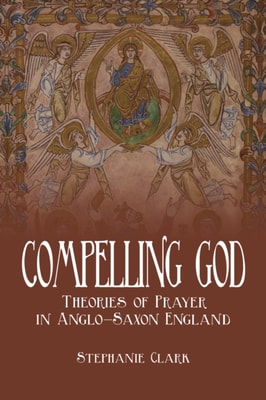
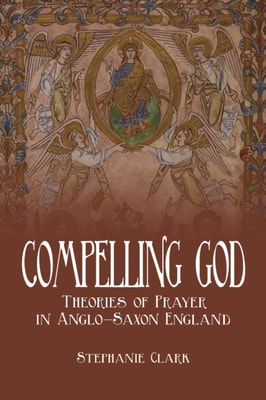
While prayer is generally understood as "e;communion with God"e; modern forms of spirituality prefer "e;communion"e; that is non-petitionary and wordless.
While prayer is generally understood as "e;communion with God"e; modern forms of spirituality prefer "e;communion"e; that is non-petitionary and wordless.
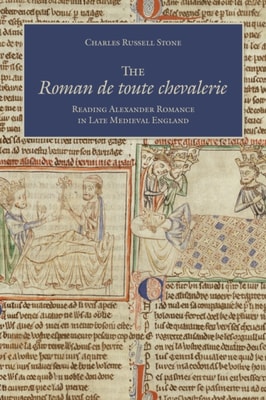
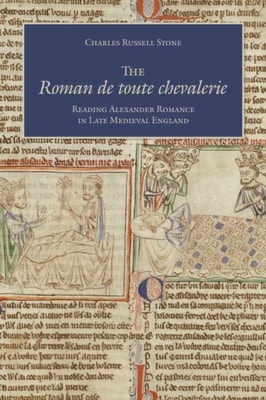
The medieval reception of Alexander the Great inspired a complicated literary corpus not simply because it involved so many source-texts and languages, but because it incorporated such diverse perspectives on the conqueror.
The medieval reception of Alexander the Great inspired a complicated literary corpus not simply because it involved so many source-texts and languages, but because it incorporated such diverse perspectives on the conqueror.
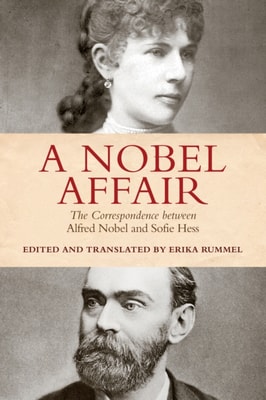
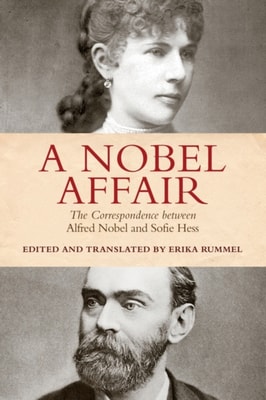
Alfred Nobel made his name as an inventor and successful entrepreneur and left a legacy as a philanthropist and promoter of learning and social progress.
Alfred Nobel made his name as an inventor and successful entrepreneur and left a legacy as a philanthropist and promoter of learning and social progress.
In England in Europe, Elizabeth Tyler focuses on two histories: the Encomium Emmae Reginae, written for Emma the wife of the thelred II and Cnut, and The Life of King Edward, written for Edith the wife of Edward the Confessor.
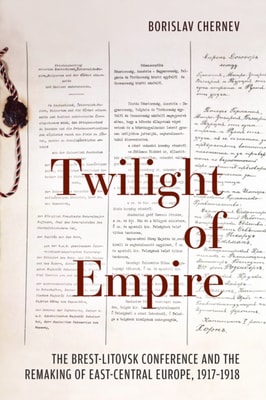
Twilight of Empire is the first book in English to examine the Brest-Litovsk Peace Conference during the later stages of World War I with the use of extensive archival sources.
Twilight of Empire is the first book in English to examine the Brest-Litovsk Peace Conference during the later stages of World War I with the use of extensive archival sources.
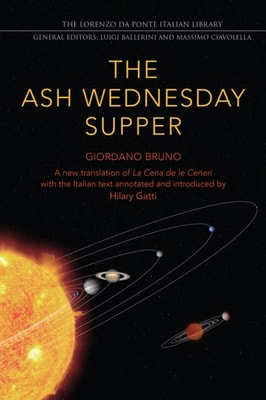
Giordano Bruno's The Ash Wednesday Supper is the first of six philosophical dialogues in Italian that he wrote and published in London between 1584 and 1585.
Giordano Bruno's The Ash Wednesday Supper is the first of six philosophical dialogues in Italian that he wrote and published in London between 1584 and 1585.
Prehistoric Subsistence on the Southern New England Coast examines long-term trends in prehistoric subsistence in the Narragensett Bay region of Southern New England.
This book introduces archaeologists to the most important quantitative methods, from the initial description of archaeological data to techniques of multivariate analysis.
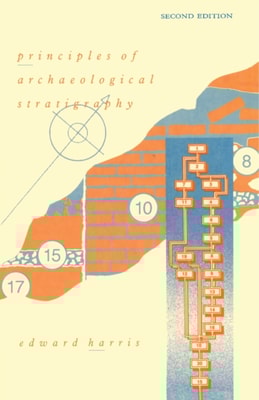
Practices of Archaeological Stratigraphy brings together a number of examples which illustrate the development and use of the Harris Matrix in describing and interpreting archaeological sites.
Human remains and society presents a groundbreaking account of the treatment and commemoration of dead bodies resulting from incidents of genocide and mass violence.
This book describes the approaches and techniques of paleoethnobotany--the study of the interrelationships between human populations and the plant world through the archaeological record.
Advances in Archaeological Method and Theory, Volume 8 is a collection of papers that discusses postprocessual archaeology, bone technology, and tree-ring dating in Eastern North America.
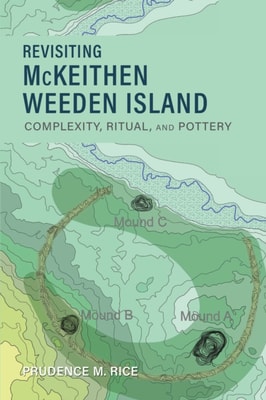
Reassesses the ancient Indigenous McKeithen site in northern Florida in light of new data, analyses, and theories Revisiting McKeithen Weeden Island further illuminates an Indigenous Late Woodland (ca.
This collection includes thirty-six important recent works on the effects of pollutants on heritage sites, including thirty papers delivered to the Seville International Workshop on Air Pollution and Cultural Heritage in 2003, and six invited new additions.
The well-preserved archaeological site at Oldeholtwolde in the Netherlands was inhabited by a small group of people during the last Ice Age, some 13,000 years ago.
Although many archaeologists have a good understanding of the basics in computer science, statistics, geostatistics, modeling, and data mining, more literature is needed about the advanced analysis in these areas.
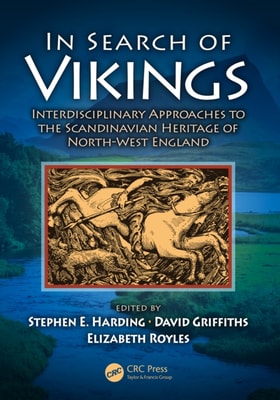
This book presents a collection of papers from experts in a broad range of disciplines, including history, archaeology, genetics, and linguistics, to provide a detailed understanding of the Vikings in peace and in war.
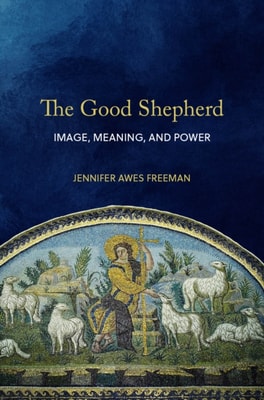
A statuette of Egyptian King Pepi formidably wielding a shepherd's crook stands in stark contrast to a fresco of an unassuming Orpheus-like youth gently hoisting a sheep around his shoulders.