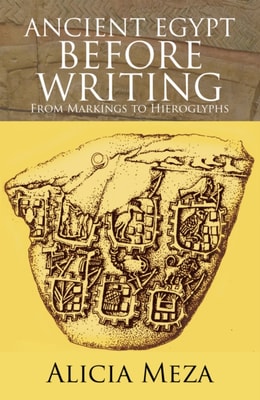
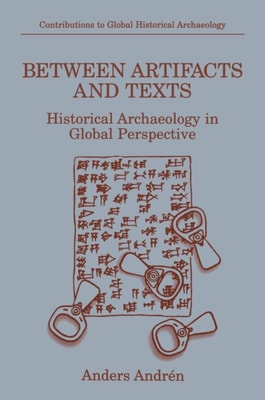
An investigation is made here of a marking and counting system used in Ancient Egypt similar to the one existing in Mesopotamia, during the fourth millennium BCE.
In 1932, at age four, Alice moved with her family of five in the dilapidated house on the hill, above the creek bed where hobos, weary of riding the rails looking for work, often camped.
This companion analyzes, frames, and provokes race in insightful ways that center non white communities' artistic and visual expression in the early modern period, rather than presenting the bias of European artistic and visual depictions of the colonization, enslavement, and subordination of People of Color.
Mothering and Archaeology brings to light new insights connecting mothering in the past and present by exploring all aspects of this important but frequently under-valued and thus neglected subject and is underpinned by feminist theorizing of motherhood and mothering.
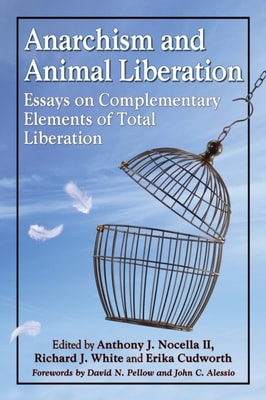
Building upon anarchist critiques of racism, sexism, ableism and classism, this collection of new essays melds anarchism with animal advocacy in arguing that speciesism is an ideological and social norm rooted in hierarchy and inequality.
This greatly expanded and revised edition contains more than 1,000 entries, covering everything from common everyday foods to the latest in genetic research--and beyond.
Since World War II, there has been tremendous success in the development of new methods for dating artifacts; the so-called `radiocarbon revolution' was only the first such discovery.
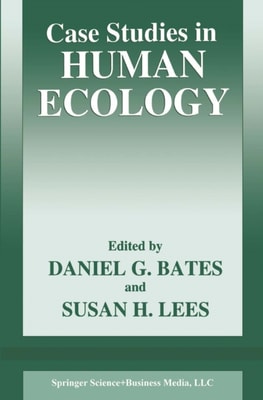
This volume was developed to meet a much noted need for accessible case study material for courses in human ecology, cultural ecology, cultural geography, and other subjects increasingly offered to fulfill renewed student and faculty interest in environmental issues.
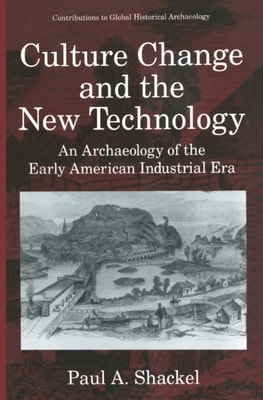
Harpers Ferry was one of America's earliest and most significant industrial communities - serving as an excellent example of the changing patterns of human relations that led to dramatic progress in work life and in domestic relations in modern times.
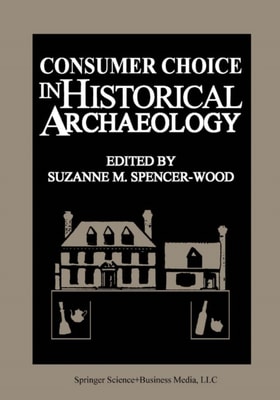
More than any other category of evidence, ceramics ofters archaeologists their most abundant and potentially enlightening source of information on the past.
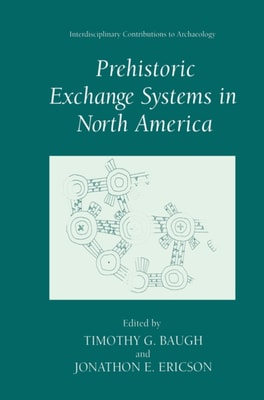
Archaeological research on interregional interaction processes has recently reasserted itself after a long hiatus following the eclipse of diffusion studies.
A modern, comprehensive compilation of more than 7,000 entries covering themes, concepts, and discoveries in archaeology written in nontechnical language and tailored to meet the needs of professionals, students and general readers.
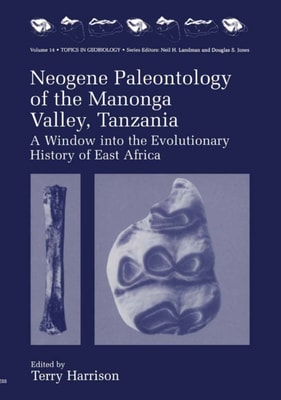
Contributions to this volume detail paleontologic research in Manonga Valley, and shed important light on the evolutionary development of eastern Africa.
Offering the most comprehensive study of southern Jordan, this illuminating account presents detailed data from over a hundred archaeological sites stretching from the Lower Paleotlithic to the Chalcolithic periods.
From Berlin to Boston, and St Petersburg to Sydney, ancient Egyptian art fills the galleries of some of the world's greatest museums, while the architecture of Egyptian temples and pyramids has attracted tourists to Egypt for centuries.
Lara Douds examines the practical functioning and internal political culture of the early Soviet government cabinet, the Council of People's Commissars (Sovnarkom), under Lenin.
Lara Douds examines the practical functioning and internal political culture of the early Soviet government cabinet, the Council of People's Commissars (Sovnarkom), under Lenin.
Over recent decades, almost every area of historical study has seen its global turn – from consumption to finance, from politics to migration, from social order to cultural patterns.
Over recent decades, almost every area of historical study has seen its global turn – from consumption to finance, from politics to migration, from social order to cultural patterns.
This book reconsiders how we can understand archaeology on a grand scale by abandoning the claims that material remains stand for the people and institutions that produced them, or that genetic change somehow caused cultural change.
This book reconsiders how we can understand archaeology on a grand scale by abandoning the claims that material remains stand for the people and institutions that produced them, or that genetic change somehow caused cultural change.