In this powerful study the distinguished social anthropologist Alan Barnard addresses the fundamental questions surrounding the evolution of human society.
In this powerful study the distinguished social anthropologist Alan Barnard addresses the fundamental questions surrounding the evolution of human society.
This book examines the design process of classical architecture, exploring how the techniques of drawing developed for architecture subsequently shaped representations of the universe.
This book examines the design process of classical architecture, exploring how the techniques of drawing developed for architecture subsequently shaped representations of the universe.
In this book, the authors examine manifestations of transmedia storytelling in different historical periods and countries, spanning the UK, the US and Argentina.
Using the example of prehistoric paintings discovered in the late 19th century in Spain and France Cave Art, Perception and Knowledge inquires into epistemic questions related to images, depicting and perception that this rich material has given rise to.
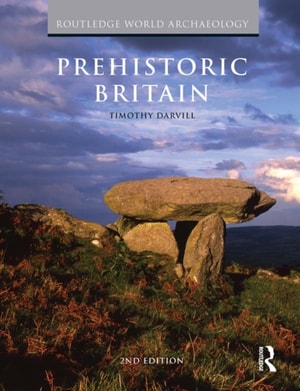
Britain has been inhabited by humans for over half a million years, during which time there were a great many changes in lifestyles and in the surrounding landscape.
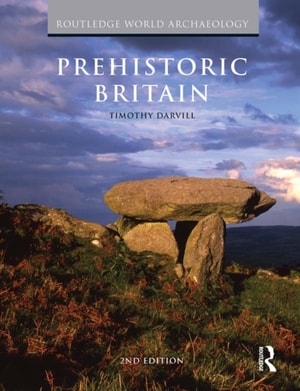
Britain has been inhabited by humans for over half a million years, during which time there were a great many changes in lifestyles and in the surrounding landscape.
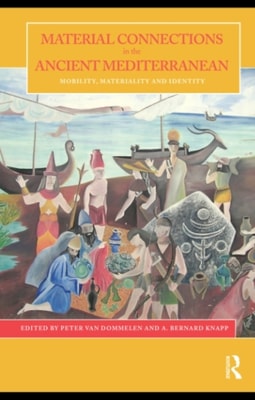
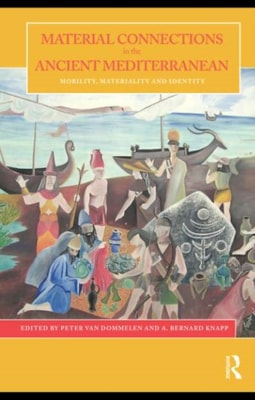
Material Connections eschews outdated theory, tainted by colonialist attitudes, and develops a new cultural and historical understanding of how factors such as mobility, materiality, conflict and co-presence impacted on the formation of identity in the ancient Mediterranean.
Material Connections eschews outdated theory, tainted by colonialist attitudes, and develops a new cultural and historical understanding of how factors such as mobility, materiality, conflict and co-presence impacted on the formation of identity in the ancient Mediterranean.
Methodologies and legislative frameworks regarding the archaeological excavation, retrieval, analysis, curation and potential reburial of human skeletal remains differ throughout the world.
Methodologies and legislative frameworks regarding the archaeological excavation, retrieval, analysis, curation and potential reburial of human skeletal remains differ throughout the world.
Archaeology: An Introduction looks behind the popular aspects of archaeology such as the discovery and excavation of sites, the study of human remains and animal bones, radiocarbon dating, museums and 'heritage' displays, and reveals the methods used by archaeologists.
Archaeology: An Introduction looks behind the popular aspects of archaeology such as the discovery and excavation of sites, the study of human remains and animal bones, radiocarbon dating, museums and 'heritage' displays, and reveals the methods used by archaeologists.
Since its first publication, Field Archaeology: An Introduction has proved to be a key handbook for all those undertaking introductory courses in archaeology or volunteering on their first excavation.
Since its first publication, Field Archaeology: An Introduction has proved to be a key handbook for all those undertaking introductory courses in archaeology or volunteering on their first excavation.
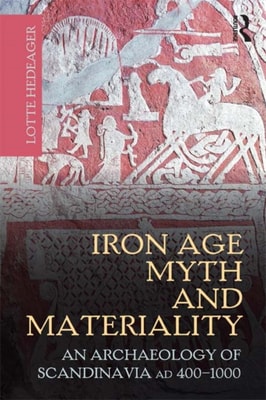
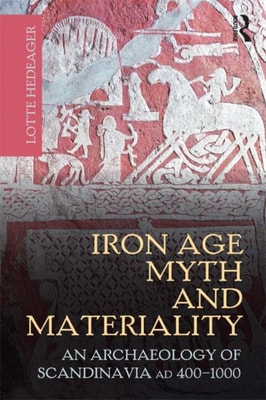
Iron Age Myth and Materiality: an Archaeology of Scandinavia AD 400-1000 considers the relationship between myth and materiality in Scandinavia from the beginning of the post-Roman era and the European Migrations up until the coming of Christianity.
Iron Age Myth and Materiality: an Archaeology of Scandinavia AD 400-1000 considers the relationship between myth and materiality in Scandinavia from the beginning of the post-Roman era and the European Migrations up until the coming of Christianity.
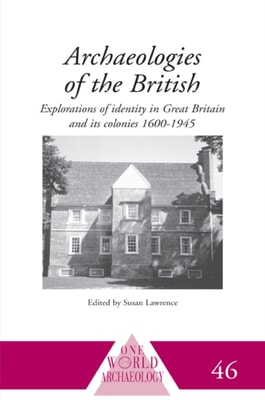
Beginning with the early English colonisation of Ireland and Virginia, the international range of contributors in Archaeology of the British examine the interplay of objects and identity in Scotland and Wales, regional England, Canada, Australia, South Africa, Cyprus, and Sri Lanka.
The roots of our modern world lie in the civilization of Mesopotamia, which saw the development of the first urban society and the invention of writing.
The roots of our modern world lie in the civilization of Mesopotamia, which saw the development of the first urban society and the invention of writing.
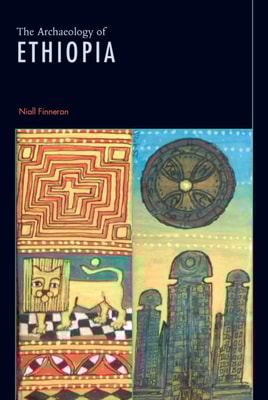
This book provides the first truly comprehensive multi-period study of the archaeology of Ethiopia, surveying the country's history, detailing the discoveries from the late Stone Age, including the famous 'Lucy' and moving onto the emergence of food production, prehistoric rock art and an analysis of the increasing social complexity that can be obs