DISCOVER MULTI-MILLION-COPY BESTSELLING BOOK THAT TURNED HISTORY ON ITS HEAD Arresting and audacious Daily MailPart intellectual detective story, part history book, Fingerprints of the Gods directs probing questions at orthodox history, presenting disturbing new evidence that historians have tried - but failed - to explain.
A radical rethinking of the Anglo-Saxon world that draws on the latest archaeological discoveriesThis beautifully illustrated book draws on the latest archaeological discoveries to present a radical reappraisal of the Anglo-Saxon built environment and its inhabitants.
Divination and Human Nature casts a new perspective on the rich tradition of ancient divination-the reading of divine signs in oracles, omens, and dreams.
The best-selling author of Why the West Rules-for Now examines the evolution and future of human values Most people in the world today think democracy and gender equality are good, and that violence and wealth inequality are bad.
Despite what history has taught us about imperialism's destructive effects on colonial societies, many classicists continue to emphasize disproportionately the civilizing and assimilative nature of the Roman Empire and to hold a generally favorable view of Rome's impact on its subject peoples.
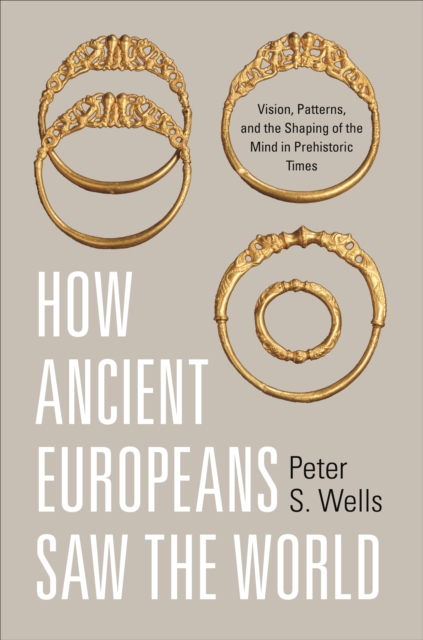
A revolutionary approach to how we view Europe's prehistoric cultureThe peoples who inhabited Europe during the two millennia before the Roman conquests had established urban centers, large-scale production of goods such as pottery and iron tools, a money economy, and elaborate rituals and ceremonies.
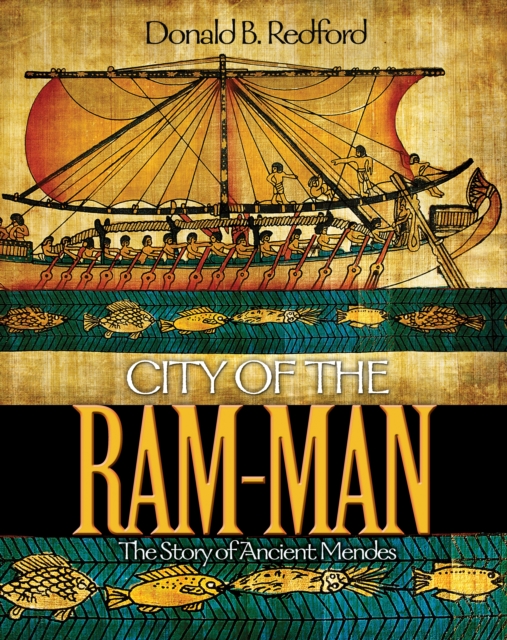
A richly illustrated history that sheds light on ancient Egypt across the millenniaIn this richly illustrated book, renowned archaeologist Donald Redford draws on the latest discoveries-including many of his own-to tell the story of the ancient Egyptian city of Mendes, home of the mysterious cult of the "e;fornicating ram who mounts the beauties.
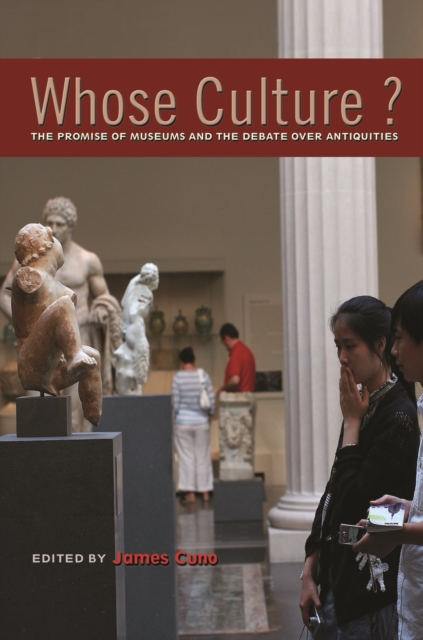
The international controversy over who "e;owns"e; antiquities has pitted museums against archaeologists and source countries where ancient artifacts are found.
WINNER OF THE WAINWRIGHT PRIZE FOR CONSERVATION 2023The Sunday Times Science Book of the YearAs seen on Countryfile'If anyone was born to save Britain's rainforests, it was Guy Shrubsole' Sunday TimesShortlisted for the Richard Jefferies Society Literary PrizeTemperate rainforest may once have covered up to one-fifth of Britain, inspiring Celtic druids, Welsh wizards, Romantic poets, and Arthur Conan Doyle's most loved creations.
A rich, discovery-filled history that tells how a forgotten empire transformed the ancient worldIn the late 8th and early 7th centuries BCE, Scythian warriors conquered and unified most of the vast Eurasian continent, creating an innovative empire that would give birth to the age of philosophy and the Classical age across the ancient worldin the West, the Near East, India, and China.
How the interactions of non-elites influenced Athenian material culture and societyThe seventh century BC in ancient Greece is referred to as the Orientalizing period because of the strong presence of Near Eastern elements in art and culture.
A comprehensive and richly illustrated history of one of the most important athletic, religious, and political sites in the ancient Greek and Roman worldThe memory of ancient Olympia lives on in the form of the modern Olympic Games.
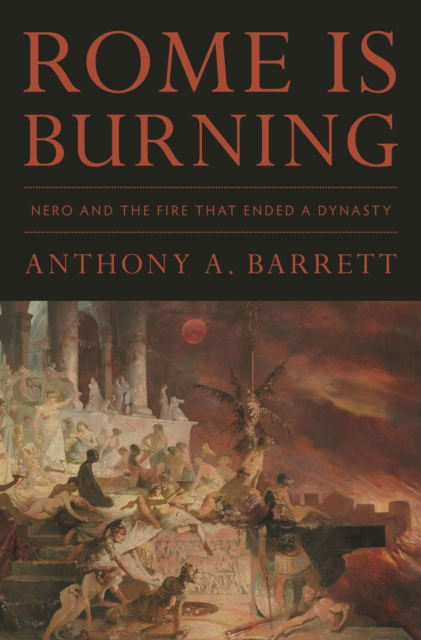
Drawing on new archaeological evidence, an authoritative history of Rome's Great Fire-and how it inflicted lasting harm on the Roman EmpireAccording to legend, the Roman emperor Nero set fire to his majestic imperial capital on the night of July 19, AD 64 and fiddled while the city burned.
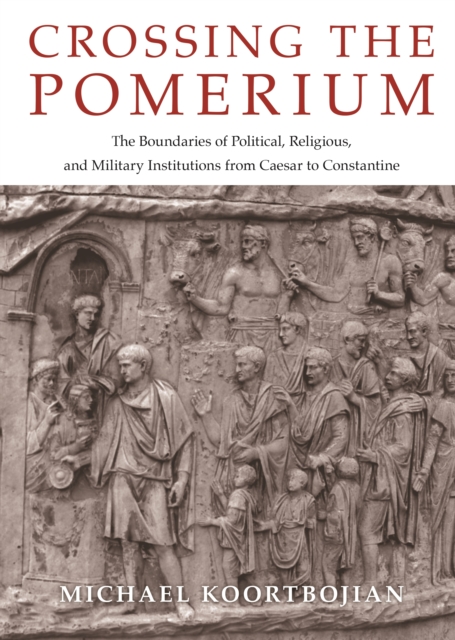
A multifaceted exploration of the interplay between civic and military life in ancient RomeThe ancient Romans famously distinguished between civic life in Rome and military matters outside the city-a division marked by the pomerium, an abstract religious and legal boundary that was central to the myth of the city's foundation.
A new account of the famous site and story of the last stand of a group of Jewish rebels who held out against the Roman EmpireTwo thousand years ago, 967 Jewish men, women, and childrenthe last holdouts of the revolt against Rome following the fall of Jerusalem and the destruction of the Second Templereportedly took their own lives rather than surrender to the Roman army.
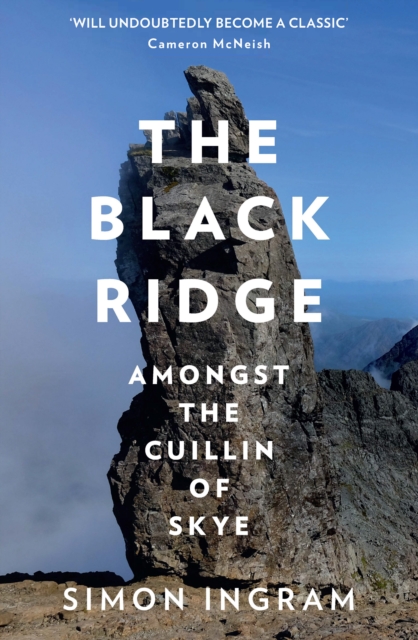
'Will undoubtedly become a classic narrative of this scenically magnificent, legend-rich and geologically unique part of Scotland' Cameron McNeish, The HeraldRising a kilometre out of the storm-scoured waters around Scotland's Isle of Skye is a dark battlement of pinnacles and ridgelines: the Cuillin.
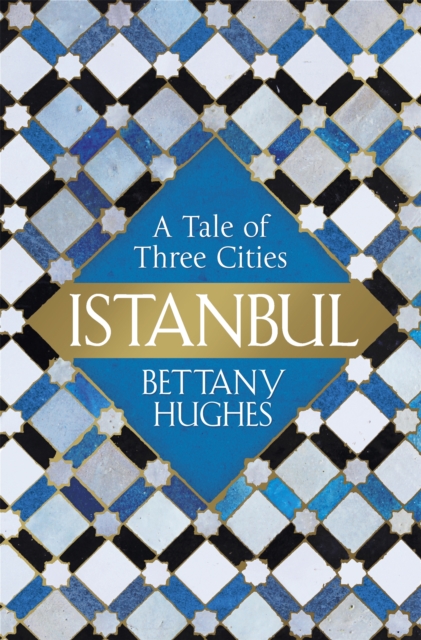
THE SUNDAY TIMES BESTSELLER'Life-filled and life-affirming history, steeped in romance and written with verve' GUARDIAN'Richly entertaining and impeccably researched' Peter FrankopanIstanbul has always been a place where stories and histories collide and crackle, where the idea is as potent as the historical fact.
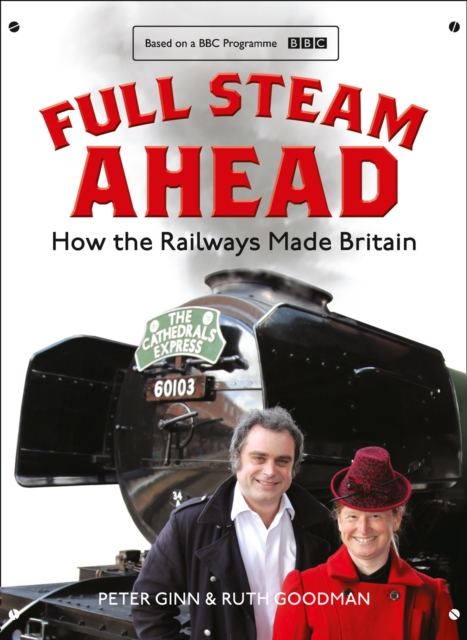
The Age of Railways was an era of extraordinary change which utterly transformed every aspect of British life - from trade and transportation to health and recreation.
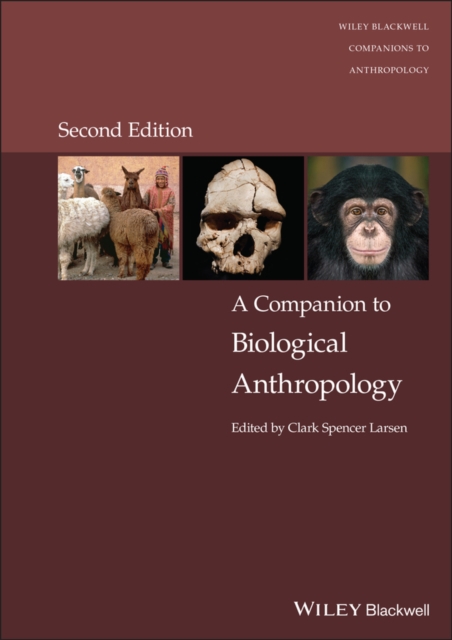
A Companion to Biological Anthropology The discipline of biological anthropology the study of the variation and evolution of human beings and their evolutionary relationships with past and living hominin and primate relatives has undergone enormous growth in recent years.
'The who, what, where, when and how of human evolution, from one of the world's experts on the dating of prehistoric fossils' Steve Brusatte, author of The Rise and Fall of the Dinosaurs 'Fascinating and entertaining.
THE NEW YORK TIMES BESTSELLER AND SUNDAY TIMES, OBSERVER AND BBC HISTORY BOOK OF THE YEARFINALIST FOR THE ORWELL PRIZE FOR POLITICAL WRITING 2022'Pacey and potentially revolutionary' Sunday Times 'Iconoclastic and irreverent .
The Secret Museum is a unique treasure trove of the most intriguing artifacts hidden away in museum archives from all over the world - curated, brought to light, and brought to life by Molly Oldfield in a beautifully illustrated collection.