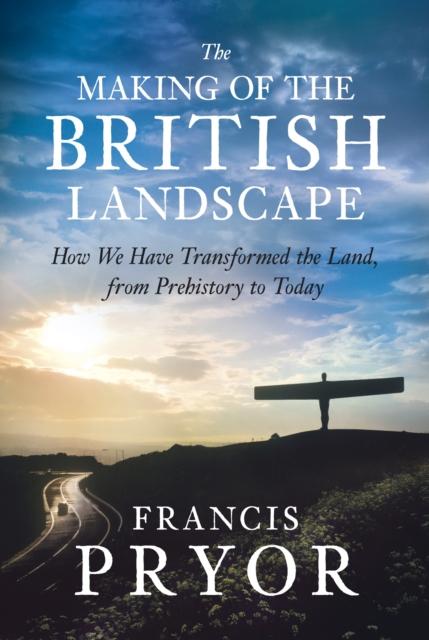
In Home Francis Pryor, author of The Making of the British Landscape, archaeologist and broadcaster, takes us on his lifetime's quest: to discover the origins of family life in prehistoric BritainFrancis Pryor's search for the origins of our island story has been the quest of a lifetime.
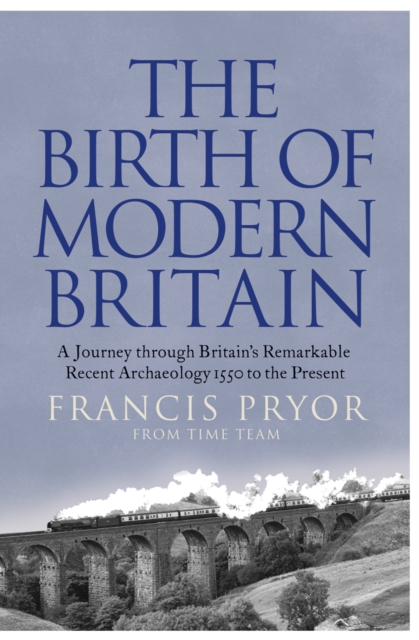
From the author of 'Britain BC', 'Britain AD' and 'Britain in the Middle Ages' comes the fourth and final part in a critically acclaimed series on Britain's hidden past.
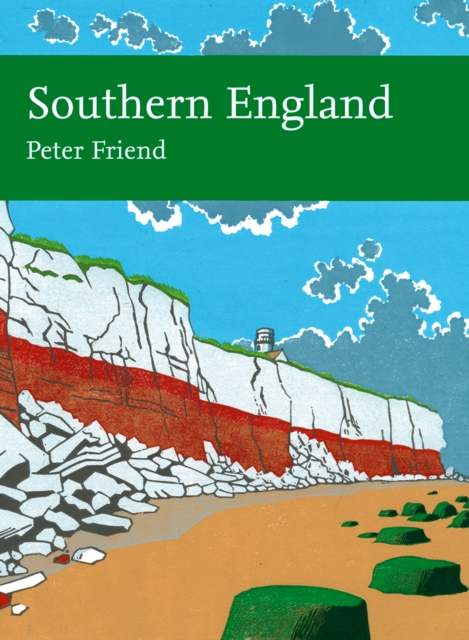
Illustrated with beautifully detailed photographs throughout, New Naturalist Southern England comprehensively explores the formation of these wonderful landscapes that are so universally admired.
The Broads discusses the history of the Broads, the waters in the past and the waters now, the people who come into contact with and influence these waterways, and what the future holds for this small but important area of the countryside.
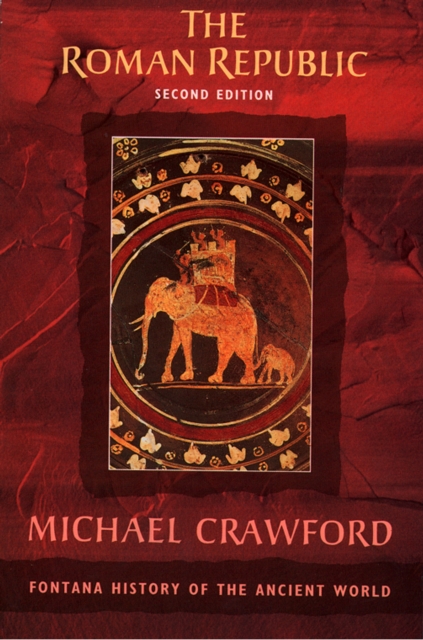
Between the Sack of Rome by the Gauls in 390 BC and the middle of the second century BC, a part-time army of Roman peasants, under the leadership of the ruling oligarchy, conquered first Italy and then the whole of the Mediterranean.
A lively and authoritative investigation into the lives of our ancestors, based on the revolution in the field of Bronze Age archaeology which has been taking place in Norfolk and the Fenlands over the last twenty years, and in which the author has played a central role.
THE SUNDAY TIMES BESTSELLER & THE TIMES HISTORY BOOK OF 2021'Astonishing and compelling' Bernard Cornwell'This superb book is like a classical symphony, perfectly composed and exquisitely performed' THE TIMES Books of the Year Follow bioarchaeologist Cat Jarman - and the cutting-edge forensic techniques central to her research - as she uncovers epic stories of the Viking age and follows a small 'Carnelian' bead found in a Viking grave in Derbyshire to its origins thousands of miles to the east in Gujarat.
With his groundbreaking findings and extensive research, palaeontologist and dino hunter Dr Phil Currie challenges the very foundations of traditional dinosaur theories.
From the best-selling author of THE DINOSAUR HUNTERS and THE LOST KING OF FRANCE comes the story of how our modern world was forged - in rivets, grease and steam; in blood, sweat and human imagination.
From the bestselling author of 'The Lighthouse Stevensons', a gripping history of the drama and danger of wrecking since the 18th-century - and the often grisly ingenuity of British wreckers, scavengers of the sea.
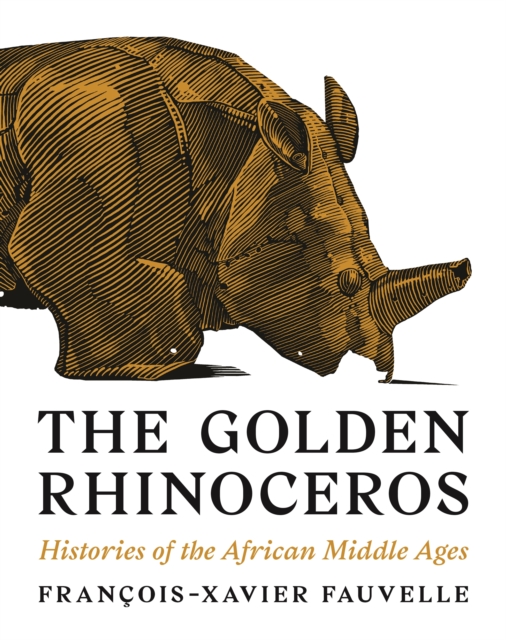
A leading historian reconstructs the forgotten history of medieval AfricaFrom the birth of Islam in the seventh century to the voyages of European exploration in the fifteenth, Africa was at the center of a vibrant exchange of goods and ideas.
'A bold, ambitious and truly wonderful history of the world' Peter Wohlleben, author of The Hidden Life of Trees'A fascinating story and a crucial revision of the momentous importance of tropical forests to human history' Lewis Dartnell, author of Origins_________________________ Jungle tells the remarkable story of the world's tropical forests, from the arrival of the first plants millions of years ago to the role of tropical forests in the evolution of the world's atmosphere, the dinosaurs, the first mammals and even our own species and ancestors.
Discover and explore the most incredible statues, monuments, temples, bridges, and ancient cities with this unparalleled survey of the most famous buildings and structures ever created by humans.
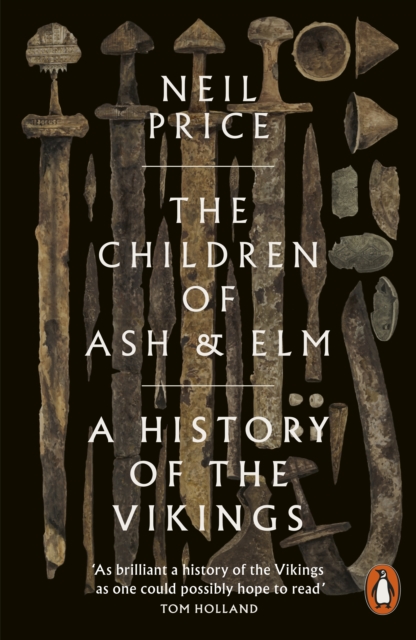
A TIMES BOOK OF THE YEAR'As brilliant a history of the Vikings as one could possibly hope to read' Tom HollandThe 'Viking Age' is traditionally held to begin in June 793 when Scandinavian raiders attacked the monastery of Lindisfarne in Northumbria, and to end in September 1066, when King Harald Hardrada of Norway died leading the charge against the English line at the Battle of Stamford Bridge.
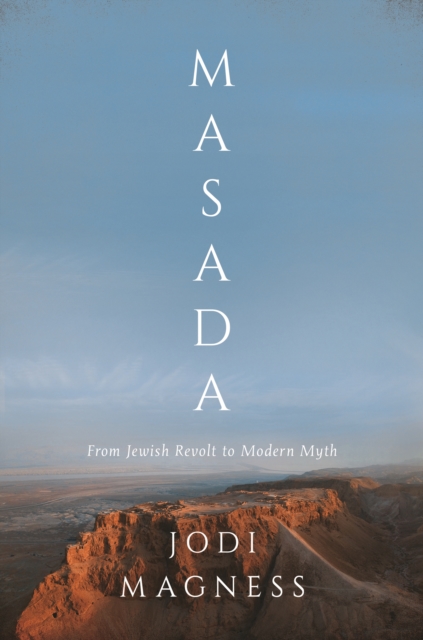
A new account of the famous site and story of the last stand of a group of Jewish rebels who held out against the Roman EmpireTwo thousand years ago, 967 Jewish men, women, and childrenthe last holdouts of the revolt against Rome following the fall of Jerusalem and the destruction of the Second Templereportedly took their own lives rather than surrender to the Roman army.
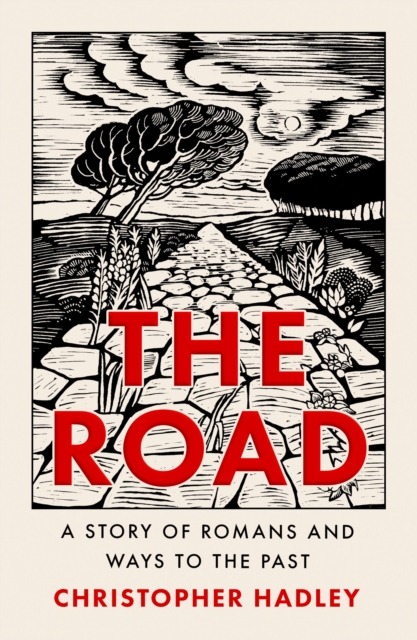
A TIMES BOOK OF THE YEAR'An absolute joy to read and an early contender for every list of History Books of the Year' Sunday Telegraph'On nearly every page a random passage takes one's breath away' The TimesHave you ever heard the march of legions on a lonely country road?
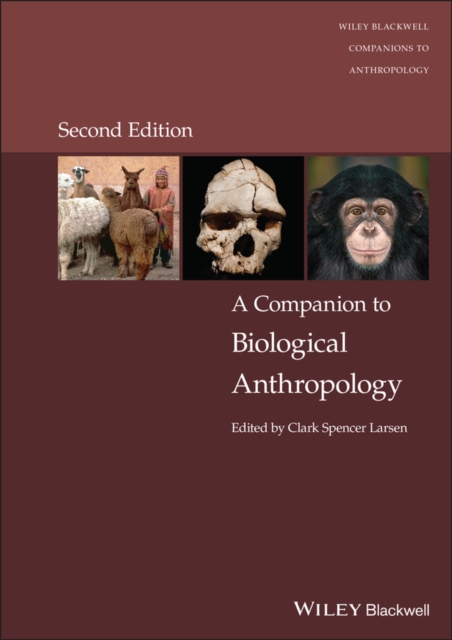
A Companion to Biological Anthropology The discipline of biological anthropology the study of the variation and evolution of human beings and their evolutionary relationships with past and living hominin and primate relatives has undergone enormous growth in recent years.
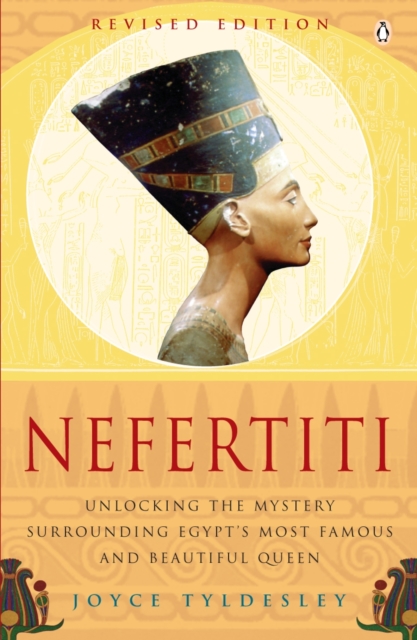
For over a decade Nefertiti, wife of the heretic king Akhenaten, was the most influential woman in the Bronze Age world; a beautiful queen blessed by the sun-god, adored by her family and worshipped by her people.
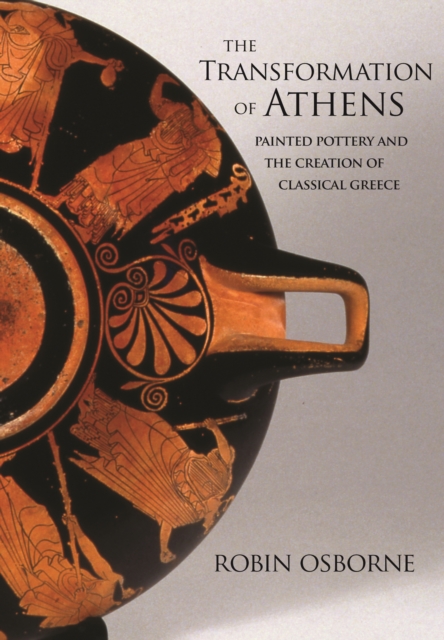
How remarkable changes in ancient Greek pottery reveal the transformation of classical Greek cultureWhy did soldiers stop fighting, athletes stop competing, and lovers stop having graphic sex in classical Greek art?