This volume provides fresh insight into northern human-animal relations and illustrates the breadth and practical utility of archaeological human-animal studies.
The new edition of the most comprehensive, practical, and user-friendly guide of its kind, providing quick reference to the information needed by archaeologists doing fieldwork The Archaeologist's Fieldwork Guide is the must-have companion for anyone planning and performing fieldwork, whether a student going into the field for the first time or a professional archaeologist with years of real-world experience.
The First Amendment ideal of an independent press allows American journalists to present critical perspectives on government policies and actions; but are the media independent of government in practice?
This collection highlights a range of perspectives on the emerging body of research on evolutionary pragmatics, expanding the borders of language evolution research and indicating exciting new directions for the future of the field.
This volume offers a structured presentation of the progress of research into the internal history of a part of the Byzantine world - Greece - in the centuries before the multiple changes induced or accelerated by the Fourth Crusade.
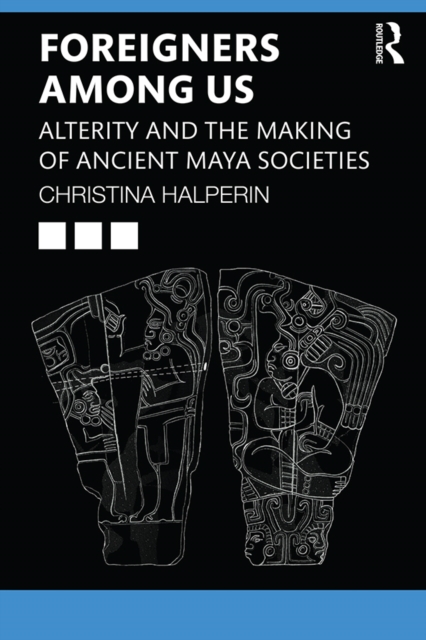
Assessing key questions such as who the foreigners and outsiders in ancient Maya societies were and how was the foreign a generative component of identity, Foreigners Among Us reassess the arrival of foreigners as part of archaeological understandings of Pre-Columbian Maya and questions not only who these foreigners might have been but who were making such designations of difference in the first place.
This volume offers a structured presentation of the progress of research into the internal history of a part of the Byzantine world - Greece - in the centuries before the multiple changes induced or accelerated by the Fourth Crusade.
This book reveals the medieval Mediterranean region as a richly nuanced space of places and peoples connected by a body of water, but far from unified-and seeks to challenge what we think we know about the medieval Mediterranean and the world it influenced.
John Fleagle has improved on his 1988 text by reconceptualizing chapters and by bringing new findings in functional and evolutionary approaches to bear on his synthesis of comparative primate data.
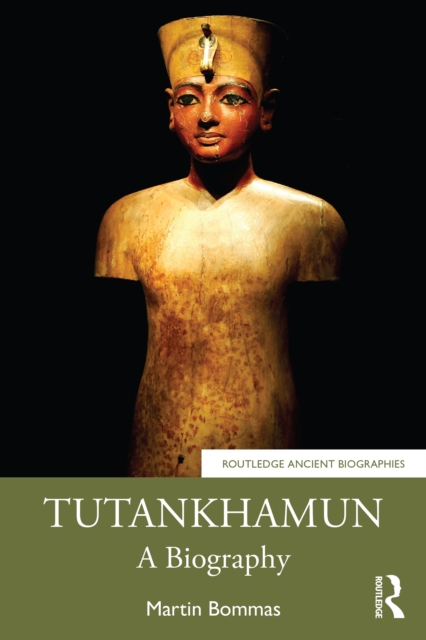
Over a century after his discovery, this comprehensive biography of Tutankhamun explores a wealth of evidence, including archaeological and ancient textual sources, DNA analysis and CT scanning, bringing to life a pharaoh who has remained elusive apart from his grandiose tomb treasures.
More than two thousand people from the British Channel Islands were deported to and interned in Germany during the Second World War, making up as many as 60% of all interned British citizens in occupied territory during this period.
This book explores coinage and related object types as an important form of material culture that is crucial to interrogating interactions between coloniser and colonised.
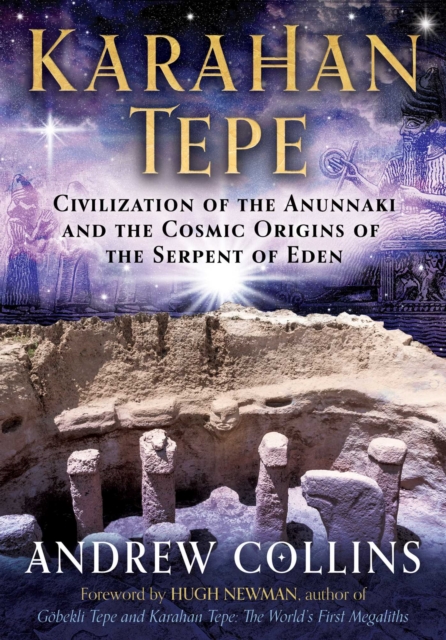
*; Examines the intricate carvings, chambers, and structures, revealing the site's acoustical properties, shamanic symbolism, and astronomical alignments*; Reveals how Karahan Tepe was used by shamans to connect with the Milky Way's Galactic bulge in its role as the head of the cosmic serpent*; Explains how the site's builders, who created the world's first post ice age civilization, are remembered in myth and legend as the Watchers and Nephilim of Jewish religious tradition and as the Anunnaki gods of Sumerian mythologyConsidered the most important archaeological discovery of the 21st century, Karahan Tepe is an enormous complex of stone structures in southeastern Turkey covering an estimated ten acres.
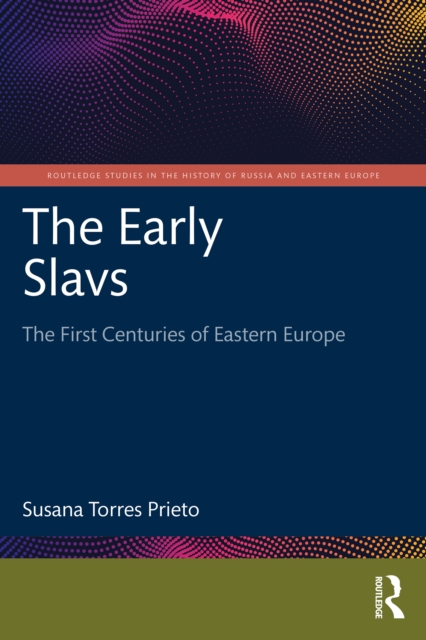
This book presents an introductory and comprehensive history of the Slavic-speaking peoples who inhabited Eastern and Southern Europe during the 700-year period stretching from the first archaeological and historical records to the establishment of their first organised polities.
PRE-ORDER THIS THRILLING ADVENTURE OF A FIGHT FOR SURVIVAL IN A LOST ARABIAN CITY, FROM FORMER GREEN BERET ALEX DEKKER An explosive adventure with the grit and authenticity that only a seasoned operator can deliver JACK CARR, bestselling author of The Terminal List'Heart-pounding' - DAVID MCCLOSKEY'Dekker is the real deal' - GREGG HURWITZ'Starts like a rocket and never lets up' - BRAD TAYLOR'To all of you who read me, Dan Brown, James Rollins and Daniel Silva, this is THE book for you.