This book outlines, within the Italian national framework, the current and potential paths oriented towards a new concept of Architectural Heritage, through actions referring to Innovation and Experimentation and Protection and Transformation of the Architectural Heritage.
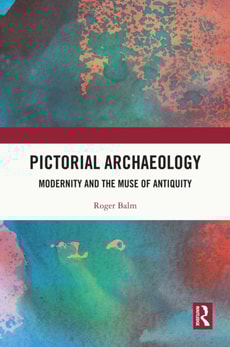
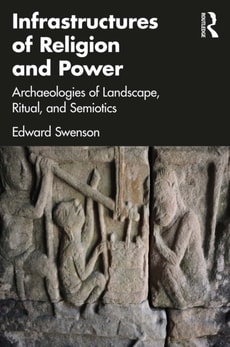
This book explores the expressly pictorial type of visual archaeology, the transcribing of three-dimensional materiality into two-dimensional depictions, and its influential history within the discipline.
This book explores the expressly pictorial type of visual archaeology, the transcribing of three-dimensional materiality into two-dimensional depictions, and its influential history within the discipline.
The exploration of prehistory provides a comprehensive perspective on the antecedents of human societies and civilizations, bridging the gap between scientific universality and the narrow scope of written histories.
At the center of the world-famous pyramid field of the Memphite necropolis there lies a group of pyramids, temples, and tombs named after the nearby village of Abusir.
This book presents the factual, precise, complete and accessible economic elements of nuclear energy in order to contribute to an informed and dispassionate debate.
The ancient Greeks established the very blueprint of Western civilization-our societies, institutions, art, and culture-and thanks to remarkable new findings, we know more about them than ever, and it's all here in this up-to-date introductory volume.
Teaching Ancient Egypt in Museums: Pedagogies in Practice explores what best practices in museum pedagogy look like when working with ancient Egyptian material culture.
This book presents a fresh perspective on eleventh- and twelfth-century Irish architecture, and a critical assessment of the value of describing it, and indeed contemporary European architecture in general, as "e;Romanesque"e;.
This book presents the factual, precise, complete and accessible economic elements of nuclear energy in order to contribute to an informed and dispassionate debate.
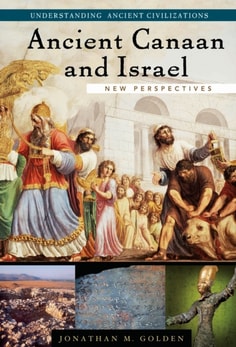
It's the cradle of civilization, the wellspring of three of the world's most powerful faiths, a place where vestiges of the ancient past remain vibrantly alive today-but what do we really know about the day-to-day lives and defining culture of the people of Israel and Canaan?
Teaching Ancient Egypt in Museums: Pedagogies in Practice explores what best practices in museum pedagogy look like when working with ancient Egyptian material culture.
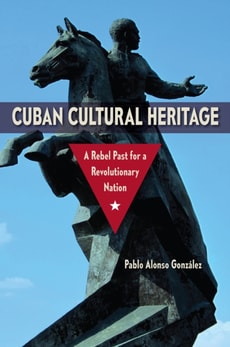
The role of cultural heritage and museums in constructing national identity in postcolonial CubaDuring Fidel Castro's rule, Cuban revolutionaries coopted and reinterpreted the previous bourgeois national narrative of Cuba, aligning it with revolutionary ideology through the use of heritage and public symbols.
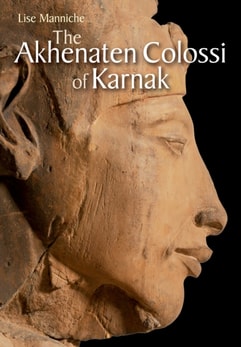
Some of the most fascinating sculptures to have survived from ancient Egypt are the colossal statues of Akhenaten, erected at the beginning of his reign in his new temple to the Aten at Karnak.
This book presents a fresh perspective on eleventh- and twelfth-century Irish architecture, and a critical assessment of the value of describing it, and indeed contemporary European architecture in general, as "e;Romanesque"e;.
Thanks to powerful innovations in archaeology and other types of historical research, we now have a picture of everyday life in the Mayan empire that turns the long-accepted conventional wisdom on its head.
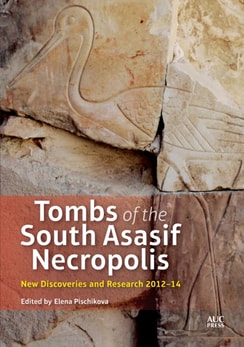
This volume is the first joint publication of the members of the American-Egyptian mission South Asasif Conservation Project, working under the auspices of the State Ministry for Antiquities and Supreme Council of Antiquities, and directed by the editor.
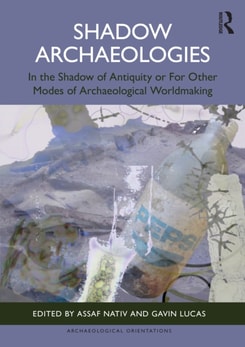
Shadow Archaeologies explores the modes of knowledge production which operate where the light of mainstream, historically oriented archaeology does not reach.
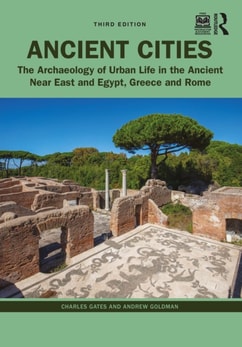
The third edition of Ancient Cities surveys the cities of the Ancient Near East, Egypt, and the Greek, Etruscan, and Roman worlds from the perspectives of archaeology and architectural history, bringing to life the physical world of ancient city dwellers by concentrating on archaeological evidence.
The Viking reputation is of bloodthirsty seafaring warriors, repeatedly plundering the British Isles and the North Atlantic throughout the early Middle Ages.
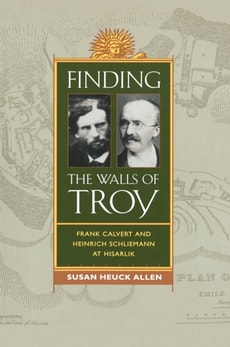
The relentlessly self-promoting amateur archaeologist Heinrich Schliemann took full credit for discovering Homer's Troy over one hundred years ago, and since then generations have thrilled to the tale of his ambitions and achievements.