This volume features bioarchaeological research that interrogates the human skeleton in concert with material culture, ethnographic data and archival research.
This book presents the integrated use of magnetometry and ground-penetrating radar geophysical mapping to understand the human presence within buried archaeological landscapes.
This book focuses on innovative strategies to manage and build software systems for generating new knowledge from large archaeological data setsThe book also reports on two case studies carried out in real-world scenarios within the Cultural Heritage setting.
This volume brings together the experiences and research of heritage practitioners, archaeologists, and educators to explore new and unique approaches to heritage studies.
This volume is a comprehensive, critical introduction to vertebrate zooarchaeology, the field that explores the history of human relations with animals from the Pliocene to the Industrial Revolution.
This book explains and analyzes entrepreneurship and cultural management issues in the creative and cultural sectors and discusses the impacts of economic, social and structural changes on cultural entrepreneurship.
This book examines how computer-based programs can be used to acquire 'big' digital cultural heritage data, curate, and disseminate it over the Internet and in 3D visualization platforms with the ultimate goal of creating long-lasting "e;digital heritage repositories.
This book documents research activities and design experimentation carried out within the scope of a project addressing conservation, urban regeneration, responsible use of resources, and sustainable development in a truly exceptional place: the city of Luxor.
This volume expands understandings of crafting practices, which in the past was the major relational interaction between the social agency of materials, technology, and people, in co-creating an emergent ever-changing world.
Zooarchaeology in Practice unites depth of treatment with broad topical coverage to advance methodological discussion and development in archaeofaunal analysis.
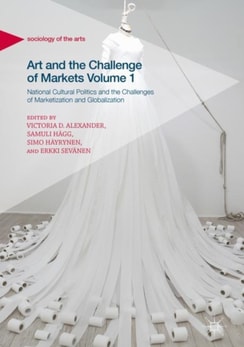
Art and the Challenge of Markets Volumes 1 & 2 examine the politics of art and culture in light of the profound changes that have taken place in the world order since the 1980s and 1990s.
The objective of this edited volume is to bring together a diverse set of analyses to document how small-scale societies responded to paleoenvironmental change based on the evidence of their lithic technologies.
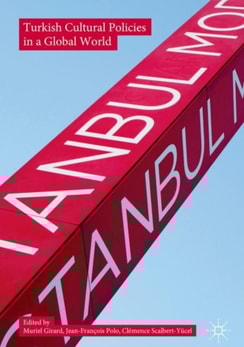
This book provides a multidisciplinary analysis of the production of Turkish cultural policies in the context of globalization and of the circulation of knowledge and practices.
This book explores new approaches towards developing memorial and heritage sites, moving beyond the critique of existing practices that have been the traditional focus of studies of commemoration.
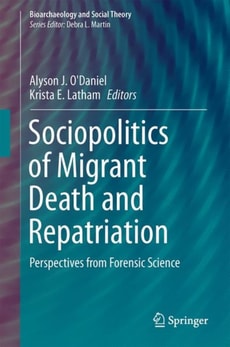
As scholars have by now long contended, global neoliberalism and the violence associated with state restructuring provide key frameworks for understanding flows of people across national boundaries and, eventually, into the treacherous terrains of the United States borderlands.
This book takes readers on a fascinating journey to discover the story of land and ancient life evolution in Oman since at least 800 million years ago.
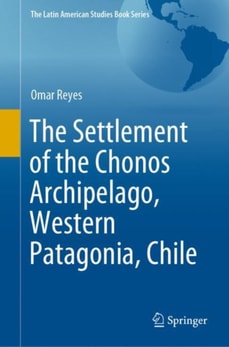
This book describes an archaeological investigation of human occupation in the northern area of the Patagonian archipelago in the far south of South America.
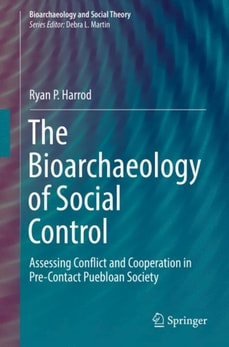
Taking a bioarchaeological approach, this book examines the Ancestral Pueblo culture living in the Four Corners region of the United States during the late Pueblo I through the end of the Pueblo III period (AD 850-1300).
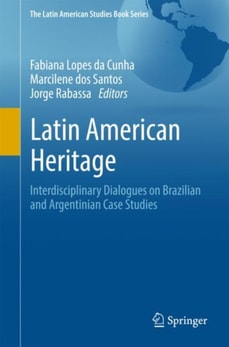
Focusing on Brazil, this book approaches the term "e;heritage"e; from not only a historical and architectural point of view, but also considers its artistic, archaeological, natural, ethnological and industrial aspects.
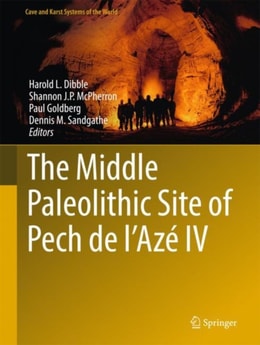
This book provides comprehensive information on the materials excavated at Pech de l'Aze IV, both by the original excavator Francois Bordes in the 1970s, and more recently by the authors and their scientific team.
This groundbreaking volume presents, for the first time in English, a broad historical review of the researches carried out over 170 years in the region of Lagoa Santa, Brazil, one of the most important archaeological regions in the Americas.
This volume looks at sustainable protection and sustainable use of cultural and natural heritage, particularly in view of the current challenges of the 21st century.
Over the years, impairment has been discussed in bioarchaeology, with some scholars providing carefully contextualized explanations for their causes and consequences.
This book provides the latest research on and applications of advanced GNSS (Global Navigation Satellite System) and 3D spatial techniques in the fields of Civil and Environmental Engineering, Geophysics, Architecture, Archaeology and Cultural Heritage.
Improving the relationship between archaeology and local government represents one of the next great challenges facing archaeology -specifically archaeology done in urban settings.
This book addresses a variety of topics within the growing discipline of Archaeoastronomy, focusing especially on Archaeoastronomy in Sicily and the Mediterranean and Cultural Astronomy.
This book focuses on issues of method and interpretation in studies of submerged landscapes, concentrating on illustrations and case studies from around Europe with additional examples from other parts of the world.
This volume contributes to the emerging topic of social paleoethnobotany with a series of papers exploring dynamic aspects of past social life, particularly the day-to-day practices and politics of procuring, preparing, and consuming plants.
Completely revised and updated, this new edition provides a readable, beautifully illustrated journey through world cultures and the vibrant array of sky mythology, creation stories, models of the universe, temples and skyscrapers that each culture has created to celebrate and respond to the power of the night sky.
This volume presents a collection of articles which offer different perspectives for archaeological pottery studies, regarding the understanding of pre-Hispanic social practices in Quebrada de Humahuaca, Argentina.
Research into the anthropogenic and taphonomic processes that affect the formation of maritime archaeological resources has grown significantly over the last decade in both theory and the analysis of specific sites and associated material culture.
This volume will examine the varied roles that women and children play in period of warfare, which in most cases deviate from their perceived role as noncombatants.
This book presents outstanding chapter contributions on the Nasca culture in a variety of artistic expressions such as architecture, geoglyphs, ceramics, music, and textiles.
This volume represents a more Africanist approach to the framework of maritime landscapes and challenges of adapting international heritage policy such as the UNESCO convention.
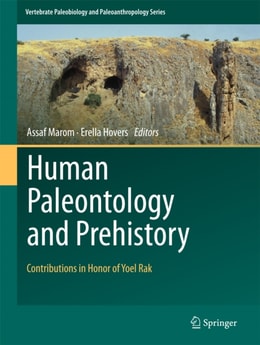
The aim of the book is to present original and though-provoking essays in human paleontology and prehistory, which are at the forefront of human evolutionary research, in honor of Professor Yoel Rak (a leading scholar in paleoanthropology).
The book reveals how the 'social value of art' may have one meaning for a policy maker, another for a museum and still yet another for an artist - and it is therefore in the interaction between these agents that we learn the most about the importance of rhetoric and interpretation.
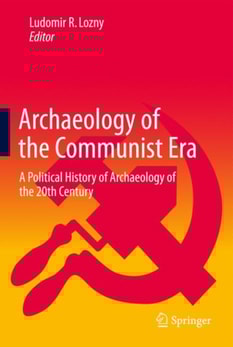
This book contributes to better recognition and comprehension of the interconnection between archaeology and political pressure, especially imposed by the totalitarian communist regimes.