This book offers a new assessment of early Christianity in south-west Britain from the fourth to the tenth centuries, a rich period which includes the transition from Roman to native British to Saxon models of church.
This is the first book in a generation on medieval agriculture in Wales, presenting evidence which is of considerable relevance to those studying the development of the early medieval landscapes of England and Ireland.
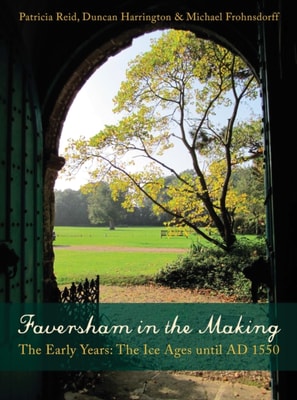
Well known for its later gunpowder industry and the famous Sheherd Neame brewery, Faversham’s earlier medieval history also reveals it to have been an important religious and administrative center.
Well known for its later gunpowder industry and the famous Sheherd Neame brewery, Faversham’s earlier medieval history also reveals it to have been an important religious and administrative center.
Anglo-Saxon farming has traditionally been seen as the wellspring of English agriculture, setting the pattern for 1000 years to come – but it was more important than that.
Anglo-Saxon farming has traditionally been seen as the wellspring of English agriculture, setting the pattern for 1000 years to come – but it was more important than that.
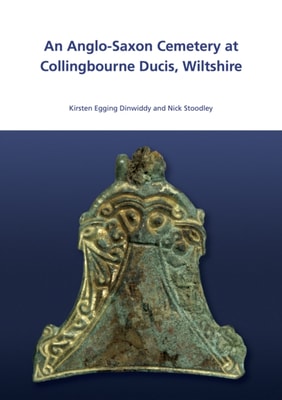
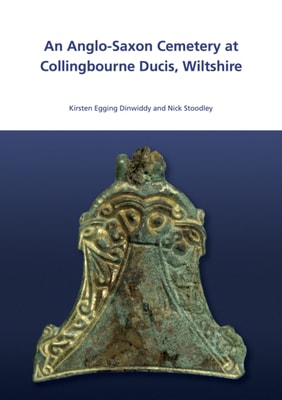
Excavations at Collingbourne Ducis revealed almost the full extent of a late 5th–7th century cemetery first recorded in 1974, providing one of the largest samples of burial remains from Anglo-Saxon Wiltshire.
Excavations at Collingbourne Ducis revealed almost the full extent of a late 5th–7th century cemetery first recorded in 1974, providing one of the largest samples of burial remains from Anglo-Saxon Wiltshire.
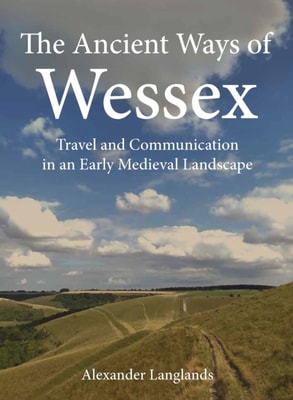
The Ancient Ways of Wessex tells the story of Wessex’s roads in the early medieval period, at the point at which they first emerge in the historical record.
The Ancient Ways of Wessex tells the story of Wessex’s roads in the early medieval period, at the point at which they first emerge in the historical record.
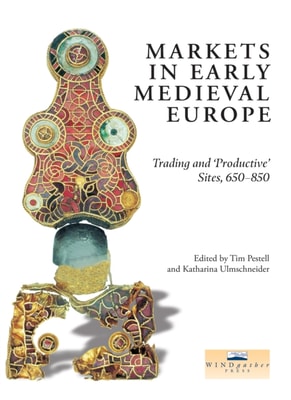
Major sites such as Hamwic and Dorestad typically dominate any discussion of early medieval trade and emporia - this study is altogether atypical in many ways.
This book offers a new assessment of early Christianity in south-west Britain from the fourth to the tenth centuries, a rich period which includes the transition from Roman to native British to Saxon models of church.
Major sites such as Hamwic and Dorestad typically dominate any discussion of early medieval trade and emporia - this study is altogether atypical in many ways.
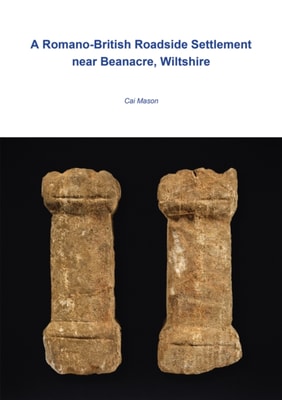
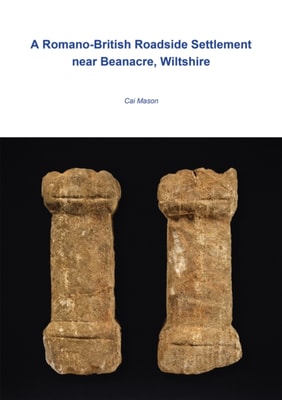
Archaeological excavation during the construction of a new supply line for the electrification of the Great Western Railway Main Line uncovered part of a large, previously unknown Romano-British settlement along the main road between the Roman towns of Aquae Sulis and Cunetio.
Archaeological excavation during the construction of a new supply line for the electrification of the Great Western Railway Main Line uncovered part of a large, previously unknown Romano-British settlement along the main road between the Roman towns of Aquae Sulis and Cunetio.
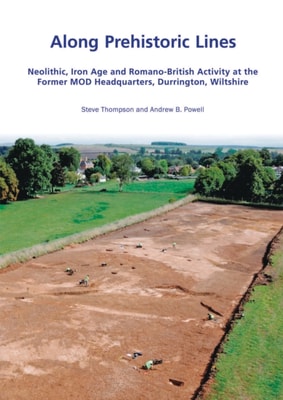
An excavation in 2010–12 on the site of the former Ministry of Defence (MoD) Headquarters in Durrington, Wiltshire, revealed evidence spanning the post-glacial to the post-medieval periods.
An excavation in 2010–12 on the site of the former Ministry of Defence (MoD) Headquarters in Durrington, Wiltshire, revealed evidence spanning the post-glacial to the post-medieval periods.
The massive ancient earthwork that provides the sole commemoration of an extraordinary Anglo-Saxon king and that gives its name to one of our most popular contemporary national walking trails remains an enigma.
The massive ancient earthwork that provides the sole commemoration of an extraordinary Anglo-Saxon king and that gives its name to one of our most popular contemporary national walking trails remains an enigma.
Of all Britain's great archaeological monuments the Iron Age hillforts have arguably had the most profound impact on the landscape, if only because there are so many; yet we know very little about them.
The discipline of landscape history has recently taken a new turn: away from the analysis of past land use and environments towards an understanding of landscape as a social construct.
The discipline of landscape history has recently taken a new turn: away from the analysis of past land use and environments towards an understanding of landscape as a social construct.
The Peak District is a historic upland landscape, with a rich palimpsest of features which invoke the many generations of people who have inhabited the area.
This book takes a fresh look at the most disliked tree in Britain and Ireland, explaining the reasons it was introduced and why it became ubiquitous in the archipelagos of northwest Europe.
This book takes a fresh look at the most disliked tree in Britain and Ireland, explaining the reasons it was introduced and why it became ubiquitous in the archipelagos of northwest Europe.