Oxbow says: For many years hedges have been the most common field boundary in rural Britain, providing a stock-proof barrier, a field boundary and a haven for wildlife.
Oxbow says: For many years hedges have been the most common field boundary in rural Britain, providing a stock-proof barrier, a field boundary and a haven for wildlife.
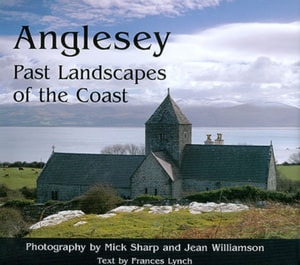
The dramatic and stunning Welsh coastal landscapes of the island of Anglesey are documented in this beautiful pictorial record of the history of Anglesey's coast, from prehistoric times to the present day.
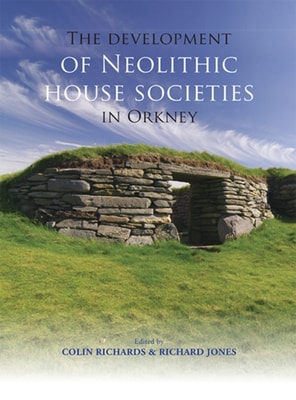
Considering that Orkney is a group of relatively small islands lying off the northeast coast of the Scottish mainland, its wealth of Neolithic archaeology is truly extraordinary.
The dramatic and stunning Welsh coastal landscapes of the island of Anglesey are documented in this beautiful pictorial record of the history of Anglesey's coast, from prehistoric times to the present day.
The Peak District is a historic upland landscape, with a rich palimpsest of features which invoke the many generations of people who have inhabited the area.
In recent years the Cochuah region, the ancient breadbasket of the north-central Yucatecan lowlands, has been documented and analyzed by a number of archaeologists and cultural anthropologists.
This handbook showcases an Africa-wide compendium of Stone Age archaeological sites and methodological advances that have improved our understanding of hominin lifeways and biogeography in the continent.
A fascinating mix of archaeology, history, and medical imaging shedding new light on ancient Egyptian animal mummies, this fully illustrated volume explores the important role granted to animals in Egyptian lifethey were seen as equals to humans within creation, endowed with souls.
Winner of the Holyer an Gof Award 2022 (Leisure and Lifestyle)An illustrated guide to one hundred of the finest early Cornish stone crosses, dating from around AD 900 to 1300.
Winner of the Holyer an Gof Award 2022 (Leisure and Lifestyle)An illustrated guide to one hundred of the finest early Cornish stone crosses, dating from around AD 900 to 1300.
The 19th century historic landscape of Devon developed from earlier patterns of landholdings and settlement that are, today, not always easily discernible on the ground.
The 19th century historic landscape of Devon developed from earlier patterns of landholdings and settlement that are, today, not always easily discernible on the ground.
William Faden's map of Norfolk, published in 1797, was one of a large number of surveys of English counties produced in the second half of the eighteenth century.
Eight thousand years ago, when the sea cut Britain off from the rest of the Continent, the island's fauna was very different: most of the animals familiar to us today were not present, whilst others, now extinct, were abundant.
Castle studies have been transformed in recent years with a movement away from the traditional interpretation of castles as static military structures towards a wider view of castles as aesthetic symbols of power, with a more complicated relationship with the landscape.
Castle studies have been transformed in recent years with a movement away from the traditional interpretation of castles as static military structures towards a wider view of castles as aesthetic symbols of power, with a more complicated relationship with the landscape.
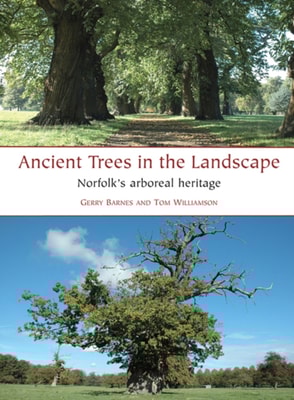
Ancient Trees in the Landscape is the outcome of many years research into the history of trees in Norfolk, and represents the first detailed, published account of the ancient and traditionally managed trees of any English county.
Ancient Trees in the Landscape is the outcome of many years research into the history of trees in Norfolk, and represents the first detailed, published account of the ancient and traditionally managed trees of any English county.
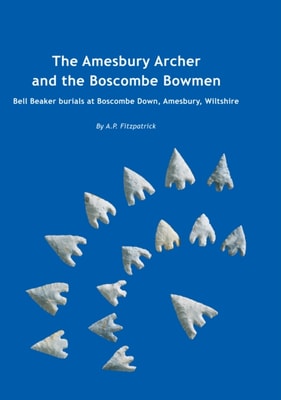
Found a few kilometres from Stonehenge, the graves of the Amesbury Archer and the Boscombe Bowmen date to the 24th century BC and are two of the earliest Bell Beaker graves in Britain.
Found a few kilometres from Stonehenge, the graves of the Amesbury Archer and the Boscombe Bowmen date to the 24th century BC and are two of the earliest Bell Beaker graves in Britain.
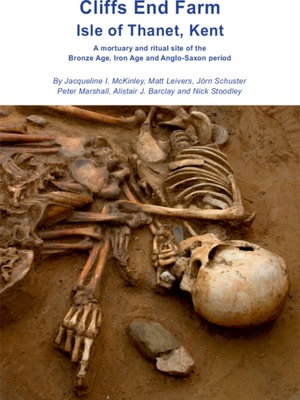
Excavations at Cliffs End Farm, Thanet, Kent, undertaken in 2004/5 uncovered a dense area of archaeological remains including Bronze Age barrows and enclosures, and a large prehistoric mortuary feature, as well as a small early 6th to late 7th century Anglo-Saxon inhumation cemetery.
Excavations at Cliffs End Farm, Thanet, Kent, undertaken in 2004/5 uncovered a dense area of archaeological remains including Bronze Age barrows and enclosures, and a large prehistoric mortuary feature, as well as a small early 6th to late 7th century Anglo-Saxon inhumation cemetery.
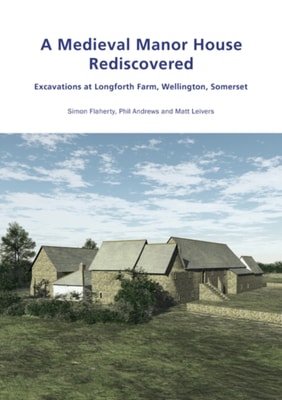
Excavations in advance of housing development at Longforth Farm, Wellington revealed limited evidence for late prehistoric settlement, but the principal discovery was the remains of a previously unknown high status medieval building complex.
Excavations in advance of housing development at Longforth Farm, Wellington revealed limited evidence for late prehistoric settlement, but the principal discovery was the remains of a previously unknown high status medieval building complex.
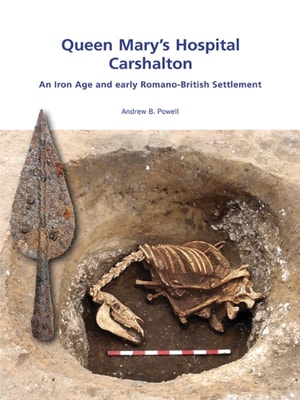
Excavations just outside a large Late Bronze Age ringwork at Queen Mary’s Hospital, Carshalton, in the London Borough of Sutton, revealed a settlement which was occupied possibly continuously from the Early Iron Age into the early Romano-British period.
Excavations just outside a large Late Bronze Age ringwork at Queen Mary’s Hospital, Carshalton, in the London Borough of Sutton, revealed a settlement which was occupied possibly continuously from the Early Iron Age into the early Romano-British period.
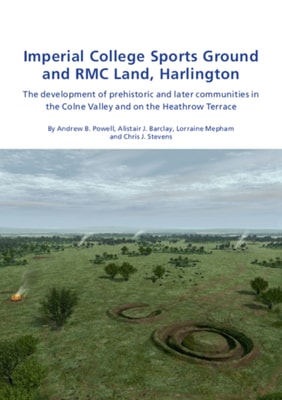
This volume brings together the results from the excavations at the former Imperial College Sports Ground, RMC Land and Land East of Wall Garden Farm, near the villages of Harlington and Sipson in the London Borough of Hillingdon.
This volume brings together the results from the excavations at the former Imperial College Sports Ground, RMC Land and Land East of Wall Garden Farm, near the villages of Harlington and Sipson in the London Borough of Hillingdon.
Excavations at Cliffs End Farm, Thanet, Kent, undertaken in 2004/5 uncovered a dense area of archaeological remains including Bronze Age barrows and enclosures, and a large prehistoric mortuary feature, as well as a small early 6th to late 7th century Anglo-Saxon inhumation cemetery.
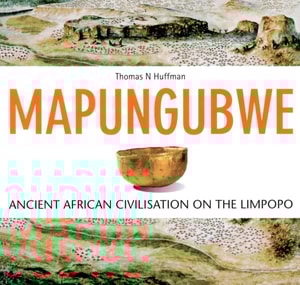
If you drive through Mpumalanga with an eye on the landscape flashing by, you may see, near the sides of the road and further away on the hills above and in the valleys below, fragments of building in stone as well as sections of stone-walling breaking the grass cover.
If you drive through Mpumalanga with an eye on the landscape flashing by, you may see, near the sides of the road and further away on the hills above and in the valleys below, fragments of building in stone as well as sections of stone-walling breaking the grass cover.
This volume contains contributions that consider new approaches to three areas: the documentation of rock art; its interpretation using indigenous knowledge; and the presentation of rock art.
It is largely through the work of David Lewis-Williams that San rock art has come to be understood so well, as a complex symbolic and metaphoric representation of San religious beliefs and practices.
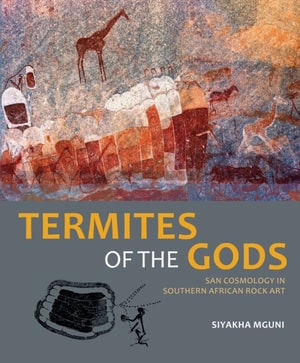
In Termites of the Gods, Siyakha Mguni narrates his personal journey, over many years, to discover the significance of a hitherto enigmatic theme in San rock paintings known as 'formlings'.
It is largely through the work of David Lewis-Williams that San rock art has come to be understood so well, as a complex symbolic and metaphoric representation of San religious beliefs and practices.
The 'Cradle of Humankind' (COH), bordering Gauteng and the North-West Province, was declared a World Heritage Site for the wealth of the human and animal fossils found there.
A number of researchers have tried to characterise the anatomy and behavioural systems of early hominid and early modern human populations in an attempt to understand how we became what we are.