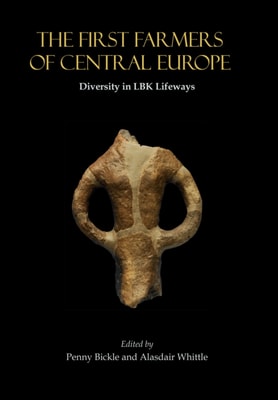
From about 5500 cal BC to soon after 5000 cal BC, the lifeways of the first farmers of central Europe, the LBK culture (Linearbandkeramik), are seen in distinctive practices of longhouse use, settlement forms, landscape choice, subsistence, material culture and mortuary rites.
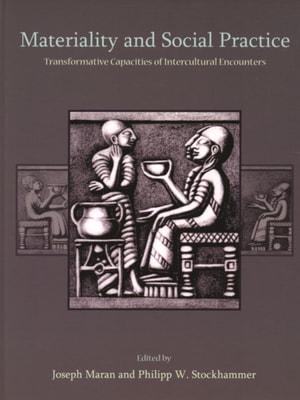
Materiality and Social Practice investigates the transformative potential arising from the interplay between material forms, social practices and intercultural relations.
Materiality and Social Practice investigates the transformative potential arising from the interplay between material forms, social practices and intercultural relations.
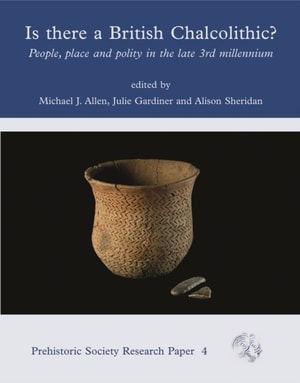
The Chalcolithic, the phase in prehistory when the important technical development of adding tin to copper to produce bronze had not yet taken place, is not a term generally used by British prehistorians and whether there is even a definable phase is debated.
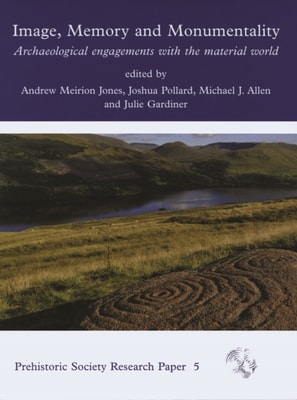
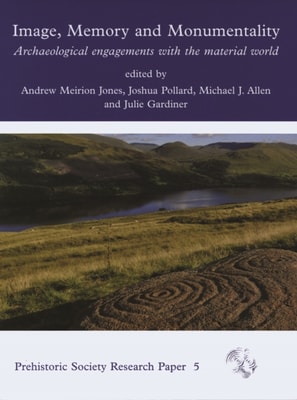
Leading scholars in these 29 commissioned papers in honour of Richard Bradley discuss key themes in prehistoric archaeology that have defined his career, such as monumentality, memory, rock art, landscape, material worlds and field practice.
Leading scholars in these 29 commissioned papers in honour of Richard Bradley discuss key themes in prehistoric archaeology that have defined his career, such as monumentality, memory, rock art, landscape, material worlds and field practice.
Fourteen papers explore a range of issues relating to prehistoric extraction sites, including ethnography, geochemical signatures, the application of neutron activation analysis, exploitation of erratics, excavation, survey and conservation.
Fourteen papers explore a range of issues relating to prehistoric extraction sites, including ethnography, geochemical signatures, the application of neutron activation analysis, exploitation of erratics, excavation, survey and conservation.
African Pottery Roulettes Past and Present considers ethnographic, museological and archaeological approaches to pottery-decorating tools called roulettes, that is to say, short lengths of fibre or wood that are rolled over the surface of a vessel for decoration.
African Pottery Roulettes Past and Present considers ethnographic, museological and archaeological approaches to pottery-decorating tools called roulettes, that is to say, short lengths of fibre or wood that are rolled over the surface of a vessel for decoration.
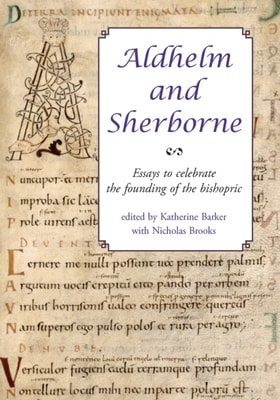
This collection of papers follows on from a conference, held in Sherborne in June 2005, marking the thirteen-hundredth anniversary of the founding of the bishopric by Aldhelm of Malmesbury.
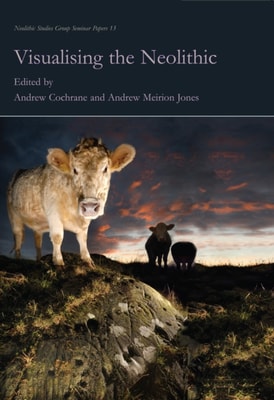
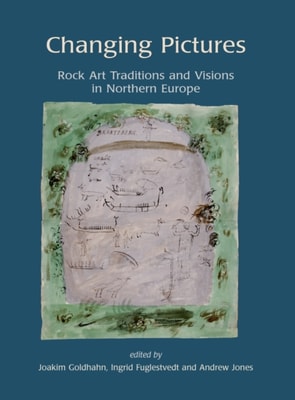
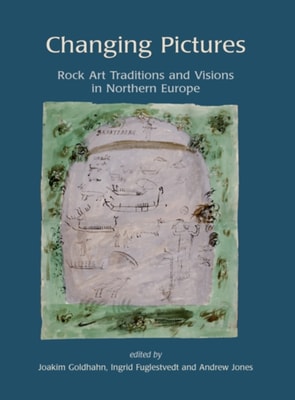
Prehistoric imagery is enigmatic and has been largely overlooked by archaeologists; it is only in the last two decades that it has garnered serious academic attention.
Prehistoric imagery is enigmatic and has been largely overlooked by archaeologists; it is only in the last two decades that it has garnered serious academic attention.
Medieval stairs, galleries and upper chambers in cathedrals, abbeys, and parish churches have been an enduring source of fascination to historians and archaeologists since the eighteenth century, but their practical purposes have long been shrouded in mystery and speculation.
Medieval stairs, galleries and upper chambers in cathedrals, abbeys, and parish churches have been an enduring source of fascination to historians and archaeologists since the eighteenth century, but their practical purposes have long been shrouded in mystery and speculation.
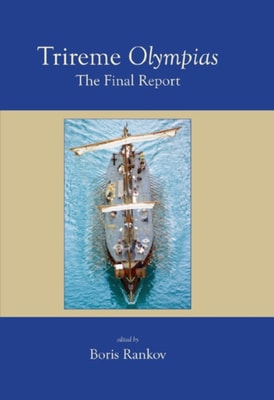
This volume represents the final publication of the Olympias project, which saw the building of a full-scale reconstruction of a 170-oared Athenian trireme of the 4th century BC and its operation in five series of sea-trials in the Aegean Sea.
This volume represents the final publication of the Olympias project, which saw the building of a full-scale reconstruction of a 170-oared Athenian trireme of the 4th century BC and its operation in five series of sea-trials in the Aegean Sea.
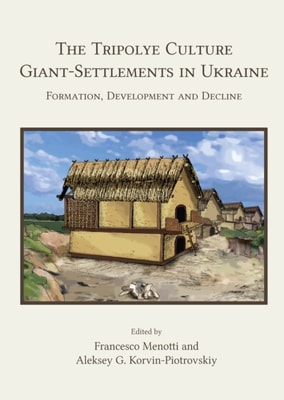
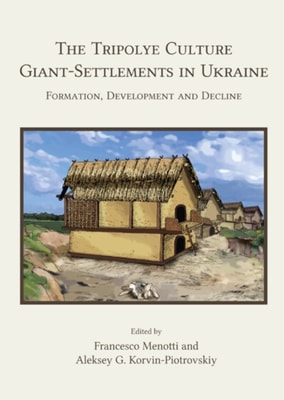
The crucial role that the Ukrainian 'branch' of the Tripolye culture played in shaping the historical formation of the Ukraine, and indeed that of Europe, is still not fully understood or appreciated.
The crucial role that the Ukrainian 'branch' of the Tripolye culture played in shaping the historical formation of the Ukraine, and indeed that of Europe, is still not fully understood or appreciated.
This volume was derived from the twenty-first annual Theoretical Roman Archaeology Conference, which took place at the University of Newcastle (14-17 April 2011).
This volume was derived from the twenty-first annual Theoretical Roman Archaeology Conference, which took place at the University of Newcastle (14-17 April 2011).
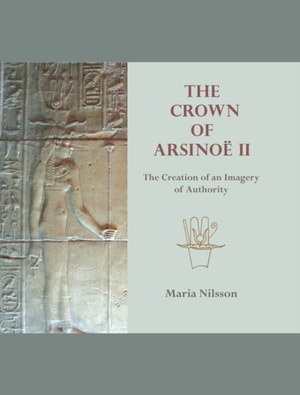
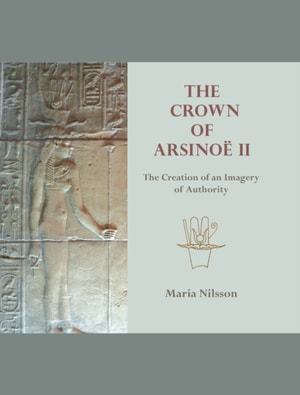
The Crown of Arsinoë II is a detailed study of a unique crown that was created for the Ptolemaic Egyptian Queen Arsinoë II which has important conclusions for ancient Egyptian history.
The Crown of Arsinoë II is a detailed study of a unique crown that was created for the Ptolemaic Egyptian Queen Arsinoë II which has important conclusions for ancient Egyptian history.
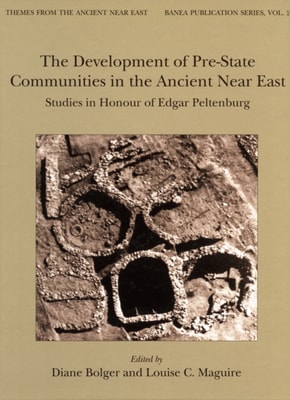
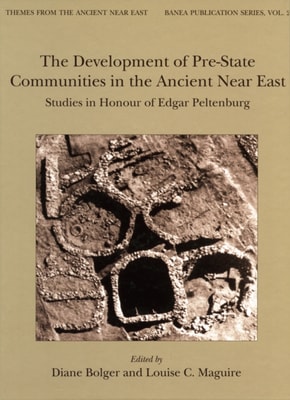
This book explores the dynamics of small-scale societies in the ancient Near East by examining the ways in which particular communities functioned and interacted and by moving beyond the broad neo-evolutionary models of social change which have characterised many earlier approaches.
This book explores the dynamics of small-scale societies in the ancient Near East by examining the ways in which particular communities functioned and interacted and by moving beyond the broad neo-evolutionary models of social change which have characterised many earlier approaches.
This lavishly illustrated volume presents a comprehensive architectural study of 87 individual temples and sanctuaries built in the Roman East between the end of the 1st century BCE and the end of the 3rd century CE, within a broad region encompassing the modern states of Syria, Lebanon, Israel and Jordan.
This lavishly illustrated volume presents a comprehensive architectural study of 87 individual temples and sanctuaries built in the Roman East between the end of the 1st century BCE and the end of the 3rd century CE, within a broad region encompassing the modern states of Syria, Lebanon, Israel and Jordan.
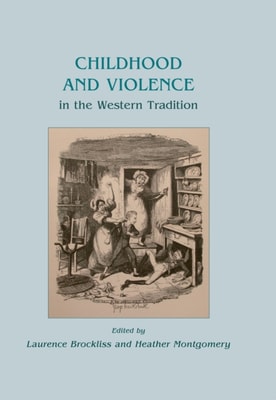
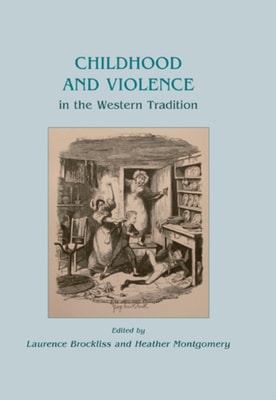
The violence and neglect suffered by children today is a common subject of media attention and much political hand-wringing, not just in Britain but in other parts of the western world.
The violence and neglect suffered by children today is a common subject of media attention and much political hand-wringing, not just in Britain but in other parts of the western world.