Whilst the greatest effort has been made to ensure the quality of this text, due to the historical nature of this content, in some rare cases there may be minor issues with legibility.
Whilst the greatest effort has been made to ensure the quality of this text, due to the historical nature of this content, in some rare cases there may be minor issues with legibility.
Whilst the greatest effort has been made to ensure the quality of this text, due to the historical nature of this content, in some rare cases there may be minor issues with legibility.
An essential gift for every history buff, this boldly illustrated ebook maps out the events that have shaped our world - from the dawn of human civilization to the present day.
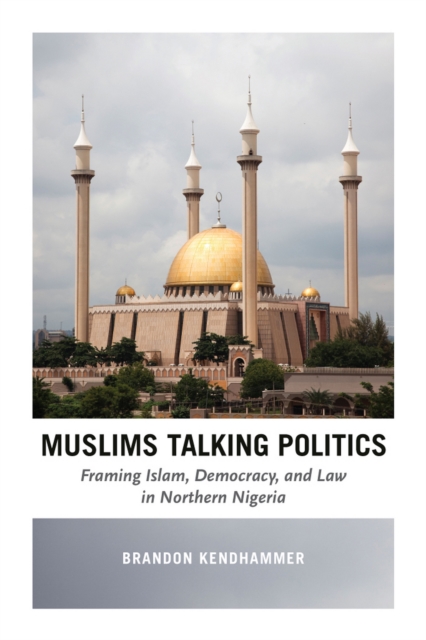
For generations Islamic and Western intellectuals and policymakers have debated Islam's compatibility with democratic government, usually with few solid conclusions.
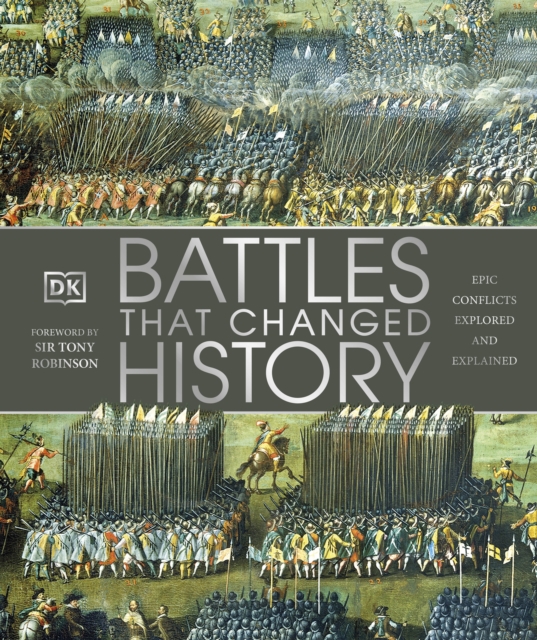
WINNER OF THE SOCIETY FOR MILITARY HISTORY'S DISTINGUISHED BOOK AWARD 2021SHORTLISTED FOR THE GILDER LEHRMAN PRIZE FOR MILITARY HISTORY AND THE BRITISH ARMY MILITARY BOOK OF THE YEAR AWARD A BBC HISTORY MAGAZINE BOOK OF THE YEAR 2019, AND FINANCIAL TIMES BOOK OF THE YEAR 2020'A masterpiece.
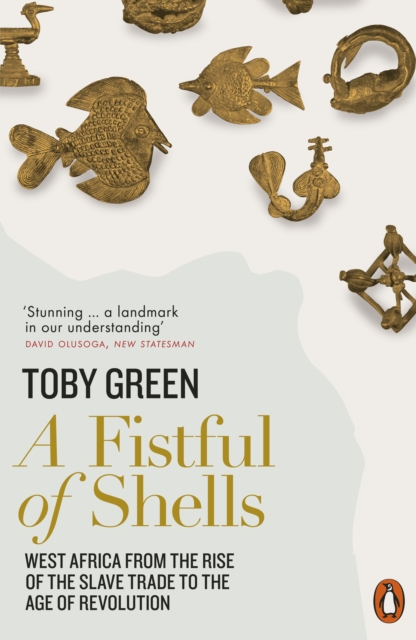
Winner of the Nayef Al-Rodhan Prize for Global Cultural Understanding 2019Shortlisted for the Cundill History Prize and the Pius Adesanmi Memorial Award 'Astonishing, staggering' Ben Okri, Daily TelegraphA groundbreaking new history that will transform our view of West AfricaBy the time of the 'Scramble for Africa' in the late nineteenth century, Africa had already been globally connected for many centuries.
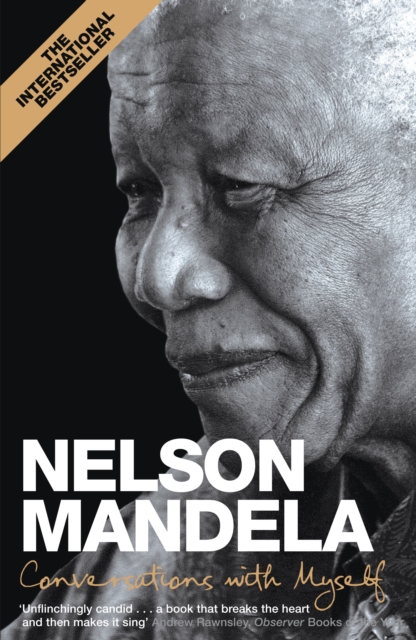
Conversations With Myself is a moving collection of letters, diary entries and other writing that provides a rare chance to see the other side of Nelson Mandela's life, in his own voice: direct, clear, private.
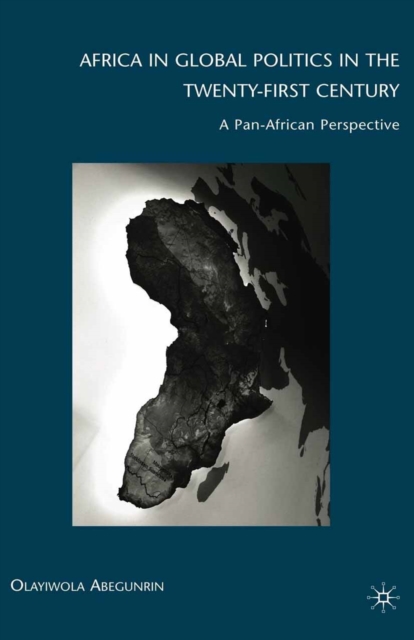
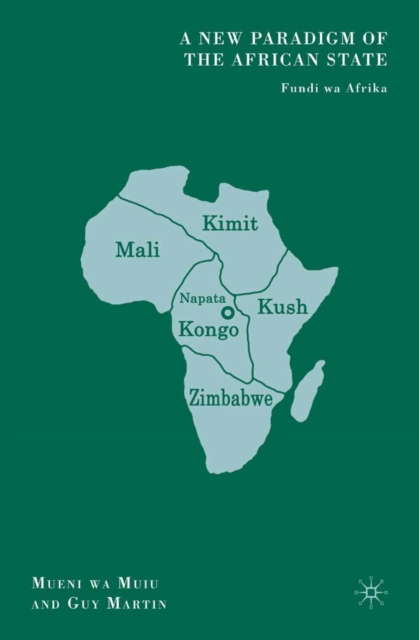
Offers a historical, multidisciplinary perspective on African political systems and institutions, ranging from Antiquity (Egypt, Kush and Axum) to the present with particular focus on their destruction through successive exogenous processes including the Atlantic slave trade, imperialism, colonialism and neo-colonialism or globalization.
This book is a comprehensive investigation, discussion, and analysis of the origins and development of the first civil war in the Sudan, which occurred between 1955 and1972.
This book compares African and Afrikaner nationalisms to demonstrate that the transition from apartheid to liberal democracy in South Africa was a neo-colonial settlement that left the economy and the military and security sectors under the control of the white minority, while increasing wide socioeconomic disparities between rich and poor.
This collection looks at the on-going significance of Black Consciousness, situating it in a global frame, examining the legacy of Steve Biko, the current state of post-apartheid South African politics, and the culture and history of the anti-apartheid movements.
This offers an alternative to the colonialistand nationalist explanations of the Mau Mau revolt, examining a widely studied period of Kenyan history from a new perspective.
Contributors to this volume highlight the failure and socio-economic and political problems of post-colonial African state and make constructive and convincing suggestions of how the problems can be addressed.
This study enriches understanding of East Africa's refugee situation by examining the conditions that gave rise to it and how the refugees themselves sought to reconstruct their lives.
Arun Bala challenges Eurocentric conceptions of history by showing how Chinese, Indian, Arabic, and ancient Egyptian ideas in philosophy, mathematics, cosmology and physics played an indispensable role in making possible the birth of modern science.
This book, based on recently declassified documents in Britain and the USA, is the first detailed account of Britain's East of Suez decision, which was taken by the Harold Wilson Government in 1967-68.
In the 1980s South Africa's urban townships exploded into insurrection led by youth and residents' organisations that collectively became known as the civics movement.
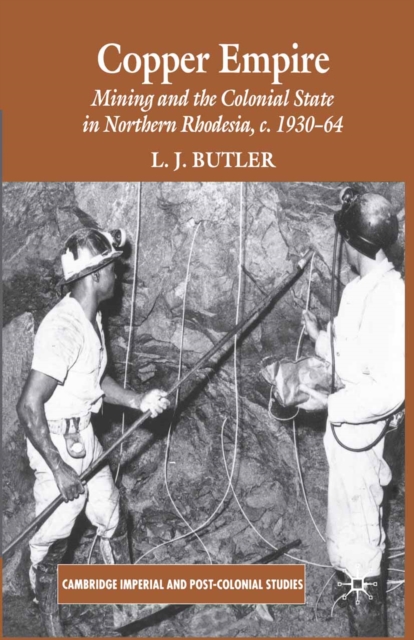
This is a study of the evolving relationship between the British colonial state and the copper mining industry in Northern Rhodesia, from the early stages of development to decolonization, encompassing depression, wartime mobilization and fundamental changes in the nature and context of colonial rule.
This work is a path-breaking study of the changing attitudes of Canada, Australia, New Zealand and South Africa to Britain and the Commonwealth in the 1940s and the effect of those changes on their individual and collective standing in international affairs.
The Fall of Apartheid tells the extraordinary story of how apartheid came into being, secured its ascendancy over the richest and most developed society in Sub-Saharan Africa, and then collapsed.
Using original primary sources, this book uncovers and analyzes for the first time the politics of fertility and the battle over birth control in South Africa from 1910 (the year the country was formed) to 1945.
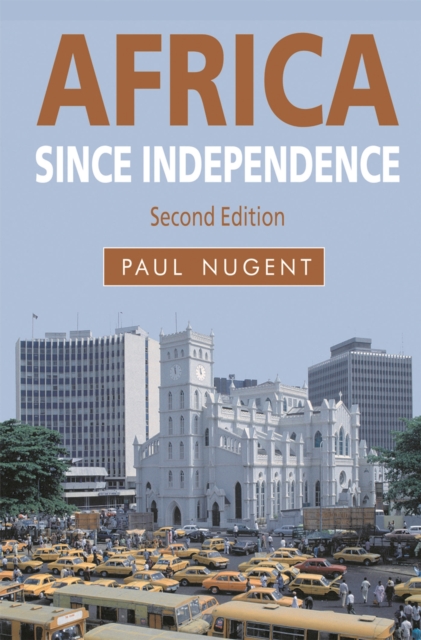
An indispensable introductory textbook that provides students with a genuinely comparative study of the different trajectories and experiences of independent African states.
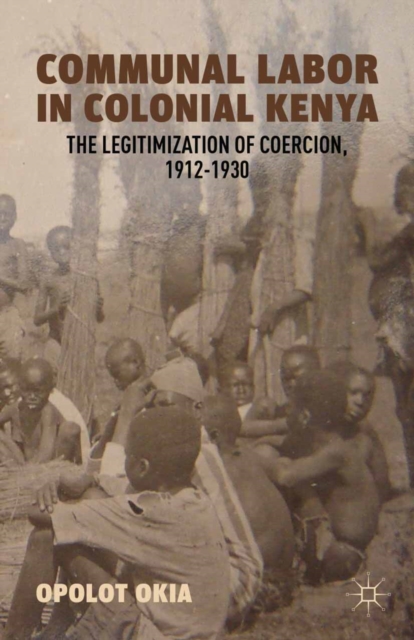
This book advances research into the government-forced labor used widely in colonial Kenya from 1930 to 1963 after the passage of the International Labor Organization's Forced Labour Convention.
This book charts in detail the West's response, particularly that of the US, to Libya's possible involvement in the bombing of the Pan Am airliner over Lockerbie in 1988.
This book describes the fate of South Africa's drive, which began in 1949, to associate itself with Britain, France, Portugal and Belgium in an African Defence Pact.
This is the first examination of the Israeli and Egyptian peace process between 1967-1973, which highlights the rise and fall of Soviet influence after the Six Day War and explores how the increasing importance of America's political leadership affected the region.