The siege of Kimberley unfolds as a historical account of the Anglo Boer War, focusing on the town of Kimberley during its prolonged siege and the shifting rhythms of life under military pressure.
From the mid-seventeenth to early eighteenth century, a wide network of English-speaking men, women, and children took up residence in the Ottoman Maghrebi regencies of Algiers, Tunis, and Tripoli.
Navigating Cultural Memory examines how a master narrative of the 1994 Genocide Against the Tutsi evolved into a hegemonic narrative both in Rwanda and globally.
Navigating Cultural Memory examines how a master narrative of the 1994 Genocide Against the Tutsi evolved into a hegemonic narrative both in Rwanda and globally.
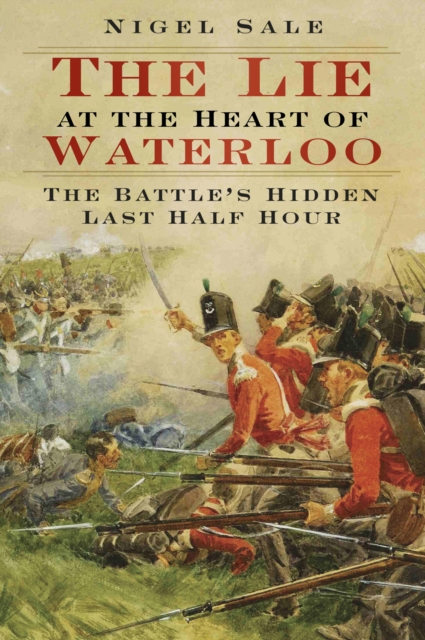
Waterloo has, perhaps, a greater claim to have left its mark on Europe than any single battle before it, yet, even after two hundred years, there is confusion about how the battle ended.
With sharp intellect and warm humor, Lionel Morrison tells the story of the struggle for freedom in South Africa and beyond, revealing the intimate experience of grand geopolitical shiftsApartheid in South Africa was arbitrary and ferocious-its end is widely celebrated.
Of Revelation and Revolution is at once a highly imaginative, richly detailed history of colonialism, Christianity, and consciousness in South Africa, and a theoretically challenging consideration of the most difficult questions posed by the nature of social experience.
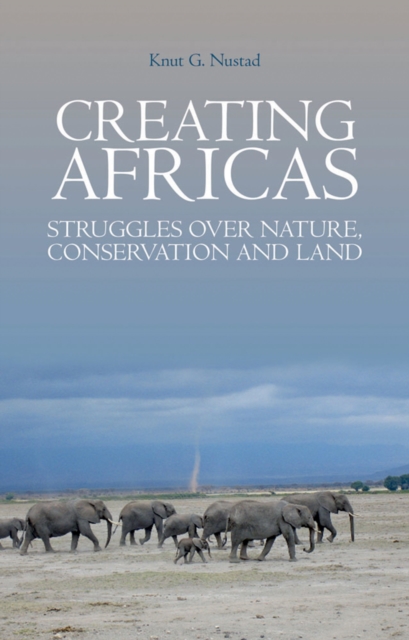
In Africa, conflicts between protected areas for fauna and flora and space for their surrounding human populations continue despite years spent trying to find an accommodation between the needs of both parties.
In Africa, conflicts between protected areas for fauna and flora and space for their surrounding human populations continue despite years spent trying to find an accommodation between the needs of both parties.
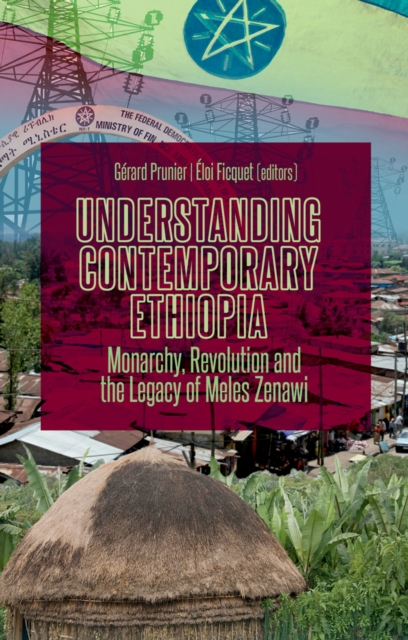
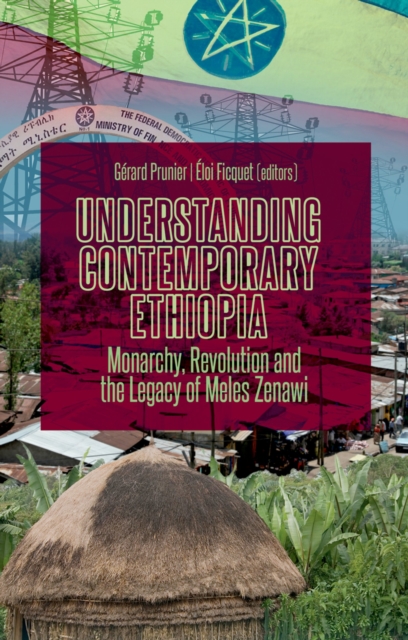
When we think of Ethiopia we tend to think in cliches: Solomon and the Queen of Sheba, the Falasha Jews, the epic reign of Emperor Haile Selassie, the Communist Revolution, famine and civil war.
When we think of Ethiopia we tend to think in cliches: Solomon and the Queen of Sheba, the Falasha Jews, the epic reign of Emperor Haile Selassie, the Communist Revolution, famine and civil war.
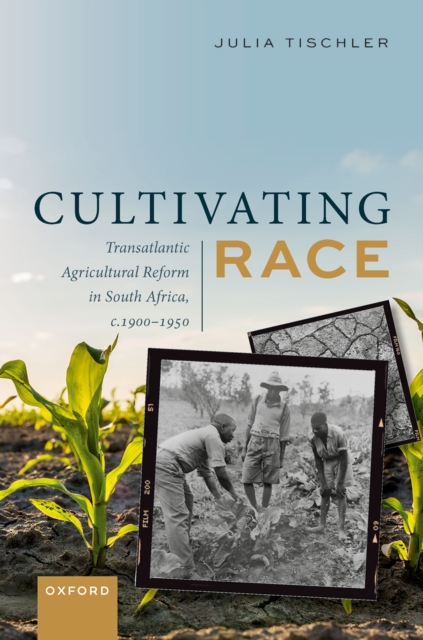
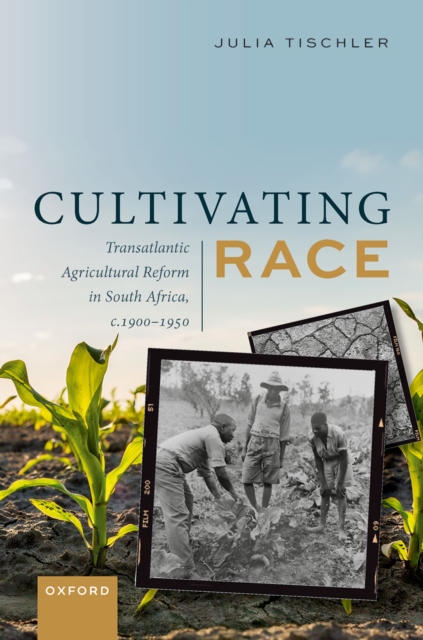
Simultaneous to the rise of industrial capitalism, agriculture - still the mainstay of most human communities around the globe in the late nineteenth and early twentieth centuries - underwent dramatic changes.
Simultaneous to the rise of industrial capitalism, agriculture - still the mainstay of most human communities around the globe in the late nineteenth and early twentieth centuries - underwent dramatic changes.
In this latest instalment of the series A History of Philosophy Without Any Gaps, Peter Adamson and Chike Jeffers delve into the fascinating world of Africana Philosophy.
In this latest instalment of the series A History of Philosophy Without Any Gaps, Peter Adamson and Chike Jeffers delve into the fascinating world of Africana Philosophy.
Of Revelation and Revolution is at once a highly imaginative, richly detailed history of colonialism, Christianity, and consciousness in South Africa, and a theoretically challenging consideration of the most difficult questions posed by the nature of social experience.
In this collaborative work, three leading historians explore one of the most significant areas of inquiry in modern historiography the transition from slavery to freedom and what this transition meant for former slaves, former slaveowners, and the societies in which they lived.
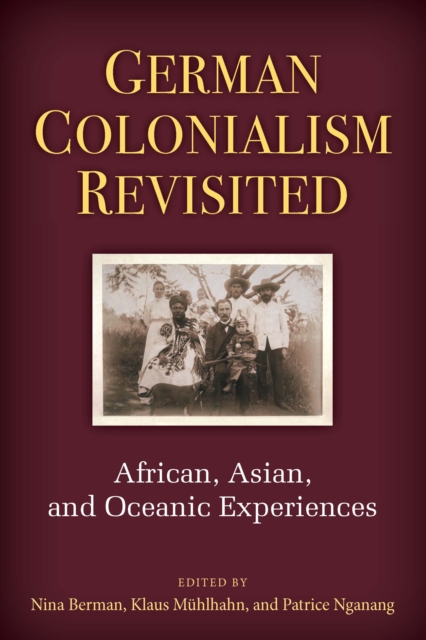
German Colonialism Revisited brings together military historians, art historians, literary scholars, cultural theorists, and linguists to address a range of issues surrounding colonized African, Asian, and Oceanic people's creative reactions to and interactions with German colonialism.
German Colonialism Revisited brings together military historians, art historians, literary scholars, cultural theorists, and linguists to address a range of issues surrounding colonized African, Asian, and Oceanic people's creative reactions to and interactions with German colonialism.
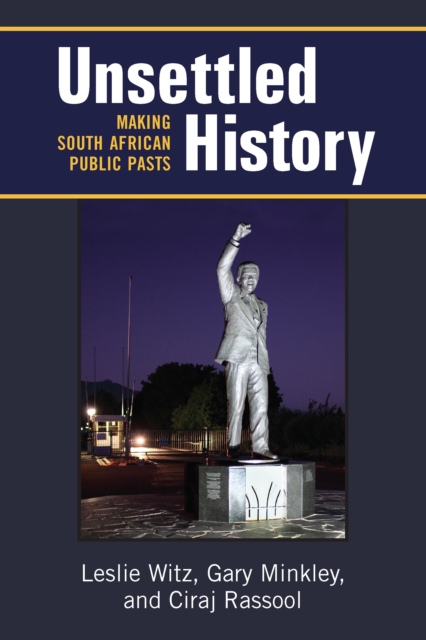
Unsettled History examines South African society and the construction and presentation of its public pasts, from Nelson Mandela's release from prison in 1990 to South Africa's hosting of the 2010 FIFA World Cup (R).
Unsettled History examines South African society and the construction and presentation of its public pasts, from Nelson Mandela's release from prison in 1990 to South Africa's hosting of the 2010 FIFA World Cup (R).
In this collaborative work, three leading historians explore one of the most significant areas of inquiry in modern historiography the transition from slavery to freedom and what this transition meant for former slaves, former slaveowners, and the societies in which they lived.