Ghana has been a crucial site of encounters between the West and Africa and a historic center for twentieth-century Pan-African independence movements.
Ghana has been a crucial site of encounters between the West and Africa and a historic center for twentieth-century Pan-African independence movements.
Although Kenya is often considered an African success story, its political climate became increasingly repressive under its second president, Daniel arap Moi.
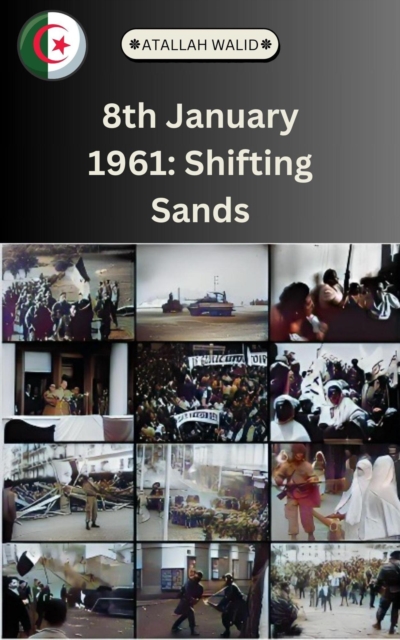
Amidst the tumult of the Algerian War, "e;8th January 1961: Shifting Sands"e; delves into a pivotal moment in history when the fate of Algeria hung in the balance.
Although Kenya is often considered an African success story, its political climate became increasingly repressive under its second president, Daniel arap Moi.
On 25 April 1915, Allied forces landed on the Gallipoli Peninsula in present-day Turkey to secure the sea route between Britain and France in the west and Russia in the east.
This volume brings together an international roster of scientists, many of which have spent their careers researching the fossil evidence for, and the context of, the taxa that are conventionally subsumed within the genus Paranthropus, to present and synthesize the latest research about the paleobiology of Paranthropus.
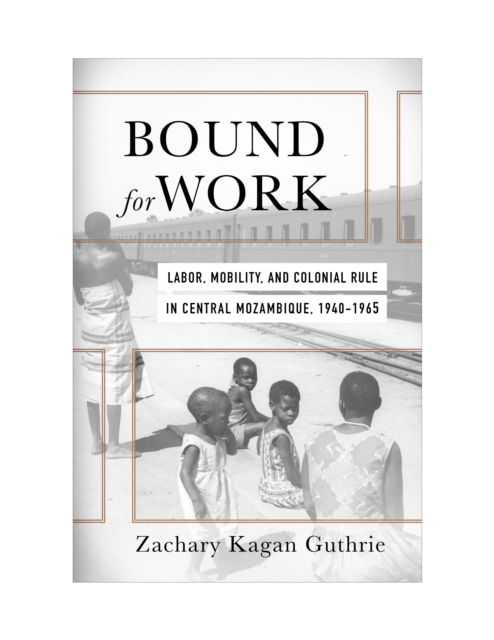
Diverging from the studies of southern African migrant labor that focus on particular workplaces and points of origin, Bound for Work looks at the multitude of forms and locales of migrant labor that individuals-under more or less coercive circumstances-engaged in over the course of their lives.
Originally published in 1972 and as a second edition in 1979, this widely acclaimed biography of Africa's first modern statesman tells the story of Kenyatta's extraordinary and enigmatic career.
Originally published in 1972 and as a second edition in 1979, this widely acclaimed biography of Africa's first modern statesman tells the story of Kenyatta's extraordinary and enigmatic career.
Originally published in 1972 and as a second edition in 1979, this widely acclaimed biography of Africa's first modern statesman tells the story of Kenyatta's extraordinary and enigmatic career.
Originally published in 1972 and as a second edition in 1979, this widely acclaimed biography of Africa's first modern statesman tells the story of Kenyatta's extraordinary and enigmatic career.
This book combines social science concepts, history and transitional justice studies to examine the social dynamics, specific actors and ideologies involved in the genocide in Rwanda and examines what makes this genocide a unique case of mass violence and political transition compared with other cases of mass violence.
Diverging from the studies of southern African migrant labor that focus on particular workplaces and points of origin, Bound for Work looks at the multitude of forms and locales of migrant labor that individuals-under more or less coercive circumstances-engaged in over the course of their lives.
Challenges and Prospects for the Chagos Archipelago considers the origins, challenges and future of Chagos, bringing together leading experts and academics specialising in differing aspects of the Chagos dispute.
The Lagos Consulate, 1851-1861 delves into a transformative decade in the history of Lagos, a period that marked the transition from an independent kingdom to British colonial rule.
Challenges and Prospects for the Chagos Archipelago considers the origins, challenges and future of Chagos, bringing together leading experts and academics specialising in differing aspects of the Chagos dispute.
The Lagos Consulate, 1851-1861 delves into a transformative decade in the history of Lagos, a period that marked the transition from an independent kingdom to British colonial rule.
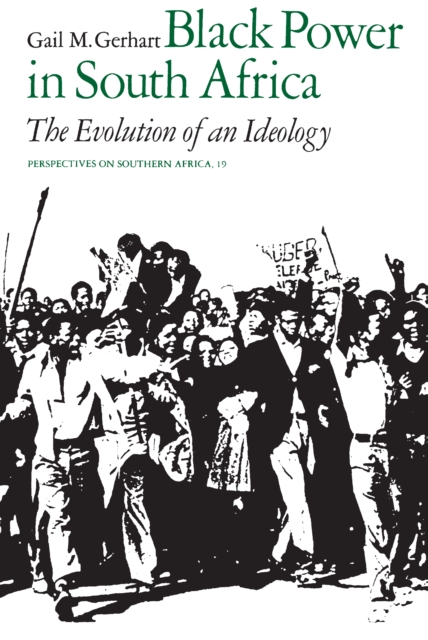
"e;This book, better than any I have seen, provides an understanding of the politics and ideology of orthodox African nationalism, or Black Power, in South Africa since World War II.
"e;This book, better than any I have seen, provides an understanding of the politics and ideology of orthodox African nationalism, or Black Power, in South Africa since World War II.
Changing the Rules: The Politics of Liberalization and the Urban Informal Economy in Tanzania provides a comprehensive examination of Tanzania's informal economy, highlighting its critical role as both a survival mechanism and a force for political and economic change.
This volume brings together an international roster of scientists, many of which have spent their careers researching the fossil evidence for, and the context of, the taxa that are conventionally subsumed within the genus Paranthropus, to present and synthesize the latest research about the paleobiology of Paranthropus.
Changing the Rules: The Politics of Liberalization and the Urban Informal Economy in Tanzania provides a comprehensive examination of Tanzania's informal economy, highlighting its critical role as both a survival mechanism and a force for political and economic change.
Arab Modernism as World Cinema explores the radically beautiful films of Moroccan filmmaker Moumen Smihi, demonstrating the importance of Moroccan and Arab film cultures in histories of world cinema.
Arab Modernism as World Cinema explores the radically beautiful films of Moroccan filmmaker Moumen Smihi, demonstrating the importance of Moroccan and Arab film cultures in histories of world cinema.
This book combines social science concepts, history and transitional justice studies to examine the social dynamics, specific actors and ideologies involved in the genocide in Rwanda and examines what makes this genocide a unique case of mass violence and political transition compared with other cases of mass violence.
The World Today Series: Africa provides students with vital information on all countries on the African continent through a thorough and expert overview of political and economic histories, current events, and emerging trends.
The World Today Series: Africa provides students with vital information on all countries on the African continent through a thorough and expert overview of political and economic histories, current events, and emerging trends.
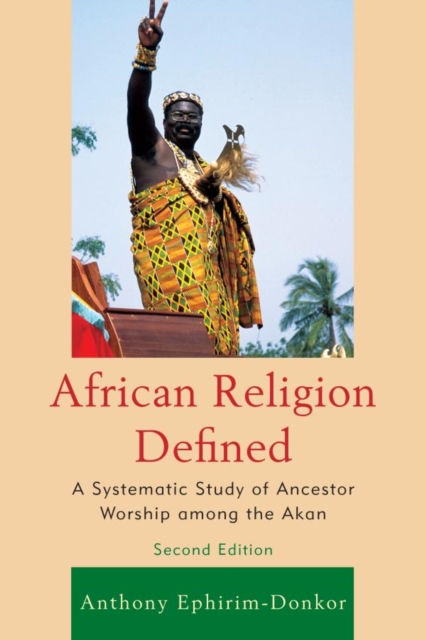
African religion is ancestor worship; it revolves around the dead, now thought to be alive and well in heaven (the Samanadzie) and propitiated by the living on earth.
Examines the effect of prescribed multilingualism as expressed by women writers in colonial contexts What does it mean to be an heir, as a woman writer, to colonial and postcolonial cultures in which European language has become so thoroughly ingrained?