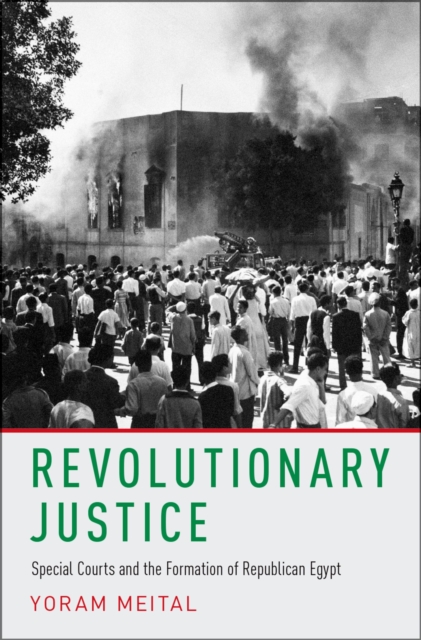
Revolutionary Justice narrates the power struggle between the Free Officers and their adversaries in the aftermath of Egypt's July Revolution of 1952 by studying trials held at the Revolution's Court and the People's Court.
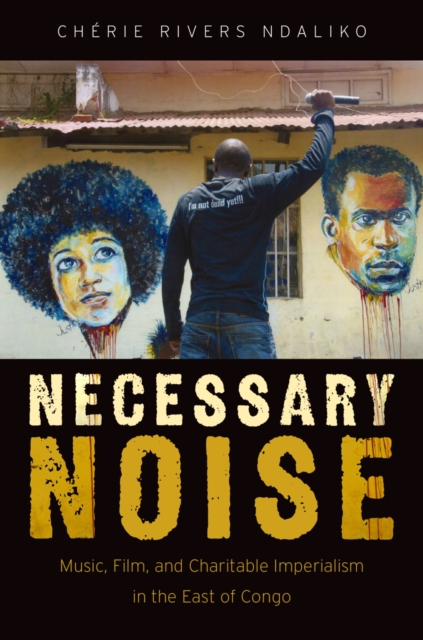
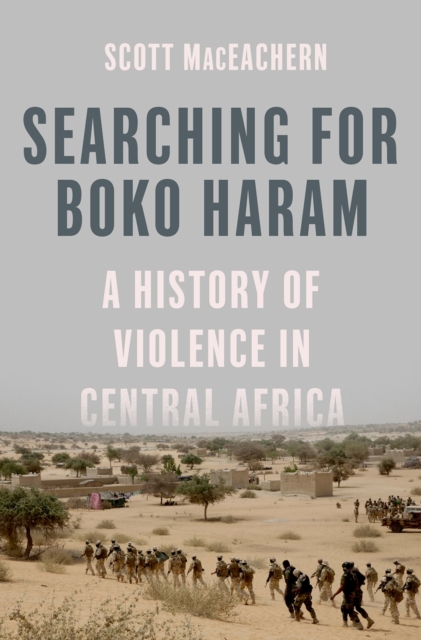
Since 1997, the war in the east of the Democratic Republic of the Congo has taken more than 6 million lives and shapes the daily existence of the nation's residents.
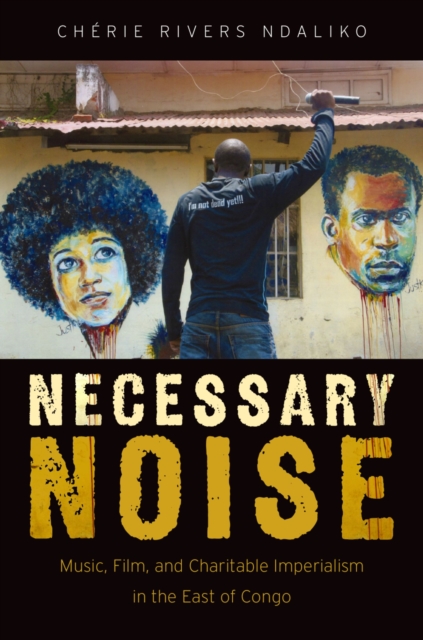
Since 1997, the war in the east of the Democratic Republic of the Congo has taken more than 6 million lives and shapes the daily existence of the nation's residents.
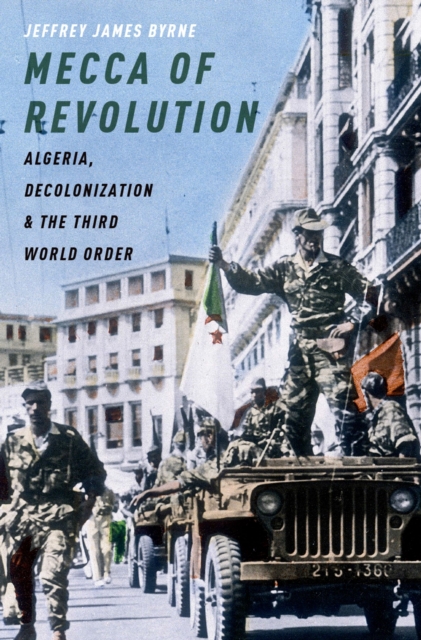
Mecca of Revolution traces the ideological and methodological evolution of the Algerian Revolution, showing how an anticolonial nationalist struggle culminated in independent Algeria's ambitious agenda to reshape not only its own society, but international society too.
In the summer of 1860, more than fifty years after the United States legally abolished the international slave trade, 110 men, women, and children from Benin and Nigeria were brought ashore in Alabama under cover of night.
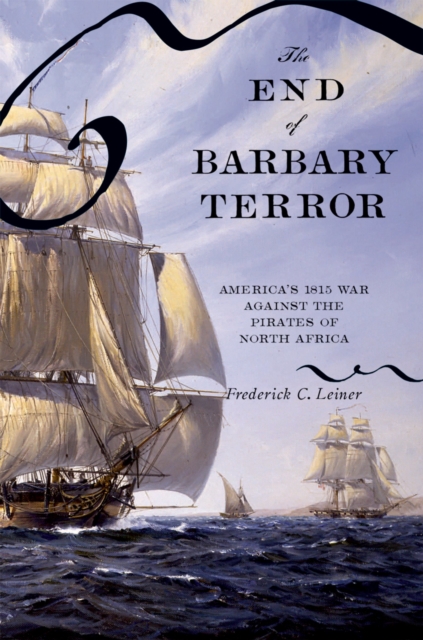
When Barbary pirates captured an obscure Yankee sailing brig off the coast of North Africa in 1812, enslaving eleven American sailors, President James Madison first tried to settle the issue through diplomacy.
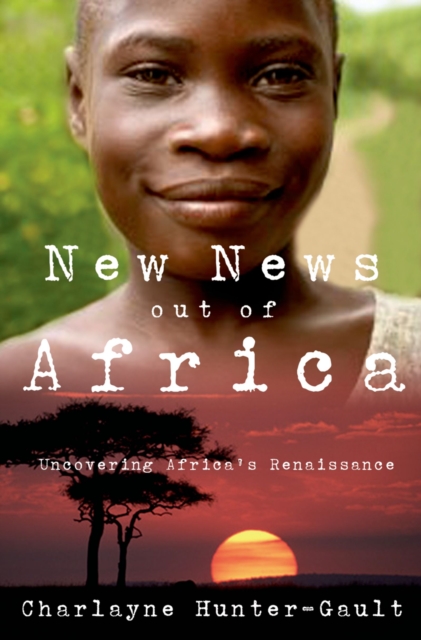
For twenty years an acclaimed correspondent on PBS's The News Hour with Jim Lehrer and the winner of two Emmys and two Peabody Awards (the latter two for her coverage of Africa), Charlayne Hunter-Gault was until recently the Johannesburg Bureau Chief for CNN.
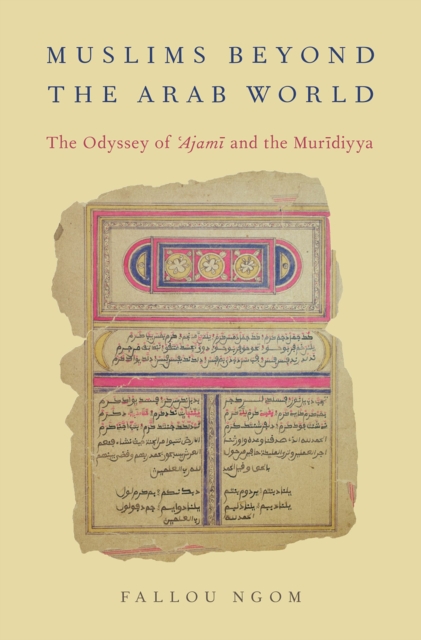
Muslims beyond the Arab World explores the vibrant tradition of writing African languages using the modified Arabic script ('Ajami) alongside the rise of the Muridiyya Sufi order in Senegal.
Abortion Under Apartheid examines the politics of abortion in South Africa during the apartheid era (1948-1990), when termination of pregnancy was criminalized.
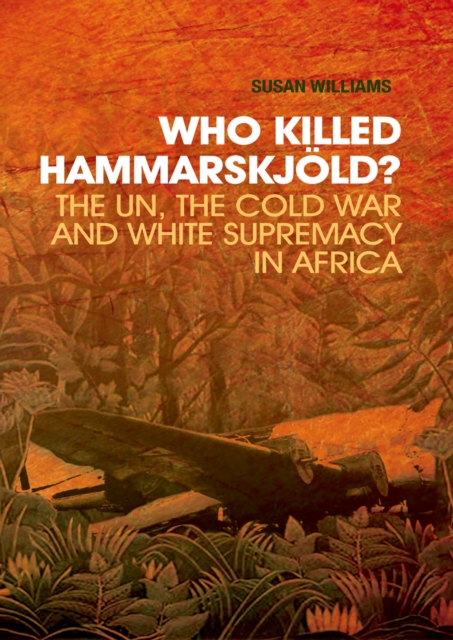
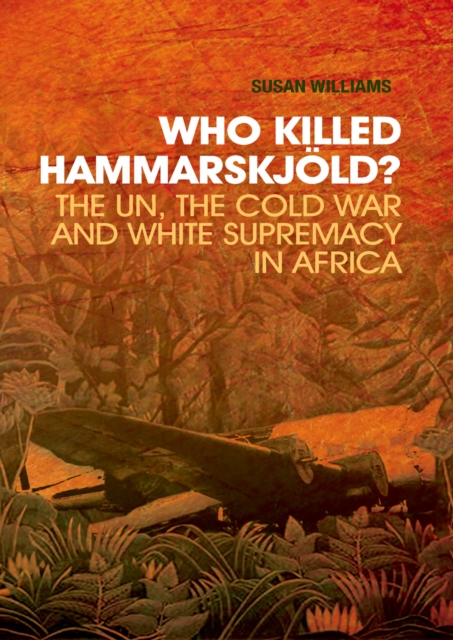
One of the outstanding mysteries of the twentieth century, and one with huge political resonance, is the death of Dag Hammarskjold and his UN team in a plane crash in central Africa in 1961.
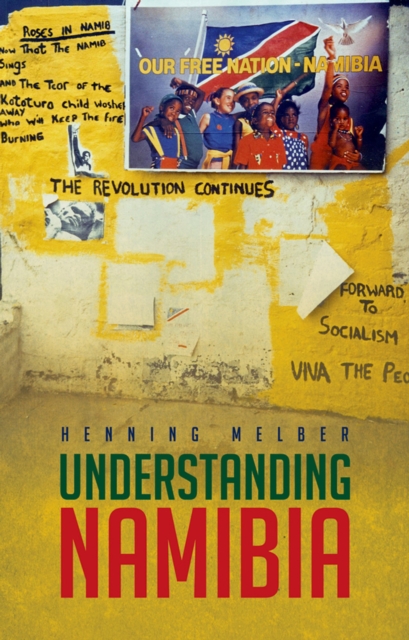
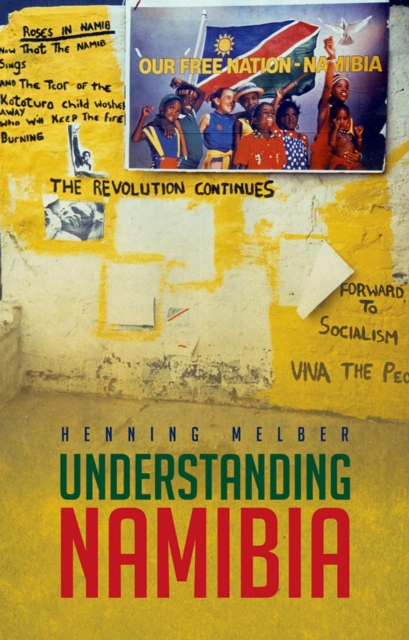
Since independence in 1990, Namibia has witnessed only one generation with no memory of colonialism - the 'born frees', who voted in the 2009 elections.
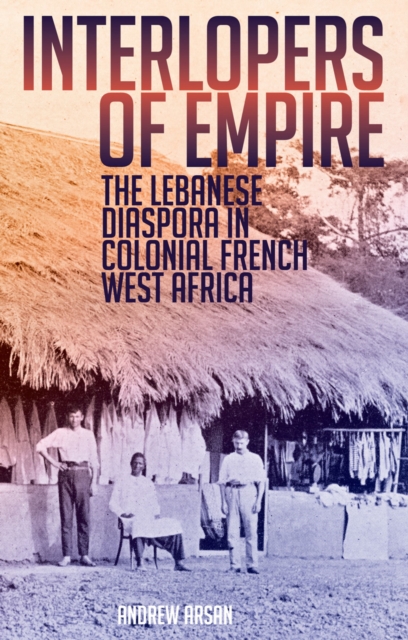
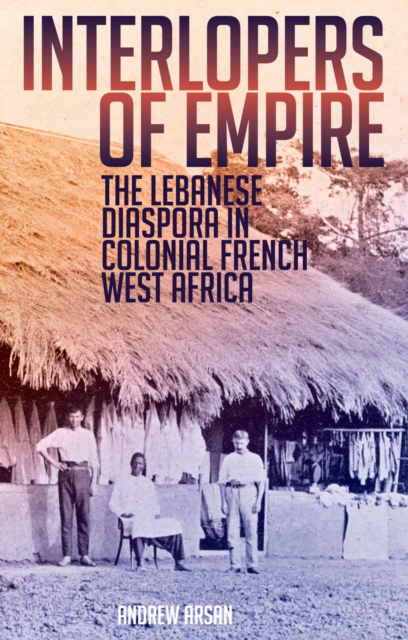
This work is the first comprehensive history of the Lebanese migrant communities of colonial French West Africa, a vast expanse that covered present-day Senegal, Cote d'Ivoire, Mali, Guinea, Benin and Mauritania.
Since independence in 1990, Namibia has witnessed only one generation with no memory of colonialism - the 'born frees', who voted in the 2009 elections.
One of the outstanding mysteries of the twentieth century, and one with huge political resonance, is the death of Dag Hammarskjold and his UN team in a plane crash in central Africa in 1961.
This work is the first comprehensive history of the Lebanese migrant communities of colonial French West Africa, a vast expanse that covered present-day Senegal, Cote d'Ivoire, Mali, Guinea, Benin and Mauritania.
In just over a hundred years--from the death of the Mohammed in 632 to the beginning of the Abbasid Caliphate in 750--the followers of the Prophet swept across the whole of the Middle East, North Africa, and Spain.
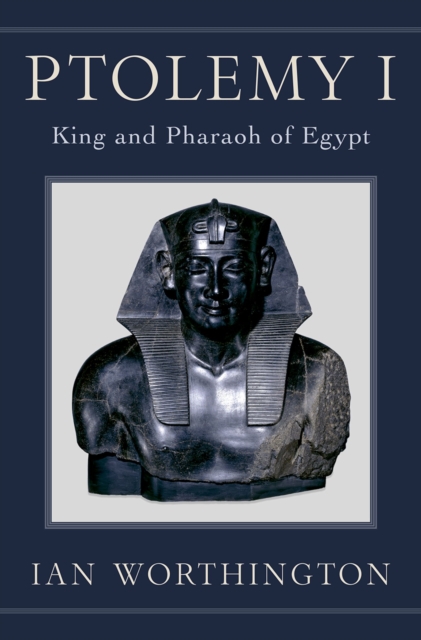
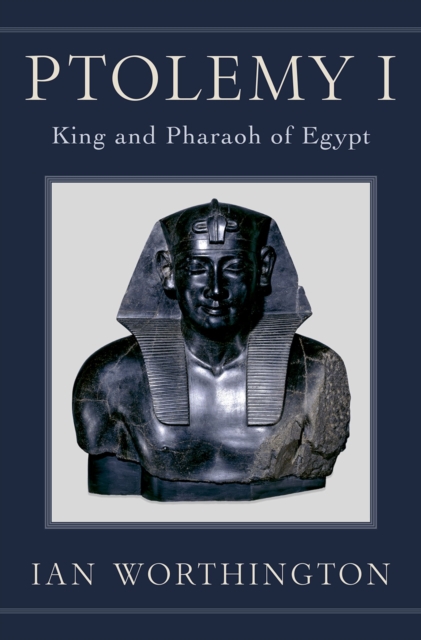
When Rome defeated the forces of Antony and Cleopatra and annexed Egypt, the rule of the longest-lived of the Hellenistic dynasties and one of the most illustrious in Egyptian history came to an end.
When Rome defeated the forces of Antony and Cleopatra and annexed Egypt, the rule of the longest-lived of the Hellenistic dynasties and one of the most illustrious in Egyptian history came to an end.
In autumn 1951, a diverse array of Muslim, Christian, and Jewish students from clubs like the Muslim Brotherhood and the Worker's Vanguard launched a guerrilla struggle against British occupation of the Suez Canal Zone.
'The most honest attempt yet to tell how the Battle of Britain really was' Andrew Wilson, ObserverHistory is swamped by patriotic myths about the aerial combat fought between the RAF and the Luftwaffe over the summer of 1940.
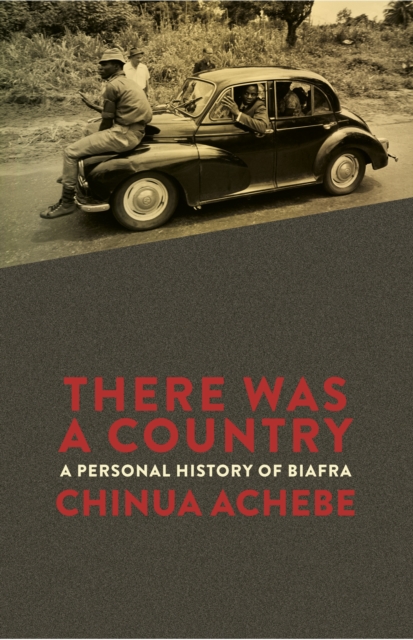
From the legendary author of Things Fall Apart comes this long-awaited memoir recalling Chinua Achebe's personal experiences of and reflections on the Biafran War, one of Nigeria's most tragic civil warsChinua Achebe, the author of Things Fall Apart, was a writer whose moral courage and storytelling gifts have left an enduring stamp on world literature.
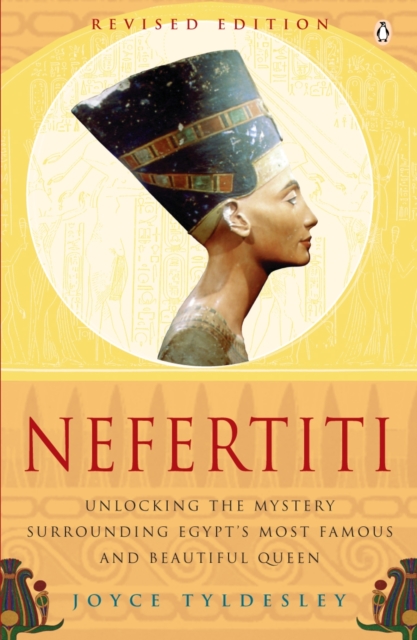
For over a decade Nefertiti, wife of the heretic king Akhenaten, was the most influential woman in the Bronze Age world; a beautiful queen blessed by the sun-god, adored by her family and worshipped by her people.
2016 is the 100th anniversary of the Battle of the Somme'There was hardly a household in the land', writes Lyn Macdonald, 'there was no trade, occupation, profession or community, which was not represented in the thousands of innocent enthusiasts who made up the ranks of Kitchener's Army before the Battle of the Somme.
Drawing on many years of African experience, John Reader has written a book of startling grandeur and scope that recreates the great panorama of African history, from the primeval cataclysms that formed the continent to the political upheavals facing much of the continent today.
After the deposition of Haile Selassie in 1974, which ended the ancient rule of the Abyssinian monarchy, Ryszard Kapuscinski travelled to Ethiopia and sought out surviving courtiers to tell their stories.
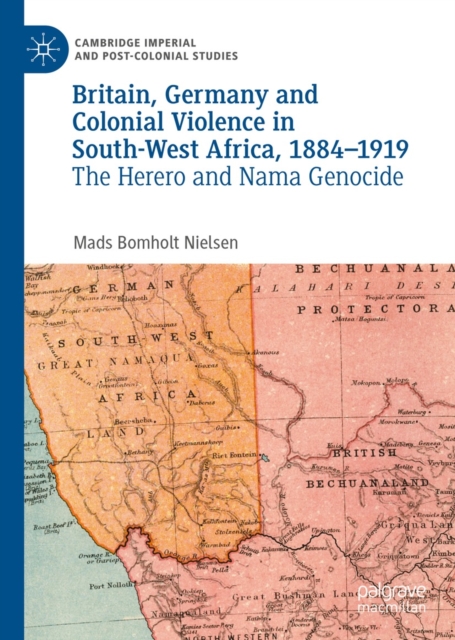
Reflecting emerging scholarship on the entanglement of colonial histories, this book examines British and South African perspectives on, and involvement in, the genocide of the Herero and Nama in German South West Africa from 1904 to 1908.