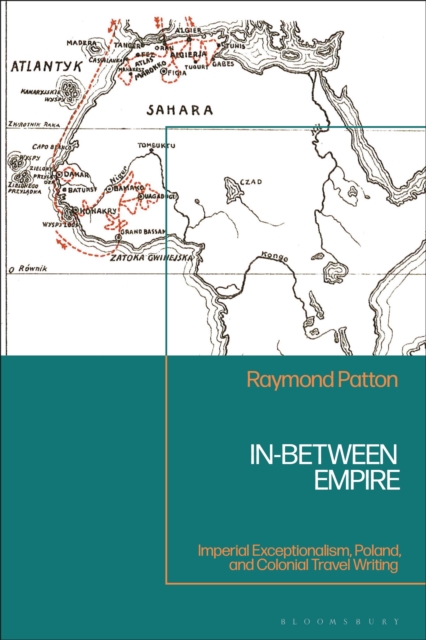
Exploring how Polish writers positioned themselves as neither colonized nor colonizers, In-Between Empire analyses their literary works on empire during the 19th and 20th centuries to explore how they negotiated their in-between position in the global imperial hierarchy.
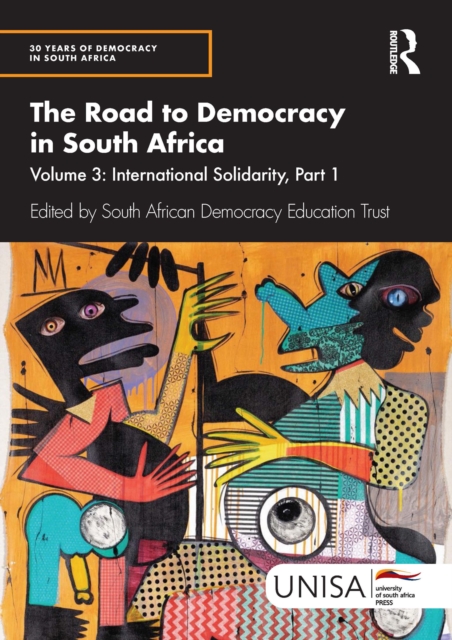
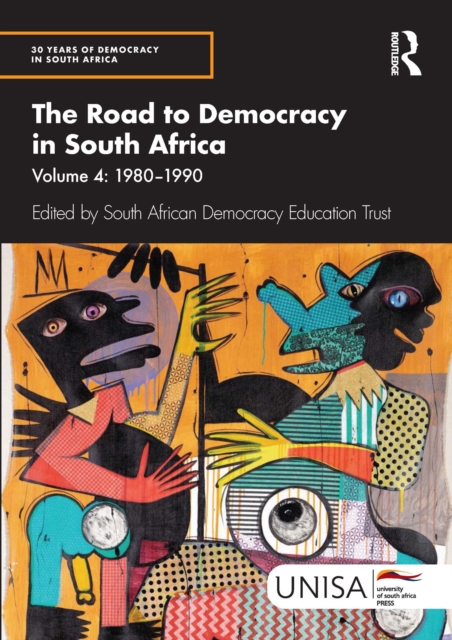
This book covers the contributions of various international organisations, governments and their peoples, and solidarity organisations to the liberation struggle in South Africa.
In South Africa, the decade of 1980-1990 not only saw the mobilisation of the popular masses, but also the marked escalation of the armed struggle inside the country, initiated and waged by the African National Congress (ANC).
This book explains the prevalence of electoral authoritarianism (or multi-party autocracy) in the politics of sub-Saharan Africa and examines why repeated elections have not deepened democracy.
This book presents a detailed study of the political journalism of Ruth First - an independent thinker and a headstrong journalist who stood her ground in a male-dominated liberation movement.
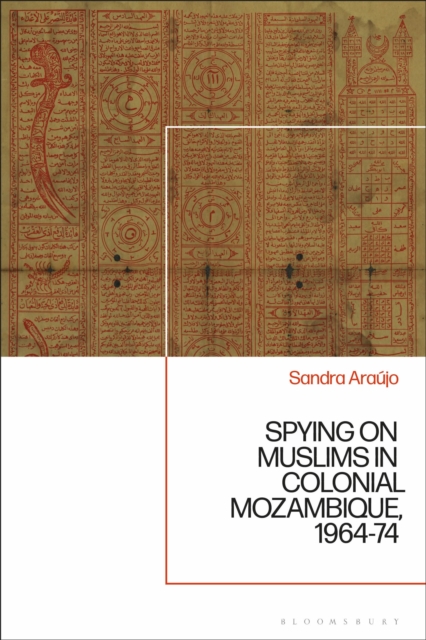
Revealing Portugal's counterinsurgent spying on Muslims during Mozambique's liberation struggle, this book uses archival and field work to study Muslim responses to counterinsurgency and armed nationalism that led to Mozambique's freedom from colonial rule.
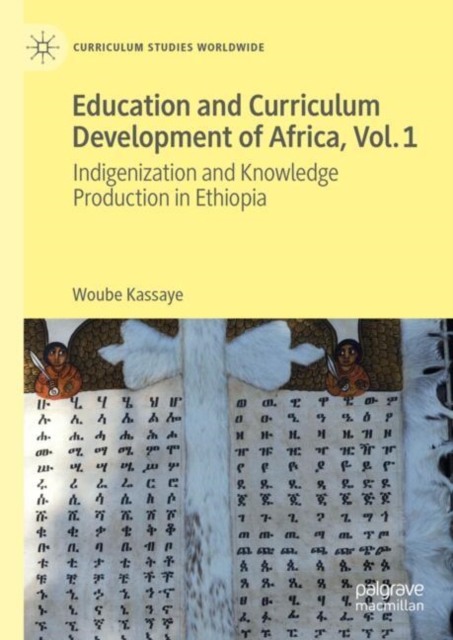
This book, the first of two volumes, focuses on the conceptualization of Indigenous Knowledge and Curriculum, Ethiopian/African Philosophy and the possibilities of Indigenization/Africanization of African Education.
This book, the first of two volumes, focuses on the conceptualization of Indigenous Knowledge and Curriculum, Ethiopian/African Philosophy and the possibilities of Indigenization/Africanization of African Education.
This book covers the contributions of various international organisations, governments and their peoples, and solidarity organisations to the liberation struggle in South Africa.
Based on archives from governments, parties, organisations and individuals, this book investigates the relationship between the British left and Algerian liberation movements during the Algerian War of Independence (1954-1962).
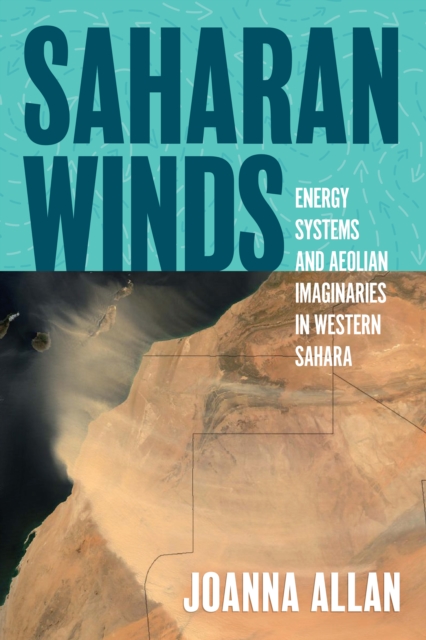
Winner, ASLE-UKI Critical Book Prize, 2025 Finalist, Ecocritical Book Award, 2025, Association for the Study of Literature and Environment (ASLE) Longlisted, Bread and Roses Award for Radical Publishing, 2025 As climate crisis ensues, a transition away from fossil fuels becomes urgent.
Winner, ASLE-UKI Critical Book Prize, 2025 Finalist, Ecocritical Book Award, 2025, Association for the Study of Literature and Environment (ASLE) Longlisted, Bread and Roses Award for Radical Publishing, 2025 As climate crisis ensues, a transition away from fossil fuels becomes urgent.
After assuming power in 1980, the Zimbabwe African National Union (ZANU) has sought to control the narrative of the struggle for liberation from colonialism, to the exclusion of other players such as the Zimbabwe African People's Union (ZAPU).
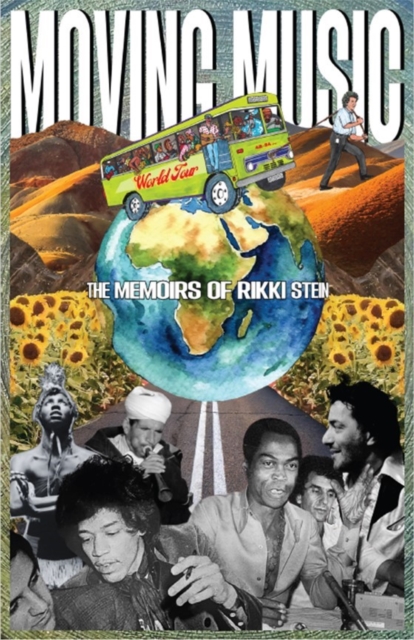
Renowned music manager, Rikki Stein, has spent nearly six decades moving musicians around the world, and this book recounts a lifetime of adventure on the road.