This book describes the career of an English aristocrat, Christopher Bethell, who arrives in southern Africa in 1878 as the classic "e;remittance"e; man, despatched to the colonies to avoid a scandal at home.
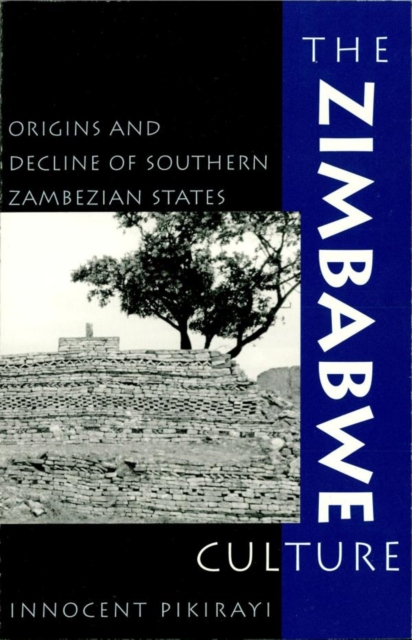
Offering a unique and original perspective on the rise and fall of indigenous states of southern Zambezia, The Zimbabwe Culture analyzes the long contentious history of the remains of the remarkable cyclopean masonry, ranging from mighty capitals of traditional kings to humble farmsteads.
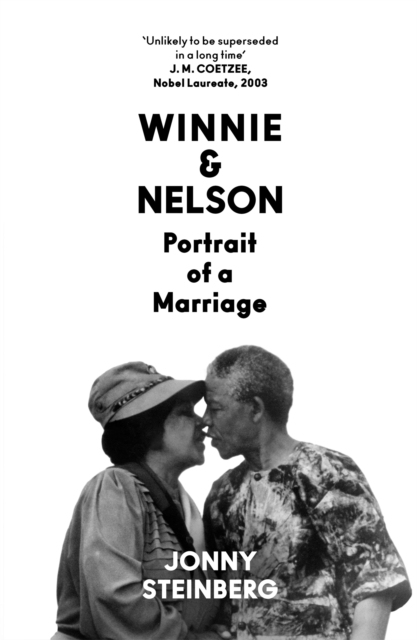
*Shortlisted for the 2024 Wolfson History Prize*'Gripping and profoundly moving' DAMON GALGUT'Deft and operatic' OBSERVERFrom one of South Africa's foremost nonfiction writers, a deeply researched, shattering new account of Nelson Mandela's relationship with Winnie Madikizela-Mandela.
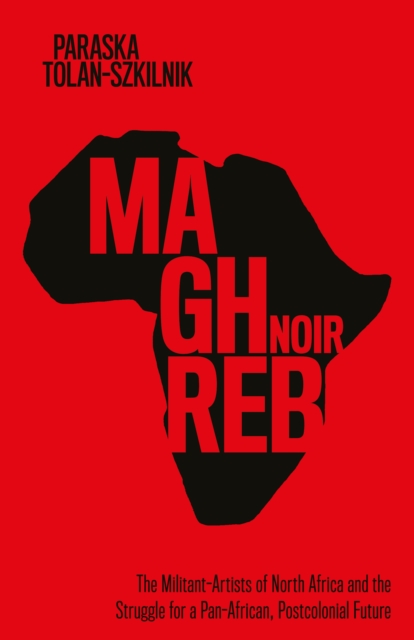
Upon their independence, Moroccan, Algerian, and Tunisian governments turned to the Global South and offered military and financial aid to Black liberation struggles.
In Waste Works, Brenda Chalfin examines Ghana's planned city of Tema, theorizing about the formative role of waste infrastructure in urban politics and public life.
A prominent historian provides an engaging on-the-ground account of the everyday authoritarianism that produced the Arab Spring in Egypt "e;A visceral and perceptive study of life under autocracy.
Independent Museums and Culture Centres in Colonial and Post-colonial Zimbabwe presents case studies that grapple with the issue of 'decolonising practice' in privately owned museums and cultural centres in Zimbabwe.
Independent Museums and Culture Centres in Colonial and Post-colonial Zimbabwe presents case studies that grapple with the issue of 'decolonising practice' in privately owned museums and cultural centres in Zimbabwe.
First Published in 1981, Ghana 1957-1966 presents a comprehensive overview of the period when the Convention People's Party (CPP) ruled Ghana under a one party system.
First Published in 1981, Ghana 1957-1966 presents a comprehensive overview of the period when the Convention People's Party (CPP) ruled Ghana under a one party system.
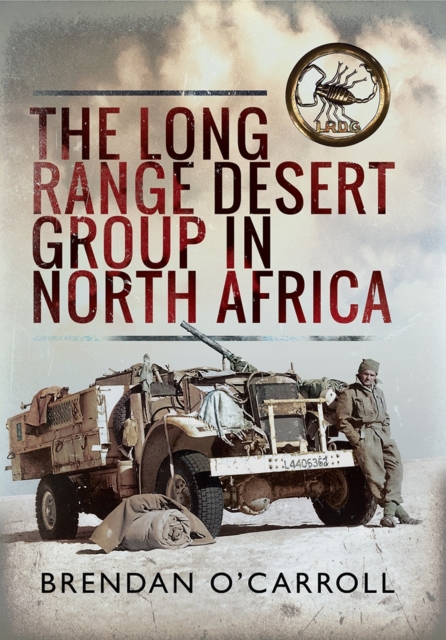
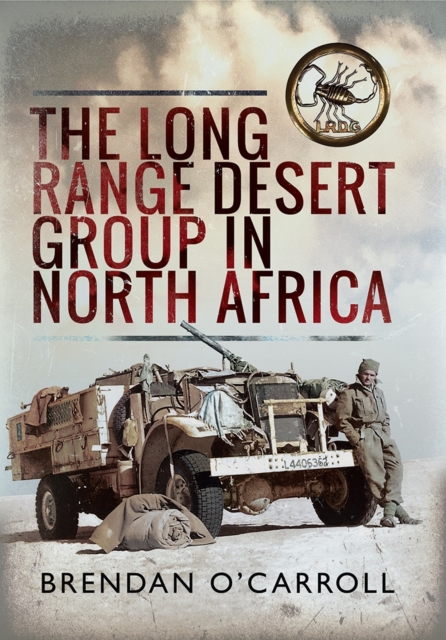
Formed in July 1940 for reconnaissance and intelligence gathering behind enemy lines, the Long Range Desert Group was the first British special force unit.
Formed in July 1940 for reconnaissance and intelligence gathering behind enemy lines, the Long Range Desert Group was the first British special force unit.
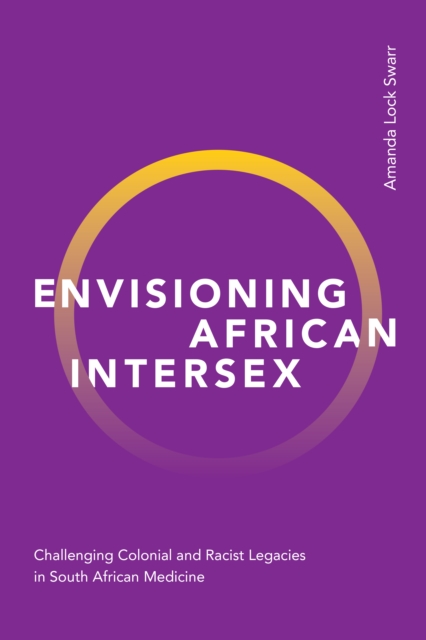
Since the 1600s, travelers, scientists, and doctors have claimed that "e;hermaphroditism"e; and intersex are disproportionately common among black South Africans.
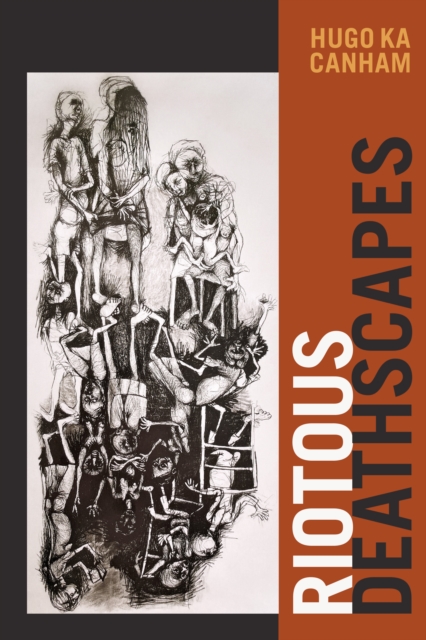
In Riotous Deathscapes, Hugo ka Canham presents an understanding of life and death based on indigenous and black ways of knowing that he terms Mpondo theory.
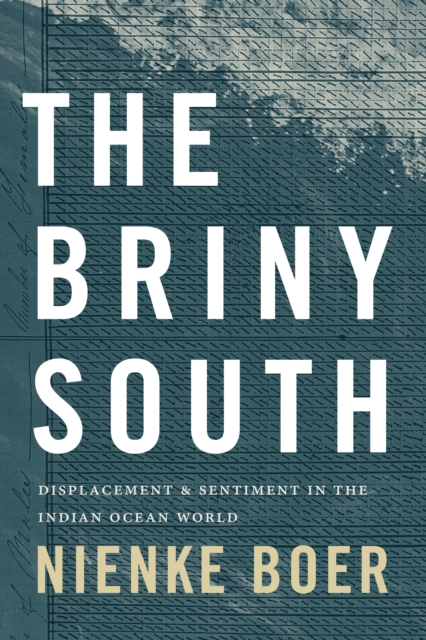
In The Briny South Nienke Boer examines the legal and literary narratives of enslaved, indentured, and imprisoned individuals crossing the Indian Ocean to analyze the formation of racialized identities in the imperial world.
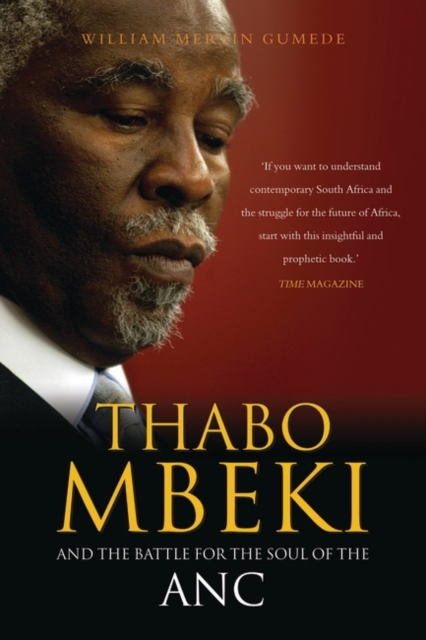
As a spokesman for a country, a continent and the developing world, Thabo Mbeki plays a crucial role in world politics, but to many people he is an enigma.
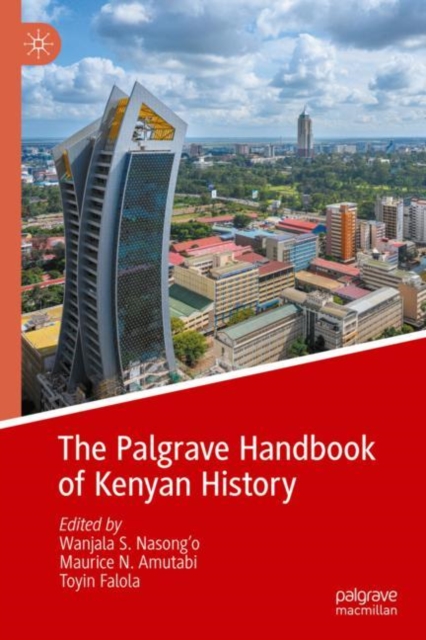
This volume covers Kenya's history, society, culture, economics, politics, and environment from precolonial times through the first years of independence.
Independence from colonial rule did not usher in the halcyon days many North Africans had hoped for, as the new governments in Morocco, Tunisia, and Algeria soon came to rely on repression to reinforce and maintain power.
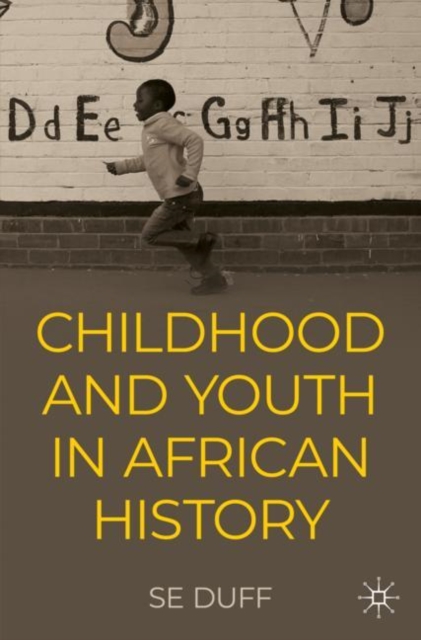
This textbook introduces readers to the academic scholarship on the history of childhood and youth in sub-Saharan Africa, with a particular focus on the colonial and postcolonial eras.
Drawing from an interdisciplinary body of research and data, Women of Piracy employs a criminological lens to explore how women have been involved in, and impacted by, maritime piracy operations from the 16th century to present day piracy off the coast of Somalia.
By paying attention to Algerian Independence, this book reconstructs the action of the Catholic Church regarding the issues of the spread of Islam in colonies, to Arab nationalism, Marxist propaganda in non-European countries, and the effects of the Algerian crisis upon the French political system.
By paying attention to Algerian Independence, this book reconstructs the action of the Catholic Church regarding the issues of the spread of Islam in colonies, to Arab nationalism, Marxist propaganda in non-European countries, and the effects of the Algerian crisis upon the French political system.
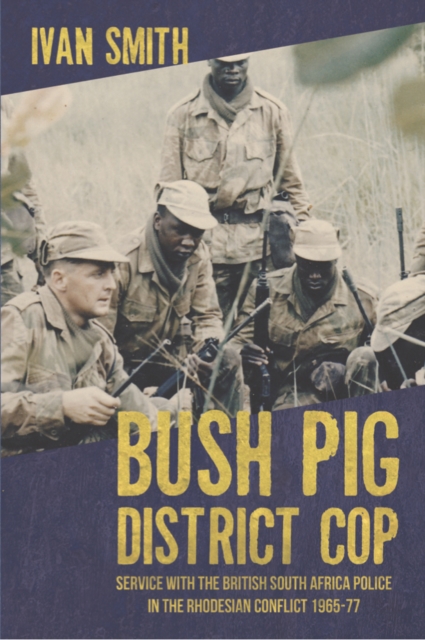
This is the story of one man's service in the British South Africa Police of Rhodesia during his service of nearly fifteen years, between the years 1965 and 1979, and in many ways forms a sequel to the author's book Mad Dog Killers.
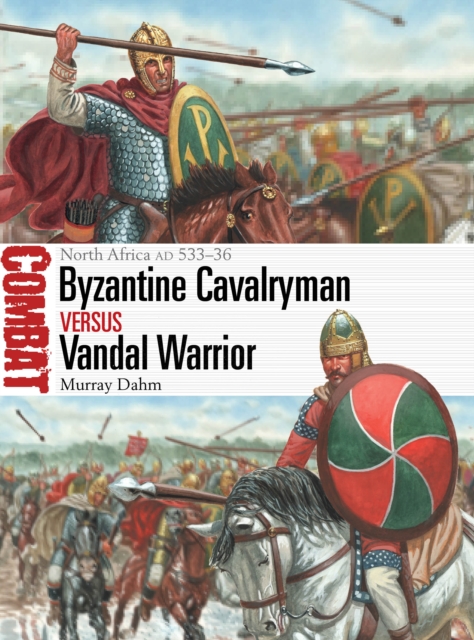
Fully illustrated, this enthralling study explores how the Vandals in North Africa attempted to defend their kingdom against the resurgent Byzantine Empire during 533 36.
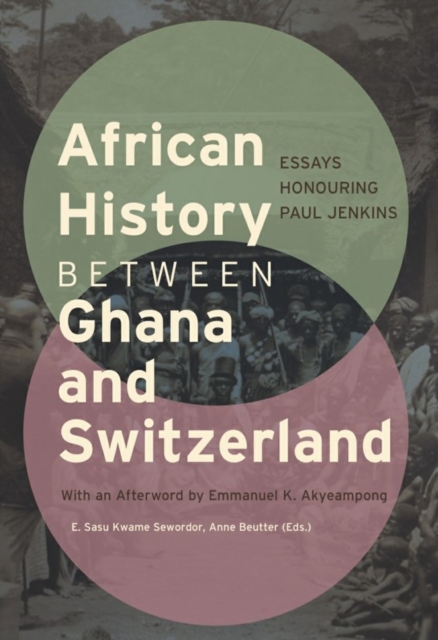
This collection of essays documents the formative decades of African history across two countries by following the career of the British historian-cum-archivist Paul Jenkins (born 1938 in Sutherland) from West Africa to Central Europe.
The Twilight of European Colonialism (1961) is a comprehensive appraisal of modern colonialism, as well as providing historical background, of the governments of British, French, Belgian and Portuguese colonies.
The Turning Point in Africa (1982) is a significant study of British colonial policy towards tropical Africa during a critical decade, from the complacent trusteeship of the inter-war years to the strategy of decolonization inaugurated after the Second World War.
The Yoruba-Speaking Peoples of the Slave Coast of West Africa (1894) is an important work of in-depth research into one of the principal indigenous communities of West Africa.
The Twilight of European Colonialism (1961) is a comprehensive appraisal of modern colonialism, as well as providing historical background, of the governments of British, French, Belgian and Portuguese colonies.
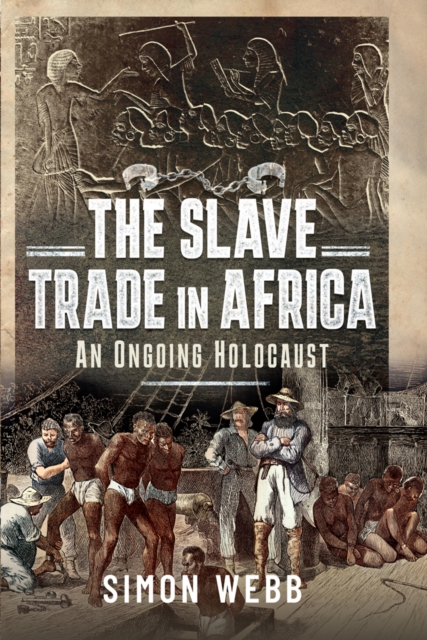
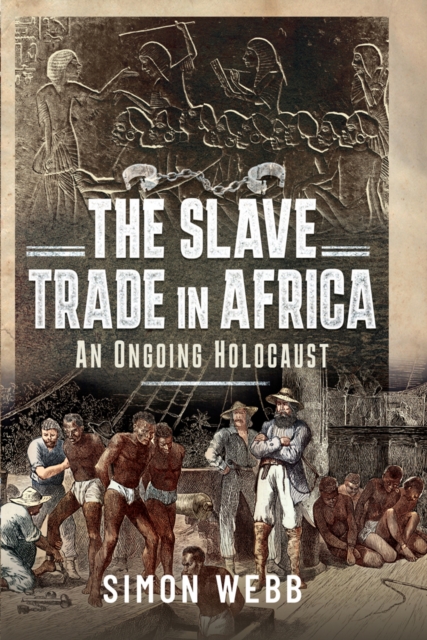
Is it true that the trans-Atlantic slave trade, about which so much has been heard in recent years, would have been impossible without the willing and enthusiastic cooperation of African leaders?
Is it true that the trans-Atlantic slave trade, about which so much has been heard in recent years, would have been impossible without the willing and enthusiastic cooperation of African leaders?