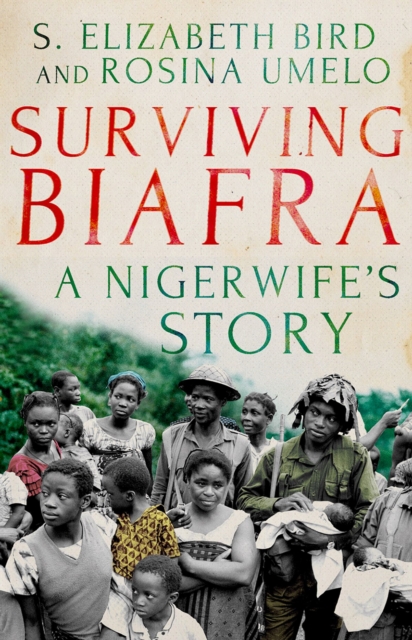
In 1961, Rosina 'Rose' Martin married John Umelo, a young Nigerian she met on a London Tube station platform, eventually moving to Nigeria with him and their children.
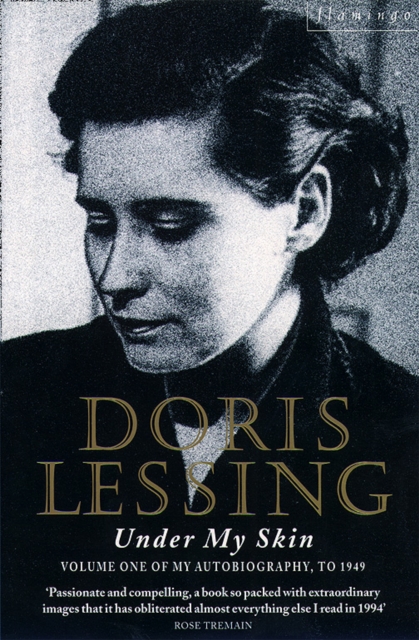
The first volume of the autobiography of Doris Lessing, author of 'The Grass is Singing' and 'The Golden Notebook', and Winner of the Nobel Prize for Literature 2007.
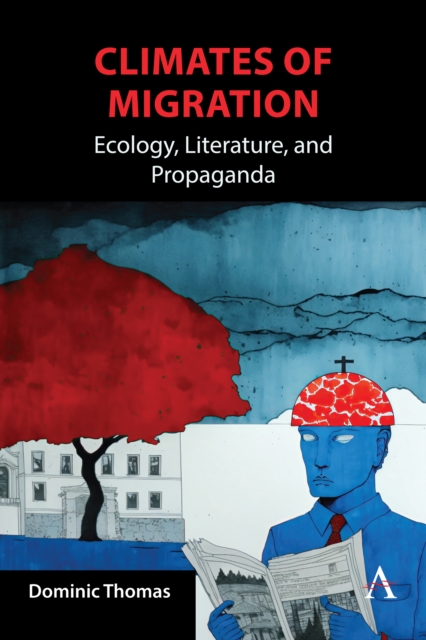
Climate and migration provide the organizational pillars, and the plural "e;climates"e; in the title accentuates the figurative non-literal sense to signify the atmosphere that is attached to anxiety, disinformation, fear and violence.
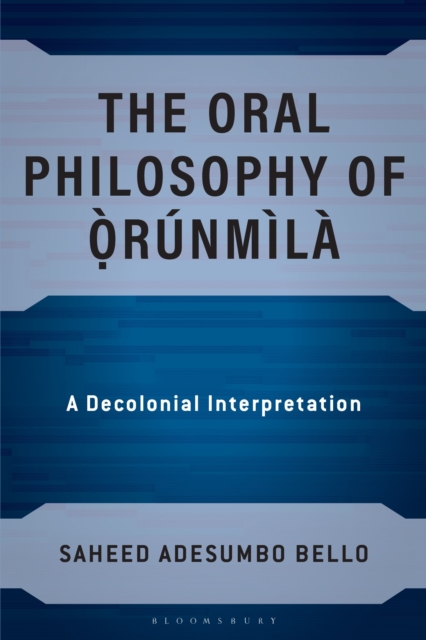
Foregrounding the historical movements of decolonization in African intellectual traditions, this book argues that the Yoruba knowledge system grounds philosophy, history, and religious studies in aiye, the incomprehensible world.
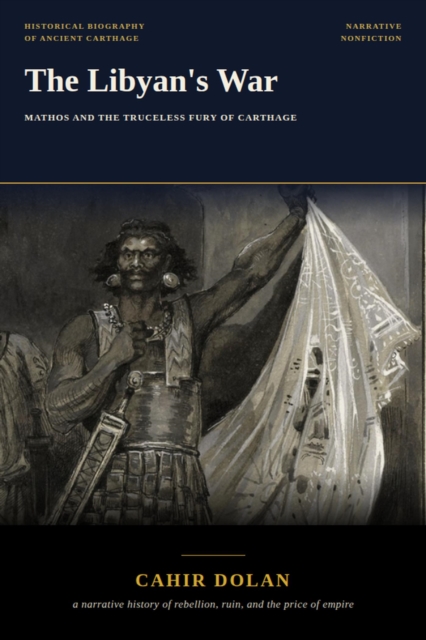
The Libyan's War: Mathos and the Truceless Fury of Carthage In 241 BC, a bankrupt Carthage tried to stiff twenty thousand veteran soldiers out of their wages, and nearly paid with its life.
In an era of rapidly shifting socioeconomic landscapes and mounting climate challenges, understanding and improving the welfare of pastoralist societies in Africa’s fragile drylands is more critical than ever.
In an era of rapidly shifting socioeconomic landscapes and mounting climate challenges, understanding and improving the welfare of pastoralist societies in Africa’s fragile drylands is more critical than ever.
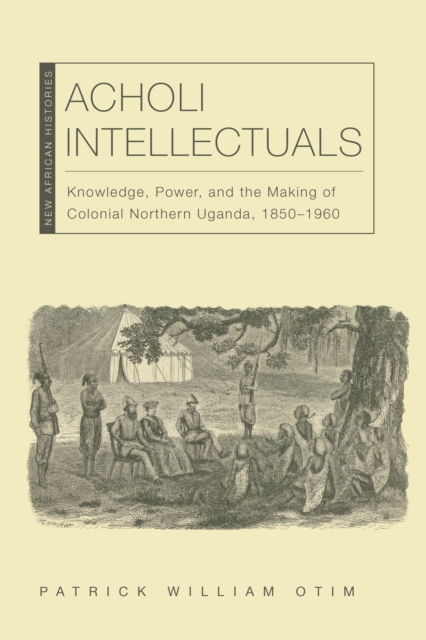
Acholi Intellectuals draws on the writings of homespun historians, interviews with elderly men and women who remember the last days of colonial rule, and government and missionary archives to illuminate the intellectual and political history of the colonial transition in northern Uganda.
Acholi Intellectuals draws on the writings of homespun historians, interviews with elderly men and women who remember the last days of colonial rule, and government and missionary archives to illuminate the intellectual and political history of the colonial transition in northern Uganda.
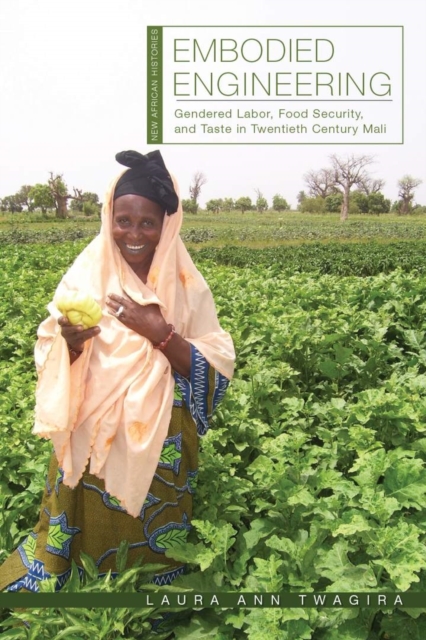
Foregrounding African women's ingenuity and labor, this pioneering case study shows how women in rural Mali have used technology to ensure food security through the colonial period, environmental crises, and postcolonial rule.
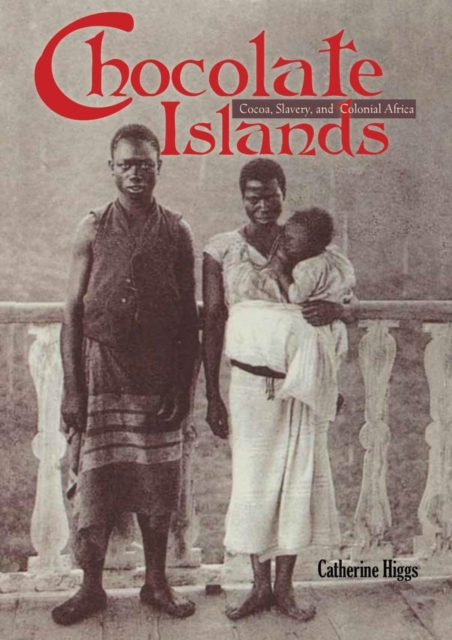
In Chocolate Islands: Cocoa, Slavery, and Colonial Africa, Catherine Higgs traces the early-twentieth-century journey of the Englishman Joseph Burtt to the Portuguese colony of Sao Tome and Principe-the chocolate islands-through Angola and Mozambique, and finally to British Southern Africa.
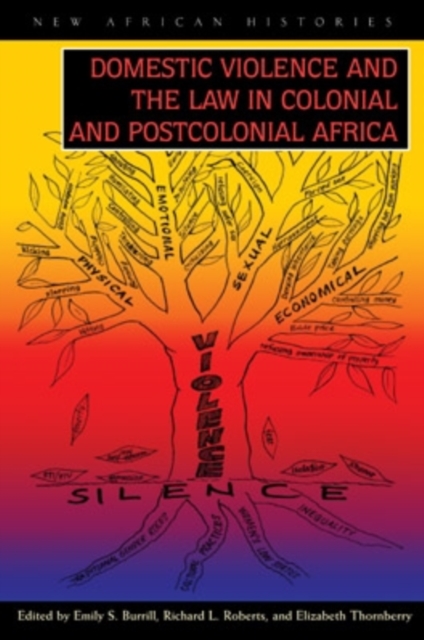
Domestic Violence and the Law in Colonial and Postcolonial Africa reveals the ways in which domestic space and domestic relationships take on different meanings in African contexts that extend the boundaries of family obligation, kinship, and dependency.
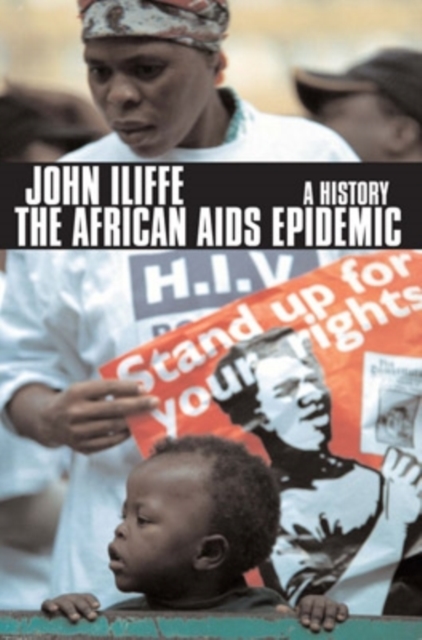
This history of the African AIDS epidemic is a much-needed, accessibly written historical account of the most serious epidemiological catastrophe of modern times.
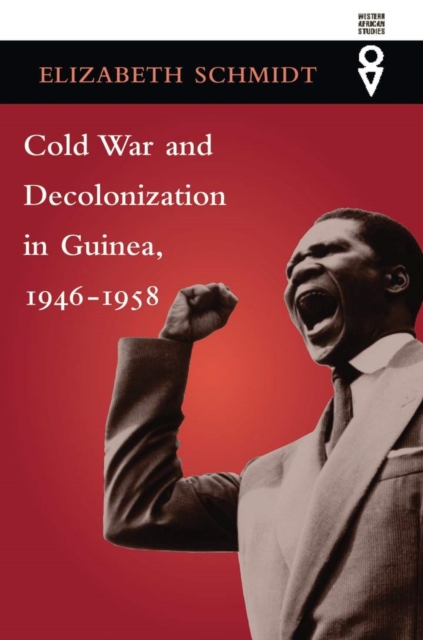
In September 1958, Guinea claimed its independence, rejecting a constitution that would have relegated it to junior partnership in the French Community.
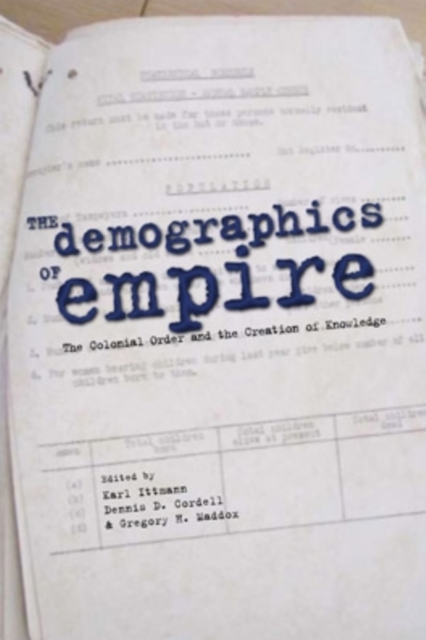
The Demographics of Empire is a collection of essays examining the multifaceted nature of the colonial science of demography in the last two centuries.
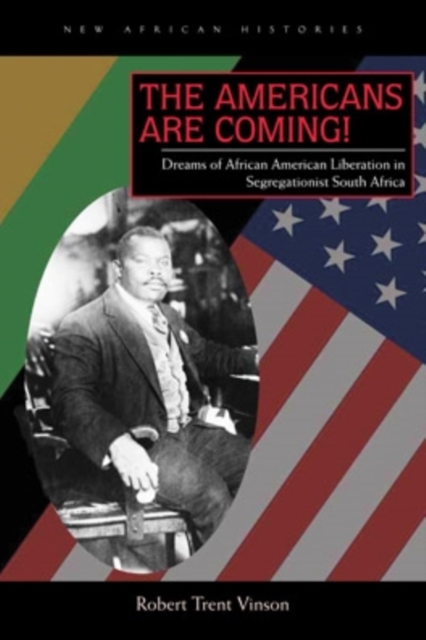
For more than half a century before World War II, black South Africans and "e;American Negroes"e;-a group that included African Americans and black West Indians-established close institutional and personal relationships that laid the necessary groundwork for the successful South African and American antiapartheid movements.
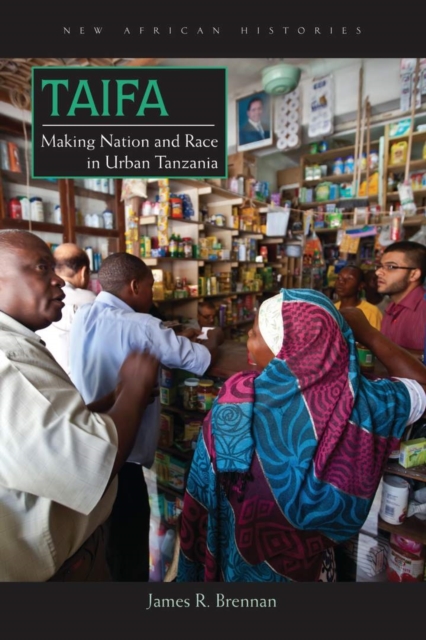
Taifa is a story of African intellectual agency, but it is also an account of how nation and race emerged out of the legal, social, and economic histories in one major city, Dar es Salaam.
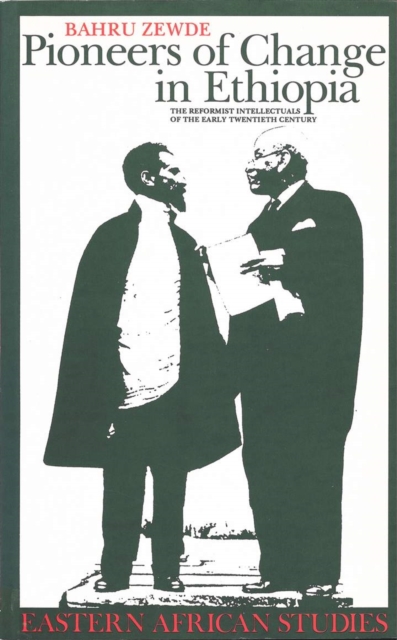
In this exciting new study, Bahru Zewde, one of the foremost historians of modern Ethiopia, has constructed a collective biography of a remarkable group of men and women in a formative period of their country's history.
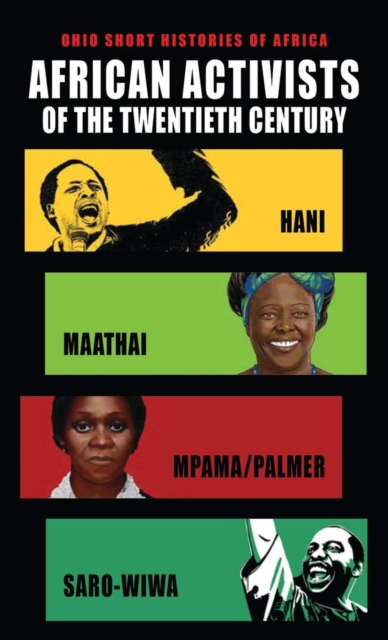
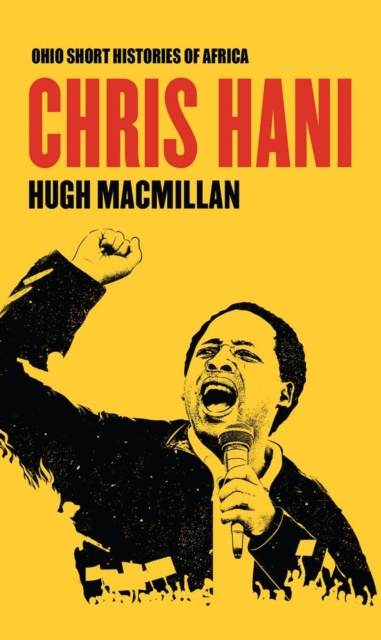
This biography shows how Black political leader Chris Hani's life and death were pivotal to ending apartheid and to establishing a democratic government in South Africa.
Deja presente en Afrique du Nord il y a presque trois mille ans, la communaute juive a reussi a conserver sa cohesion et son identite par-dela les evenements historiques et les mouvements de populations qu'a connus la region.
Drawing on new interviews and previously underused archival material, this book explores women's anti-apartheid activism in South Africa and within broader transnational networks from 1952 to 1962 through a comparison of the Federation of South African Women (FEDSAW) and the Black Sash.
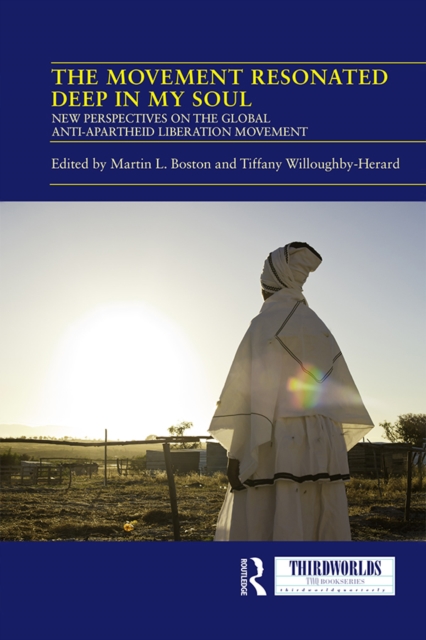
This book delves into the past and present of South African liberation movements, exploring how they intertwine movement theory and practice rooted in diaspora experiences, cultural production, anti-apartheid activism, and transnational solidarity.
This book focuses on the history and prospects of the strategic alliances between African nations and America's Historically Black Colleges and Universities (HBCUs).
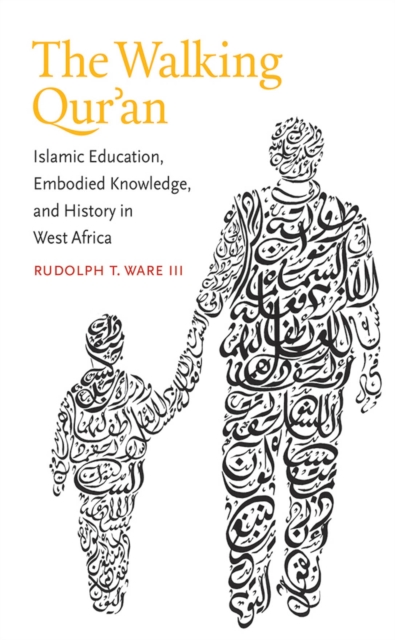
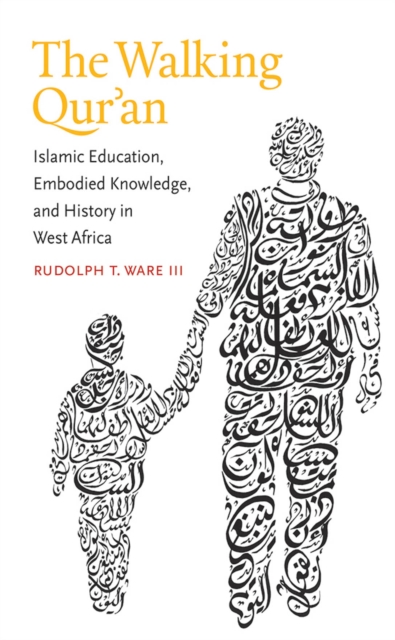
Spanning a thousand years of history and bringing the story to the present through ethnographic fieldwork in Senegal, Gambia, and Mauritania Rudolph Ware documents the profound significance of Qur'an schools for West African Muslim communities.
This book focuses on the history and prospects of the strategic alliances between African nations and America's Historically Black Colleges and Universities (HBCUs).
Drawing on new interviews and previously underused archival material, this book explores women's anti-apartheid activism in South Africa and within broader transnational networks from 1952 to 1962 through a comparison of the Federation of South African Women (FEDSAW) and the Black Sash.
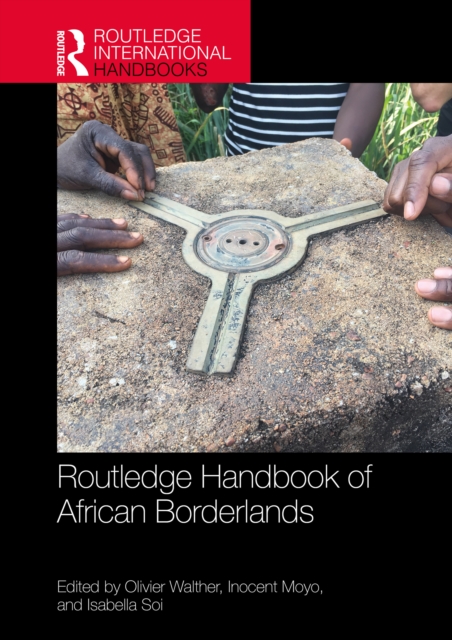
The Routledge Handbook of African Borderlands provides a comprehensive analysis of the factors shaping the past, present, and future of African borderlands, in all their complexity.
Spanning a thousand years of history and bringing the story to the present through ethnographic fieldwork in Senegal, Gambia, and Mauritania Rudolph Ware documents the profound significance of Qur'an schools for West African Muslim communities.
In this exciting new study, Bahru Zewde, one of the foremost historians of modern Ethiopia, has constructed a collective biography of a remarkable group of men and women in a formative period of their country's history.
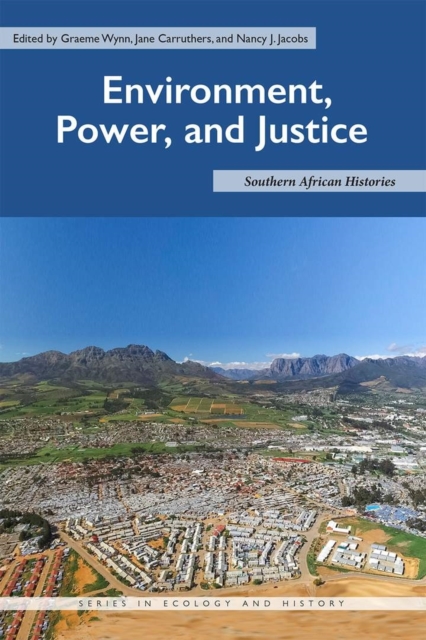
Spanning the colonial, postcolonial, and postapartheid eras, these historical and locally specific case studies analyze and engage vernacular, activist, and scholarly efforts to mitigate social-environmental inequity.