This book explores the insights that Cultural Astronomy provides into the classical Roman world by unveiling the ways in which the Romans made use of their knowledge concerning the heavens, and by shedding new light on the interactions between astronomy and heritage in ancient Roman culture.
The original essays in this volume discuss ideas relating to democracy, political justice, equality and inequalities in the distribution of resources and public goods.
This book examines the gendered dimensions of emotions and the emotional aspects of gender within Byzantine culture and suggests possible readings of such instances.
This book offers a provocative and groundbreaking re-appraisal of the demands of acting ancient tragedy, informed by cutting-edge scholarship in the fields of actor training, theatre history, and classical reception.
This book critically explores the development of radical criminology through a range of written Ancient Greek works including epic and lyrical poetry, drama and philosophy, across different chapters.
This book explores the relationships between ancient witchcraft and its modern incarnation, and by doing so fills an important gap in the historiography.
Examining the subtle forms of aggression, violence, and harassment that occur in our society and manifest in institutions and places of work, the expert contributors collected here describe the experience of social marginalization and expose how vulnerable individuals work to navigate exclusionary climates.
Focusing on shopkeepers in Latino/a neighborhoods in Los Angeles, Dolores Trevizo and Mary Lopez reveal how neighborhood poverty affects the business performance of Mexican immigrant entrepreneurs.
This book offers a discussion of the kalam cosmological argument, and presents a defence of a version of that argument after critically evaluating three of the most important versions of the argument.
This book examines a basic assumption behind most of the critical, progressive thinking of our times: that trade unions are necessarily tools for solidarity and are integral to a more equal and just society.
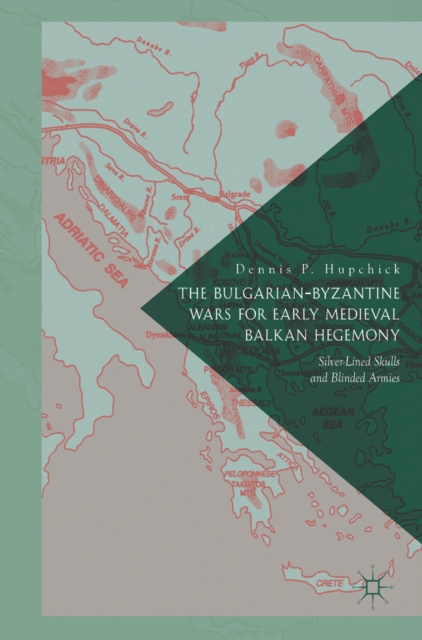
This book provides an interpretive narrative of the wars fought by Bulgaria against the Byzantine Empire for dominant control of the Balkan Peninsula during the early medieval era.
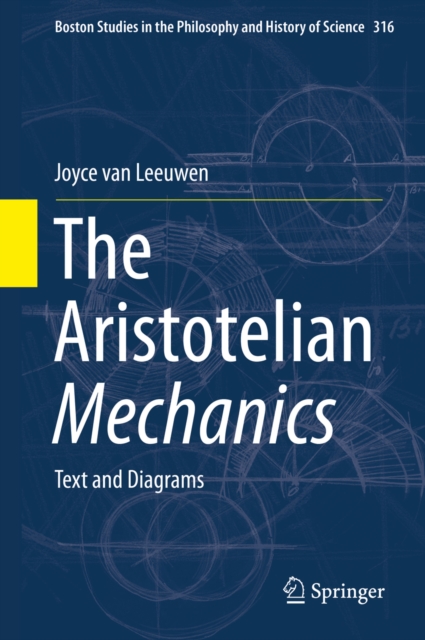
This revealing work examines an approach from ancient astronomy to what was then a particularly important question, namely that of understanding the relationship between the position in the ecliptic and the time it takes for a fixed-length of the ecliptic beginning at that point to rise above the eastern horizon.
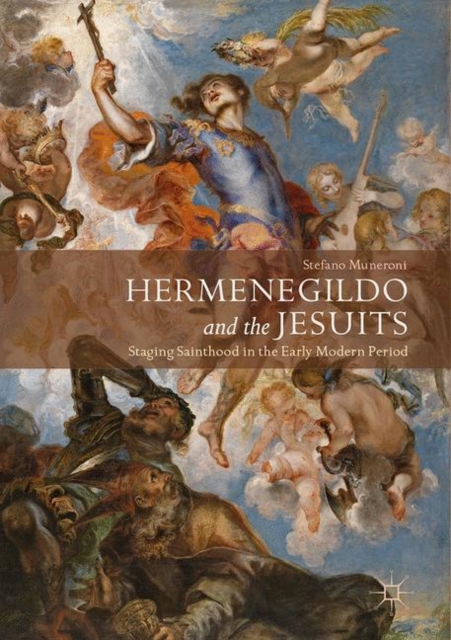
This book explores the cultural conditions that led to the emergence and proliferation of Saint Hermenegildo as a stage character in the sixteenth and seventeenth centuries.
This investigation of time and space is motivated by gaps in our current understanding: by the lack of definitions, by our failure to appreciate the nature of these entities, by our inability to pin down their properties.
This book explores the cultural conditions that led to the emergence and proliferation of Saint Hermenegildo as a stage character in the sixteenth and seventeenth centuries.
This volume presents 50 contributions on the themes of reasonableness and effectiveness and their connections, which are central issues in argumentation theory.
This book presents a solution to the problem known in philosophical aesthetics as the paradox of ugliness, namely, how an object that is displeasing can retain our attention and be greatly appreciated.
Die Auseinandersetzung mit der römischen Republik eröffnet faszinierende Einblicke in die Formierung politischer Gemeinschaft, Staatenbildung und Herrschaftssicherung.
Die Auseinandersetzung mit der römischen Republik eröffnet faszinierende Einblicke in die Formierung politischer Gemeinschaft, Staatenbildung und Herrschaftssicherung.
This book offers a discussion of the kalam cosmological argument, and presents a defence of a version of that argument after critically evaluating three of the most important versions of the argument.
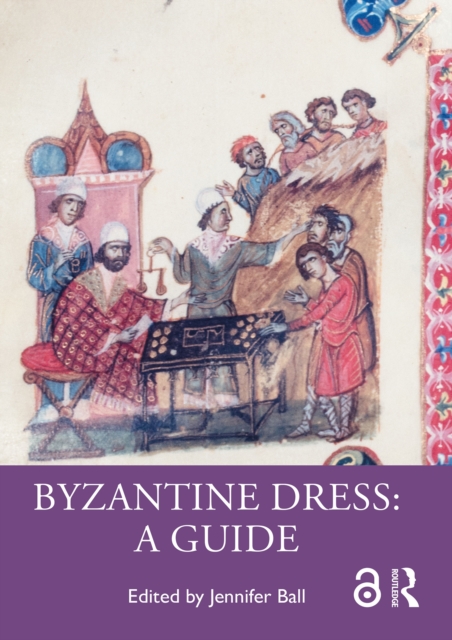
This book offers approaches to the study of Byzantine dress of elites and non-elites, in sacred and secular modes, from the beginning of the Empire in the fourth century until the fifteenth century.
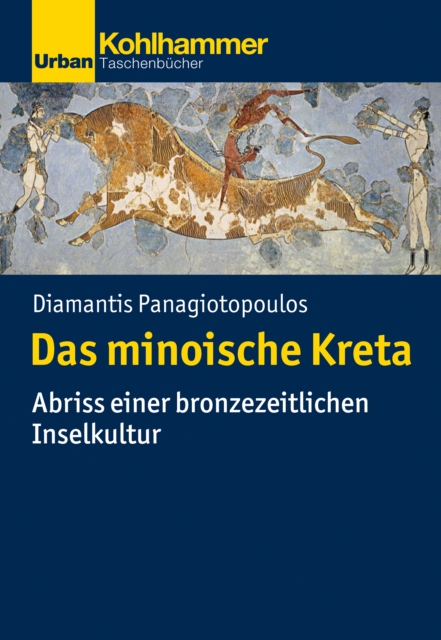
It was on the island of Crete that the first advanced civilization on European soil emerged, around 2000 BCE & a fact that is still astonishing for modern observers and poses numerous puzzles for scholarship.