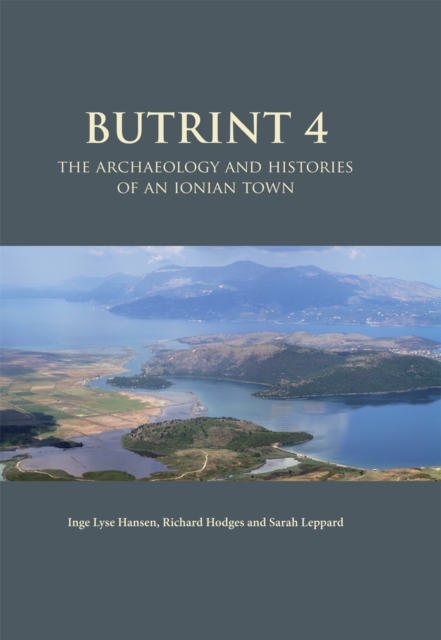
This richly illustrated volume discusses the histories of the port city of Butrint, and its intimate connection to the wider conditions of the Adriatic.
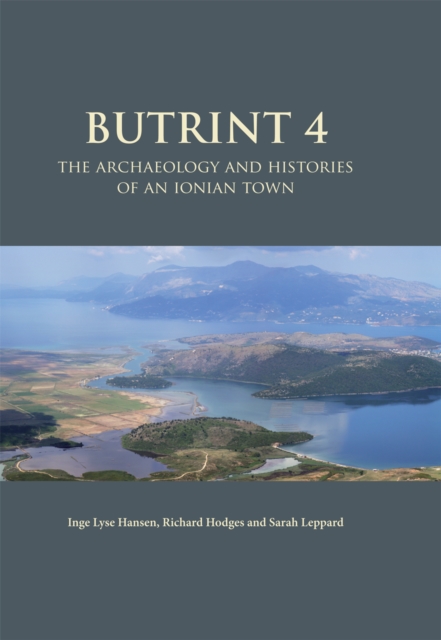
This richly illustrated volume discusses the histories of the port city of Butrint, and its intimate connection to the wider conditions of the Adriatic.
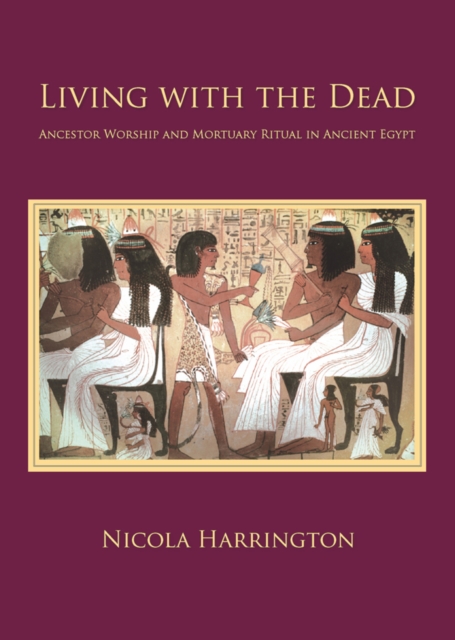
Living with the Dead presents a detailed analysis of ancestor worship in Egypt, using a diverse range of material, both archaeological and anthropological, to examine the relationship between the living and the dead.
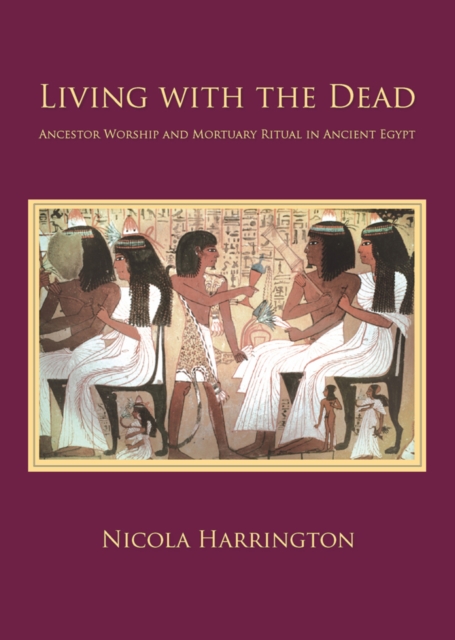
Living with the Dead presents a detailed analysis of ancestor worship in Egypt, using a diverse range of material, both archaeological and anthropological, to examine the relationship between the living and the dead.
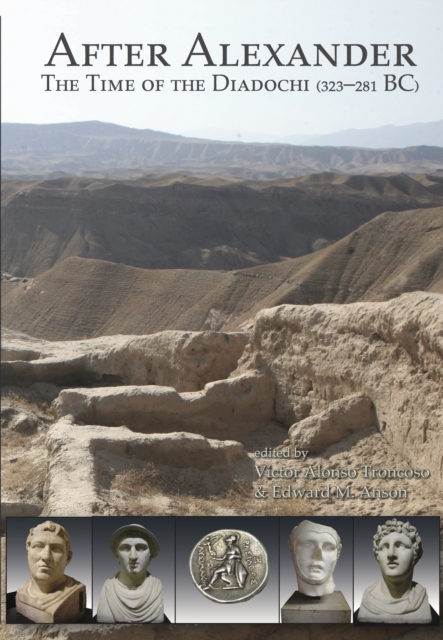
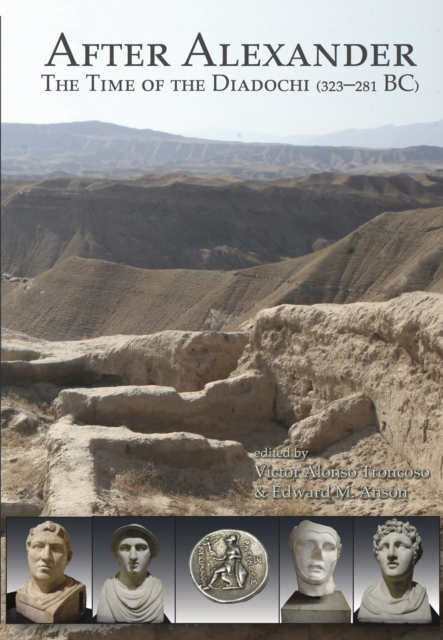
When Alexander the Great died in 323 BC without a chosen successor he left behind a huge empire and ushered in a turbulent period, as his generals fought for control of vast territories.
When Alexander the Great died in 323 BC without a chosen successor he left behind a huge empire and ushered in a turbulent period, as his generals fought for control of vast territories.
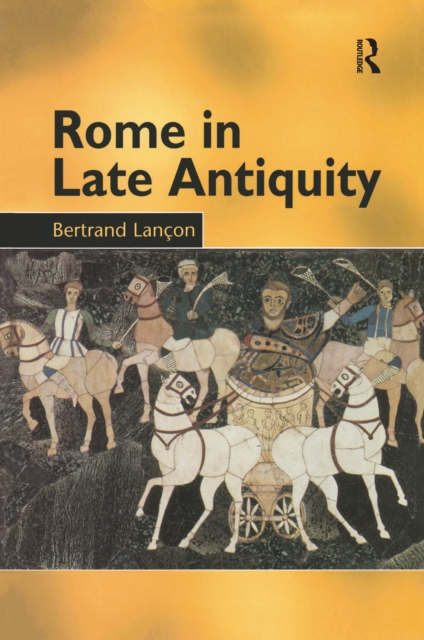
For centuries, Rome was one of the world's largest imperial powers, its influence spread across Europe, North Africa, and the Middle-East, its military force successfully fighting off attacks by the Parthians, Germans, Persians and Goths.
Ideas in Profile: Small Introductions to Big TopicsThis introduction to the ancient world, part of the Ideas in Profile series, covers all its different cultures, from the million people crammed into Rome to the Jews and Syrians who refused to be Romanised.
Companion to the major new BBC documentary series CIVILISATIONS, presented by Mary Beard, David Olusoga and Simon SchamaOscar Wilde said 'Life imitates Art far more than Art imitates Life.
Exploring the origins of Christianity, this book looks at why it was that people first in Judea and then in the Roman and Greek Mediterranean world became susceptible to the new religion.
Following the experiences of Nebetiunet - an Egyptian mother and wife living in the holy city of Waset (Thebes) during the fifth year of the reign of Ramesses II - Egyptian Woman offers a fascinating insight into a year in her busy and remarkable life.
This authoritative and fascinating introduction to the legends of history will reintroduce readers to the cyclopes, Minotaur and centaurs of the Ancient Greeks, as well as shedding light on the wider world of mythology.
52 BC is the key year of the Gallic Revolt, with the near-disastrous Roman defeat at Gergovia followed by the climactic victory over the Gallic chieftain Vercingetorix at Alesia.
52 BC is the key year of the Gallic Revolt, with the near-disastrous Roman defeat at Gergovia followed by the climactic victory over the Gallic chieftain Vercingetorix at Alesia.
This book provides a detailed study of the fortifications of the founders of ancient Israel from the time of their first settlement in the Middle East, through the periods of the united and divided kingdoms, until the sack of Jerusalem in 586 BC.
A concise and accessible study of the foundations, development and enduring legacy of the cultures of Greece and Rome, centred on ten locations of seminal importance in the development of Classical civilisation.
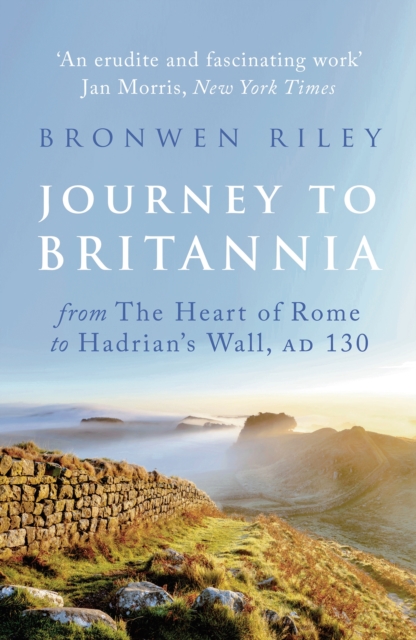
'An erudite and fascinating work' Jan Morris, New York Times'An artful combination of history, archaeology and the imagination' Mary Beard, New York Review of Books'Riley manages to bring multi-faceted, polygot and multi-cultural Roman Britain to vibrant life for specialists and generalists' Country LifeIt is AD 130.
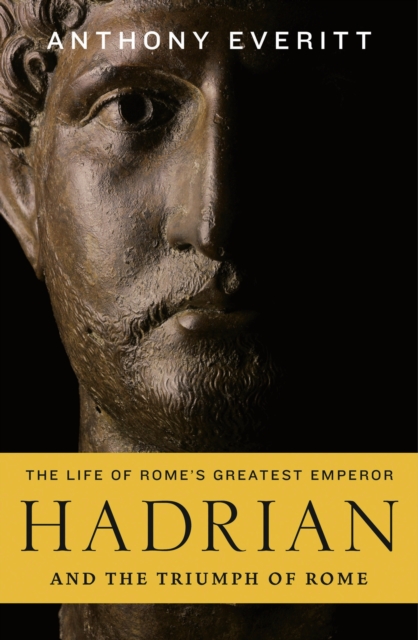
Born and bred in what is now northern Spain to a family of olive-oil magnates, Hadrian was lucky enough to benefit from the patronage of his maternal cousin, Trajan, who would later become emperor, and who named Hadrian his successor on his death in AD 117.
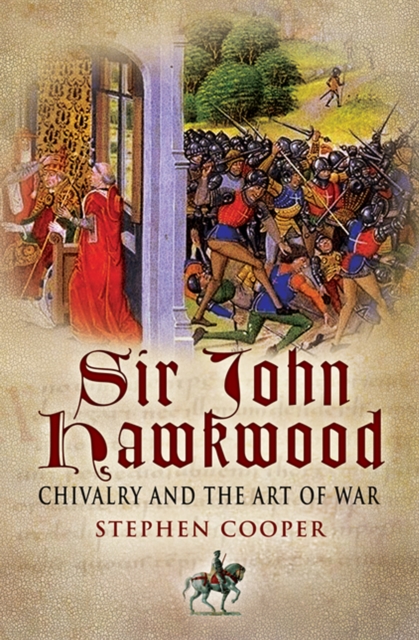
In Florence cathedral hangs a remarkable portrait by Uccello of Sir John Hawkwood, the English soldier of fortune who commanded the Florentine army at the age of 70 and earned a formidable reputation as one of the foremost mercenaries of the late middle ages.
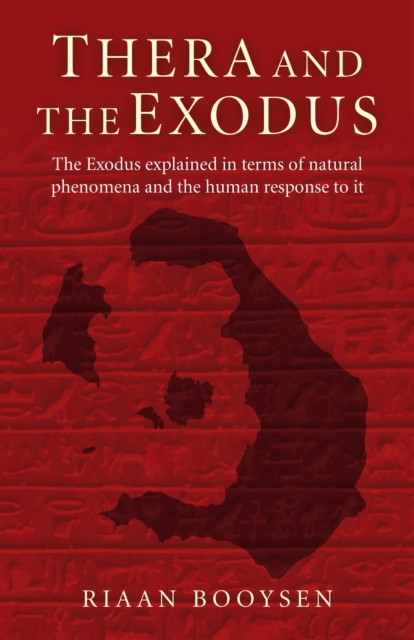
Of all the volcanic eruptions that shook the earth, two of the volcano on the Aegean island Thera, modern Santorini, are more important to the modern world than any other.
An interest in the magic, religion and spirituality of the ancient Egyptians continues to increase steadily as people begin to realise that it is possible to follow this ancient tradition in the 21st century.
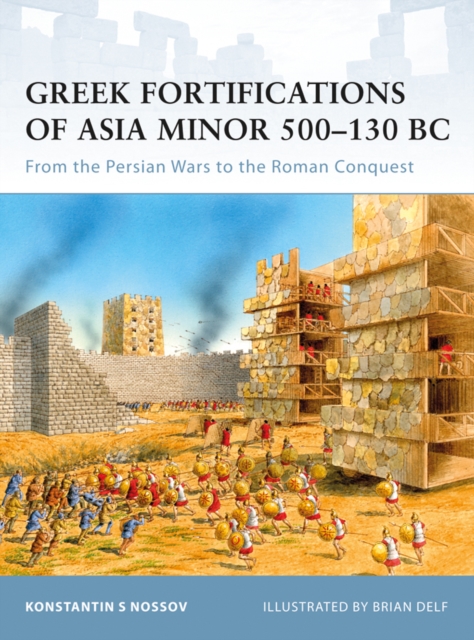
Sandwiched between the heart of ancient Greece and the lands of Persia, the Greek cities of Western Anatolia were the spark that ignited some of the most iconic conflicts of the ancient world.
Fully illustrated and based on the latest scholarship, an engaging account of Rome's response to external challenges that covers nearly two centuries of warfare between the empire and its enemies.
Fully illustrated and based on the latest scholarship, an engaging account of Rome's response to external challenges that covers nearly two centuries of warfare between the empire and its enemies.
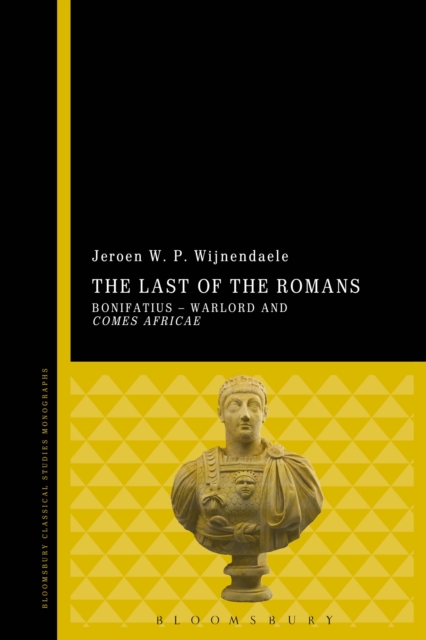
Despite his critical role in the western Roman Empire during the early fifth century AD, Bonifatius remains a neglected figure in the history of the late Empire.
Sophist Kings: Persians as Other sets forth a reading of Herodotus' Histories that highlights the consistency with which the Persians are depicted as sophists and Persian culture is infused with a sophistic ideology.
The resurgence of interest in Cicero's political philosophy in the last twenty years demands a re-evaluation of Cicero's ideal statesman and its relationship not only to Cicero's political theory but also to his practical politics.