Early Assyriologists were lured to Babylonian studies by the light which cuneiform text shed on ancient history and the Bible, and for later scholars this is still the attraction.
George Heiman has translated the discussion of classical and early Christian laws of association from the major works by Grotto Gierke, Das deutsche Genossenschaftsrecht.
Of all stylistic devices, imagery has the greatest appeal to the imagination, but is also the most likely to offend, either by staleness or by tasteless excess.
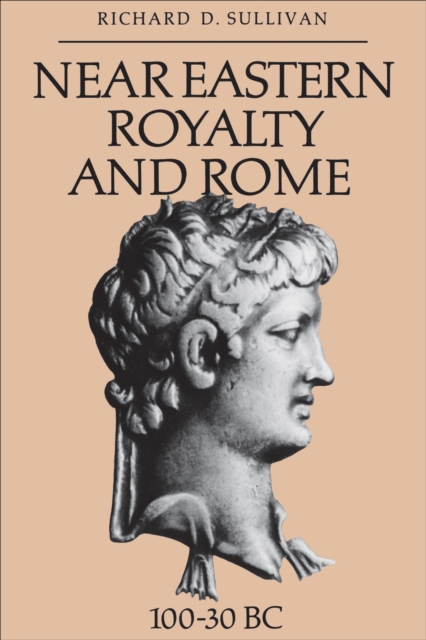
During the first century BC, the Near and Middle Easy saw a great transition from the Seleucid and Ptolemaic Empires, by way of the brief Pontic and Armenian Empires, to the triumphant Parthian and Roman Empires.
This volume outlines the history of the Maritime Province from ancient times through the medieval period, from a general point of view, on the basis of archaeological materials and Chinese and other chronicles.
This volume outlines the history of the Maritime Province from ancient times through the medieval period, from a general point of view, on the basis of archaeological materials and Chinese and other chronicles.
George Heiman has translated the discussion of classical and early Christian laws of association from the major works by Grotto Gierke, Das deutsche Genossenschaftsrecht.
The wars that the new state of Medina wages against tribes in the Arabian Peninsula, after the death of Muhammad, have been known traditionally as Hurub al-Riddah to denote an apostasy from Islam and forcible reconversion.
THE FIVE TERRACOTI'A BOWLS which are the subject of this study are commonplace in appearance, their only distinction being that each has on its inside surface (and in one case on the outside as well) a spiral inscription in a dialect of Aramaic.
From the time of Cyrus to the time of Herod, except for a brief period of independence in the second and first centuries BC, Judea was subservient to either the Persians, the Hellenistic kingdoms, or the Romans.
This volume contains an edited selection of the papers read at the International Colloquium on Interpretation of Narrative held at the University of Toronto, 24 to 27 March 1976 by the Graduate Programme in Comparative Literature.
This collection of historical studies is the product of the writer's research for his doctoral dissertation entitled "e;A Study of the Chronology of the Eighteenth Egyptian Dynasty"e;.
The essays in this volume have as their centre the Ancient Near East, the special field of interest of the distinguished scholar of the University of Toronto whom they honour.
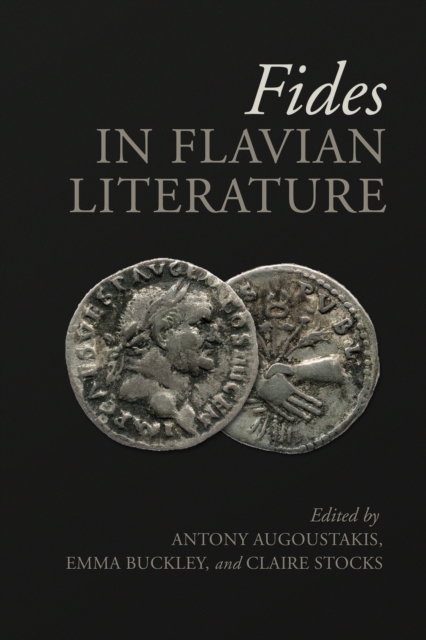
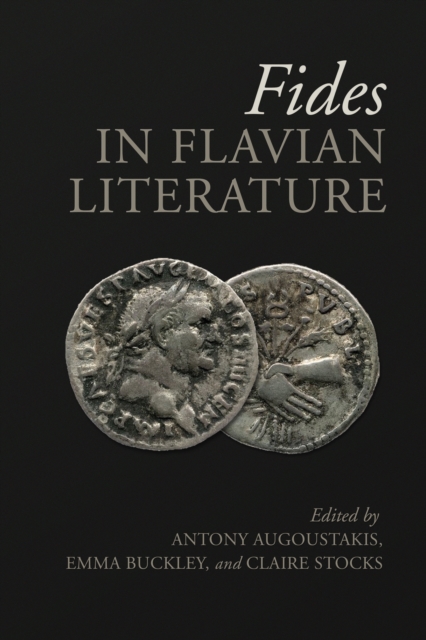
Fides in Flavian Literature explores the ideology of "e;good faith"e; (fides) during the time of the emperors Vespasian, Titus, and Domitian (69-96 CE), the new imperial dynasty that gained power in the wake of the civil wars of the period.
Fides in Flavian Literature explores the ideology of "e;good faith"e; (fides) during the time of the emperors Vespasian, Titus, and Domitian (69-96 CE), the new imperial dynasty that gained power in the wake of the civil wars of the period.
Over the past twenty years there has been a significant increase in underwater activities such as scuba diving which, coupled with the adventure andromance always associated with shipwrecks, has led to rapid developments in the discovery and excavation of shipwrecked material.
Studies in Archaeology: Archaeological Hammers and Theories provides information pertinent to the archeological method, with emphasis on the interaction of data and technique with theory and problems.
Advances in Archaeological Method and Theory, Volume 11 is a collection of papers that discusses world systems theory, modeling interregional interaction in prehistory, and the archaeological analysis of ceramics.
Advances in Archaeological Method and Theory, Volume 9 is a collection of papers that describes protohuman culture, pastoralism, artifact classification, and the use of materials science techniques to study the construction of pottery.
Bones: Ancient Men and Modern Myths focuses on bone structures and characteristics, including bone modifications, breakage, processing, and destruction by animals.
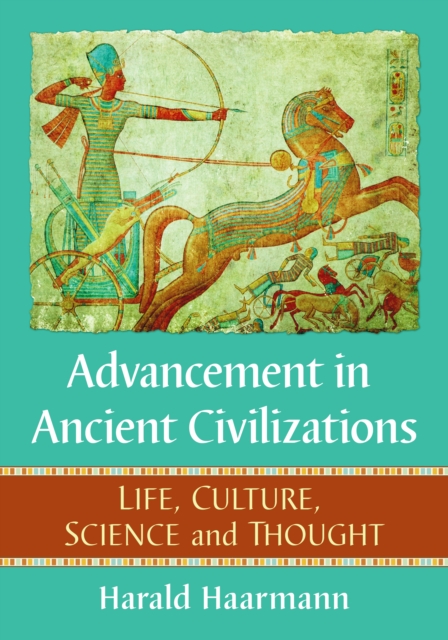
The Life/Death Rhythms of Ancient Empires outlines the flow of history from 3000BC to 1400AD to identify the factors that make up dominant, just, prosperous civilisations that can be described as golden cultures.
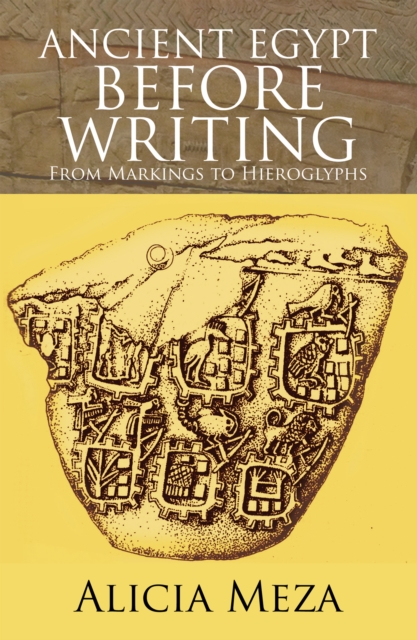
An investigation is made here of a marking and counting system used in Ancient Egypt similar to the one existing in Mesopotamia, during the fourth millennium BCE.
Hannah M Cotton's collected papers focus on questions which have fascinated her for over four decades: the concrete relationships between law, language, administration and everyday life in Judaea and Nabataea in particular, and in the Roman world as a whole.
Dr Soufiani, founder and director of a civil engineering firm in London, is a London University PhD qualified and practising civil and environment engineer.
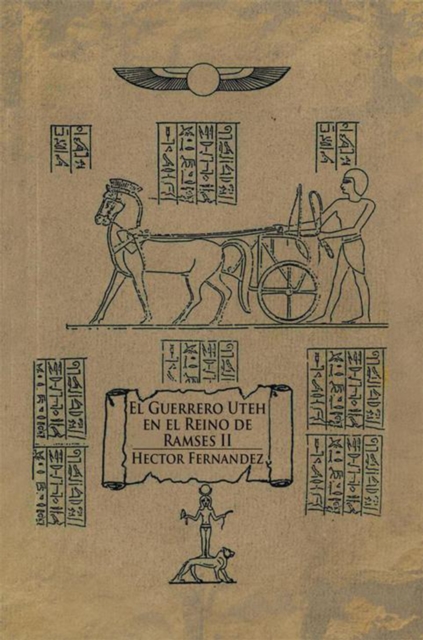
Hector Fernandez Cuba junio 1965 es un joven estudioso de las culturas antiguas y fruto de abundantes compilaciones historicas es su novela, " El Guerrero Uteh en el Reino de Ramses II" este libro narra las aventuras del joven Uteh descendiente de una estirpe guerrera que arde en deseos de entrar en combate bajo las ordenes del Faraon Ramses II contra su mas potente enemigo el imperio Hitita {actual Armenia) y que culmina con lo que hoy se conoce como el primer tratado de paz entre ambos imperios, escrita en lenguaje coloquial y directo sin rebuscamientos barrocos el texto de fernandez incerta inmediatamente al lector en un mundo fascinante y exotico, literatura que tiene un largo expediente contemporaneo recordemos Mika Waltari con "Sinuhue el Egipcio" esta novela se agrega con su precensia singular al monto de total de la literatura cubana escrita en las ultimas dos decadas .
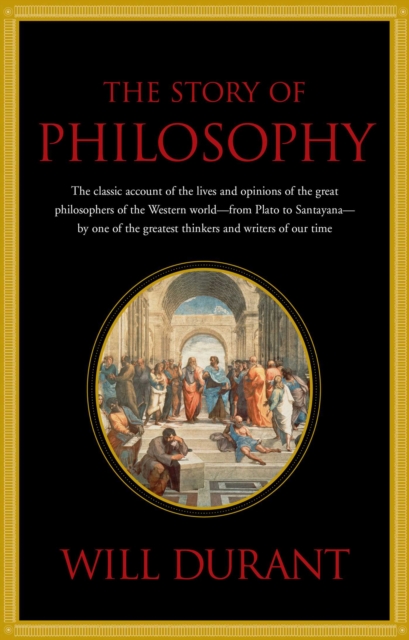
This brilliant and concise account of the lives and ideas of the world's great philosophersPlato, Aristotle, Bacon, Spinoza, Voltaire, Kant, Schopenhauer, Spencer, Nietzsche, Bergson, Croce, Russell, Santayana, James, and Deweyis "e;a delight"e; (The New York Times) and remains one of the most important books of our time.
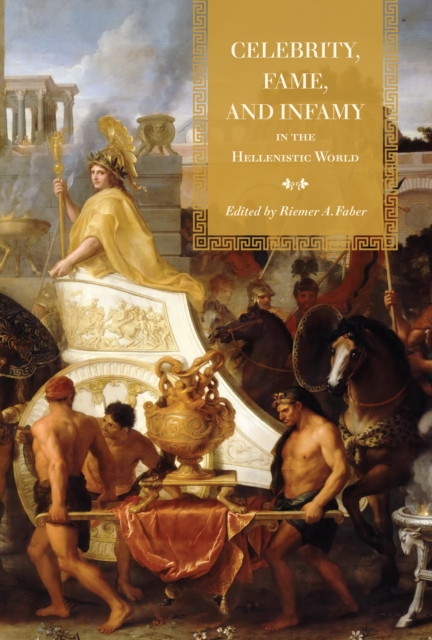
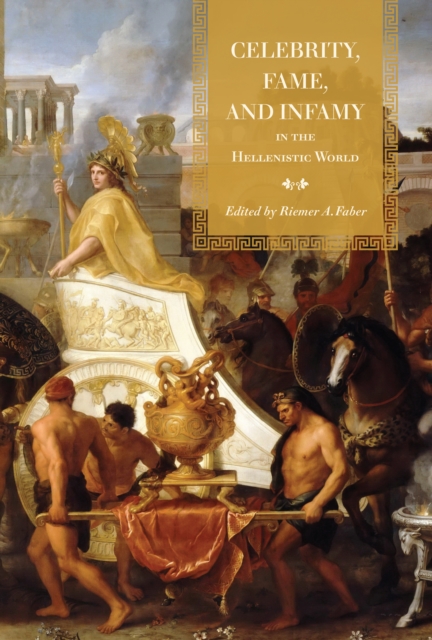
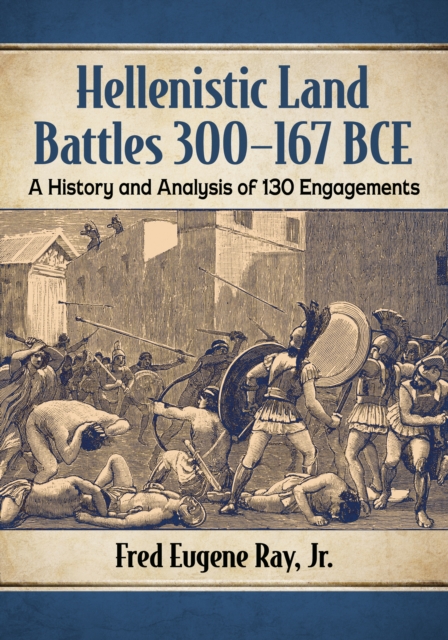
The Hellenistic Period (323-31 BCE) saw the Grecian phalanx--long dominant in Mediterranean warfare--challenged by legionary formations from the rising city-state of Rome.