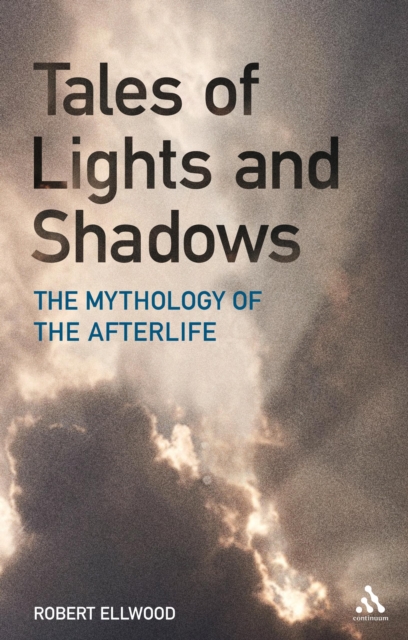
Tales of Lights and Shadows offers a fresh approach to the traditional mythology and literature of the afterlife, centering on tensions and polarities in the afterlife concepts: bright vs.
Early Greek Thought calls into question a longstanding mythology - operative in both the Analytic and Continental traditions - that the 'Pre-Socratics had the grandiose audacity to break with all traditional forms of knowledge' (Badiou).
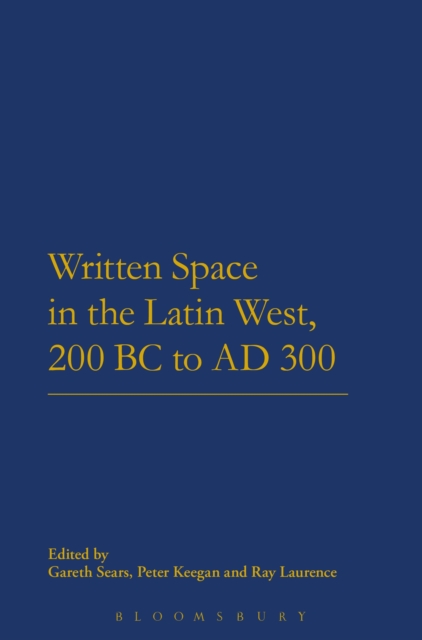
This volume explores the creation of 'written spaces' through the accretion of monumental inscriptions and non-official graffiti in the Latin-speaking West between c.
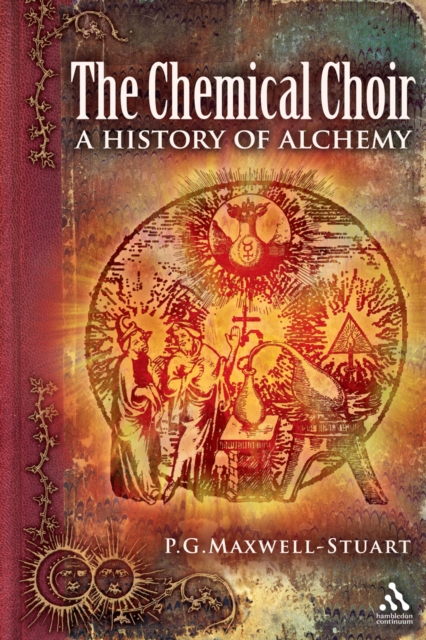
Beginning in China in the search for the secret of immortality, and appearing independently in Egypt as an attempt to produce gold through the arts of smelting and alloying metals, alchemy received a great boost in Europe from studies by Islamic and Jewish alchemists.
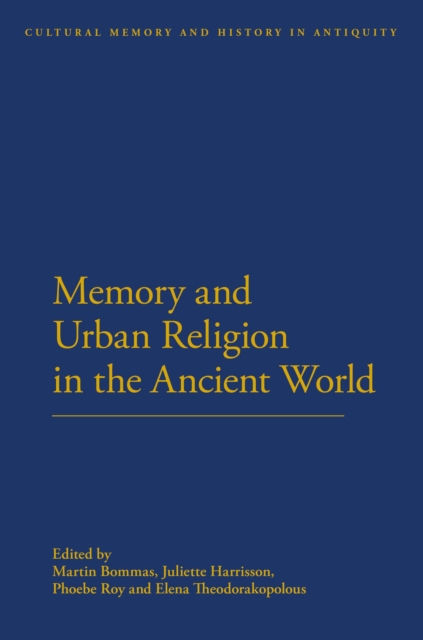
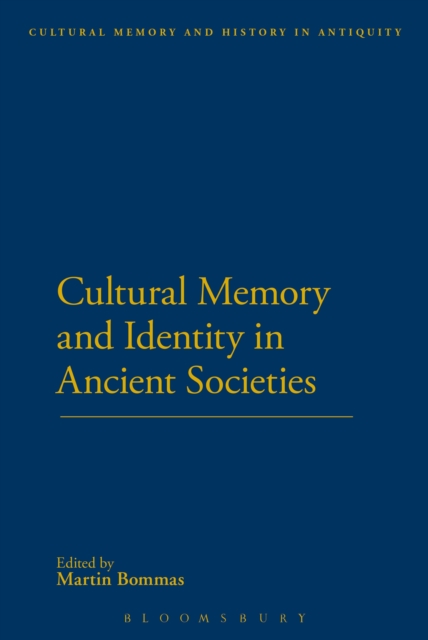
In recent years memory has become a central concept in historical studies, following the definition of the term 'Cultural Memory' by the Egyptologist Jan Assmann in 1994.
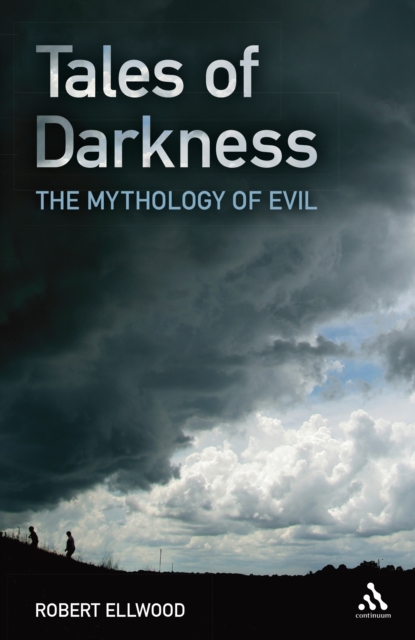
Evil, an undeniable yet inexplicable force in human existence, is often defined as that which ought not to be, yet is - so it must be destroyed, or contained, or lived with.
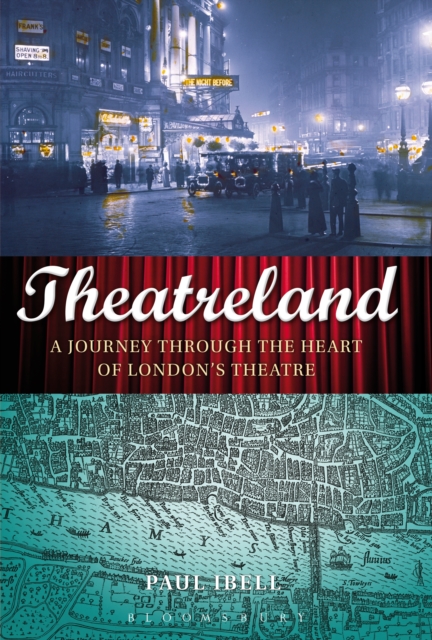
Covering the five centuries from Shakespeare's Bankside playhouses to today's West End, Paul Ibell's Theatreland explores the history and current state of the London stage, taking the reader through the streets and alleyways of the theatre capital of the world.
Drawing on new primary source evidence, this volume evaluates ancient Rome's influence on an English intellectual tradition from the 1850s to the 1920s as politicians, scientists, economists and social reformers addressed three fundamental debates of the period – Empire, Nation and City.
In what may be the most in-depth study yet published of a film star's body of work, Susan Hayward charts the career of Simone Signoret, one of the great Frech actresses of the 20th Century.
This book charts the story of the raw material that shaped the world's history in the twentieth century, and with it the development of modern Britain.
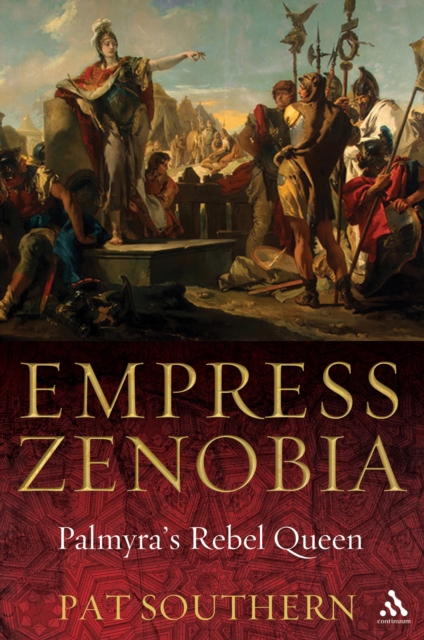
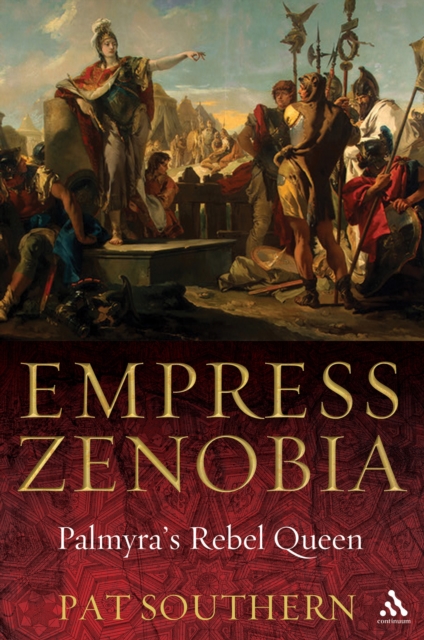
The ancient sources for the life and times of Zenobia are sparse, and the surviving literary works are biased towards the Roman point of view, much as are the sources for two other famous women who challenged Rome, Cleopatra and Boudica.
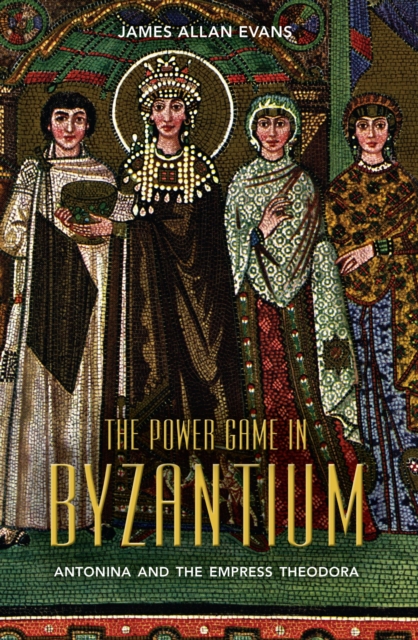
This title presents an original portrayal of Justinian's reign, its politics and theological disputes, focusing on the lives of two extraordinary women who wielded power and influence.
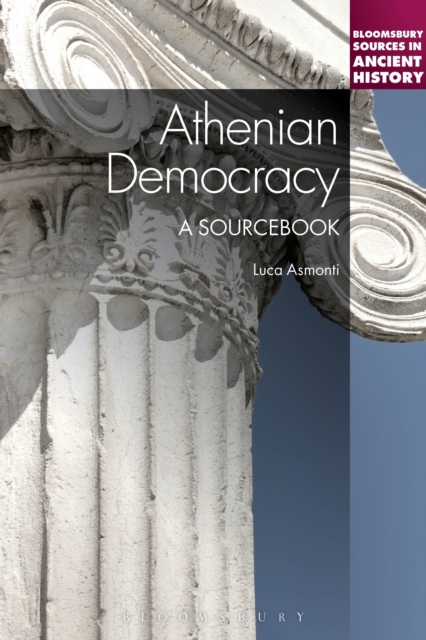
This volume presents a wide range of literary and epigraphic sources on the history of the world's first democracy, offering a comprehensive survey of the key themes and principles of Athenian democratic culture.
Why has the myth of Pygmalion and his ivory statue proved so inspirational for writers, artists, philosophers, scientists, and directors and creators of films and television series?
Dealing with themes of urban planning, constitutionalism, utopianism and social construction theory, this book analyzes the city of Magnesia, Plato's second-best city-state in the Laws, as if it were an actual ancient city-state.
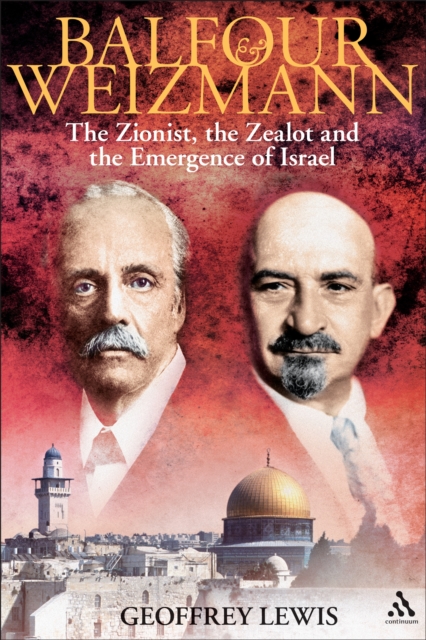
On November 2, 1917, Arthur Balfour, then Foreign Secretary, wrote to Lord Rothschild to say that the British Government viewed with favor the establishment in Palestine of a national home for the Jewish people.
This volume explores the creation of 'written spaces' through the accretion of monumental inscriptions and non-official graffiti in the Latin-speaking West between c.
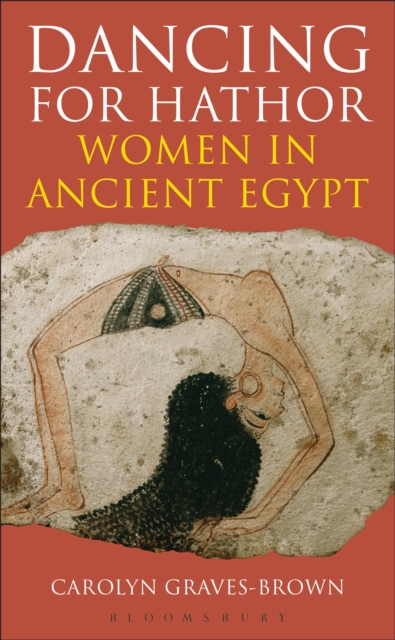
The fragmentary evidence allows us only tantalising glimpses of the sophisticated and complex society of the ancient Egyptians, but the Greek historian Herodotus believed that the Egyptians had 'reversed the ordinary practices of mankind' in treating their women better than any of the other civilizations of the ancient world .
Early Greek Thought calls into question a longstanding mythology - operative in both the Analytic and Continental traditions - that the 'Pre-Socratics had the grandiose audacity to break with all traditional forms of knowledge' (Badiou).
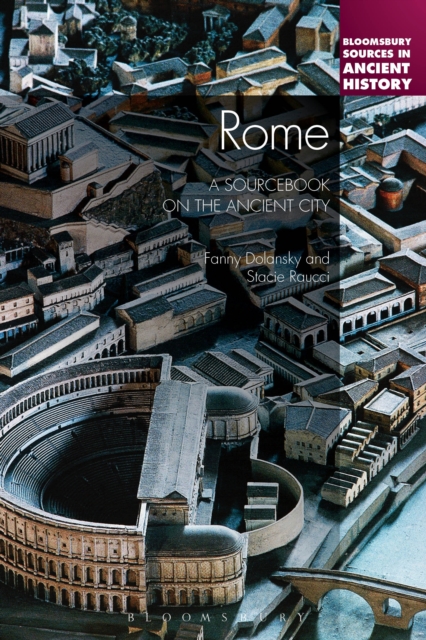
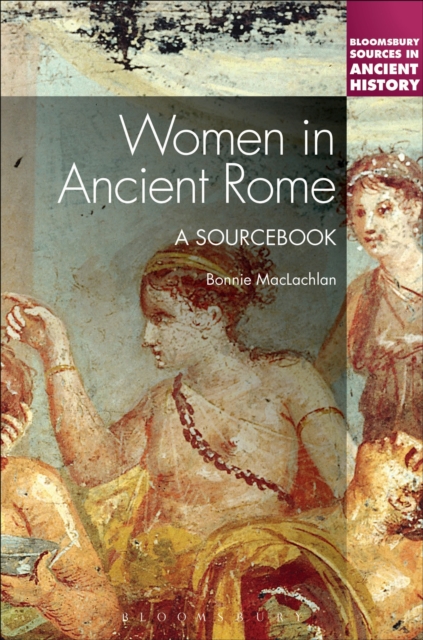
This sourcebook includes a rich and accessible selection of Roman original sources in translation ranging from the Regal Period through Republican and Imperial Rome to the late Empire and the coming of Christianity.
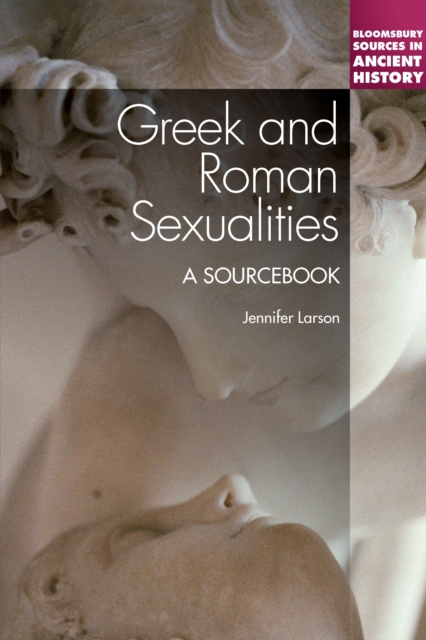
Since the publication of Foucault's History of Sexuality the volume of Classical scholarship on gender, sexuality and the body has steadily increased in tandem with the expansion of these topics in other areas of the Humanities.
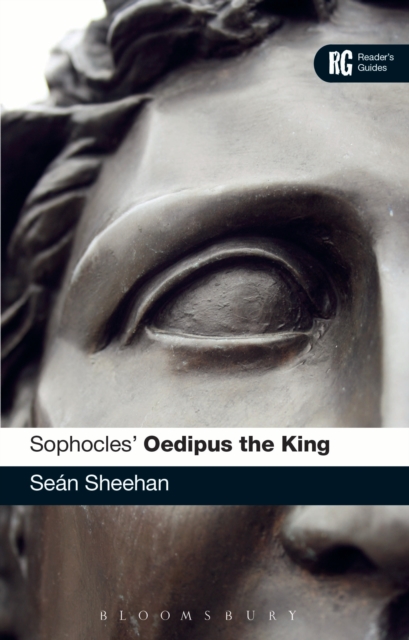
Described as the Mona Lisa of literature and the world's first detective story, Sophocles' Oedipus the King is a major text from the ancient Greek world and an iconic work of world literature.
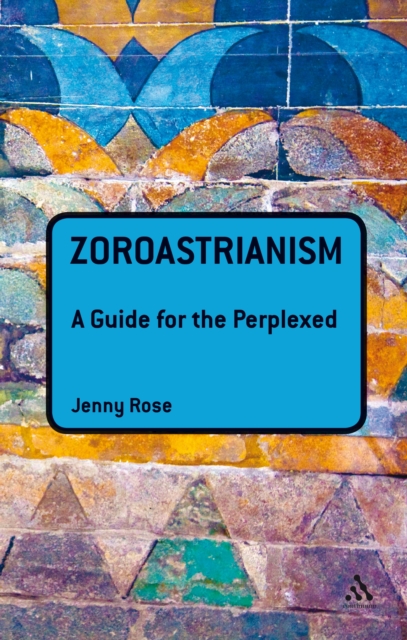
The significance of the Zoroastrian religion in the development of the history of thought is often only mentioned in passing, or is completely overlooked.
Aristotle is one of the most crucial figures in the history of Western thought, and his name and ideas continue to be invoked in a wide range of contemporary philosophical discussions.
This volume presents a wide range of literary and epigraphic sources on the history of the world's first democracy, offering a comprehensive survey of the key themes and principles of Athenian democratic culture.
Dealing with themes of urban planning, constitutionalism, utopianism and social construction theory, this book analyzes the city of Magnesia, Plato's second-best city-state in the Laws, as if it were an actual ancient city-state.
Why has the myth of Pygmalion and his ivory statue proved so inspirational for writers, artists, philosophers, scientists, and directors and creators of films and television series?
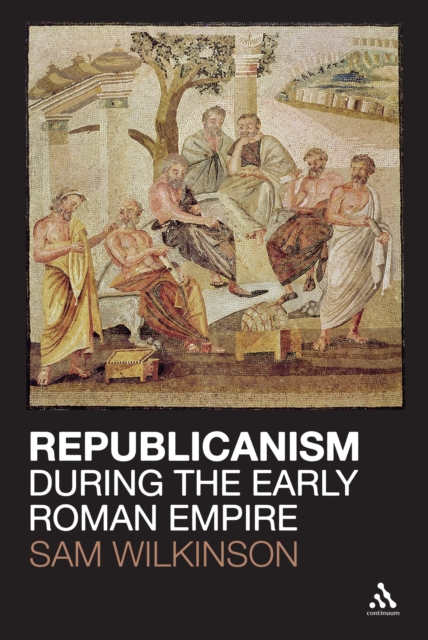
Exploring the political ideology of Republicanism under the Roman emperors of the first century AD, Sam Wilkinson puts forward the hypothesis that there was indeed opposition to the political structure and ideology of the rulers on the grounds of Republicanism.
The ancient sources for the life and times of Zenobia are sparse, and the surviving literary works are biased towards the Roman point of view, much as are the sources for two other famous women who challenged Rome, Cleopatra and Boudica.
This sourcebook includes a rich and accessible selection of Roman original sources in translation ranging from the Regal Period through Republican and Imperial Rome to the late Empire and the coming of Christianity.
Beginning in China in the search for the secret of immortality, and appearing independently in Egypt as an attempt to produce gold through the arts of smelting and alloying metals, alchemy received a great boost in Europe from studies by Islamic and Jewish alchemists.
In a new interpretation of Parmenides' philosophical poem On Nature, Vishwa Adluri considers Parmenides as a thinker of mortal singularity, a thinker who is concerned with the fate of irreducibly unique individuals.