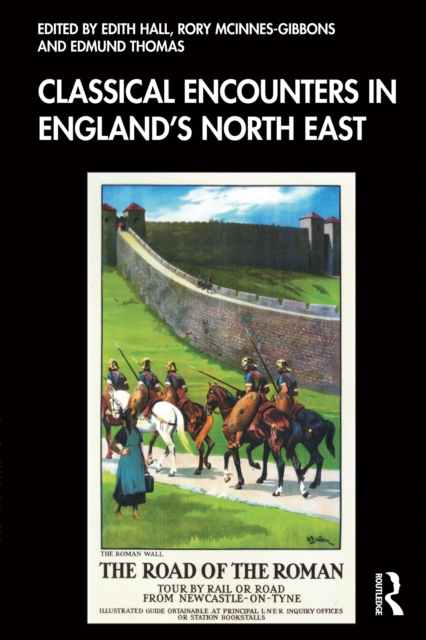
This is the first book to explore the history of ancient Greek and Roman influences and reception in England's North East, topics which have often transcended social boundaries dictated by working identity, class, religion, gender, and ethnicity.
This paper presents the very few surviving inscriptions from this period before Mummius' sack of Corinth and includes some of the few Greek decrees known at the time of the writing of the paper.
This Cambridge collection includes manuscripts that were formerly in private hands, most notably the manuscripts of John Moore, Bishop of Ely, which were presented to the University by King George I in 1715.
Exploring the important but complex historical period following the rule of Cleisthenes in Athens, Bates provides a handy reference for the tribes that emerged from this early experiment in democracy.
In this paper Elderkin gives a detailed description of the remains of the Fountain of Glauce in Corinth and the engineering methods used in its construction.
ICONEA is the only publication exclusively dedicated to the archaeomusicology of Near and Middle Eastern cultures from its Sumerian origins to the dawn of Christianity.
The Empire Rome Could Not Break: A History of the Parthian EmpireFor five centuries, one empire stood between Rome and the East - and Rome never broke it.
The fifth of Carl Blegen's reports on the excavation of Troy for the American Journal of Archeology concentrating on detailed study of artifacts and finds on the citadel.
A comprehensive study of the Mishnah that argues it manifests an implicit theory of what performing rituals accomplishesJews are known for having many ritual practices.
WINNER OF THE WOLFSON HISTORY PRIZE 2008'The world's most controversial classicist debunks our movie-style myths about the Roman town with meticulous scholarship and propulsive energy' Laura Silverman, Daily MailThe ruins of Pompeii, buried by an explosion of Vesuvius in 79 CE, offer the best evidence we have of everyday life in the Roman empire.
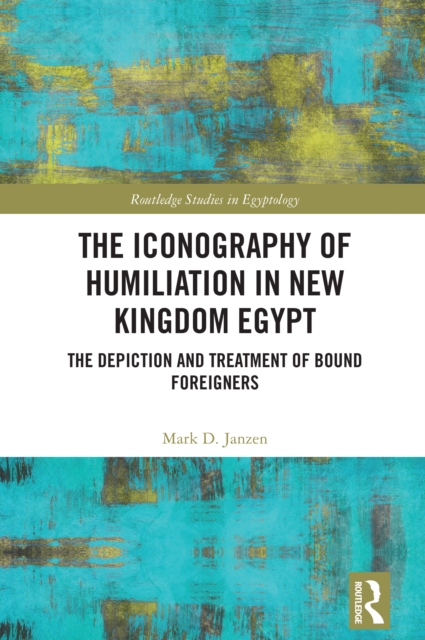
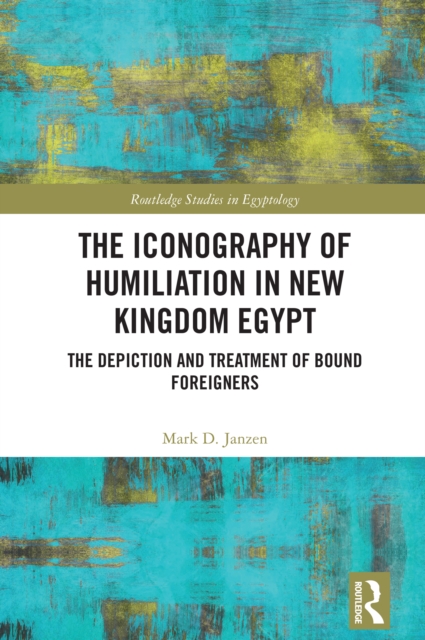
This volume analyzes the iconography of bound foreigners on New Kingdom monuments and artifacts to better understand Egyptian perspectives on foreigners and their treatment of prisoners of war.
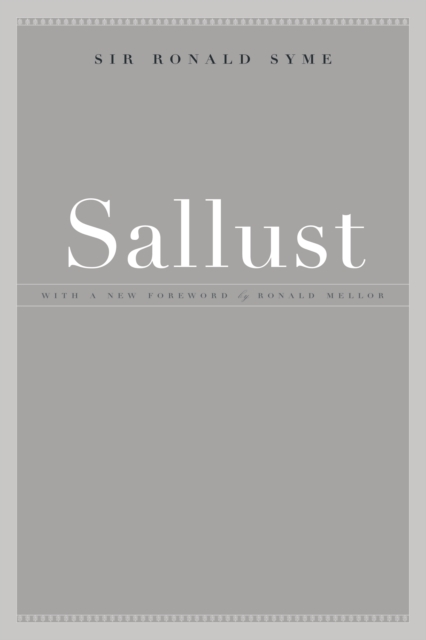
With this classic book, Sir Ronald Syme became the first historian of the twentieth century to place Sallust-whom Tacitus called the most brilliant Roman historian-in his social, political, and literary context.
WINNER OF THE WOLFSON HISTORY PRIZE 2008'The world's most controversial classicist debunks our movie-style myths about the Roman town with meticulous scholarship and propulsive energy' Laura Silverman, Daily MailThe ruins of Pompeii, buried by an explosion of Vesuvius in 79 CE, offer the best evidence we have of everyday life in the Roman empire.
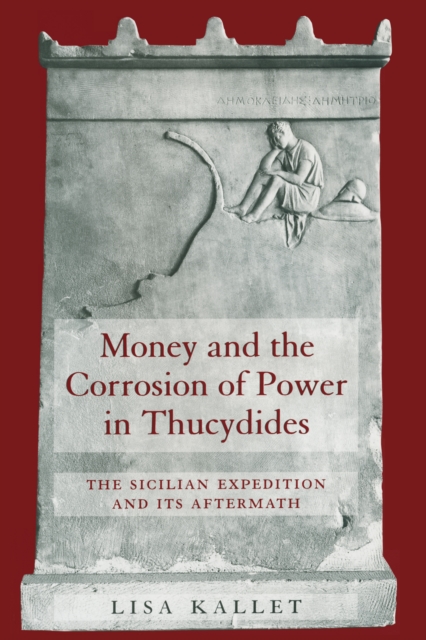
Wealth and power are themes that preoccupy much of Greek literature from Homer on, and this book unravels the significance of these subjects in one of the most famous pieces of narrative writing from classical antiquity.
With this classic book, Sir Ronald Syme became the first historian of the twentieth century to place Sallust-whom Tacitus called the most brilliant Roman historian-in his social, political, and literary context.
Wealth and power are themes that preoccupy much of Greek literature from Homer on, and this book unravels the significance of these subjects in one of the most famous pieces of narrative writing from classical antiquity.
This volume analyzes the iconography of bound foreigners on New Kingdom monuments and artifacts to better understand Egyptian perspectives on foreigners and their treatment of prisoners of war.
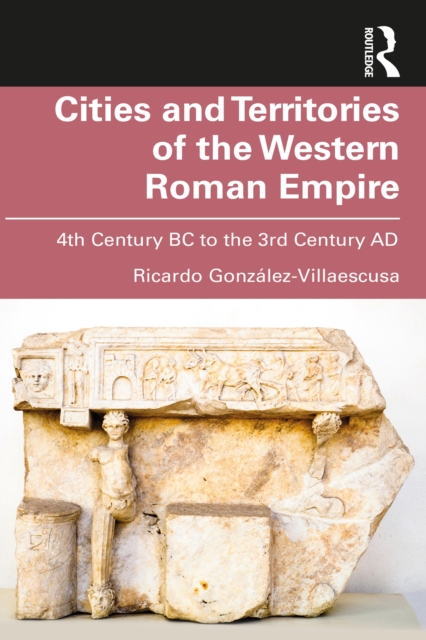
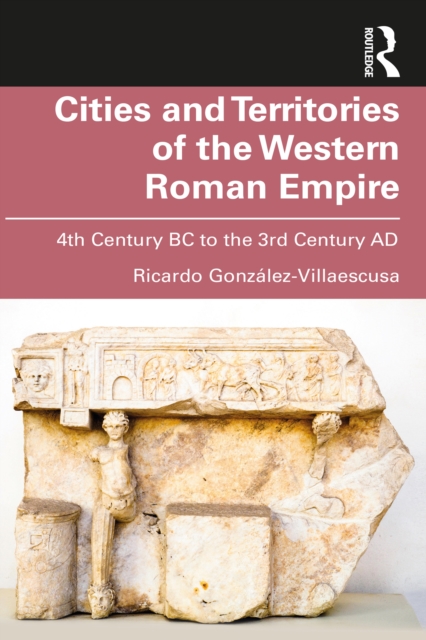
This book showcases the unique shape of urban development that took hold during the Roman Empire, beginning in the Mediterranean basin before spreading out across Europe, and offers a fresh perspective on the cities and territories of the Roman West.
This book showcases the unique shape of urban development that took hold during the Roman Empire, beginning in the Mediterranean basin before spreading out across Europe, and offers a fresh perspective on the cities and territories of the Roman West.