This study of the Eclogues focuses on Vergil's exploration of issues relating to the subject of human happiness (eudaimonia)-ideas that were the subject of robust debate in contemporary philosophical schools, including the community of emigre Epicurean teachers and their Roman pupils located in the vicinity of Naples ("e;Parthenope"e;).
Through new readings and interpretation of Cypriot inscriptions - written in Cypriot-syllabic Greek, Eteocypriot, Phoenician, and alphabetic Greek - Kyprion Politeia, the Political and Administrative Systems of the Classical Cypriot City-Kingdoms is the first book which reconstructs in detail the political and administrative systems of the Classical city-kingdoms of Cyprus.
Libertas and Res Publica in the Roman Republic offers some essential ideas for an understanding of Roman politics during the Republican period by analysing two key concepts: libertas (liberty) and res publica (public matter, republic).
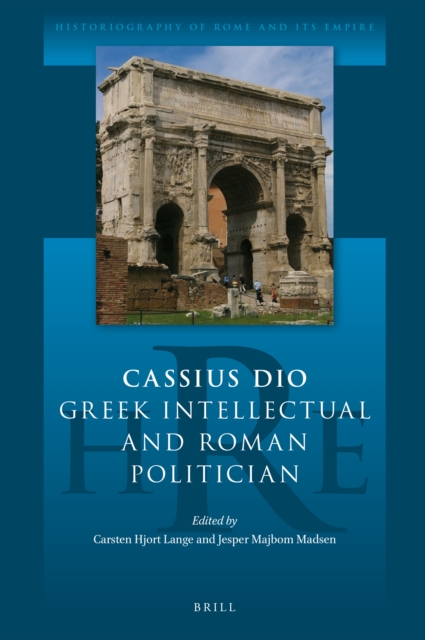
Winner of the 2017 Choice Outstanding Academic Title Award Cassius Dio: Greek Intellectual and Roman Politician, a collection of essays on this historian, is the first to appear in the new Brill series Historiography of Rome and Its Empire.
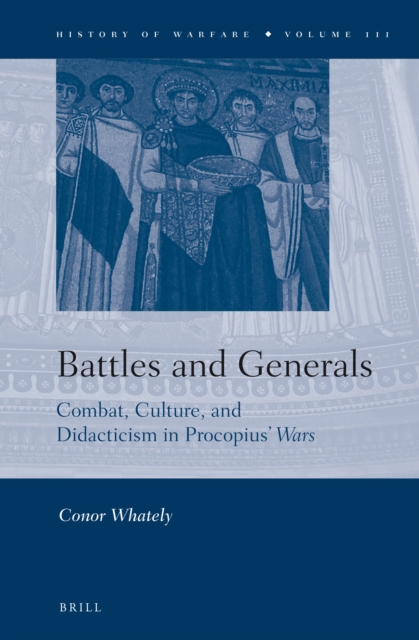
In Battles and Generals: Combat, Culture, and Didacticism in Procopius' Wars, Whately reads Procopius' descriptions of combat through the lens of didacticism, arguing that one of Procopius' intentions was to construct those accounts not only so that they might be entertaining to his audience, but also so that they might provide real value to his readership, which was comprised, in part, of the empire's military command.
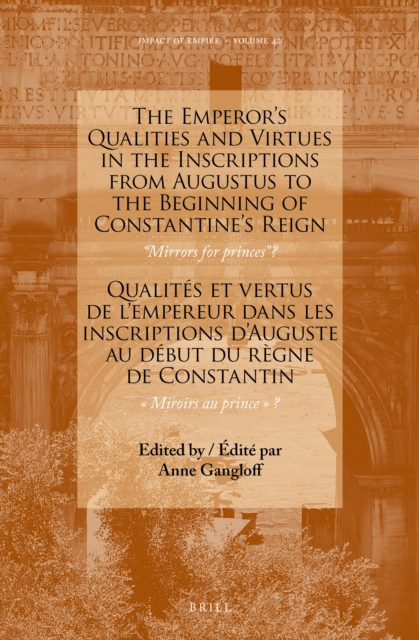
This anthology provides valuable new insights into discussions about the virtues, qualities, and position of the emperor in the Roman world (especially with regard to the perception of imperial dominion in the eastern provinces) by systematically focusing on documentary sources, i.
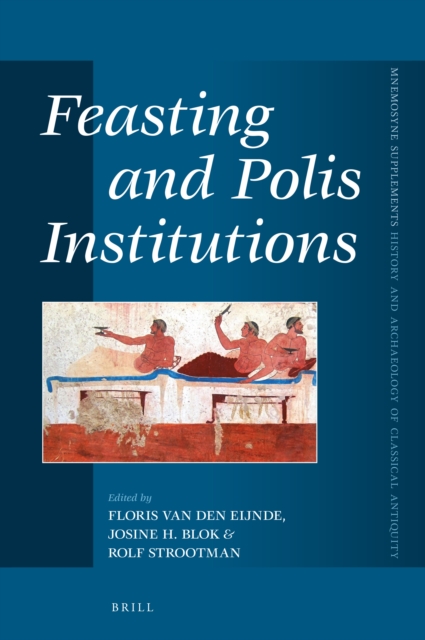
Feasting and commensality formed the backbone of social life in the polis, the most characteristic and enduring form of political organization in the ancient Greek world.
This volume offers analysis of the narratological structure of the Theogony with the purpose of elucidating a major, unifying theme in this poem: the relationship between the divine and mortal realms.
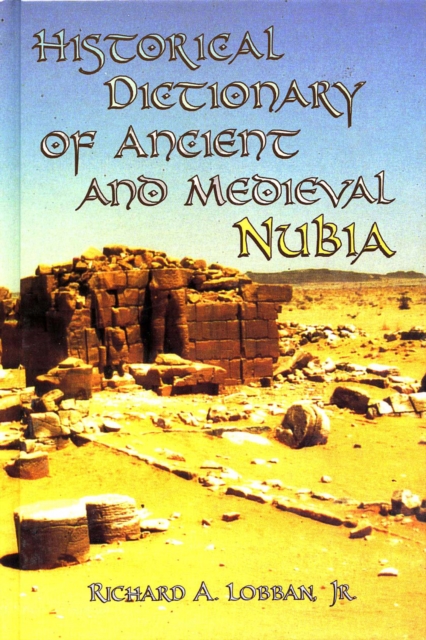
This new book descends from a former combined reference book on Ancient and Medieval Nubia but now expands and focuses primarily on Prehistoric and Ancient times.
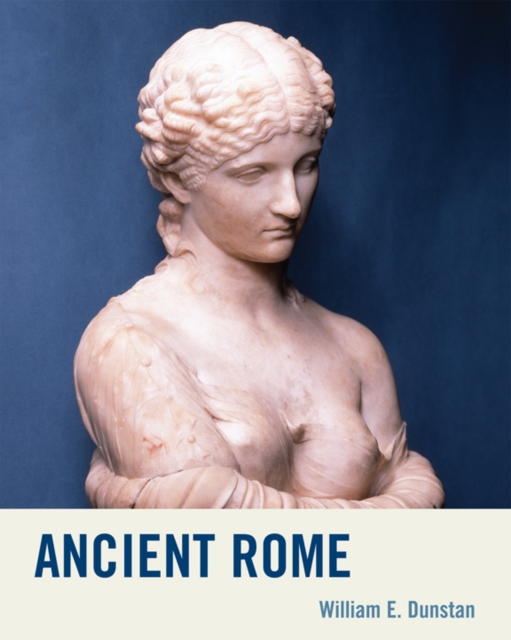
Ancient Rome masterfully synthesizes the vast period from the second millennium BCE to the sixth century CE, carrying readers through the succession of fateful steps and agonizing crises that marked Roman evolution from an early village settlement to the capital of an extraordinary realm extending from northern Britain to the deserts of Arabia.
This new book descends from a former combined reference book on Ancient and Medieval Nubia but now expands and focuses primarily on Prehistoric and Ancient times.
The Title An Arabic-English Lexicon (8Th Vol) written/authored/edited by Edward William Lane, Edited By Stanley Lane-Poole, published in the year 2017.
Ancient Rome masterfully synthesizes the vast period from the second millennium BCE to the sixth century CE, carrying readers through the succession of fateful steps and agonizing crises that marked Roman evolution from an early village settlement to the capital of an extraordinary realm extending from northern Britain to the deserts of Arabia.
The Title An Arabic-English Lexicon (8Th Vol) written/authored/edited by Edward William Lane, Edited By Stanley Lane-Poole, published in the year 2017.
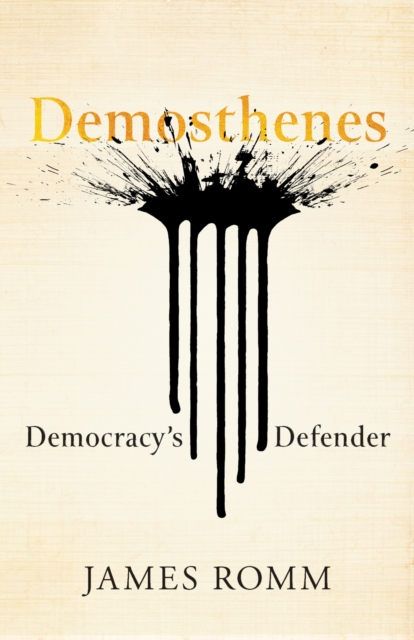
The tragic story of ancient Greece's last democratic leader and his doomed fight to save Athens from Macedonian domination In the spring of 340 BCE, news arrived that Philip of Macedon had seized a town in central Greece, a base from which he could march on Athens.
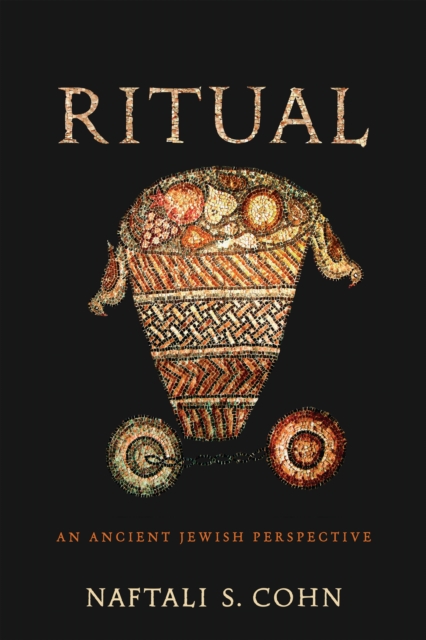
A comprehensive study of the Mishnah that argues it manifests an implicit theory of what performing rituals accomplishesJews are known for having many ritual practices.
The tragic story of ancient Greece's last democratic leader and his doomed fight to save Athens from Macedonian domination In the spring of 340 BCE, news arrived that Philip of Macedon had seized a town in central Greece, a base from which he could march on Athens.
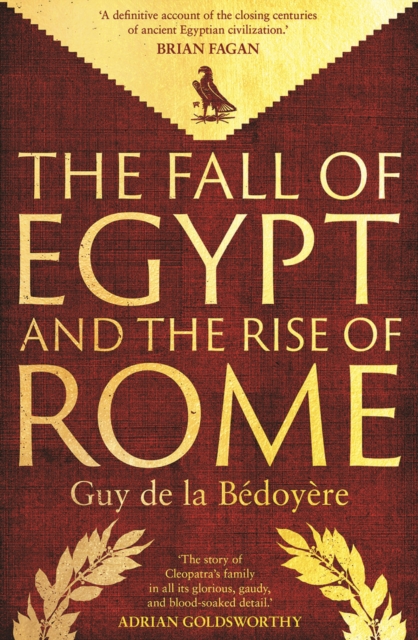
A compelling history of the Ptolemies, the decline of Egypt, and the rising power of the Roman Empire The Ptolemaic era, Egypt's last and one of its longest dynasties, was in many ways a gilded age.
In Penthesilea und ihre Schwestern - Amazonenepisoden als Bauform des Heldenepos Susanne Borowski establishes Amazon-episodes as a gender-sensitive structural element of epic poetry.
This absorbing reference covers everyday life in ancient Egypt, spanning a period of more than 5,000 years-from the Stone Age to the advent of Christianity.
I sing of arms and of a man: his fate had made him fugitive: he was the first to journey from the coasts of Troy as far as Italy and the Lavinian shores.
Origins and Development of Musical Instruments describes the creation, use, and development of musical instruments from the Old Stone Age to the present day.
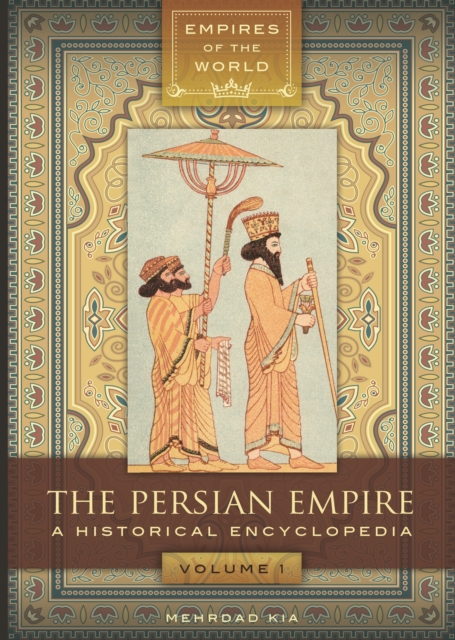
This well-balanced reference on ancient Persia demonstrates the region's contributions to the growth and development of human civilization from the 7th century BCE through the fall of the Persian Sasanian Empire in 651CE.
This resource strategically traces Greek warfare from 720 to 30 BC and its specific and extensive details-the wars, the troops, the armor, the military tactics, and other factors either affecting or affected by the wars.
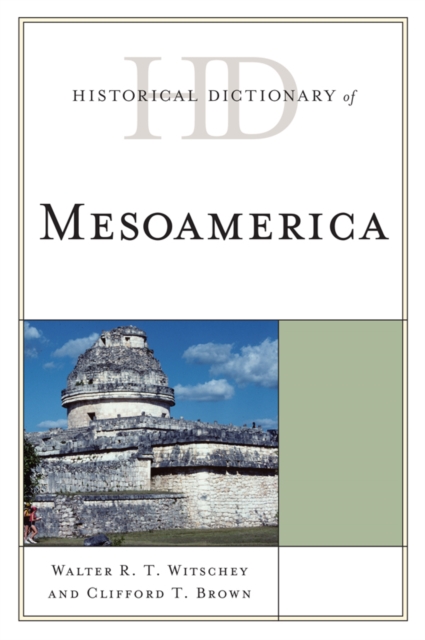
Mesoamerica is one of six major areas of the world where humans independently changed their culture from a nomadic hunter-gatherer lifestyle into settled communities, cities, and civilization.
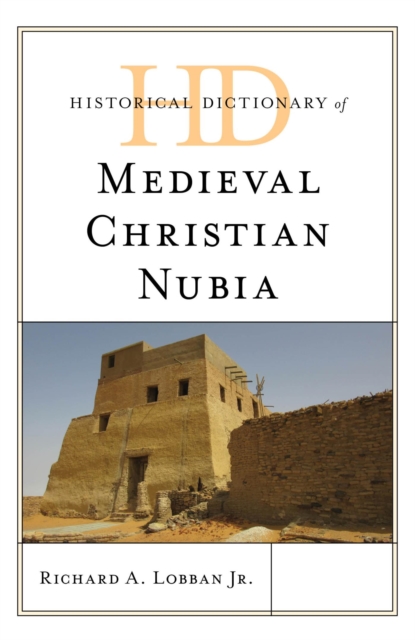
The Historical Dictionary of Ancient and Medieval Nubia covers the period from the Paleolithic, all the periods of ancient Nubia (Predynastic, Kerma, Dynasty XXV, Napatan, Meroitic, Post-Meroitic) and to the end of medieval Christianity in Nubia (Sudan).
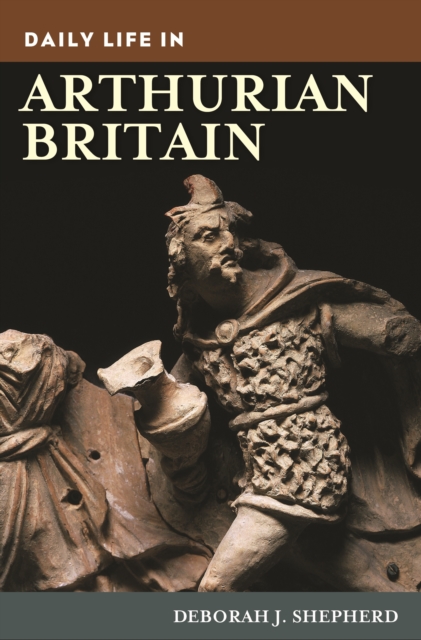
This book surveys current archaeological and historical thinking about the dimly understood characteristics of daily life in Great Britain during the fifth and sixth centuries.
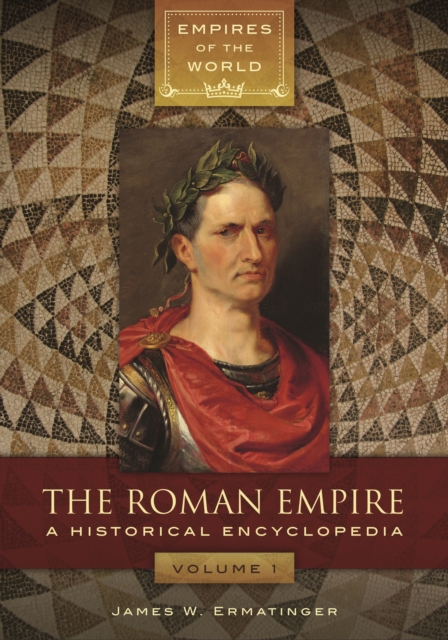
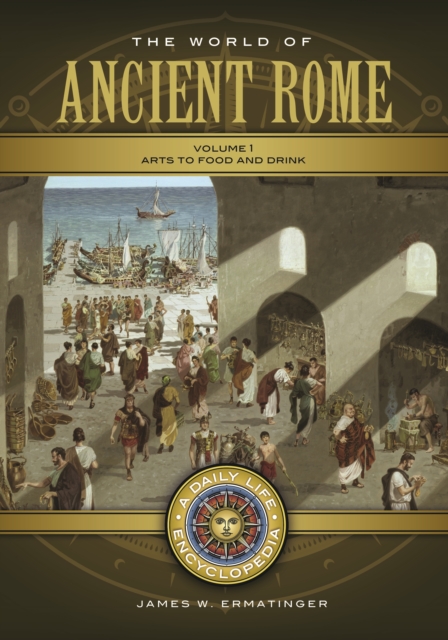
Covering material from the time of Julius Caesar to the sack of Rome, this topically arranged reference set provides substantive entries on people, cities, government, institutions, military developments, material culture, and other topics related to the Roman Empire.
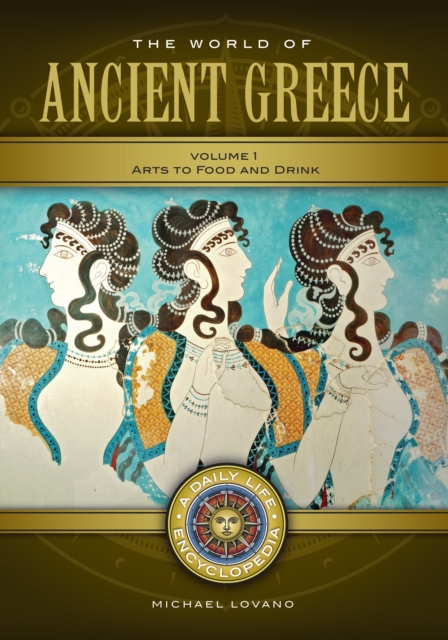
This book opens the world of the ancient Greeks to all readers through easily accessible entries on topics essential to understanding Greek high culture and daily life.
This study of Ancient Rome offers a fascinating glimpse of what Roman society was like-from fashion, to food, to politics and recreation-gathered from literary works, art, and archaeological remains.