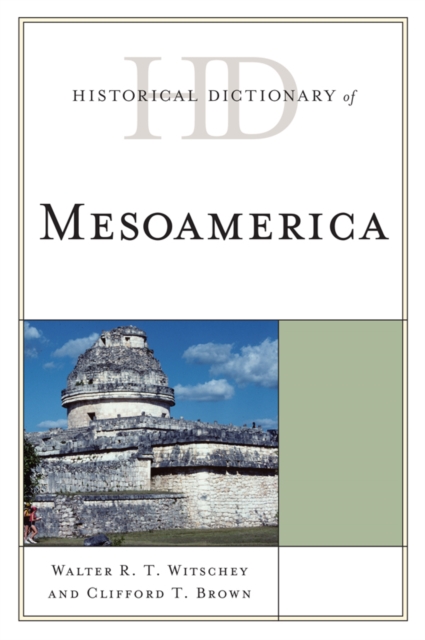
Mesoamerica is one of six major areas of the world where humans independently changed their culture from a nomadic hunter-gatherer lifestyle into settled communities, cities, and civilization.
This resource strategically traces Greek warfare from 720 to 30 BC and its specific and extensive details-the wars, the troops, the armor, the military tactics, and other factors either affecting or affected by the wars.
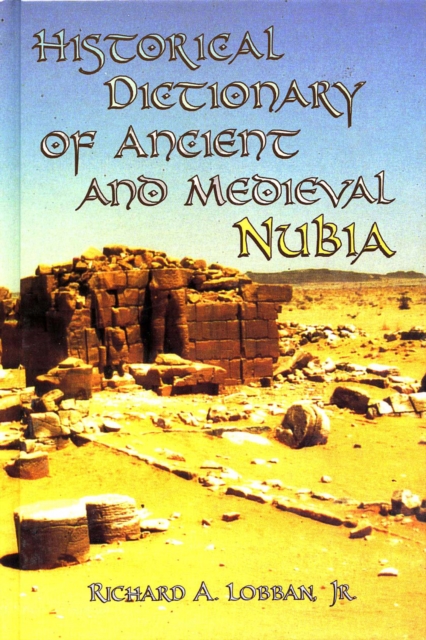
The Historical Dictionary of Ancient and Medieval Nubia covers the period from the Paleolithic, all the periods of ancient Nubia (Predynastic, Kerma, Dynasty XXV, Napatan, Meroitic, Post-Meroitic) and to the end of medieval Christianity in Nubia (Sudan).
Cornelius Tacitus brilliantly chronicles the moral decline and rampant civil unrest in the Roman Empire in a period when the earliest foundations of modern Europe were being laid.
Those unfamiliar with the prehistory of North America have a general perception of the cultures of the continent that includes Native Americans living in tipis, wearing feathered headdresses and buckskin clothing, and following migratory bison herds on the Great Plains.
An Archaeology of Disbelief traces the origin of secular philosophy to pre-Socratic Greek philosophers who proposed a physical universe without supernatural intervention.
The third book in Professor Christian Potholm's war trilogy (which includes Winning at War and War Wisdom), Understanding War provides a most workable bibliography dealing with the vast literature on war and warfare.
Anthropology and Global History explains the origin and development of human societies and cultures from their earliest beginnings to the present-utilizing an anthropological lens but also drawing from sociology, economics, political science, history, and ecological and religious studies.
The final dramatic centuries of Roman historyBetween the deaths of the Emperors Julian (363) and Justinian (565), the Roman Empire underwent momentous changes.
Why is the 1798 Napoleonic invasion of Egypt routinely accepted as a watershed moment between premodern and modern in general histories on the Middle East?
More than a decade after the birth of contemporary social movements in the Middle East and North Africa scholars are asking what these movements have achieved and how we should evaluate their lasting legacies.
More than a decade after the birth of contemporary social movements in the Middle East and North Africa scholars are asking what these movements have achieved and how we should evaluate their lasting legacies.
Supporting the current trends toward document-based teaching, this book introduces the reader to the multifaceted world of ancient Egypt through revealing excerpts from 51 texts written by Egyptians themselves.
Collecting documents culled from the writings of ancient Greek and Roman authors, this book provides a glimpse of what life was like in ancient times and illustrates the relevance of these long-ago civilizations to modern life.
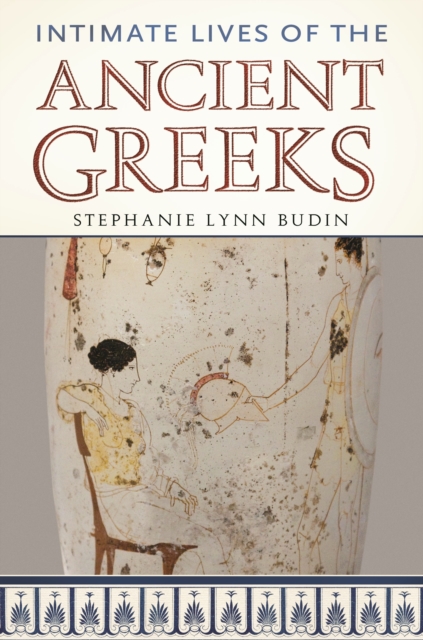
This informative and enjoyable book surveys many aspects of the personal and emotional lives and belief systems of the ancient Greeks, focusing on such issues as familial life, religious piety, and ethnic identity.
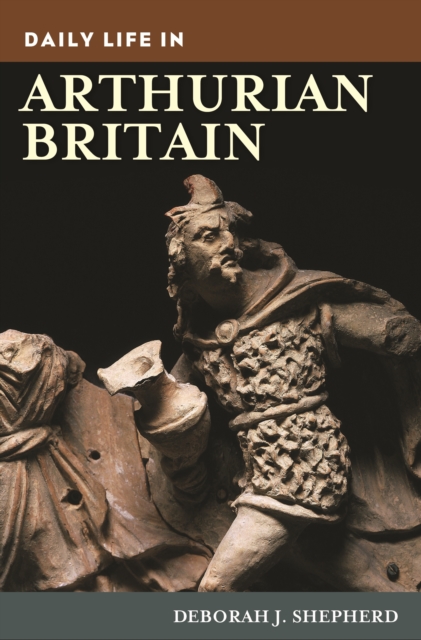
This book surveys current archaeological and historical thinking about the dimly understood characteristics of daily life in Great Britain during the fifth and sixth centuries.
In ancient Egypt women enjoyed a legal, social and sexual independence unrivalled by their Greek or Roman sisters, or in fact by most women until the late nineteenth century.
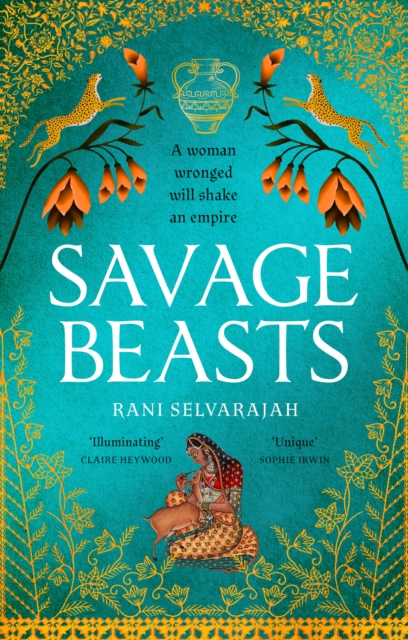
'A powerful, vital commentary on empire, race, money, women and power'Hannah Kaner, Sunday Times bestselling author of Godkiller'Absorbing and thoughtful.
Those unfamiliar with the prehistory of North America have a general perception of the cultures of the continent that includes Native Americans living in tipis, wearing feathered headdresses and buckskin clothing, and following migratory bison herds on the Great Plains.
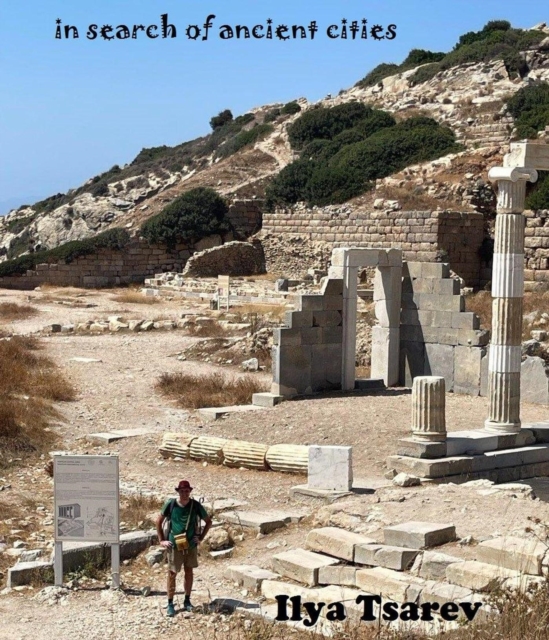
Many know Ilya as an artist, musician, writer, or athlete, but in this book, he reveals an unexpected side: an ancient historian and traveler, inviting readers on a fascinating journey through the ancient cities of Anatolia and Northern Cyprus.
Alexander the Great charts the extraordinary arc of history's most legendary conqueror, from a young king crossing the Hellespont to a broken god dying in Babylon.
Dive into the hidden history and spiritual foundations of the Buganda Kingdom in How It Was, Part 2, the latest work from Joshua Mukalazi Kizito (Nnaggwano), a spiritual authority and expert in the divine realm.
Lange Zeit gingen Historiker davon aus, dass die großen Zivilisationen der Antike ausschließlich an den Ufern von Flüssen wie dem Nil, dem Tigris oder dem Indus entstanden.
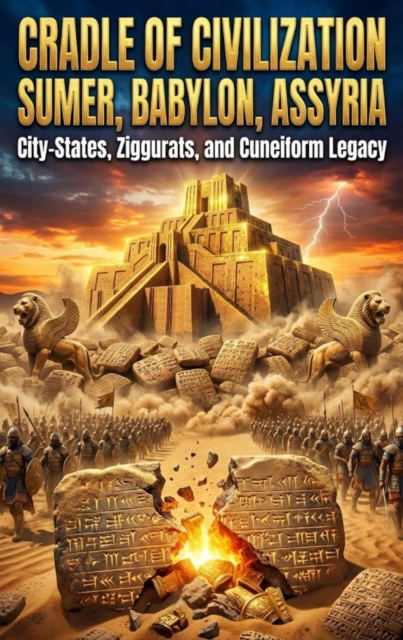
From the vast plains of Mesopotamia to the monumental palaces of Persepolis, the Persian Empire reshaped the ancient world through mastery of both politics and architecture.
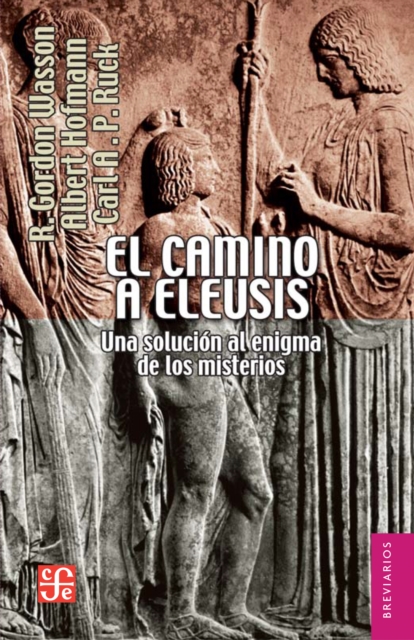
A partir de la etnomicología, los tres autores articulan un estudio multidisciplinario que los lleva a descubrir la estrecha relación entre los misterios eleusinos de la Antigua Grecia y el consumo de sustancias psicodélicas.