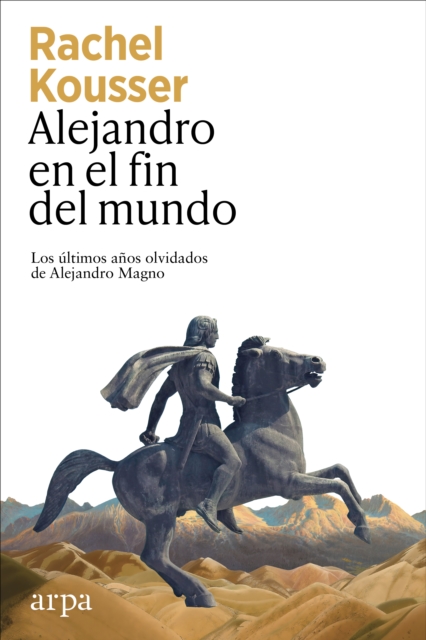
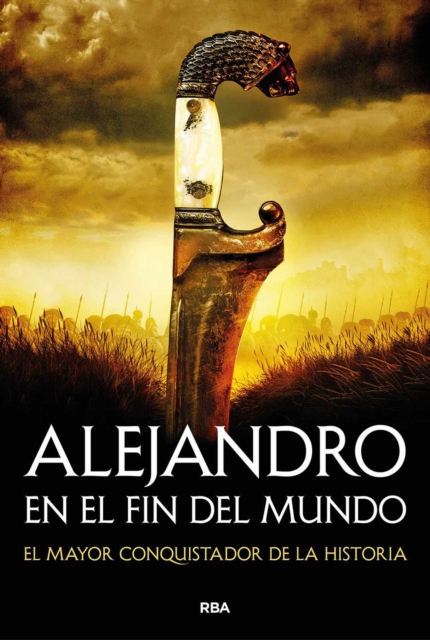
La apasionante crónica de los últimos años de Alejandro Magno: una odisea de ambición desmedida, victorias deslumbrantes y derrotas que sellaron su legado.
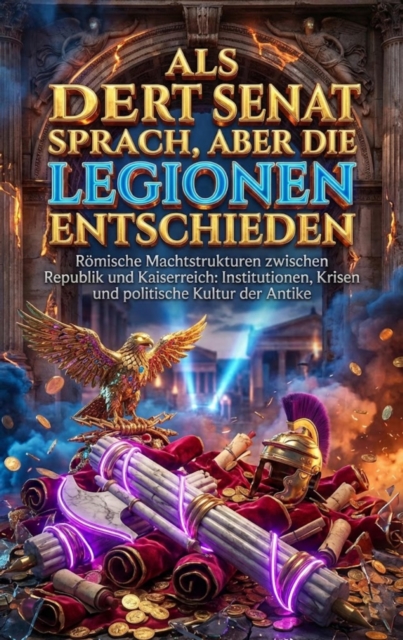
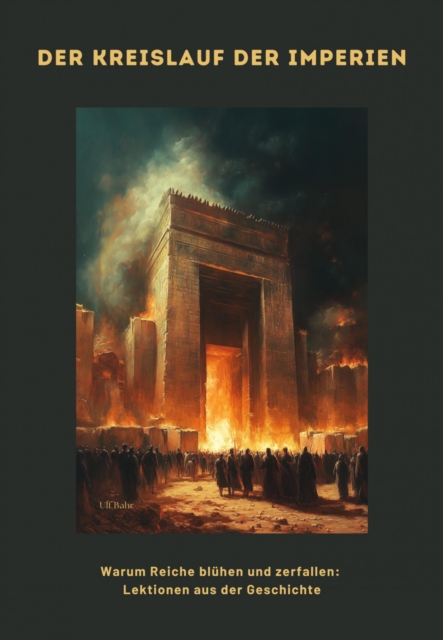
Römische Politik war mehr als Cäsar und Augustus—sie war ein komplexes Geflecht aus institutionellen Zwängen, Faktionskämpfen und der ständigen Frage, wie Macht legitimiert wird, wenn formale Verfassungen versagen.
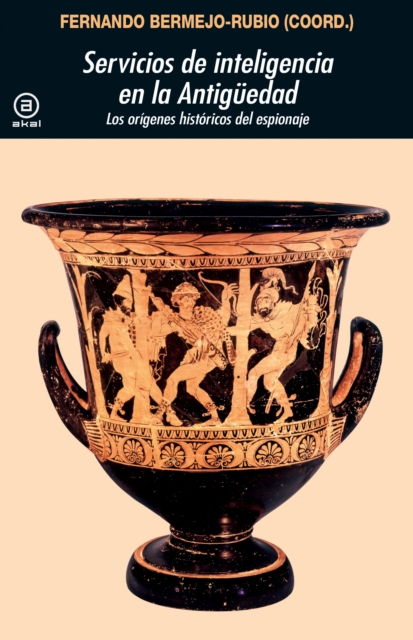
"Para todo gobernante, como para todo jefe militar, es imprescindible conocer las circunstancias concernientes a sus antagonistas y adversarios (reales o potenciales), con el fin de neutralizar cualquier amenaza y afianzarse en el poder.
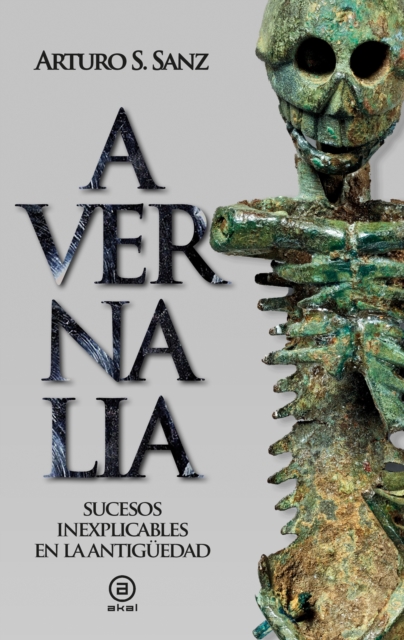
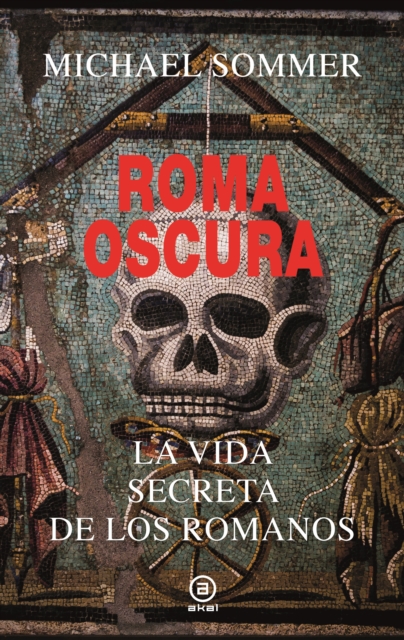
"Apariciones, espectros, fantasmas, licántropos o renacidos, encuentros con espíritus capaces de cambiar su apariencia, casas encantadas, bilocaciones, posesiones y exorcismos, prodigios, sucesos y criaturas extrañas, monstruos, avistamientos insólitos, festivales dedicados a los muertos… Tendemos a pensar que las narraciones y las experiencias relacionadas con el Más Allá, el Hades o el Averno son relativamente modernas.
Documento etnografico y politico, economico y cultural de primer orden, esta obra es un arsenal precioso de datos para el estudio de la historia de los pueblos de la cuenca del Mediterraneo.
Después de la conquista española, los libros conocidos con el nombre genérico de Chilam Balam fueron redactados en lengua maya, con caracteres latinos.
"Cuando en 1978 Edward Said acuñó el concepto de «orientalismo» en su libro homónimo, justamente célebre, y tachó de inventores a Esquilo y Heródoto, quizá no le faltara razón, pero lo cierto es que se dejó en el tintero otros nombres griegos.
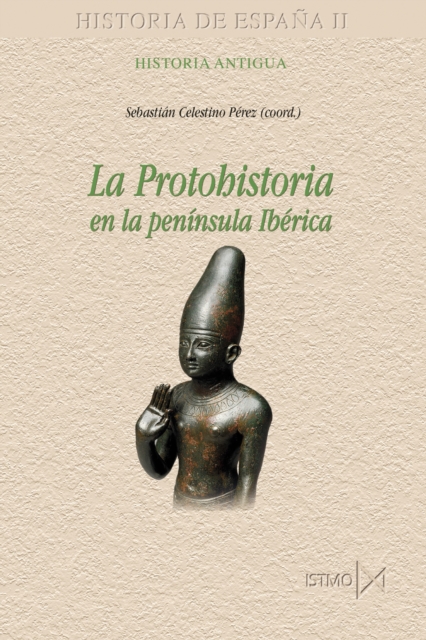
La Protohistoria en la España prerromana es una visión actual del Bronce Final y la Edad del Hierro en la península Ibérica, que es el Far West del Viejo Continente como última tierra de Eurasia.
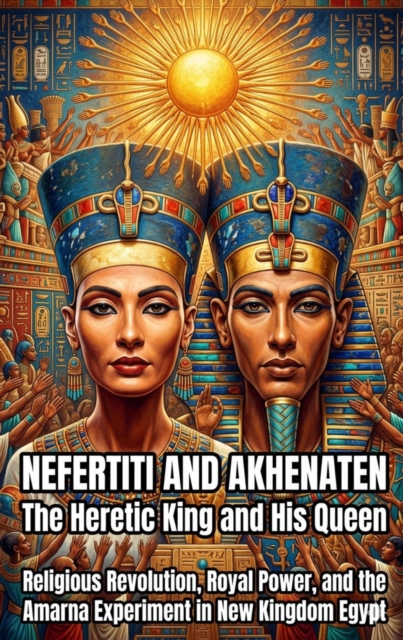
In the fourteenth century BCE, the Egyptian pharaoh Amenhotep IV did something no ruler of the ancient world's most theologically conservative civilization had attempted: he dismantled the established religious order, suppressed the powerful priesthood of Amun, relocated the capital to a city built from nothing in the desert, and declared a single solar deity - the Aten - the sole focus of state worship.
Alejandro: el astro fulgurante que atraviesa el mundo Antiguo Hace veintitrés siglos vivió un muchacho que recibió una herencia formidable de su padre asesinado: el trono de Macedonia, la hegemonía sobre Grecia y el primer ejército profesional de la Antigüedad.
Das Römische Reich beherrschte über tausend Jahre drei Kontinente – nicht durch Zufall, sondern durch ausgefeilte politische Systeme, strategische Führung und pragmatische Machtausübung.
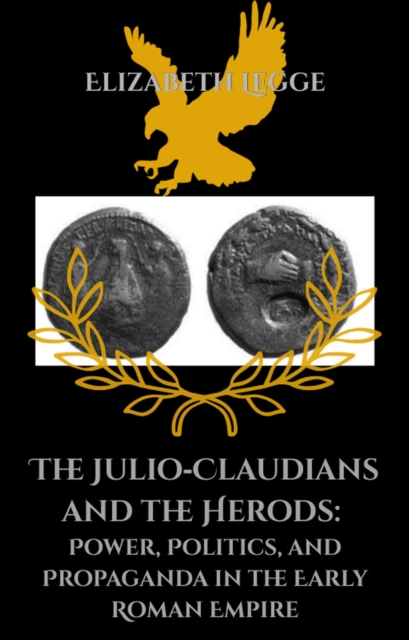
The Julio‑Claudians and the Herods examines two of the most influential dynasties of the early Roman Empire, considering how each constructed political authority, public identity, and legitimacy within the imperial system.
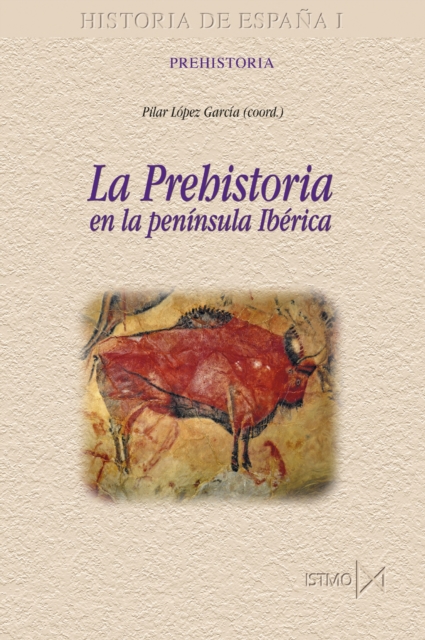
El presente volumen es el resultado de la colaboración interdisciplinar de un grupo de los más destacados especialistas en el estudio de la Prehistoria peninsular, que han combinado los más actuales conocimientos científicos sobre el tema para ofrecer una visión holística de un pasado que no siempre se interpreta exclusivamente a través de la cultura material.
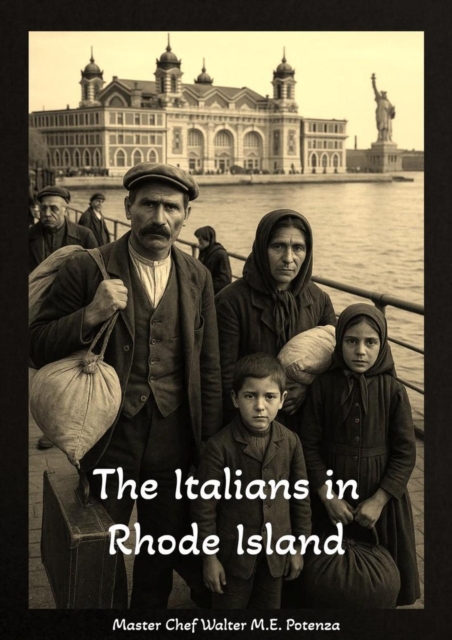
The Italians in Rhode Island: Story of immigration, integration, and assimilation into the fabric of Rhode Island's communities, business, and social relevance.
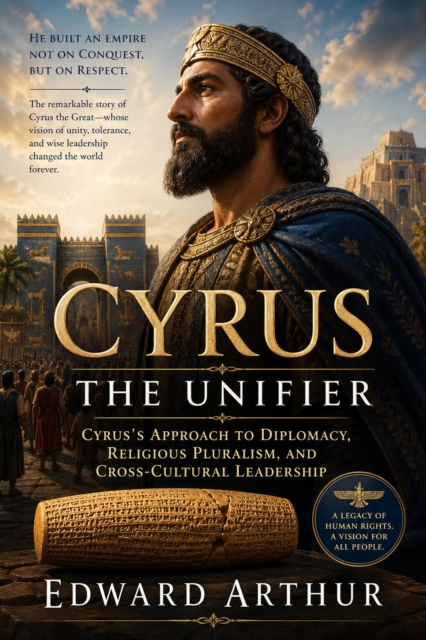
Unlock the untold story of one of history's most visionary leaders, Cyrus the Great, whose revolutionary strategies forged an empire built on respect, not conquest.
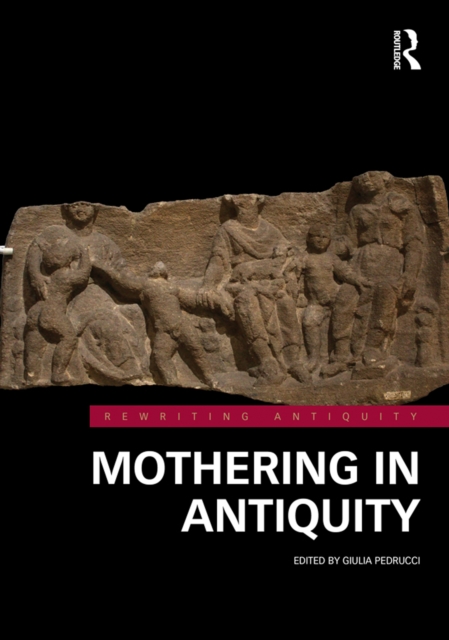
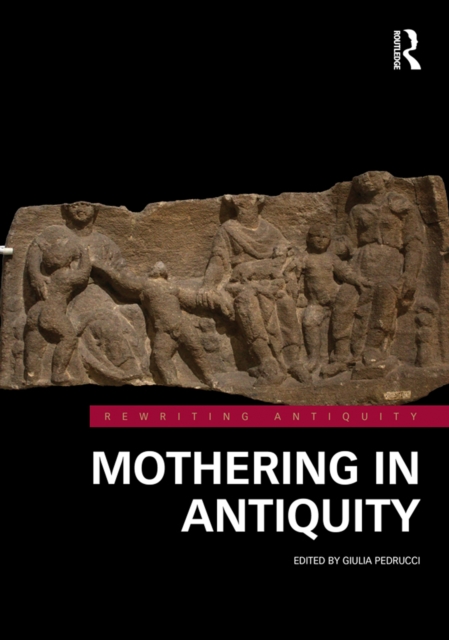
Mothering in Antiquity is a groundbreaking examination that redefines how motherhood and mothering are studied in the ancient world, integrating archaeological, textual, and religious evidence through the lens of contemporary maternal theory.
Mothering in Antiquity is a groundbreaking examination that redefines how motherhood and mothering are studied in the ancient world, integrating archaeological, textual, and religious evidence through the lens of contemporary maternal theory.
This volume explores Mexican dramatic receptions of Sophocles' Antigone from the twentieth and twenty-first centuries, investigating the thematic evolution of Antigone in Mexico and its cumulative impact on Mexican heritage discourse.
This volume explores Mexican dramatic receptions of Sophocles' Antigone from the twentieth and twenty-first centuries, investigating the thematic evolution of Antigone in Mexico and its cumulative impact on Mexican heritage discourse.
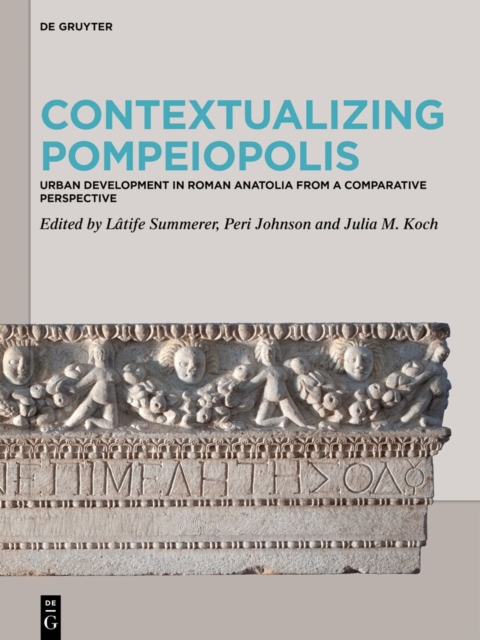
After the Pontic Kingdom's defeat and northern Anatolia's integration into the Roman Empire in 64/63 BCE, the region experienced an urban transformation.