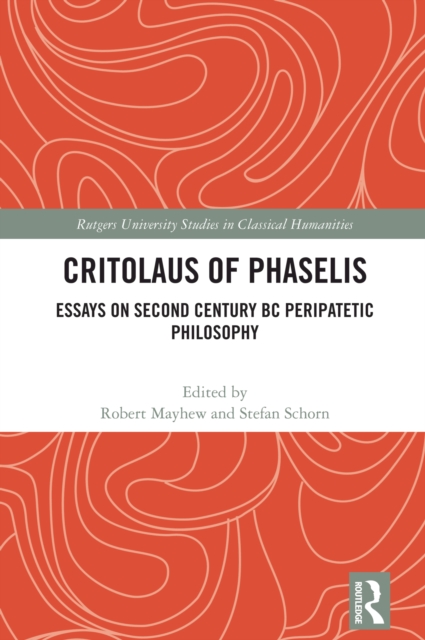
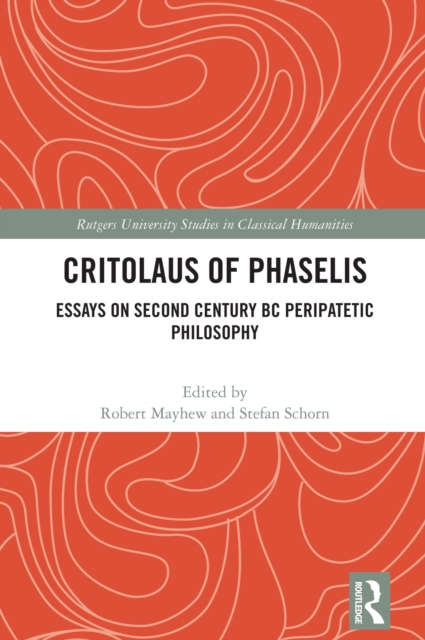
This is the first volume in over a century devoted to the second-century bce Peripatetic philosopher Critolaus of Phaselis, covering his views on cosmology, god, ethics, rhetoric, and politics.
This is the first volume in over a century devoted to the second-century bce Peripatetic philosopher Critolaus of Phaselis, covering his views on cosmology, god, ethics, rhetoric, and politics.
This volume analyses the Carthaginian policy towards Sicily, from the earliest recorded contacts in the 6th century to the expulsion of Punic influences by the Romans in the 3rd century.
This volume analyses the Carthaginian policy towards Sicily, from the earliest recorded contacts in the 6th century to the expulsion of Punic influences by the Romans in the 3rd century.
Gladiatoren gelten als Sinnbild römischer Spektakel: bewaffnete Einzelkämpfer, deren Auftritte zwischen Inszenierung, Disziplin und kalkuliertem Risiko oszillierten.
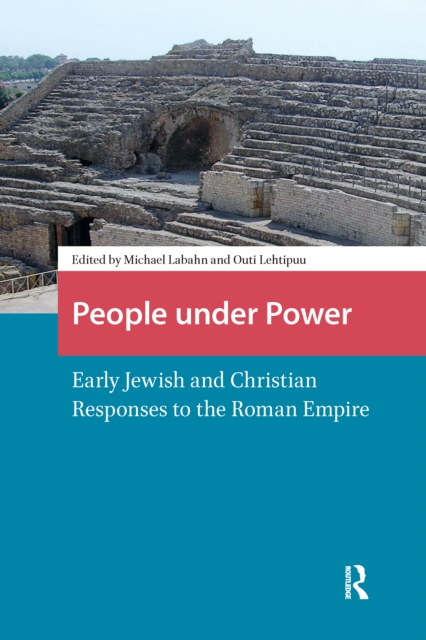
This volume presents a batch of incisive new essays on the relationship between Roman imperial power and ideology and Christian and Jewish life and thought within the empire.
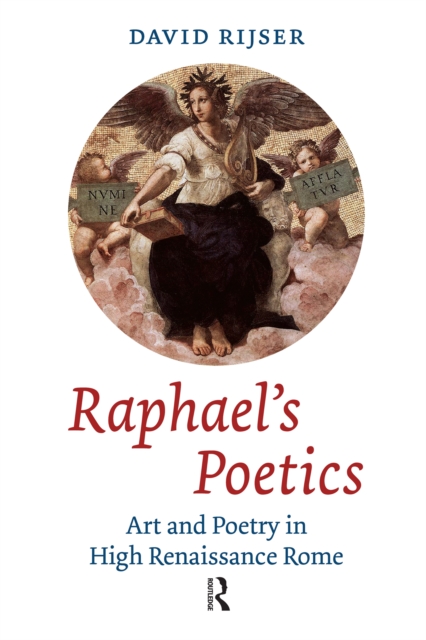
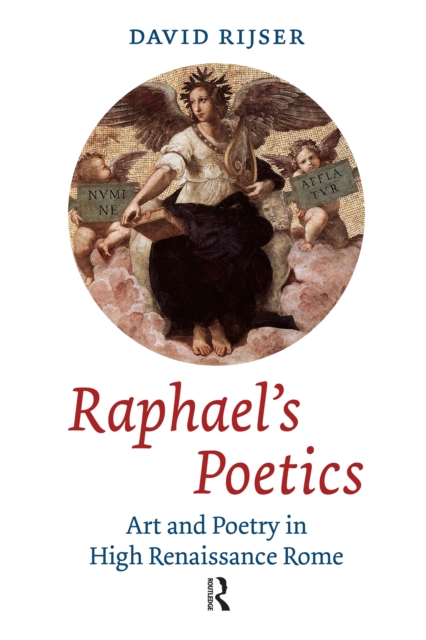
Raphael's Poetics applies strategies of interpretation implicit in antique poetry to the visual art of the Renaissance, concentrating on Raphael's Roman works and their cultural context.
Raphael's Poetics applies strategies of interpretation implicit in antique poetry to the visual art of the Renaissance, concentrating on Raphael's Roman works and their cultural context.
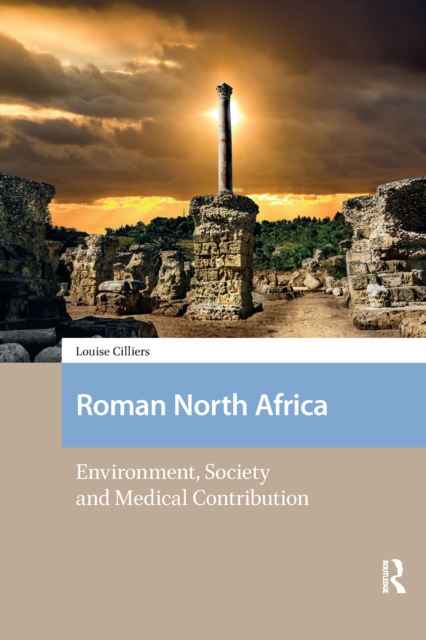
This book examines the environment and society of North Africa during the late Roman period (fourth and fifth centuries CE) through the writings of Helvius Vindicianus, Theodorus Priscianus, Caelius Aurelianus, and Cassius Felix.
This book approaches the manifestation and evolution of the idea of Rome as an expression of Roman patriotism and as an (urban) archetype of utopia in late Roman thought in a period extending from AD 357 to 417.
This volume presents a batch of incisive new essays on the relationship between Roman imperial power and ideology and Christian and Jewish life and thought within the empire.
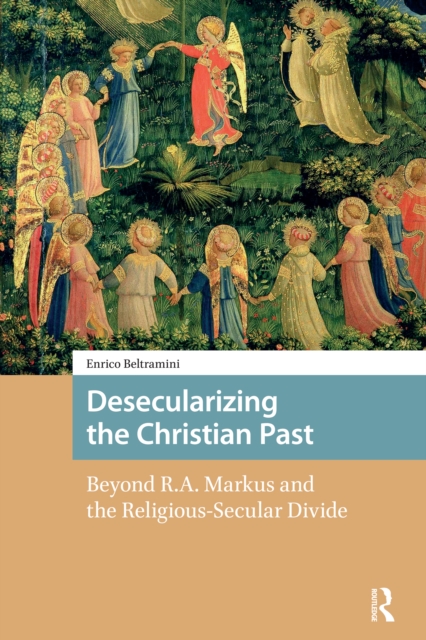
The essential objective of this study is to unpack the complicity between historians and secularization theory in the study of late ancient and early medieval Christianity-and then suggest a way out.
This book examines the environment and society of North Africa during the late Roman period (fourth and fifth centuries CE) through the writings of Helvius Vindicianus, Theodorus Priscianus, Caelius Aurelianus, and Cassius Felix.
In Roman times, the area between the Lower Rhine and the Meuse in the present day province of South Holland in the Netherlands, was known as the administrative district of the community of the Cananefates (the civitas Cananefatium).
The essential objective of this study is to unpack the complicity between historians and secularization theory in the study of late ancient and early medieval Christianity-and then suggest a way out.
This book approaches the manifestation and evolution of the idea of Rome as an expression of Roman patriotism and as an (urban) archetype of utopia in late Roman thought in a period extending from AD 357 to 417.
In Roman times, the area between the Lower Rhine and the Meuse in the present day province of South Holland in the Netherlands, was known as the administrative district of the community of the Cananefates (the civitas Cananefatium).
Seit Jahrtausenden prägen Frauen die Entwicklung von Gesellschaften – als Herrscherinnen, Priesterinnen, Händlerinnen, Kriegerinnen und Hüterinnen von Wissen.
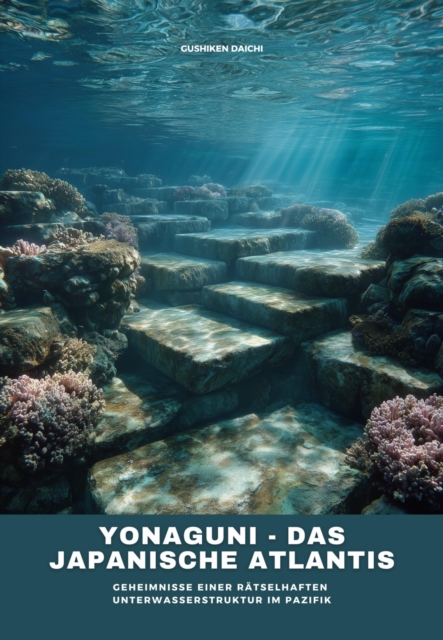
Vor der Küste der japanischen Insel Yonaguni verbirgt sich in den Tiefen des Pazifiks ein Rätsel, das Forscher, Abenteurer und Geschichtsliebhaber seit Jahrzehnten fasziniert: monumentale, stufenartige Strukturen, die wie die Überreste einer versunkenen Stadt wirken.
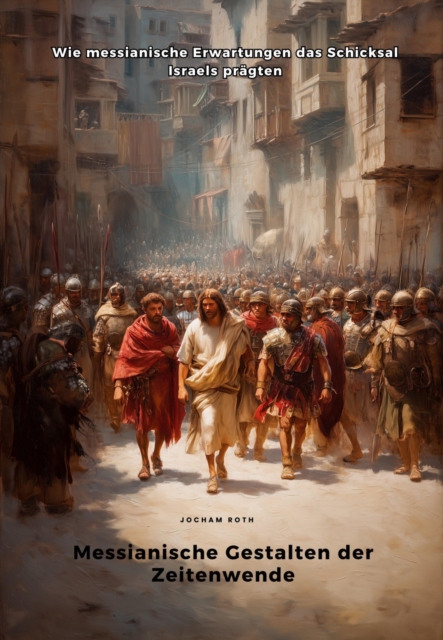
Zur Zeitenwende, inmitten römischer Besatzung und tiefgreifender gesellschaftlicher Umbrüche, wuchs im jüdischen Palästina die Hoffnung auf einen Messias, der Befreiung und Erneuerung bringen würde.