The Ionians and Hellenism (1980) presents an assessment of the art, literature and philosophy of the Asia Minor Greeks - the Ionians - in the eighth to sixth centuries B.
Greeks, Romans and Barbarians (1988) explores a number of themes that bind the regional cultural developments of mainland Europe and the Mediterranean Basin.
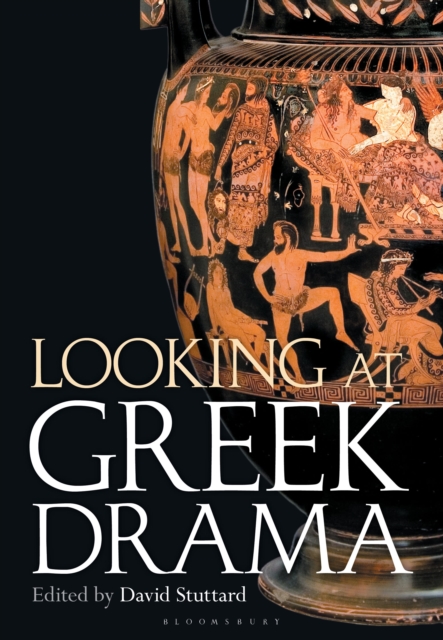
This is a vital and accessible overview of Greek drama from its origins to its later reception, including chapters on authors and dramas in their social and religious context as well as key aspects such as structure, character, staging and music.
This commentary offers the reader a set of letters (or letter parts) written by Cicero, Paul, and Seneca, which have been selected against the Transformational Leadership categories of 'idealised influence', 'inspirational motivation', 'intellectual stimulation', and 'individualised consideration'.
The Ancient Explorers (1929) examines the motives of ancient exploration by the different civilizations of the time, the primary of these being the Greeks and the Romans, and looks at the means of travel at their disposal.
Herodotus's The Histories is the foundational prose epic of historical inquiry, recounting the causes, course, and consequences of the Greco-Persian Wars while ranging widely across Egypt, Lydia, Scythia, Persia, and the Greek world.
For four centuries Britain was an integral part of the Roman Empire, a political system stretching from Turkey to Portugal and from the Red Sea to the Tyne and beyond.
Utilising new methodological approaches to understanding not only the poor as a social and economic group but also of the internal means of stratification which informed social organisation within local communities, this book looks at the place of the poor within the multi-layered hierarchies of Byzantine society using evidence from archaeology, art, architecture, as well as narrative, theological, and legal texts.
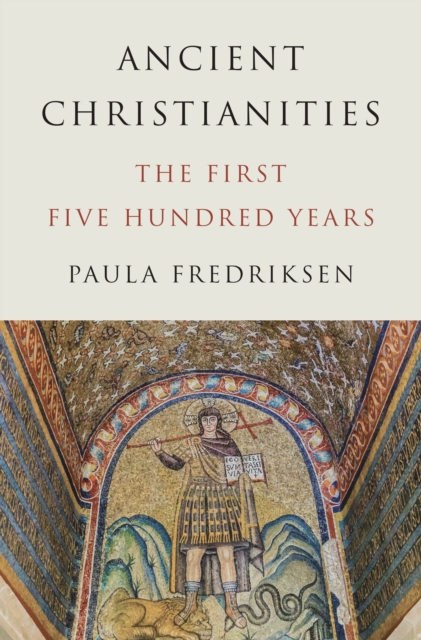
How, over the course of five centuries, one particular god and one particular Christianity came to dominate late Roman imperial politics and piety The ancient Mediterranean teemed with gods.
Roman Britain (1935) is Franzero's personal but no less well-researched study of the history of Roman Britain, from conquest to withdrawal, and the archaeology that remains to this day - some of it a great deal more impressive than many would suppose.
Dieses eBook: "Nero (Historischer Roman)" ist mit einem detaillierten und dynamischen Inhaltsverzeichnis versehen und wurde sorgfältig korrekturgelesen.
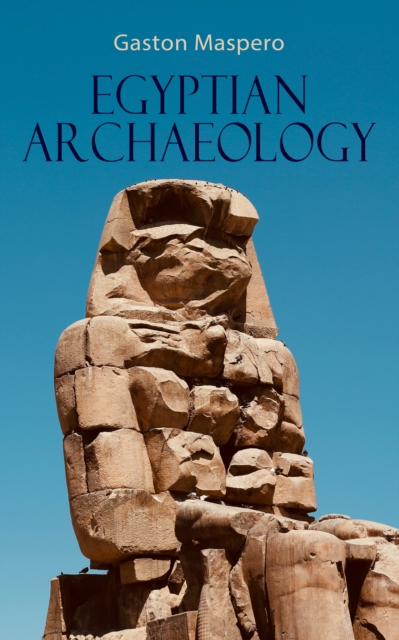
Egyptian Archaeology is a lucid, systematic introduction to the material civilization of ancient Egypt, surveying architecture, tombs, temples, sculpture, painting, domestic objects, writing, and funerary practice.
The first set of articles in this collection is concerned with the nature of the bishops authority in the Early Church and the sources from which it was drawn.
Keine ausführliche Beschreibung für "Dankrede vor dem Senat, Dankrede vor dem Volke, Rede für sein Haus, Über die konsularischen Provinzen, Über die Gutachten der Haruspices, Gegen Piso" verfügbar.
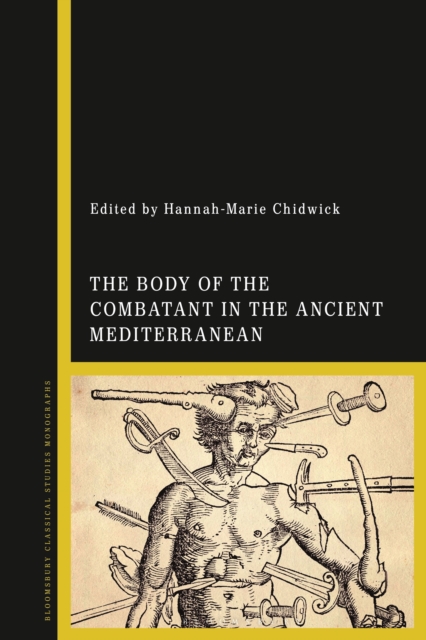
This volume explores a broad range of perceptions, receptions and constructions of the soldierly body in the ancient world, putting the notion of embodiment at the forefront of its engagement with ancient warfare.
The Ancient City of Athens (1953) contains both definite reports of the actual discoveries in the excavations which revolutionised previous topographical views of Athens, and articles and discussions to which these new discoveries gave rise.
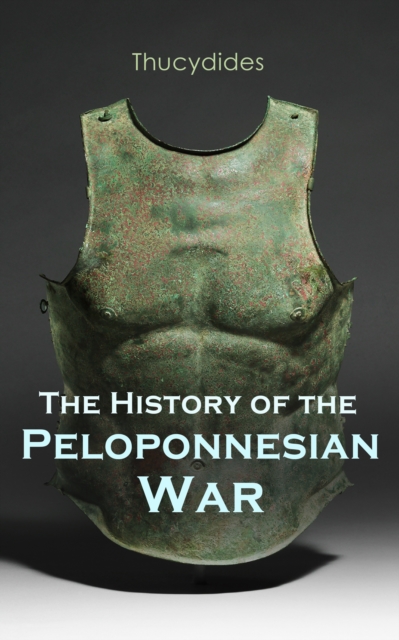
Thucydides' The History of the Peloponnesian War is the foundational prose account of the long struggle between Athens and Sparta, tracing its causes, campaigns, political crises, and moral consequences with austere precision.
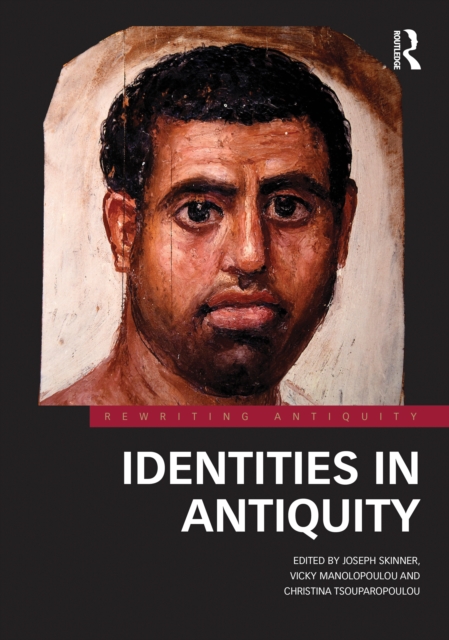
Identities in Antiquity is a multi-disciplinary platform for the synthetic study of ancient identities, set in a more rounded and inclusive notion of antiquity.