This volume is the first joint publication of the members of the American-Egyptian mission South Asasif Conservation Project, working under the auspices of the State Ministry for Antiquities and Supreme Council of Antiquities, and directed by the editor.
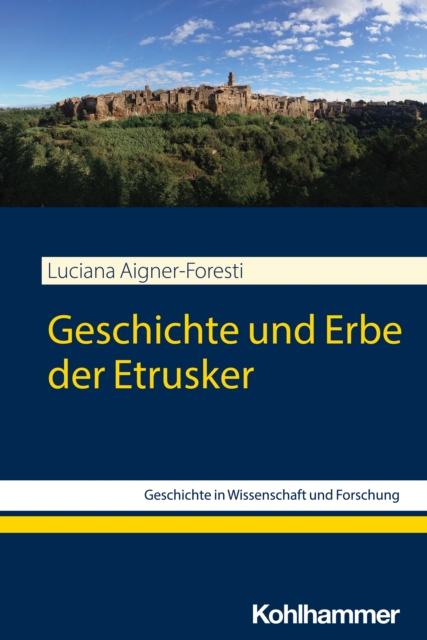
In der Antike wurde das nördliche Mittelitalien von den Etruskern besiedelt, deren kulturelle und technische Errungenschaften auch den Erfolg der Römer entscheidend begründeten.
Building on his previous work on Hellenistic Interstate Political Ethics (T&T Clark, 2022) leading historian Doron Mendels presents three hundred interstate ethical rules of conduct which he has discovered within three reconstructed Hellenistic codes.
The commentary interprets Jeremiah 1-25 as a dramatic text: In laments, accusations, and announcements of doom, a polyphonic message about the fall of Jerusalem and Judah emerges.
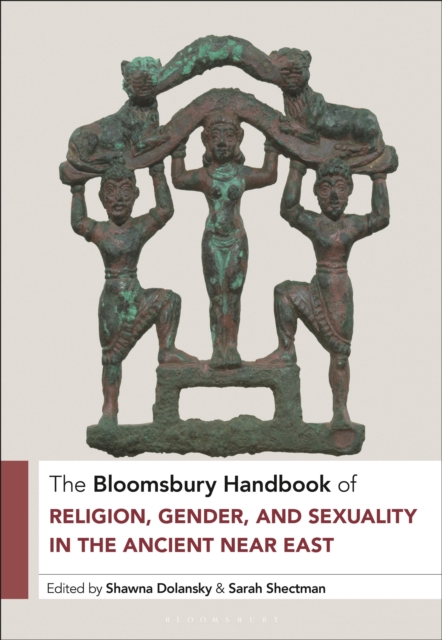
Cutting across disciplinary boundaries and challenging traditional understandings of historical cultures, this handbook examines the ways in which gender, sexuality, and religion were mutually constructed and negotiated in ancient Near Eastern societies.
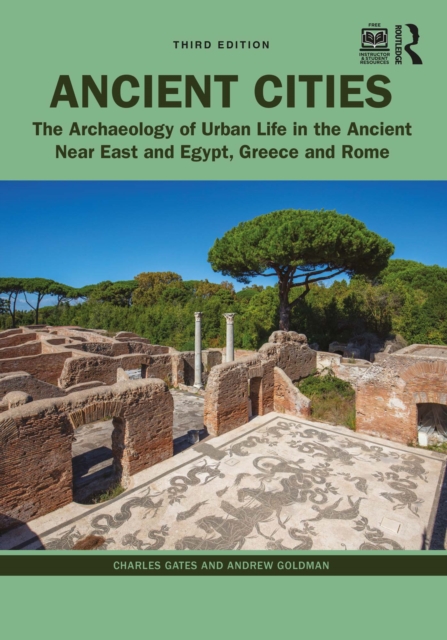
The third edition of Ancient Cities surveys the cities of the Ancient Near East, Egypt, and the Greek, Etruscan, and Roman worlds from the perspectives of archaeology and architectural history, bringing to life the physical world of ancient city dwellers by concentrating on archaeological evidence.
Very Short Introductions: Brilliant, Sharp, Inspiring Horace was one of the greatest poets during the reign of Augustus and is seen as a mark of cultural sophistication since this time.
The relentlessly self-promoting amateur archaeologist Heinrich Schliemann took full credit for discovering Homer's Troy over one hundred years ago, and since then generations have thrilled to the tale of his ambitions and achievements.
Using pagan prose fiction produced in Greek and Latin during the early Christian era, Bowersock investigates the complex relationship among perceived and presented "e;historical"e; and "e;fictional"e; truths.
Representing five major areas of Augustan scholarship-historiography, poetry, art, religion, and politics-the nineteen contributors to this volume bring us closer to a balanced, up-to-date account of Augustus and his principate.
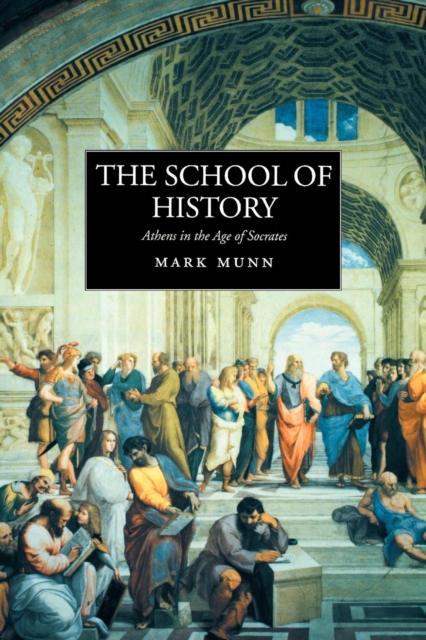
History, political philosophy, and constitutional law were born in Athens in the space of a single generation--the generation that lived through the Peloponnesian War (431-404 b.
Using pagan prose fiction produced in Greek and Latin during the early Christian era, Bowersock investigates the complex relationship among perceived and presented "e;historical"e; and "e;fictional"e; truths.
Representing five major areas of Augustan scholarship-historiography, poetry, art, religion, and politics-the nineteen contributors to this volume bring us closer to a balanced, up-to-date account of Augustus and his principate.
History, political philosophy, and constitutional law were born in Athens in the space of a single generation--the generation that lived through the Peloponnesian War (431-404 b.
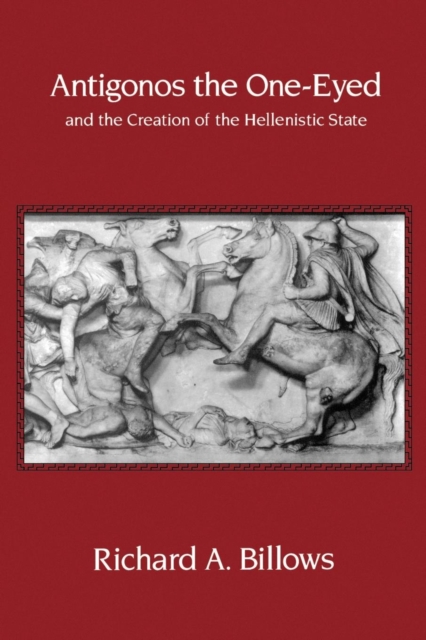
Called by Plutarch "e;the oldest and greatest of Alexander's successors,"e; Antigonos the One-Eyed (382-301 BC) was the dominant figure during the first half of the Diadoch period, ruling most of the Asian territory conquered by the Macedonians during his final twenty years.
Called by Plutarch "e;the oldest and greatest of Alexander's successors,"e; Antigonos the One-Eyed (382-301 BC) was the dominant figure during the first half of the Diadoch period, ruling most of the Asian territory conquered by the Macedonians during his final twenty years.
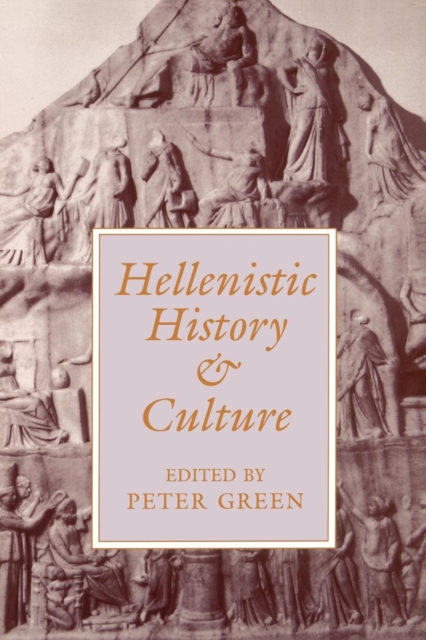
In a 1988 conference, American and British scholars unexpectedly discovered that their ideas were converging in ways that formed a new picture of the variegated Hellenistic mosaic.
In a 1988 conference, American and British scholars unexpectedly discovered that their ideas were converging in ways that formed a new picture of the variegated Hellenistic mosaic.
It is unusual for a single scholar practically to reorient an entire sub-field of study, but this is what Chris Stray has done for the history of UK classical scholarship.