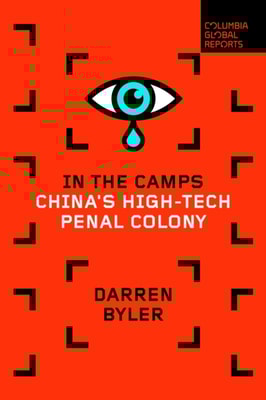
How China used a network of surveillance to intern over a million people and produce a system of control previously unknown in human historyNovel forms of state violence and colonization have been unfolding for years in Chinas vast northwestern region, where more than a million and a half Uyghurs and others have vanished into internment camps and associated factories.
Analysing a series of narratives that described women who transformed the worlds they lived in, this book introduces students and scholars to the lives of the women of Joseon Korea 1550-1700.
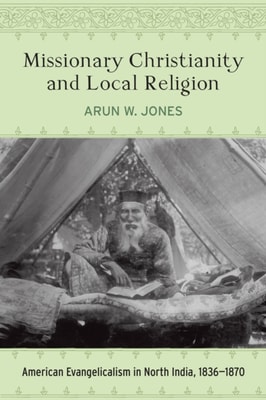
The first Christian communities were established among the population of Hindi- and Urdu-speaking North India during the middle of the nineteenth century.
Dan Barker, ex-preacher and co-founder of the Freedom From Religion Foundation, travels widely, arguing in debates and speaking on his beliefs that Christianity is false, God does not exist, and the Bible is filled with errors and mythology.
In a remarkable example of history as detective work, Brian Martin pieces together the fascinating and complex story of the Shanghai Green Gang and its charismatic leader, Du Yuesheng.
In 1949 a powerful political-military movement, led by the Chinese Communist party, gained control of war-ravaged China, inheriting a disorganized administration and a society eroded by decades of revolution.
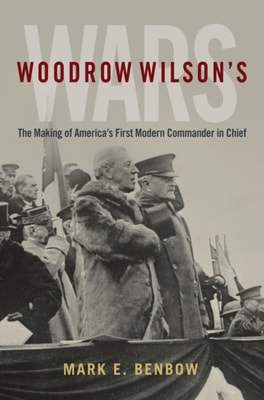
Woodrow Wilson's presidential administration (1913-1921) was marked not only by America's participation in World War I, but also by numerous armed interventions by the United States in other countries.
The great nineteenth century French military thinker, Ardant du Picq, argued that selfless courage is rooted in a higher moral purpose, and is found among "e;Elite Souls.
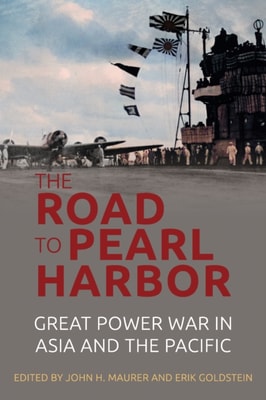
The Road to Pearl Harbor offers a timely examination of the conflict in the Pacific prior to the attacks on Pearl Harbor and offers lessons applicable to understanding contemporary Great Power flash points between Asia and the West.
The Battle of Jutland, May 31-June 1, 1916, pitted Great Britain and Imperial Germany-the two largest fleets of World War I-against one another for the first time.
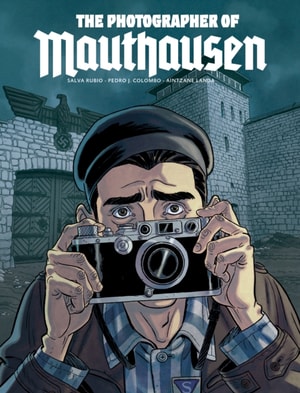
This is a dramatic retelling of true events in the life of Francisco Boix, a Spanish press photographer and communist who fled to France at the beginning of World War II.
War and Resistance in the Philippines, 1942-1944 repairs the fragmentary and incomplete history of events in the Philippine Islands between the surrender of Allied forces in May 1942 and MacArthur's return in October 1944.
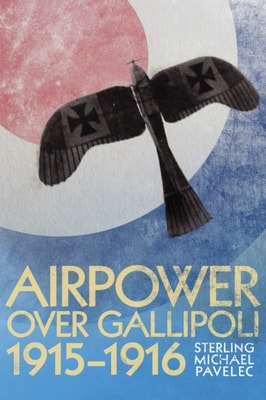
Based on extensive archival research, Sterling Michael Pavelec recounts the adventures of the handful of aviators and their aircraft during the Gallipoli Campaign.
This is the first book of its kind to employ hundreds of Chinese sources to explain the history and current state of Chinese Communist intelligence operations.
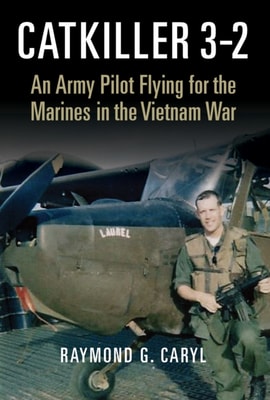
Catkiller 3-2 provides unique insights into the role of the tactical air controller, airborne (TACA) in I Corps as seen through the eyes of one of the pilots who flew low-flying, unarmed, single-engine aircraft in support of Marine ground units during the Vietnam War.
Genesis of the Grand Fleet: The Admiralty, Germany, and the Home Fleet, 1896-1914 tells the story of the prewar predecessor to the Royal Navy's war-winning Grand Fleet: the Home Fleet.
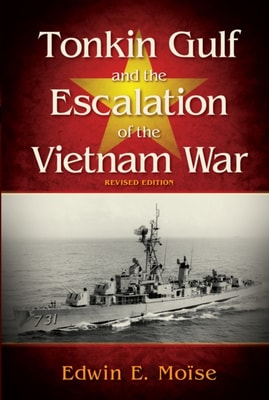
Drawing on extensive State Department files, declassified Navy policy papers, interviews with both former top officials and individuals who were involved in incidents, David F.
Inspired from assorted first-hand accounts, this fictional story of World War I is an anthropomorphic retelling of that global conflict and the soldiers who experienced the horrors of the front lines and high seas.
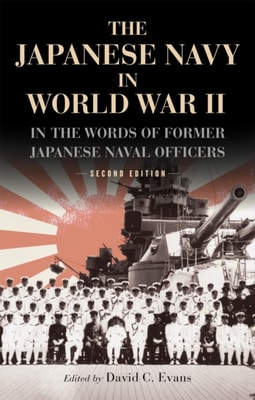
First published in 1986 and lauded by historians and World War II buffs eager for the Japanese viewpoint, this collection of essays makes significant contributions to the field of World War II literature.