From President Nixon's historic visit to China in 1972 to the aftermath of the Tiananmen tragedy, this book examines the changing perceptions of the United States articulated by China's "e;America Watchers,"e; whose occupation is to interpret the "e;beautiful imperialist"e; for China's elite and public.
An anthropologist's groundbreaking account of how Islamic religious authority is assembled through the unceasing labor of community building on the island of JavaThis compelling book draws on Ismail Fajrie Alatas's unique insights as an anthropologist to provide a new understanding of Islamic religious authority, showing how religious leaders unite diverse aspects of life and contest differing Muslim perspectives to create distinctly Muslim communities.
A comprehensive history of the Sino-Russian border, one of the longest and most important land borders in the worldThe Sino-Russian border, once the world's longest land border, has received scant attention in histories about the margins of empires.
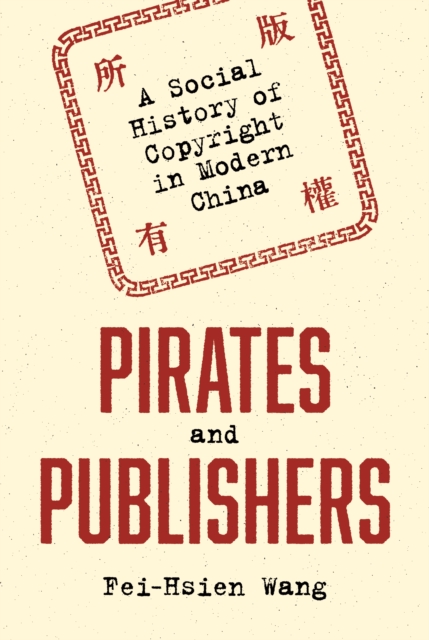
A detailed historical look at how copyright was negotiated and protected by authors, publishers, and the state in late imperial and modern ChinaIn Pirates and Publishers, Fei-Hsien Wang reveals the unknown social and cultural history of copyright in China from the 1890s through the 1950s, a time of profound sociopolitical changes.
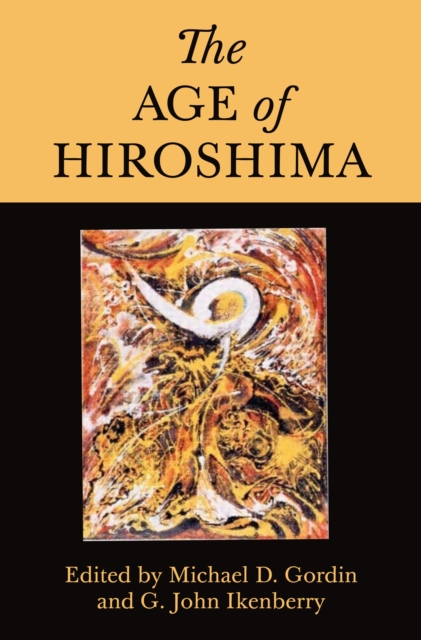
A multifaceted portrait of the Hiroshima bombing and its many legaciesOn August 6, 1945, in the waning days of World War II, the United States dropped an atomic bomb on the Japanese city of Hiroshima.
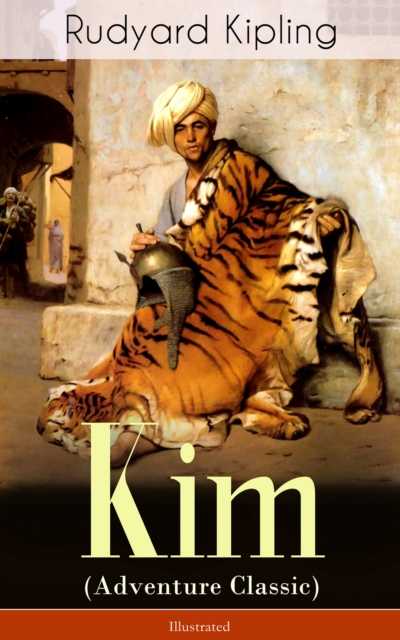
This carefully crafted ebook: "e;Kim (Adventure Classic) - Illustrated"e; is formatted for your eReader with a functional and detailed table of contents.
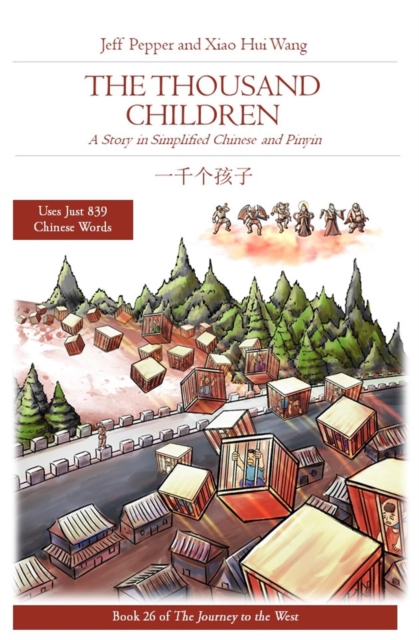
Tangseng and his disciples arrive at the capital of Bhiksu Kingdom and learn that it's been renamed "e;Boytown"e; because over a thousand little boys have been locked in cages in front of their homes.
Dieses eBook: "Homo sum (Historischer Roman)" ist mit einem detaillierten und dynamischen Inhaltsverzeichnis versehen und wurde sorgfältig korrekturgelesen.
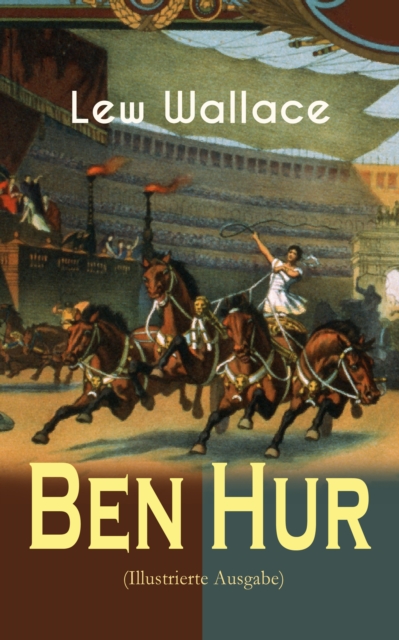
Dieses eBook: "Ben Hur (Illustrierte Ausgabe)" ist mit einem detaillierten und dynamischen Inhaltsverzeichnis versehen und wurde sorgfältig korrekturgelesen.
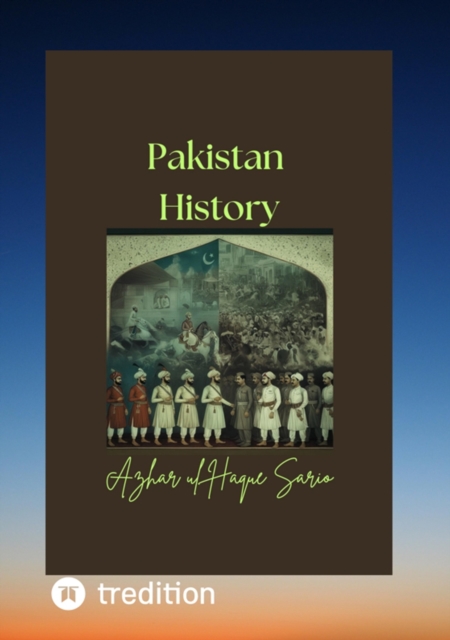
Unveiling Pakistan: A Tapestry of History, Culture, and ResilienceEmbark on an illuminating journey through the annals of Pakistan's vibrant and multifaceted history.
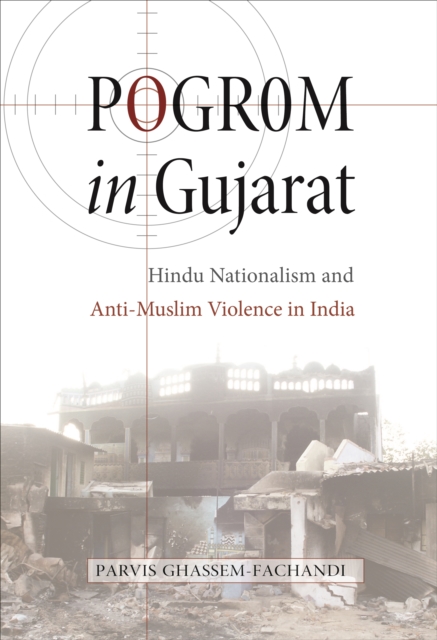
In 2002, after an altercation between Muslim vendors and Hindu travelers at a railway station in the Indian state of Gujarat, fifty-nine Hindu pilgrims were burned to death.
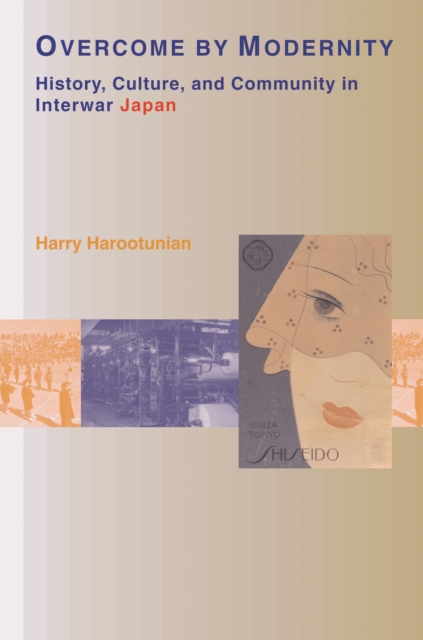
In the decades between the two World Wars, Japan made a dramatic entry into the modern age, expanding its capital industries and urbanizing so quickly as to rival many long-standing Western industrial societies.
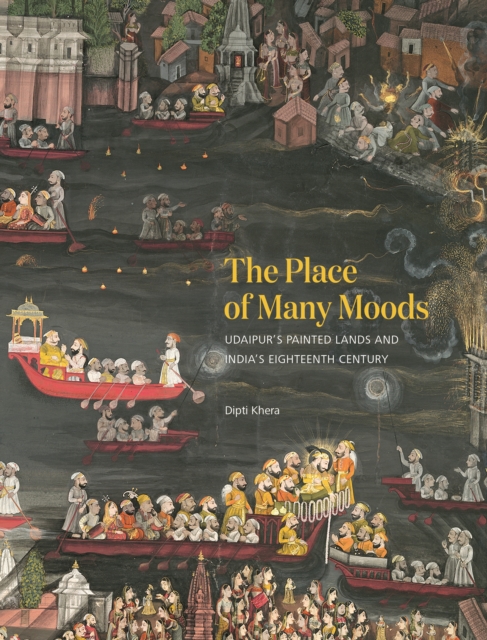
A look at the painting traditions of northwestern India in the eighteenth century, and what they reveal about the political and artistic changes of the eraIn the long eighteenth century, artists from Udaipur, a city of lakes in northwestern India, specialized in depicting the vivid sensory ambience of its historic palaces, reservoirs, temples, bazaars, and durbars.
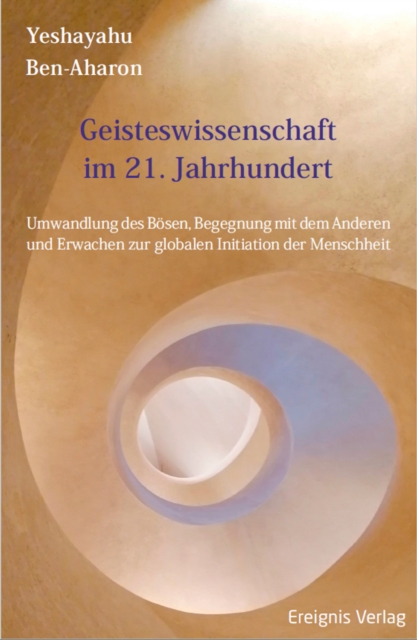
In diesen 1997–2012 gehaltenen Vorträgen spannt der Autor einen weiten Bogen über sein zentrales Thema: die Begegnung mit dem Ätherischen bereits wirksam erscheinenden Christus.
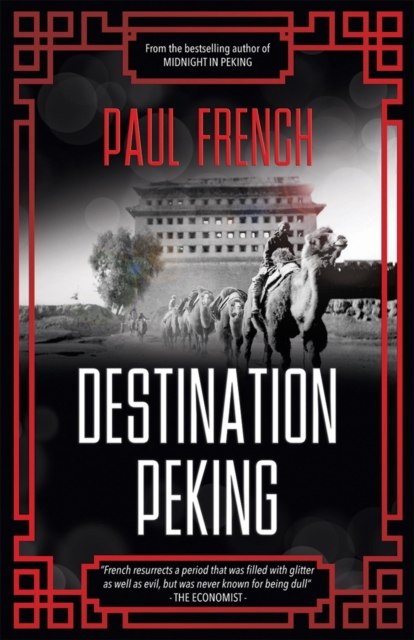
New York Times bestselling author Paul French (Midnight in Peking) returns to the Chinese capital to tell 18 true stories of fascinating people - many Americans among them - who visited the city in the first half of the 20th century.
Apart from the fifteen years that Sher Shah Suri snatched upon defeating Humayun, the flag of the grand Mughal Empire flew over Delhi undefeated for over 300 years.
The Way Beyond is a compact yet searching work of spiritual instruction, concerned with the soul's passage from personal striving into a higher realization of divine consciousness.
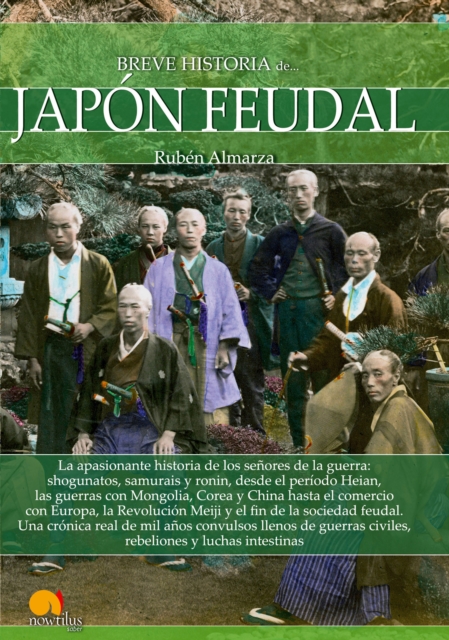
La apasionante historia de los señores de la guerra: Shogunatos, samurais y ronin, desde el periodo Heian, las guerras con Mongolia, Corea y China hasta el comercio con Europa, la Revolución Meiji y el fin de la sociedad feudal.
Bombardeos, asesinatos, secuestros, grandes desembarcos, paracaidistas tras las líneas enemigas, la imaginación a la hora de decantar la guerra hacia un lado u otro no tuvo límites durante la Segunda Guerra Mundial, y en la mayor parte de los casos el asunto se dilucidó entre las mentes más preclaras o simplemente por el curso de los acontecimientos.
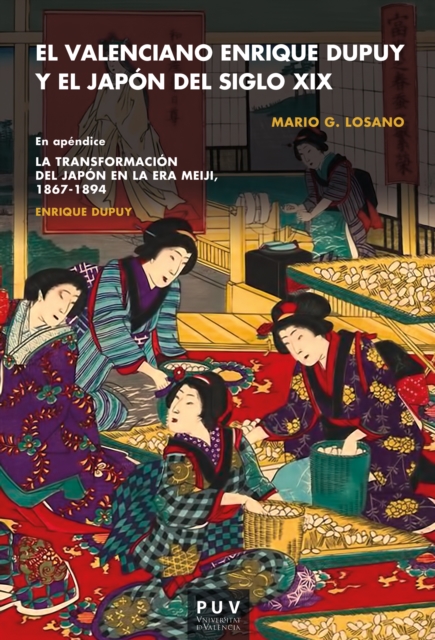
El primer destino del veinteanero diplomatico espanol Enrique Dupuy de Lome (Valencia, 1851-Paris, 1904) fue Japon, donde residio desde 1873 hasta el 1875, cuando el pais asiatico se abria al mundo occidental despues de casi doscientos cincuenta anos de aislamiento.
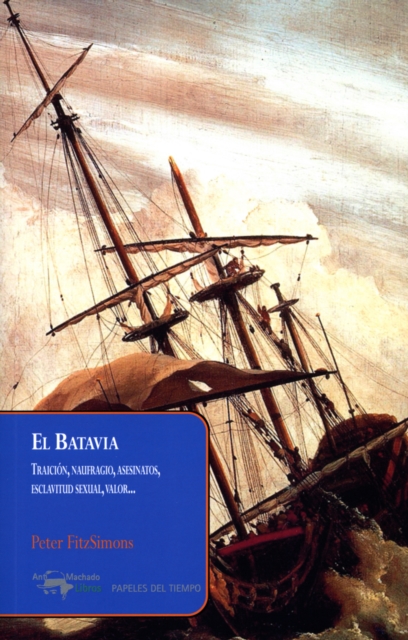
La aventura del Batavia combina en una sola historia el nacimiento de la primera multinacional, la brutalidad de la colonización, el combate entre el bien y el mal, un motín, un primer encuentro entre civilizaciones, amor, barro, sangre, una dictadura de corte fascista, asesinatos, esclavitud sexual, nobleza, supervivencia, rescates, actos heroicos y mucho más.