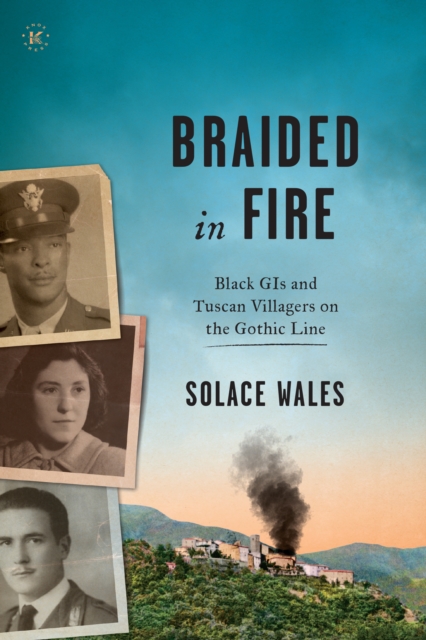
A granular history (Wall Street Journal) of the greatest hoax in radio history and the panic that followed, which Publishers Weekly calls a rollicking portrait of a director on the cusp of greatness and Booklist, in a starred review, says, Hazelgrove’s feverishly focused retelling of the broadcast as well as the fallout makes for a propulsive read as a study of both a cultural moment of mass hysteria and the singular voice at its root.
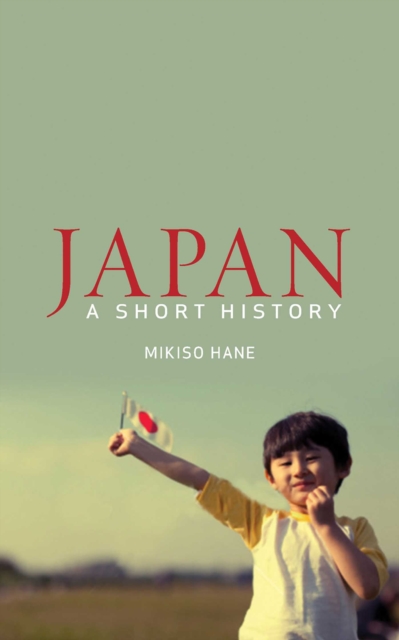
Taking as its starting point an investigation into the physical topography and symbolism of the two cities of Athens and Jerusalem, this book offers a cultural history of the rival superpowers-the Byzantine Empire and Fatimid Caliphate-that between them dominated the Mediterranean world during the Central Middle Ages.
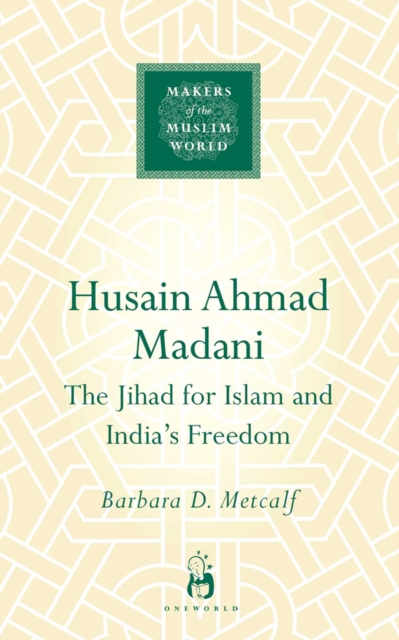
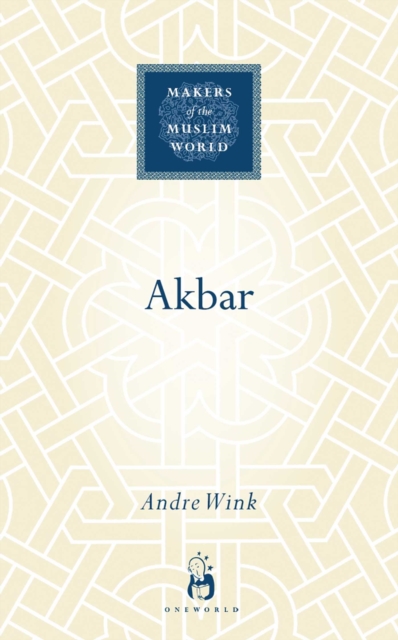
This book delves into decolonial saga of Malabar through the eyes of a native chronicler and uncover the hidden truth behind the 'Musaliar King,' the media moulded monarch by colonial misnomers.
This collection of essays, two of which appear in print for the first time, documents the late Holden Furber's discovery that private ventures, most manifestly deployed in the 'country trade' between Asian ports, played a major role in the European expansion in India before the age of empire.
The position of India's princely states is a relatively under-studied aspect of the British withdrawal from India and the early years of Indian and Pakistani independence.
The Museum in Asia advances an understanding of the flourishing museum landscape in the region by offering a variety of conceptual tools and frameworks through which museum development can be analysed and understood.
Most writing on modern China dwells on those aspects which are new to China since the Communist takeover, stressing above all politics, Marxism, economic and agricultural development.
The Mongols had a profound effect on the regions that they ruled in the eastern Muslim world, from the first Mongol invasion in 1219 through the breakup of the Ilkhanate in 1335 and the various, short-lived successor states.
This study evaluates how the ideology of Socialist Realism, developed by the Soviets in policies and the practices of art, has been influential in the Asia-Pacific region from 1917 until today.