Lost Horizon-The Legend of Shangri-La is a finely wrought adventure romance and philosophical fable in which a group of Westerners, fleeing political turmoil, discovers the hidden Himalayan lamasery of Shangri-La.
»Ein atemberaubend ehrgeiziges und gut gemachtes Stück Geschichte, das nur schwer zu übertreffen ist«, schreibt History Today über Gary Bass' einzigartiges Standardwerk zum wichtigsten Kriegsverbrecherprozesses neben den Nürnberger Prozessen.
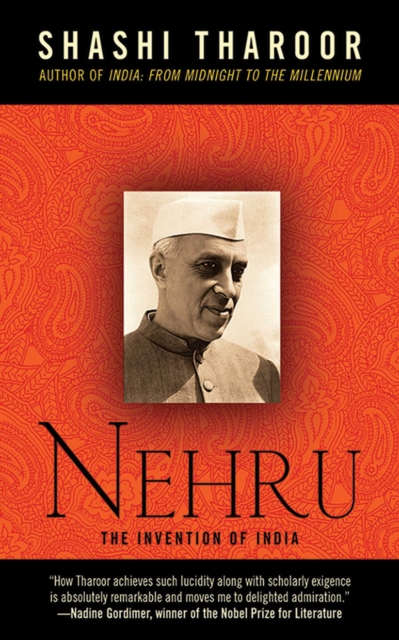
Shashi Tharoor delivers an incisive biography of the great secularist whoalongside his spiritual father, Mahatma Gandhiled the movement for Indias independence from British rule and ushered his newly independent country into the modern world.
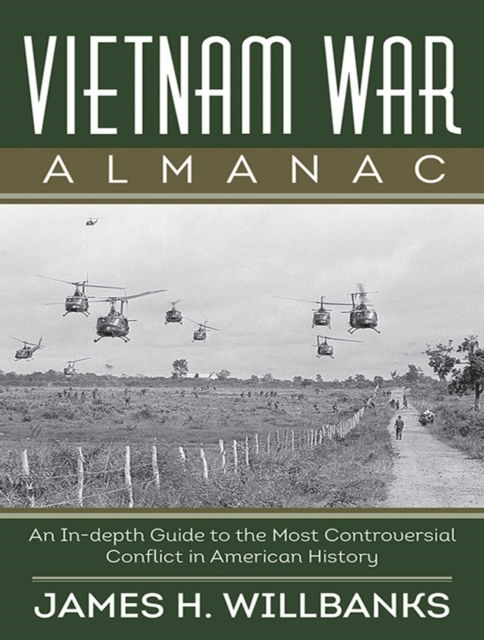
With more than 58,000 casualties and 300,000 wounded, at a cost of more than $130 billion, the Vietnam War became one of the most divisive conflicts in American history.
Beamte, Ingenieure und Wissenschaftler des Russischen Reiches und spater der Sowjetunion planten die Ausweitung und Modernisierung der Bewasserungssysteme und des Baumwollanbaus in Zentralasien.
An examination of the earliest creation traditions and symbols of China and their similarities to those of other ancient cultures Reveals the deep parallels between early Chinese words and those of other ancient creation traditions such as the hieroglyphics of ancient Egypt Explores the 8 stages of creation in Taoism and the cosmological origins of Chinese ancestor worship, the zodiac, the mandala, and the I Ching Provides further evidence that the cosmology of all ancient cultures arose from a single now-lost source Building on his extensive research into the sacred symbols and creation myths of the Dogon of Africa and those of ancient Egypt, India, and Tibet, Laird Scranton investigates the myths, symbols, and traditions of prehistoric China, providing further evidence that the cosmology of all ancient cultures arose from a single now-lost source.
Famed traveler and mystic Alexandra David-Neel, the first Western woman to see the forbidden city of Lhasa, Tibet, examines Eastern concepts of the afterlife in this classic study.
A collection of Danilou's writings that builds a bold and cogent defense of India's caste system Looks at the Hindu caste system not as racist inequality but as a natural ordering of diversity Reveals the stereotypes of Indian society invented to justify colonialism Includes never-before-published articles by the internationally recognized Hindu scholar and translator of The Complete Kama Sutra (200,000 copies sold)In classical India social ethics are based on each individual's functional role in society.
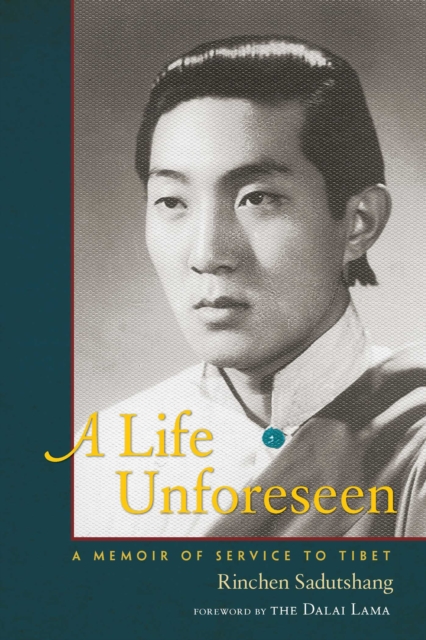
One of the only government officials in pre-Communist Tibet to have been educated in English recounts the pivotal events that changed his homeland, and the fate of his people, forever.
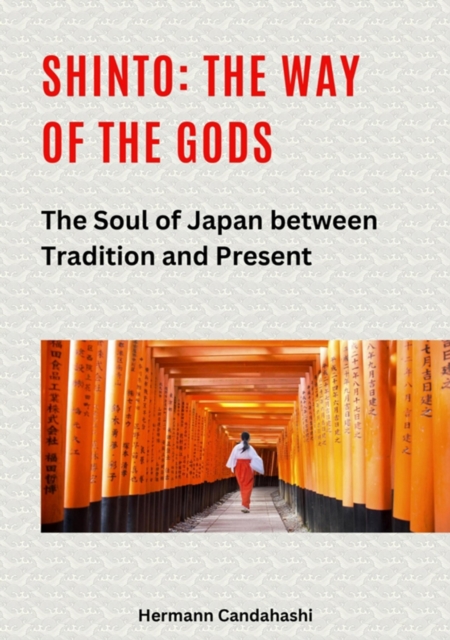
Shinto: The Way of the Gods II - The Soul of Japan Between Tradition and PresentDiscover a unique journey into the fascinating world of Shintoism, the oldest religion in Japan, with "e;Shinto: The Way of the Gods II"e;.
A firsthand report on contemporary Vietnam presents a portrait of a nation that is struggling under the hold of Communism and places the Vietnam war in the perspective of a four-thousand-year-old history.
'It wasn't easy being a Churchill child - and only Mary managed it with serenity and aplomb, as her diary of wartime ATS service shows' ANNE DE COURCY, SUNDAY TELEGRAPH'Mary's affectionately intimate and emotionally volatile diaries [.
As read on BBC Radio 4 'Book of the Week'Shortlisted for the Stanford Dolman Travel Book of the Year AwardLonglisted for the RSL Ondaatje Prize'A completely extraordinary book .
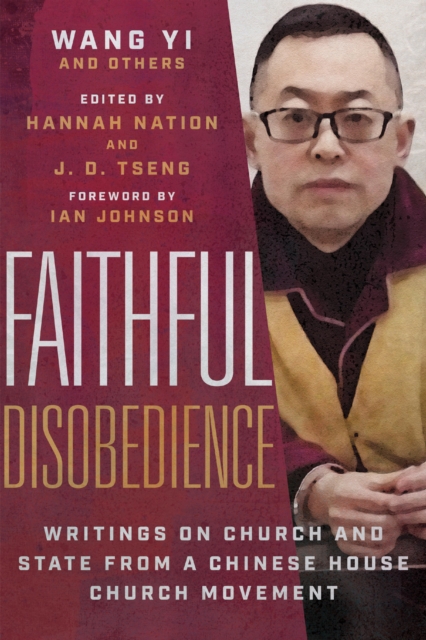
Christianity Today Book Award Finalist-Missions/Global ChurchReader's Choice Award WinnerThroughout China's rapidly growing cities, a new wave of unregistered house churches is growing.
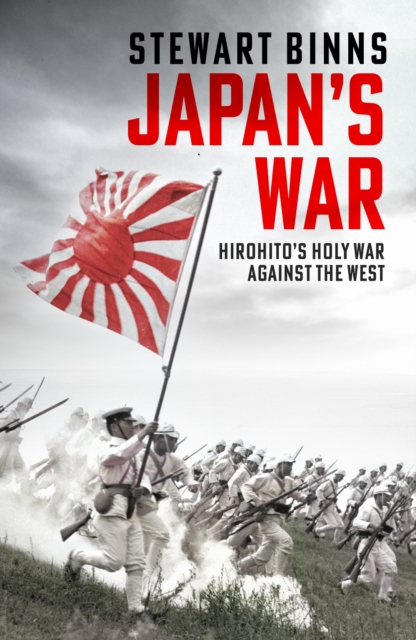
'A superbly revealing account of a dreadful and profoundly sad war' ALASTAIR CAMPBELL'This extraordinary book gives us a unique insight into why and how Japan fought such an appalling war' NICK HEWERA new perspective on Japan during the Asia-Pacific War, using remarkable first-hand Japanese source material.
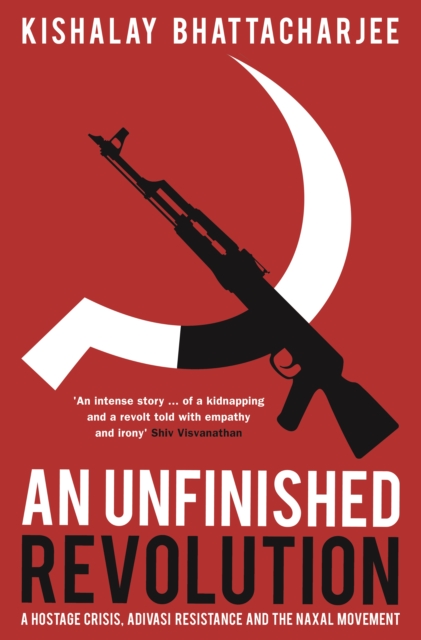
On 14 March 2012, two Italian nationals, Paolo Bosusco and Claudio Colangelo, were taken hostage from thetribal-dominated Kandhamal area of Odisha, in eastern India.
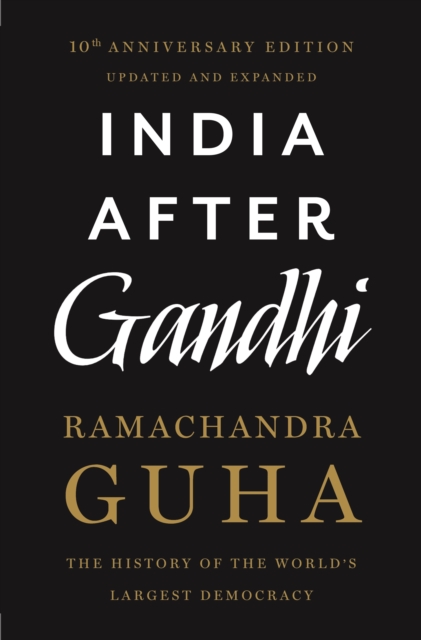
Ramachandra Guha's India after Gandhi is a magisterial account of the pains, struggles, humiliations and glories of the world's largest and least likely democracy.
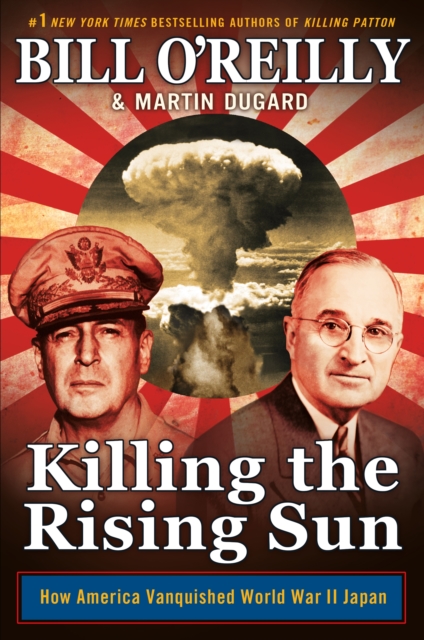
Japan, anchored by its traditions, transformed by American post-war Occupation, and globally recognized for its technological innovations, manufacturing prowess, and pop culture, faces powerful challenges from within and without.
Journey through enchanted realms inhabited by dragons, vampires and incorrigible grandmothers, drawn from East Asian and Malaysian myth and folklore, in Zen Cho's magical Spirits Abroad .
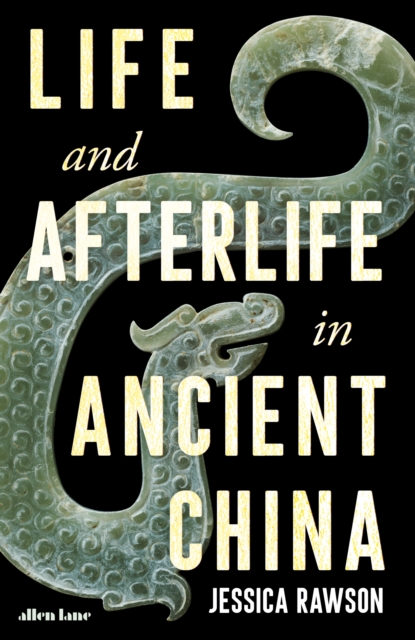
An epic new history of Ancient China told through the prism of a dozen extraordinary tombsThe three millennia up to the establishment of the first imperial Qin dynasty in 221 BC cemented many of the distinctive elements of Chinese civilisation still in place today: an extraordinarily challenging geography and environment, formidable infrastructure, a society based on the strict hierarchy of the family, a shared written script of characters, a cuisine founded on rice and millet, a material culture of ceramics, bronze, silk and jade, and a unique concept of the universe, in which ancestors continue to exist alongside the living.