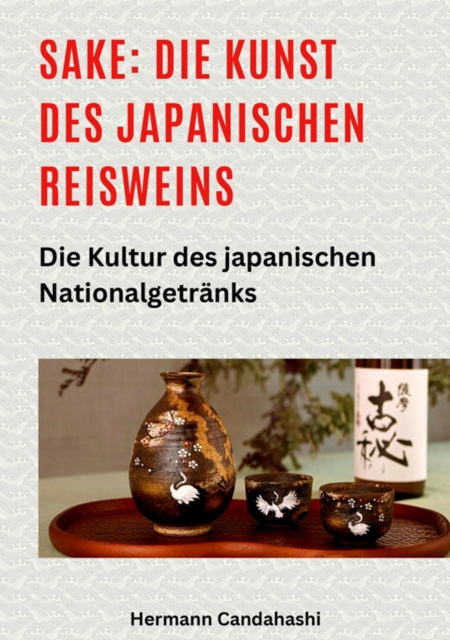
Entdecken Sie die faszinierende Welt des japanischen Reisweins in *"Sake: Die Kunst des japanischen Reisweins – Die Kultur des japanischen Nationalgetränks"*.
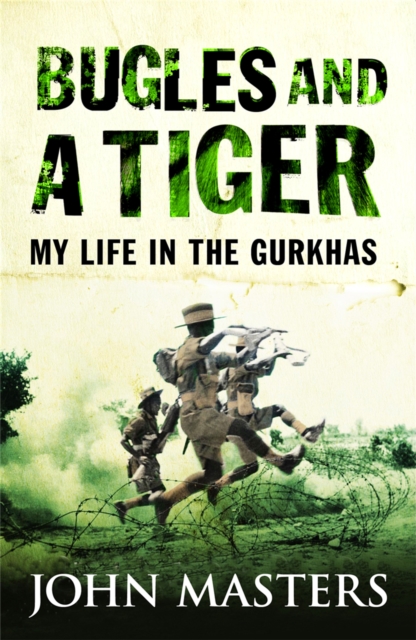
The first of John Master's evocative memoirs about life in the Gurkhas in India on the cusp of WWIIJohn Masters was a soldier before he became a bestselling novelist.
'A wholly successful endeavour carried along by waves of infectious enthusiasm' Mojo'Fascinating' New StatesmanThe '80s were about big ideas writ large - new money, new style, gender fluidity, gay pride, attritional politics, the 'special relationship', nuclear fear, AIDS, cocaine, ecstasy, tabloid royalty, the rise of urban pop, and ultimately geopolitical chaos.
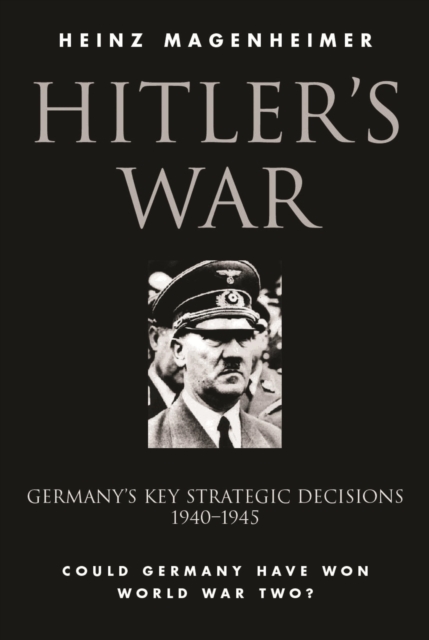
This is a closely argued and wide-ranging assessment of just how, with so many alternatives open, the German High Command chose the path that led, ultimately, to its own destruction.
Both comprehensive and captivating, EAST ASIA: A CULTURAL, SOCIAL, AND POLITICAL HISTORY, 3E features the latest scholarship on the cultural, political, economic, and intellectual history of China, Japan, and Korea--giving special emphasis to gender and material culture.
'ENORMOUS FUN' GUARDIAN'SO ENTERTAINING' THE TIMES'GOSSIPY, LIGHT AND FUN' TLSQueen Bees looks at the lives of six remarkable women who made careers out of being society hostesses, including Lady Astor, who went on to become the first female MP, and Mrs Greville, who cultivated relationships with Edward VII, as well as Lady Londonderry, Lady Cunard, Laura Corrigan and Lady Colefax.
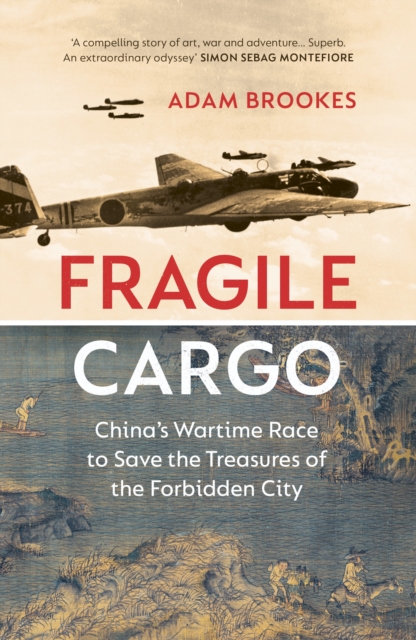
'The kind of history deserving of a cinematic blockbuster' Julia Lovell, Literary Review'[A] gripping and meticulously researched account of an epic effort to transport delicate scrolls, paintings and carvings thousands of miles under the threat of bombing and invasion' Rana Mitter, Times Literary Supplement'Brilliant and thrilling.
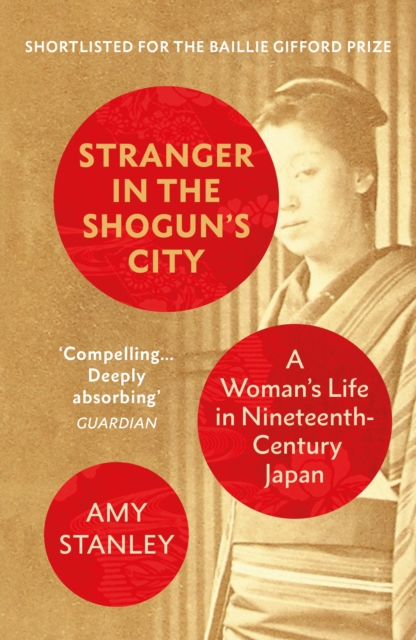
Shortlisted for the Baillie Gifford Prize 2020, a vivid work of history that explores the life of an unconventional woman in Edo - now known as Tokyo - and a portrait of a great city on the brink of momentous change'Compelling.
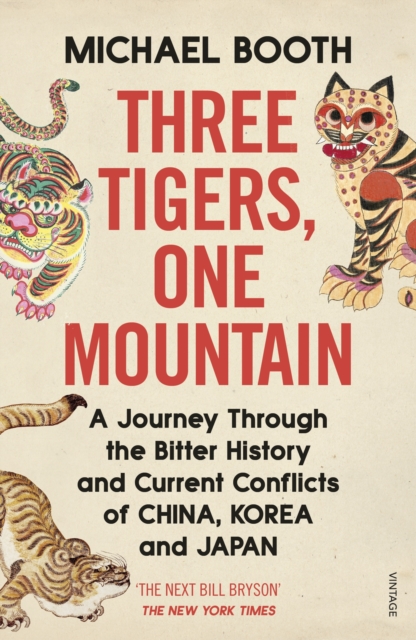
'The next Bill Bryson' New York TimesTwo tigers cannot share the same mountain - Chinese proverbDespite geographical proximity, cultural similarities, and shared status as highly powerful nations, China, Korea and Japan love to hate each other.
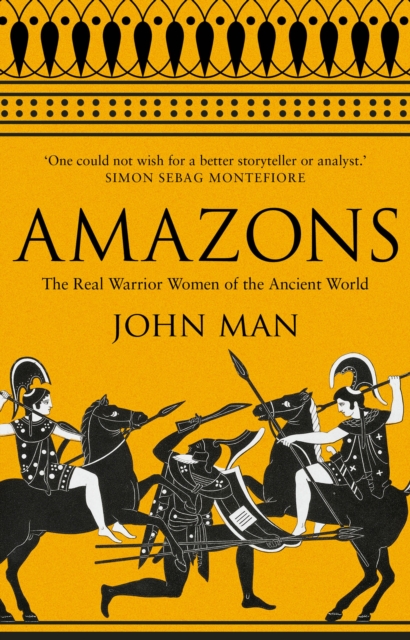
Since the time of the ancient Greeks we have been fascinated by accounts of the Amazons, an elusive tribe of hard-fighting, horse-riding female warriors.
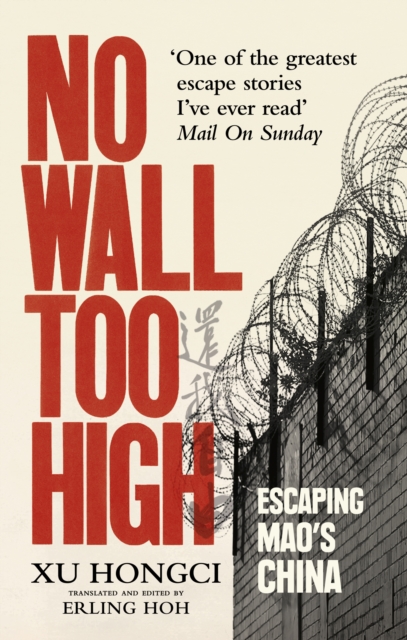
One of the greatest escape stories I ve ever read Mail on SundayAn ordinary man s extraordinary escape from Mao s brutal labour campsXu Hongci was an ordinary medical student when he was incarcerated under Mao s regime and forced to spend years of his youth in China s most brutal labour camps.
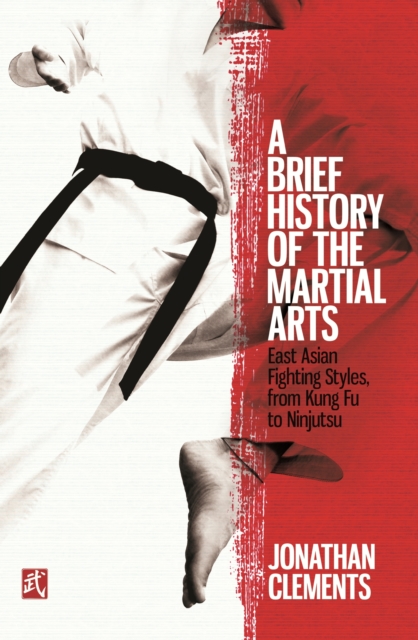
'If I had to pick a single general martial arts history book in English, I would recommend A Brief History of the Martial Arts by Dr Jonathan Clements' RICHARD BEITLICH, Martial History Team blogFrom Shaolin warrior monks to the movies of Bruce Lee, a new history of the evolution of East Asian styles of unarmed combat, from Kung Fu to NinjutsuFolk tales of the Shaolin Temple depict warrior monks with superhuman abilities.
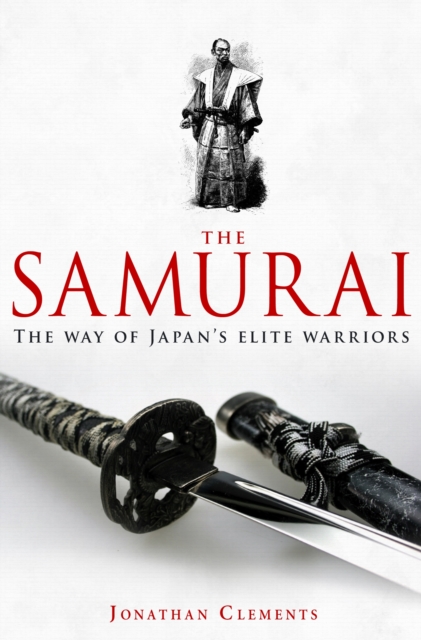
'Clements has a knack for writing suspenseful sure-footed conflict scenes: His recounting of the Korean invasion led by samurai and daimyo Toyotomi Hideyoshi reads like a thriller.
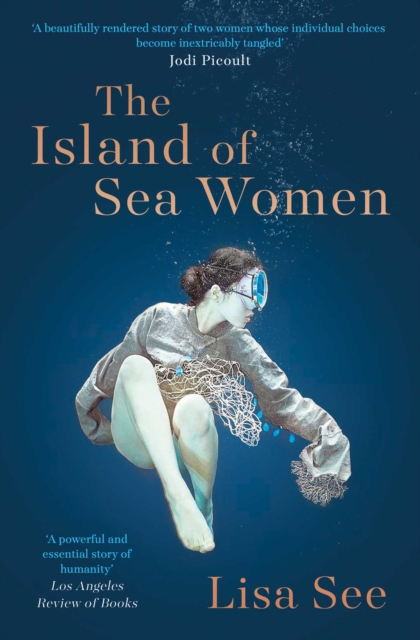
The beautiful novel of female friendship and family secrets on a small Korean island, from theNew York Timesbestselling author ofThe Tea Girl of Hummingbird Lane Mi-ja and Young-sook, two girls living on the Korean island of Jeju, are best friends that come from very different backgrounds.
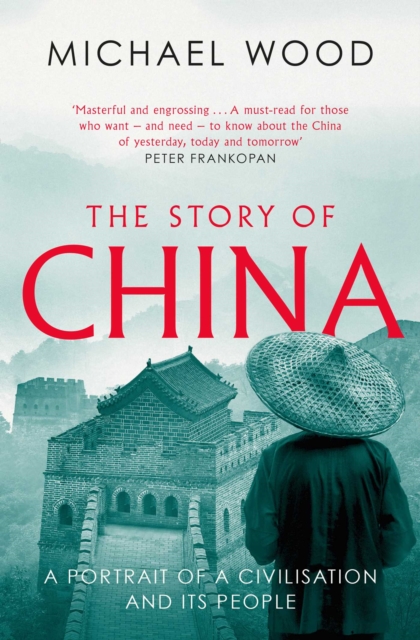
A learned, wise, wonderfully written single volume history of a civilisation that I knew I should know more about Tom Holland Masterful and engrossing.
das katana, ein symbol der japanischen kultur und kampfkunst, ist nicht nur ein einfaches schwert, sondern ein spiegelbild der geschichte, philosophie und handwerkskunst japans.
The untold story of how America's secret war in Laos in the 1960s transformed the CIA from a loose collection of spies into a military operation and a key player in American foreign policy.
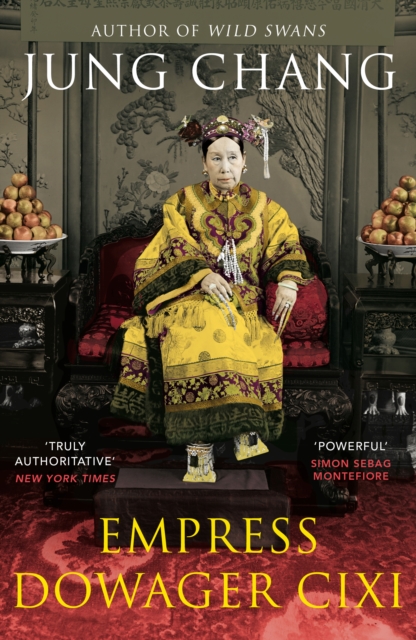
Discover the extraordinary story of the woman who brought China into the modern age, from the bestselling author of Wild Swans In this groundbreaking biography, Jung Chang vividly describes how Empress Dowager Cixi the most important woman in Chinese history brought a medieval empire into the modern age.
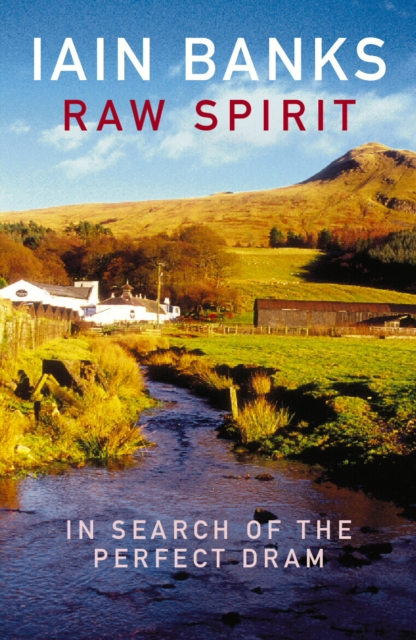
A fascinating journey through Scotland's famous distilleries with legendary author Iain Banks No true Scotsman can resist the allure of the nation's whisky distilleries.
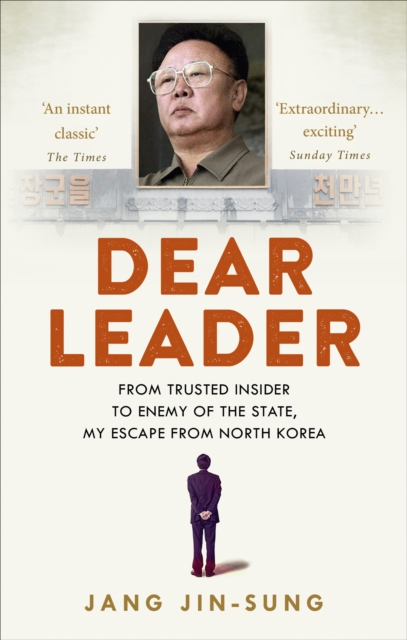
SUNDAY TIMES TOP 10 BESTSELLERDear Leader contains astonishing new insights about North Korea which could only be revealed by someone working high up in the regime.
The brutality of Japanese soldiers towards both allied prisoners of war and millions of civilians in Asia during the Second World War was one of the greatest horrors of the Twentieth Century.
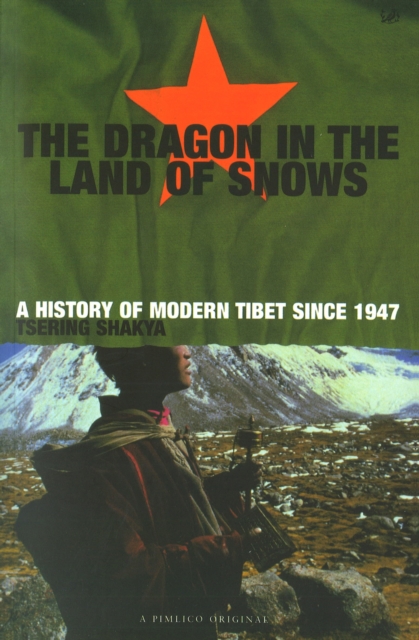
Based entirely on unpublished primary sources, this remarkable book -the first authoritative history of modern Tibet - is also the first to provide detailed accounts of: * The covert political manoeuverings in Tibet and the role of the Tibetan, Chinese and British governments; * The Dalai Lama's escape in 1959; * The CIA's involvement and the establishment of a secret military base in the Nepalese Himalayas; * The British government lying to the UN and Douglas Hurd's role in that process; * The power struggles during th Cultural Revolution and the mass uprising against the Chinese that has remained secret until now.
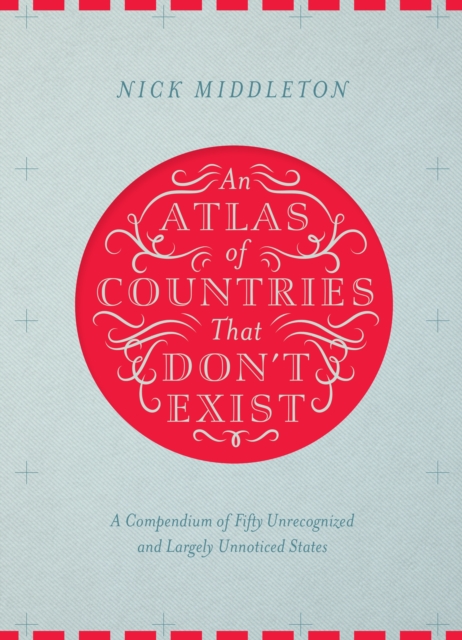
Acclaimed travel writer and Oxford geography don Nick Middleton takes us on a magical tour of countries that, lacking diplomatic recognition or UN membership, inhabit a world of shifting borders, visionary leaders and forgotten peoples.
'The best book I have ever read on men and war in our time' - John Le CarreThe groundbreaking work of journalism which inspired Stanley Kubrick's classic Vietnam War film, Full Metal Jacket.
A vivid account of the love triangle between an American journalist and adventurer, a wealthy expatriate businessman and a Chinese poet in Shanghai in the late 1930s.