Throughout his distinguished career as a journalist and film-maker, John Pilger has looked behind the 'official' versions of events to report the real stories of our time.
'THE VIETNAMESE ANNE FRANK'Last Night I Dreamed of Peace is the moving diary kept by a 27-year-old Vietnamese doctor who was killed by the Americans during the Vietnam War, while trying to defend her patients.
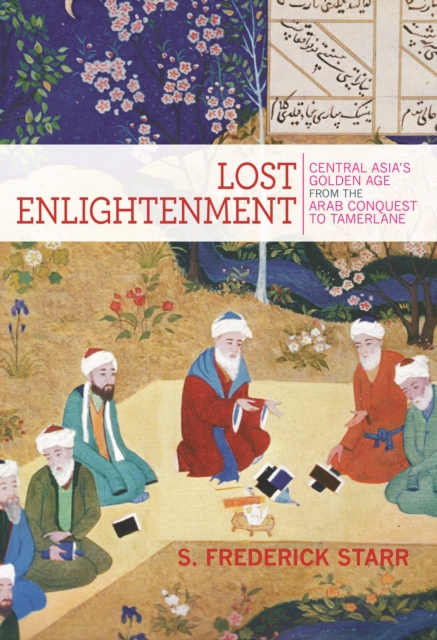
The first complete history of Central Eurasia from ancient times to the present day, Empires of the Silk Road represents a fundamental rethinking of the origins, history, and significance of this major world region.
A comparative look at religion and spirituality in postcolonial China and IndiaThe Modern Spirit of Asia challenges the notion that modernity in China and India are derivative imitations of the West, arguing that these societies have transformed their ancient traditions in unique and distinctive ways.
Through biographies of China's most colorful and famous personalities, John Wills displays the five-thousand-year sweep of Chinese history from the legendary sage emperors to the tragedy of Tiananmen Square.
A Companion to the Ancient Near East offers students and general readers a comprehensive overview of Near Eastern civilization from the Bronze Age to the conquests of Alexander the Great.
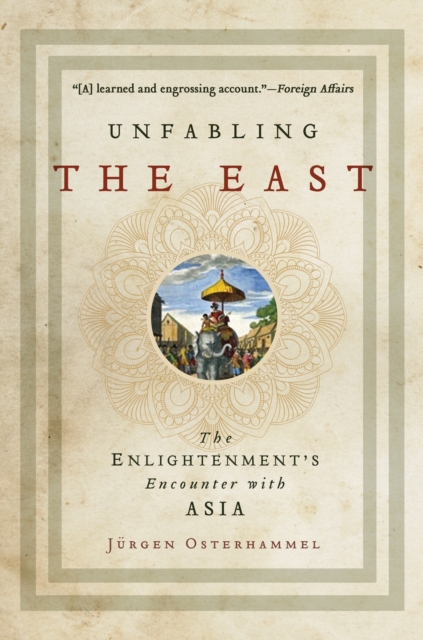
How Enlightenment Europe rediscovered its identity by measuring itself against the great civilizations of AsiaDuring the long eighteenth century, Europe's travelers, scholars, and intellectuals looked to Asia in a spirit of puzzlement, irony, and openness.
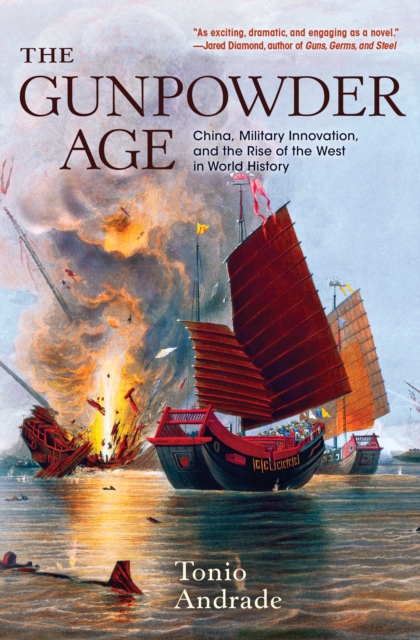
A first look at gunpowder's revolutionary impact on China's role in global historyThe Chinese invented gunpowder and began exploring its military uses as early as the 900s, four centuries before the technology passed to the West.
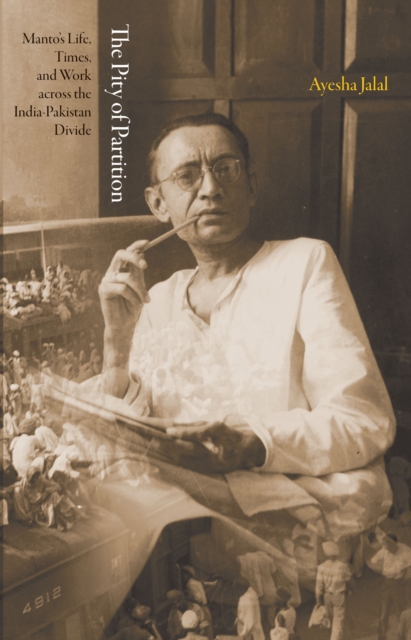
A history of partition seen through the life and fiction of one of the subcontinent's most important modern writersSaadat Hasan Manto (1912-1955) was an established Urdu short story writer and a rising screenwriter in Bombay at the time of India's partition in 1947, and he is perhaps best known for the short stories he wrote following his migration to Lahore in newly formed Pakistan.
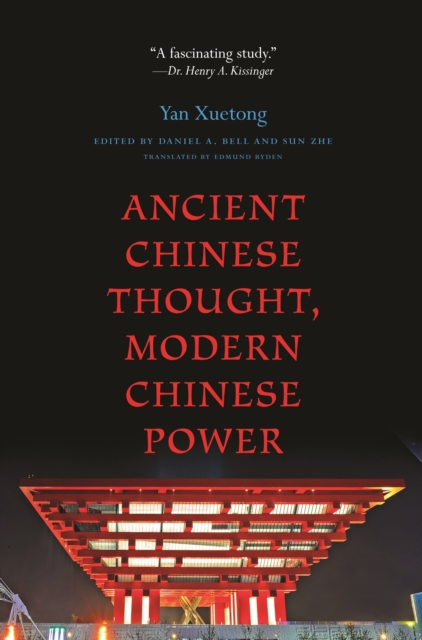
From China's most influential foreign policy thinker, a vision for a "e;Beijing Consensus"e; for international relationsThe rise of China could be the most important political development of the twenty-first century.
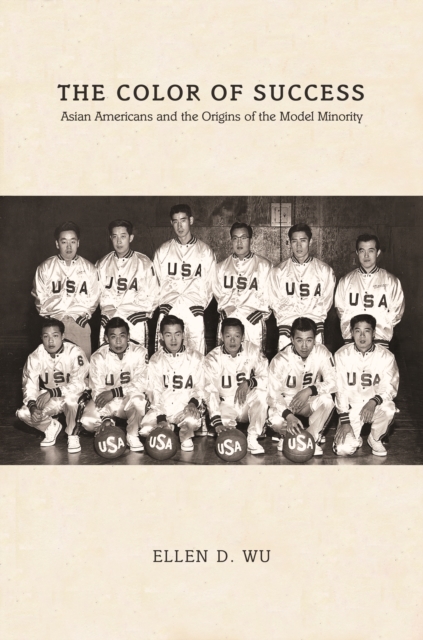
The Color of Success tells of the astonishing transformation of Asians in the United States from the "e;yellow peril"e; to "e;model minorities"e;--peoples distinct from the white majority but lauded as well-assimilated, upwardly mobile, and exemplars of traditional family values--in the middle decades of the twentieth century.
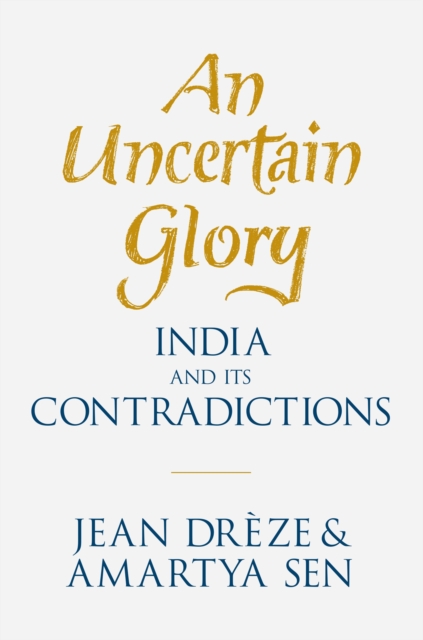
Why India's problems won't be solved by rapid economic growth aloneWhen India became independent in 1947 after two centuries of colonial rule, it immediately adopted a firmly democratic political system, with multiple parties, freedom of speech, and extensive political rights.
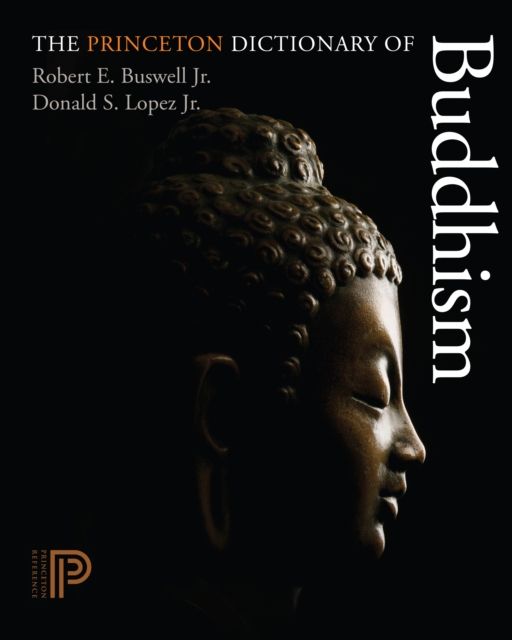
The most comprehensive and authoritative dictionary of Buddhism ever produced in EnglishWith more than 5,000 entries totaling over a million words, this is the most comprehensive and authoritative dictionary of Buddhism ever produced in English.
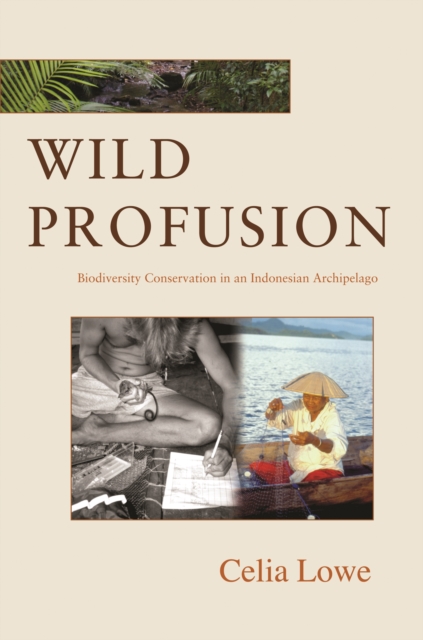
Wild Profusion tells the fascinating story of biodiversity conservation in Indonesia in the decade culminating in the great fires of 1997-98--a time when the country's environment became a point of concern for social and environmental activists, scientists, and the many fishermen and farmers nationwide who suffered from degraded environments and faced accusations that they were destroying nature.
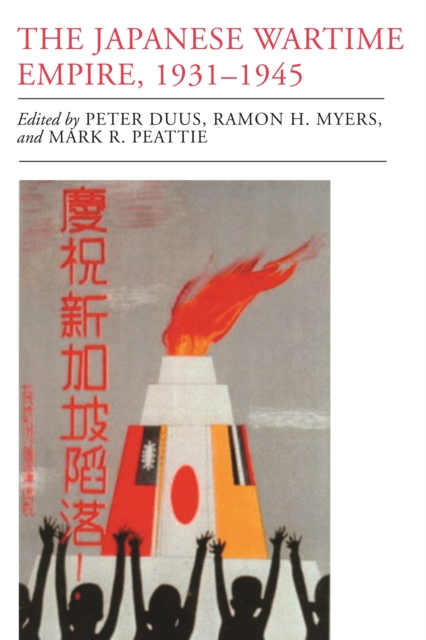
With this book the editors complete the three-volume series on modern Japanese colonialism and imperialism that began with The Japanese Colonial Empire, 1895-1945 (Princeton, 1983) and The Japanese Informal Empire in China, 1895-1937 (Princeton, 1989).
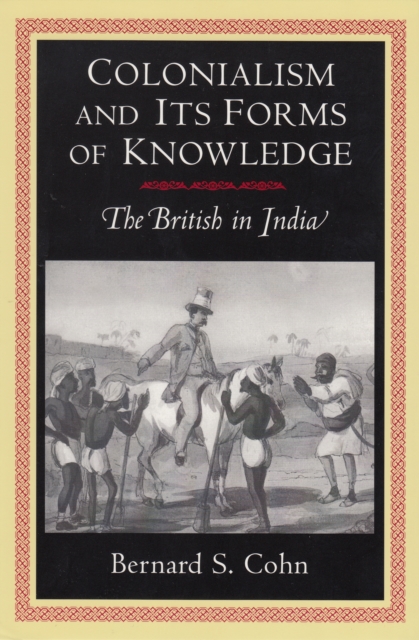
Bernard Cohn's interest in the construction of Empire as an intellectual and cultural phenomenon has set the agenda for the academic study of modern Indian culture for over two decades.
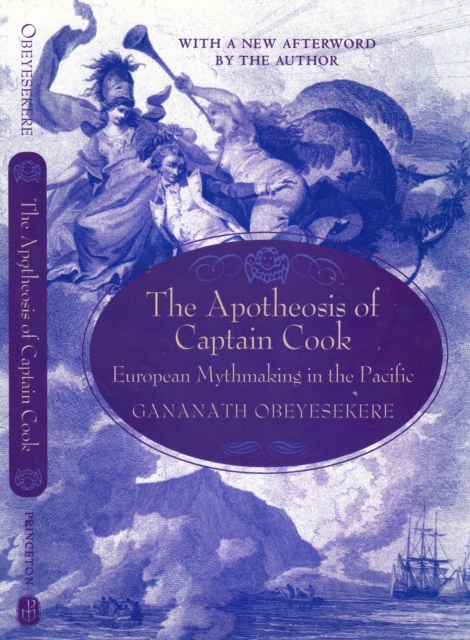
Here Gananath Obeyesekere debunks one of the most enduring myths of imperialism, civilization, and conquest: the notion that the Western civilizer is a god to savages.
Investigating the enormous contribution made by female textile workers to early industrialization in Meiji Japan, Patricia Tsurumi vividly documents not only their hardships but also their triumphs.
How a Chinese pirate defeated European colonialists and won Taiwan during the seventeenth centuryDuring the seventeenth century, Holland created the world's most dynamic colonial empire, outcompeting the British and capturing Spanish and Portuguese colonies.
Based on extensive research in Sanskrit sources, Mathematics in India chronicles the development of mathematical techniques and texts in South Asia from antiquity to the early modern period.
This volume of Princeton Readings in Religions brings together the work of more than thirty scholars of Islam and Muslim societies in South Asia to create a rich anthology of primary texts that contributes to a new appreciation of the lived religious and cultural experiences of the world's largest population of Muslims.
The truth about America's elite colleges and universities-who gets in, who succeeds, and whyAgainst the backdrop of today's increasingly multicultural society, are America's elite colleges admitting and successfully educating a diverse student body?
After Colonialism offers a fresh look at the history of colonialism and the changes in knowledge, disciplines, and identities produced by the imperial experience.
As waves of epidemic disease swept the Philippines in the late nineteenth century, some colonial physicians began to fear that the indigenous population would be wiped out.
When Chinese leaders announced in late 1978 that China would "e;open to the outside world,"e; they embarked on a strategy for attracting private foreign capital to spur economic development.
A momentous debate has been unfolding in China over the last fifteen years, only intermittently in public view, concerning the merits of socialism as a philosophy of social justice and as a program for national development.
A compelling new reading of The Tragedy of King Lear that finds parallels in twentieth-century Chinese historyAt the start of Shakespeare's famous tragedy, King Lear promises to divide his kingdom based on his daughters' professions of love, but portions it out before hearing all of their answers.
How science in medieval Europe originated in Buddhist AsiaWarriors of the Cloisters tells how key cultural innovations from Central Asia revolutionized medieval Europe and gave rise to the culture of science in the West.