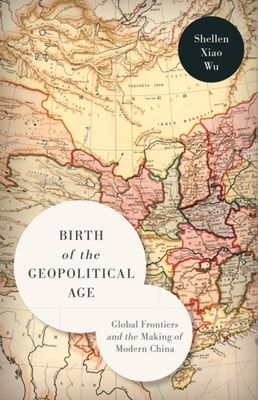
From the 1850s until the mid-twentieth century, a period marked by global conflicts and anxiety about dwindling resources and closing opportunities after decades of expansion, the frontier became a mirror for historically and geographically specific hopes and fears.
In the late nineteenth and early twentieth centuries, Japan, China, and both Tsarist Russia and later the USSR, vied for imperial dominance in Northeast Asia.
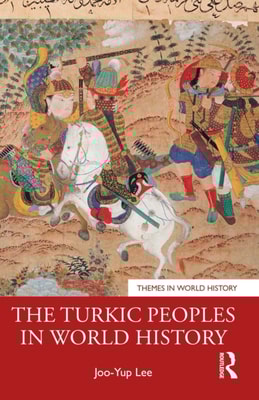
The Turkic Peoples in World History is a thorough and rare introduction to the Turkic world and its role in world history, providing a concise history of the Turkic peoples as well as a critical discussion of their identities and origins.
The Turkic Peoples in World History is a thorough and rare introduction to the Turkic world and its role in world history, providing a concise history of the Turkic peoples as well as a critical discussion of their identities and origins.
In the late nineteenth and early twentieth centuries, Japan, China, and both Tsarist Russia and later the USSR, vied for imperial dominance in Northeast Asia.
Understanding Authenticity in Chinese Cultural Heritage explores the construction of "e;authenticity"e; and its consequences in relation to Chinese cultural heritage-those objects, texts, and intangible practices concerned with China's past.
This important reference work offers students a comprehensive overview of the Cambodian Genocide, with more than 90 in-depth articles by leading scholars on an array of topics and themes, supplemented by key primary source documents.
This comprehensive volume traces the evolution of Japanese military history-from 300 AD to present day foreign relations-and reveals how the country's cultural views of power, violence, and politics helped shape Japan's long and turbulent history of war.
This comprehensive volume examines contemporary life and history in Beijing, covering such topics as culture, politics, economics, crime, security, the environment, and more.
From the 90 or so articles he has published in the last two decades Professor Lloyd has chosen fifteen of the most important and influential to be reprinted in this collection.
From the 90 or so articles he has published in the last two decades Professor Lloyd has chosen fifteen of the most important and influential to be reprinted in this collection.
From Missionary Education to Confucius Institutes examines the history and globalization of cultural exchange between the United States and China and corrects many myths surrounding the incompatibility of American and Chinese cultures in the higher education sphere.
From Missionary Education to Confucius Institutes examines the history and globalization of cultural exchange between the United States and China and corrects many myths surrounding the incompatibility of American and Chinese cultures in the higher education sphere.
This book provides a compelling narrative history of the experiences and achievements of female British missionaries in China, India, and Africa during the 19th century and first half of the 20th century-the first such account available.
This comprehensive volume traces the evolution of Japanese military history-from 300 AD to present day foreign relations-and reveals how the country's cultural views of power, violence, and politics helped shape Japan's long and turbulent history of war.
Explore the overlooked life of Tiun Chhang-mia, the Taiwanese woman behind the nineteenth century's most accomplished missionary, George Leslie Mackay.
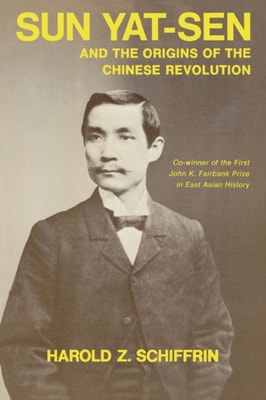
The enigmatic personal qualities that marked Sun Yat-sen during his lifetime have encouraged controversy concerning him ever since his death more than a generation ago.
The gripping story of Indira Gandhi's premiership-and the profound influence she had on India Indira Gandhi's ascent as prime minister of India in 1966 was entirely unforeseen.
This book uses the case of the Three Gorges Dam project to explore the Chinese state's use of ideology, namely the political theodicy of development, as a governing tactic in the reform era.
Este libro plantea uno de los aspectos de la China contemporánea más controvertidos, tratado superficialmente o, con frecuencia, abierta o convenientemente ignorado.