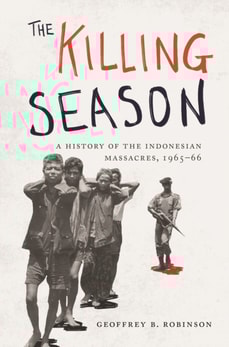
The Killing Season explores one of the largest and swiftest, yet least examined, instances of mass killing and incarceration in the twentieth century-the shocking antileftist purge that gripped Indonesia in 1965-66, leaving some five hundred thousand people dead and more than a million others in detention.
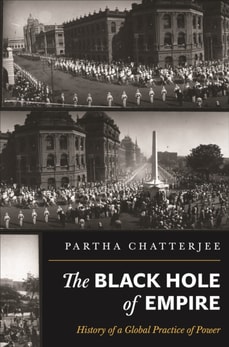
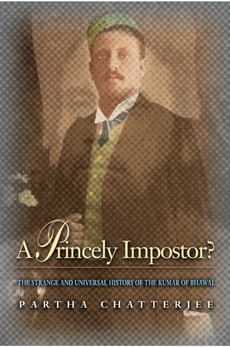
When Siraj, the ruler of Bengal, overran the British settlement of Calcutta in 1756, he allegedly jailed 146 European prisoners overnight in a cramped prison.
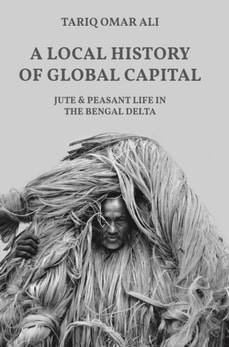
Before the advent of synthetic fibers and cargo containers, jute sacks were the preferred packaging material of global trade, transporting the world's grain, cotton, sugar, tobacco, coffee, wool, guano, and bacon.
A compelling account of how a group of Hasidic Jews established its own local government on American soilSettled in the mid-1970s by a small contingent of Hasidic families, Kiryas Joel is an American town with few parallels in Jewish historybut many precedents among religious communities in the United States.
A momentous debate has been unfolding in China over the last fifteen years, only intermittently in public view, concerning the merits of socialism as a philosophy of social justice and as a program for national development.
In the early twentieth century, a time of political fragmentation and social upheaval in China, poverty became the focus of an anguished national conversation about the future of the country.
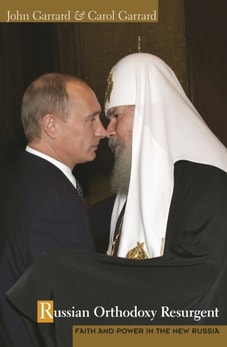
Russian Orthodoxy Resurgent is the first book to fully explore the expansive and ill-understood role that Russia's ancient Christian faith has played in the fall of Soviet Communism and in the rise of Russian nationalism today.
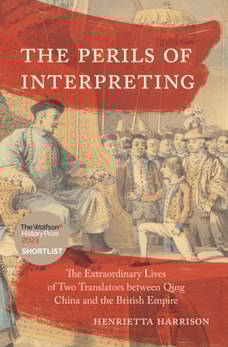
A fascinating history of China's relations with the West-told through the lives of two eighteenth-century translatorsThe 1793 British embassy to China, which led to Lord George Macartney's fraught encounter with the Qianlong emperor, has often been viewed as a clash of cultures fueled by the East's lack of interest in the West.
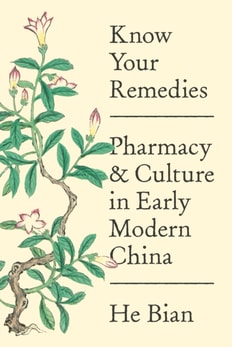
A cultural history of the concept of pharmacy, both the material nature of drugs and the trade in medicine, in early modern China Know Your Remedies presents a panoramic inquiry into China's early modern cultural transformation through the lens of pharmacy.
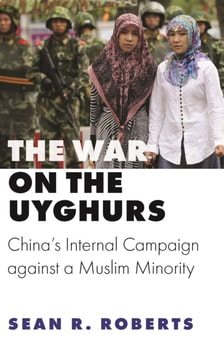
How China is using the US-led war on terror to erase the cultural identity of its Muslim minority in the Xinjiang regionWithin weeks of the September 11 attacks on New York and Washington, the Chinese government warned that it faced a serious terrorist threat from its Uyghur ethnic minority, who are largely Muslim.
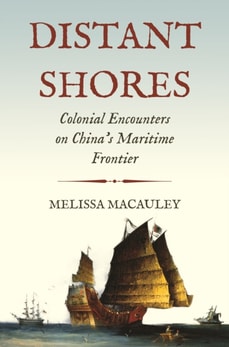
A pioneering history that transforms our understanding of the colonial era and China's place in itChina has conventionally been considered a land empire whose lack of maritime and colonial reach contributed to its economic decline after the mid-eighteenth century.
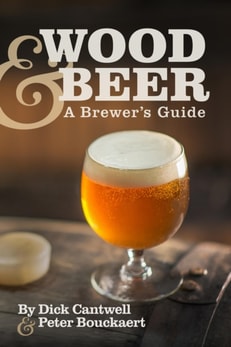
Join authors Dick Cantwell and Peter Bouckaert as they tell the story of the marriage between wood and beer from Roman times through medieval Europe to modern craft brewing.
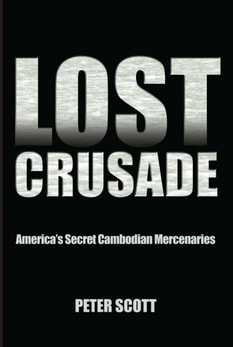
When Peter Scott began a 1968 tour in Vietnam advising ethnic Cambodian Khmer Krom paramilitaries, they shared only an earnest desire to check the spread of communism.
The unknown history of economic conservatism in India after independenceNeoliberalism is routinely characterized as an antidemocratic, expert-driven project aimed at insulating markets from politics, devised in the North Atlantic and projected on the rest of the world.
In the late 1800s, Southern evangelicals believed contemporary troubles-everything from poverty to political corruption to violence between African Americans and whites-sprang from the bottles of "e;demon rum"e; regularly consumed in the South.
How the global tea industry influenced the international economy and the rise of mass consumerismTea has been one of the most popular commodities in the world.
The last three decades have seen a massive expansion of China's visual culture industries, from architecture and graphic design to fine art and fashion.
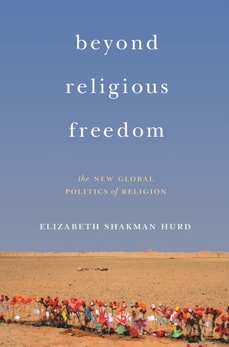
In recent years, North American and European nations have sought to legally remake religion in other countries through an unprecedented array of international initiatives.
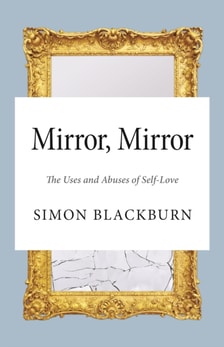
From the author of Think, an enlightening and entertaining exploration of narcissism and self-esteemEveryone deplores narcissism, especially in others.
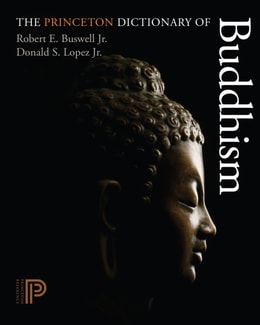
The most comprehensive and authoritative dictionary of Buddhism ever produced in EnglishWith more than 5,000 entries totaling over a million words, this is the most comprehensive and authoritative dictionary of Buddhism ever produced in English.
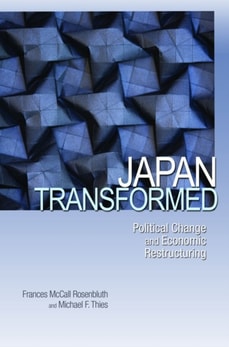
With little domestic fanfare and even less attention internationally, Japan has been reinventing itself since the 1990s, dramatically changing its political economy, from one managed by regulations to one with a neoliberal orientation.
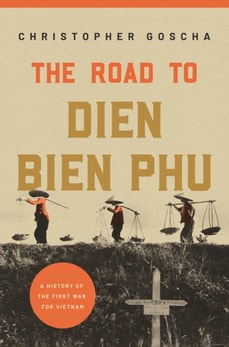
A multifaceted history of Ho Chi Minh's climactic victory over French colonial might that foreshadowed America's experience in VietnamOn May 7, 1954, when the bullets stopped and the air stilled in Dien Bien Phu, there was no doubt that Vietnam could fight a mighty colonial power and win.
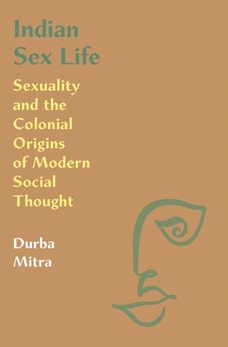
How British authorities and Indian intellectuals developed ideas about deviant female sexuality to control and organize modern society in IndiaDuring the colonial period in India, European scholars, British officials, and elite Indian intellectualsphilologists, administrators, doctors, ethnologists, sociologists, and social criticsdeployed ideas about sexuality to understand modern Indian society.
A fascinating history of China's relations with the West-told through the lives of two eighteenth-century translatorsThe 1793 British embassy to China, which led to Lord George Macartney's fraught encounter with the Qianlong emperor, has often been viewed as a clash of cultures fueled by the East's lack of interest in the West.
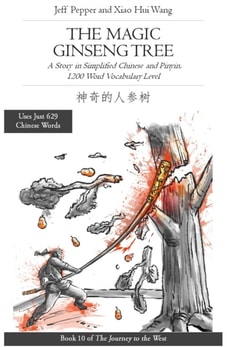
In this, the 11th book in our "Journey to the West" series, the monk Tangseng and his ragtag band of disciples come upon a strange pagoda in a mountain forest.
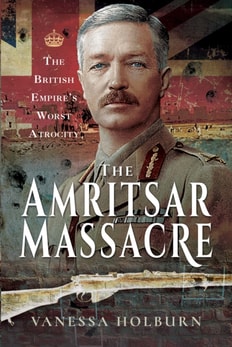
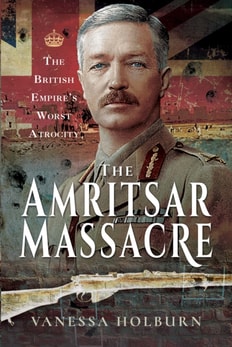
The history and impact of one of the most heinous acts of colonial repression suffered in British India-a massacre that continues to divide opinion today.
The history and impact of one of the most heinous acts of colonial repression suffered in British India-a massacre that continues to divide opinion today.
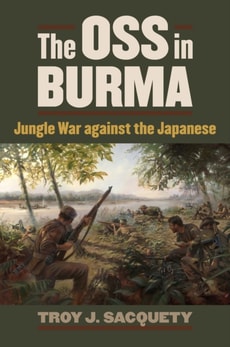
One could not choose a worse place for fighting the Japanese, said Winston Churchill of North Burma, deeming it the most forbidding fighting country imaginable.
This thorough examination of Mao's speeches and writings and how they reshaped a nation "e;is critical to an understanding of modern China"e; (Choice).
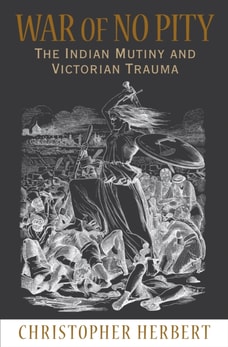
On May 11, 1857, Hindu and Muslim sepoys massacred British residents and native Christians in Delhi, setting off both the whirlwind of similar violence that engulfed Bengal in the following months and an answering wave of rhetorical violence in Britain, where the uprising against British rule in India was often portrayed as a clash of civilization and barbarity demanding merciless retribution.