Political instability is nearly always accompanied by fuller prisons, and this was particularly true during the long Second World War, when military mobilization, social disorder, wrenching political changes, and shifting national boundaries swelled the ranks of the imprisoned and broadened the carceral reach of the state.
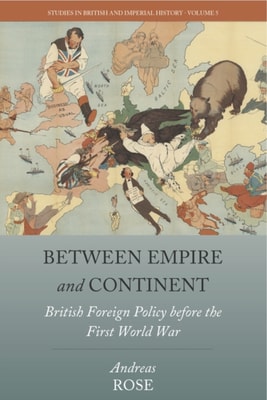
Prior to World War I, Britain was at the center of global relations, utilizing tactics of diplomacy as it broke through the old alliances of European states.
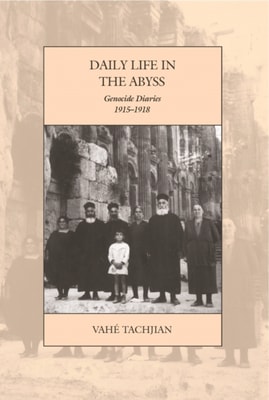
Historical research into the Armenian Genocide has grown tremendously in recent years, but much of it has focused on large-scale questions related to Ottoman policy or the scope of the killing.
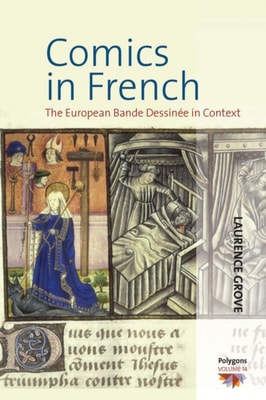
Whereas in English-speaking countries comics are for children or adults who should know better , in France and Belgium the form is recognized as the Ninth Art and follows in the path of poetry, architecture, painting and cinema.
Far from the battlefront, hundreds of thousands of workers toiled in Bohemian factories over the course of World War I, and their lives were inescapably shaped by the conflict.
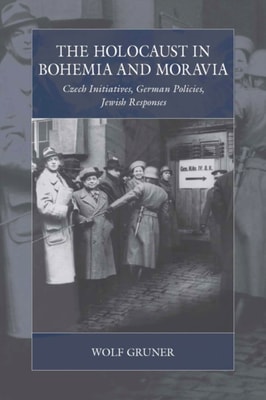
Prior to Hitler s occupation, nearly 120,000 Jews inhabited the areas that would become the Protectorate of Bohemia and Moravia; by 1945, all but a handful had either escaped or been deported and murdered by the Nazis.
World War I utterly transformed the lives of Jews around the world: it allowed them to display their patriotism, to dispel antisemitic myths about Jewish cowardice, and to fight for Jewish rights.
The collapse of the Habsburg Monarchy at the end of World War I ushered in a period of radical change for East-Central European political structures and national identities.
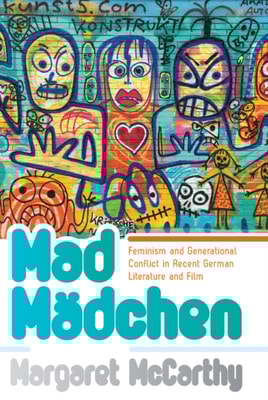
The last two decades have been transformational, often discordant ones for German feminism, as a new cohort of activists has come of age and challenged many of the movement s strategic and philosophical orthodoxies.
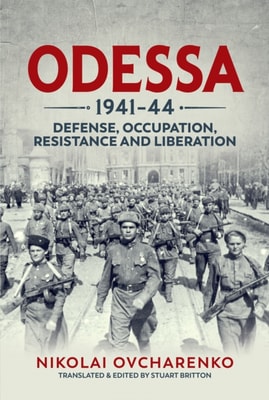
After a brief overview of the origins and development of the city of Odessa on the Black Sea Coast, author Nikolai Ovcharenko turns to its citizens’ ordeal during the Second World War.
When released into independence from Great Britain in 1948, the stunningly beautiful island of Ceylon, renamed Sri Lanka in 1972, was expected to become a sort of ‘South Asian Singapore.
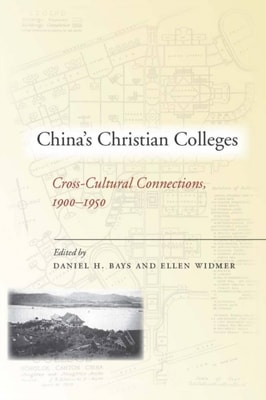
China's Christian Colleges explores the cross-cultural dynamics that existed on the campuses of the Protestant Christian colleges in China during the first half of the twentieth century.
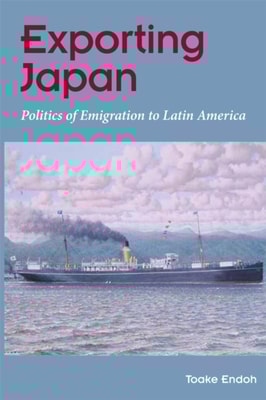
Exporting Japan examines the domestic origins of the Japanese government's policies to promote the emigration of approximately three hundred thousand native Japanese citizens to Latin America between the 1890s and the 1960s.
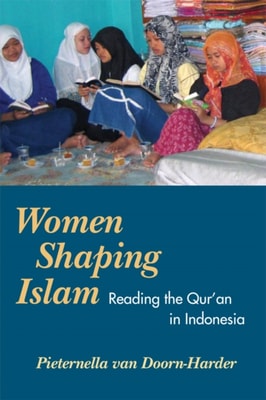
In the United States, precious little is known about the active role Muslim women have played for nearly a century in the religious culture of Indonesia, the largest majority-Muslim country in the world.
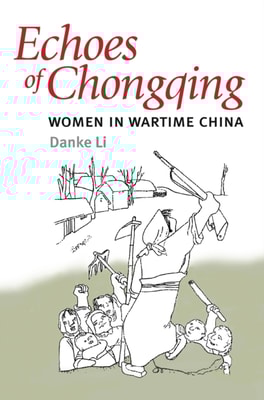
This collection of annotated oral histories records the personal stories of twenty Chinese women who lived in the wartime capital of Chongqing during China's War of Resistance against Japan during World War II.
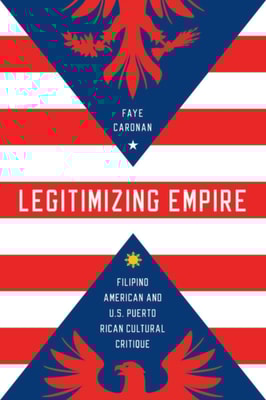
When the United States acquired the Philippines and Puerto Rico, it reconciled its status as an empire with its anticolonial roots by claiming that it would altruistically establish democratic institutions in its new colonies.
This book traces the social history of early modern Japan's sex trade, from its beginnings in seventeenth-century cities to its apotheosis in the nineteenth-century countryside.
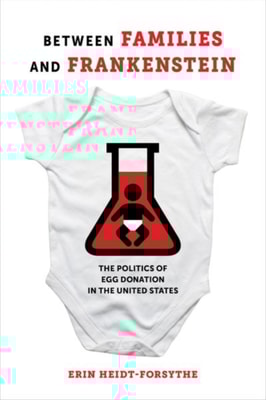
In the United States, egg donation for reproduction and egg donation for research involve the same procedures, the same risks, and the same population of donorsdisadvantaged women at the intersections of race and class.
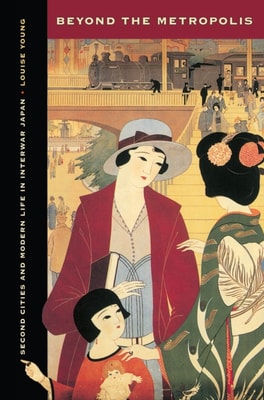
In Beyond the Metropolis, Louise Young looks at the emergence of urbanism in the interwar period, a global moment when the material and ideological structures that constitute "e;the city"e; took their characteristic modern shape.
The Deoband movementa revivalist movement within Sunni Islam that quickly spread from colonial India to Pakistan, Afghanistan, Bangladesh, and even the United Kingdom and South Africahas been poorly understood and sometimes feared.
Historians have claimed that when social stability returned to Korea after devastating invasions by the Japanese and Manchus around the turn of the seventeenth century, the late Chosn dynasty was a period of unprecedented economic and cultural renaissance, in which prosperity manifested itself in new programs and styles of visual art.
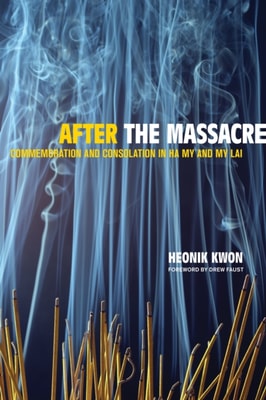
Though a generation has passed since the massacre of civilians at My Lai, the legacy of this tragedy continues to reverberate throughout Vietnam and the rest of the world.
The social and economic rise of the chungin class (middle people who ranked between the yangban aristocracy and commoners) during the late Chosn period (17001910) ushered in a world of materialism and commodification of painting and other art objects.
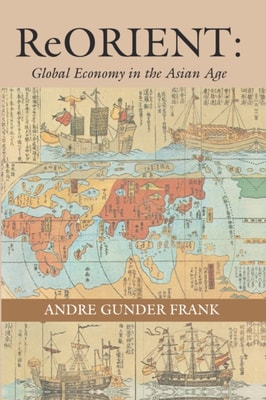
Andre Gunder Frank asks us to ReOrient our views away from Eurocentrism-to see the rise of the West as a mere blip in what was, and is again becoming, an Asia-centered world.
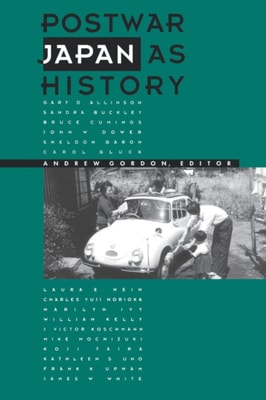
Japan's catapult to world economic power has inspired many studies by social scientists, but few have looked at the 45 years of postwar Japan through the lens of history.
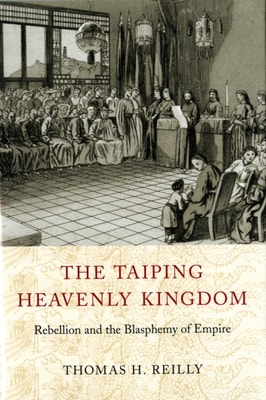
Occupying much of imperial Chinas Yangzi River heartland and costing more than twenty million lives, the Taiping Rebellion (1851-64) was no ordinary peasant revolt.
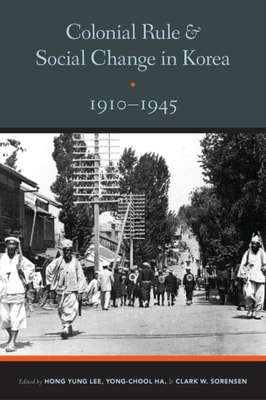
Colonial Rule and Social Change in Korea 1910-1945 highlights the complex interaction between indigenous activity and colonial governance, emphasizing how Japanese rule adapted to Korean and missionary initiatives, as well as how Koreans found space within the colonial system to show agency.
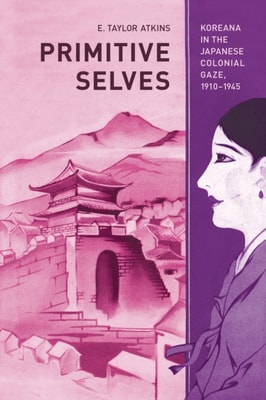
This remarkable book examines the complex history of Japanese colonial and postcolonial interactions with Korea, particularly in matters of cultural policy.
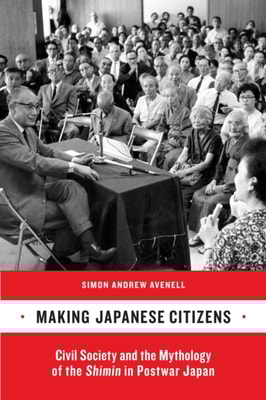
Making Japanese Citizens is an expansive history of the activists, intellectuals, and movements that played a crucial role in shaping civil society and civic thought throughout the broad sweep of Japan's postwar period.
An innovative remapping of empire, Imperial Connections offers a broad-ranging view of the workings of the British Empire in the period when the India of the Raj stood at the center of a newly globalized system of trade, investment, and migration.
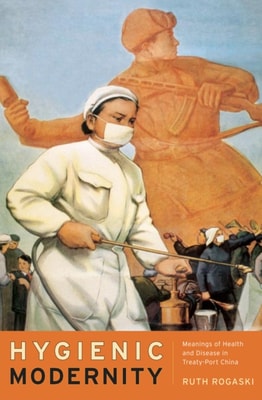
Placing meanings of health and disease at the center of modern Chinese consciousness, Ruth Rogaski reveals how hygiene became a crucial element in the formulation of Chinese modernity in the nineteenth and twentieth centuries.