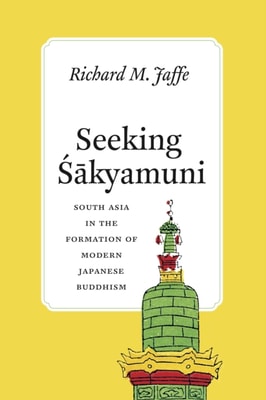
Though fascinated with the land of their tradition's birth, virtually no Japanese Buddhists visited the Indian subcontinent before the nineteenth century.
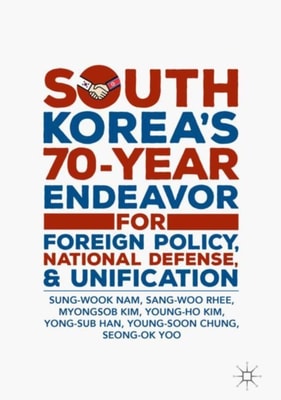
This book brings Korea's finest foreign policy minds together in contemplating the risks and rewards of finally ending the 70 year stalemate between North and South Korea through reunification.
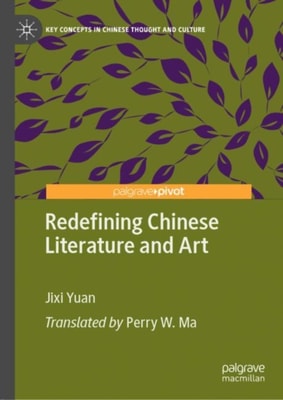
This Key Concepts pivot discusses the significance of the ancient Chinese concept of xing or 'Association' in defining Chinese civilization and thought through the centuries.
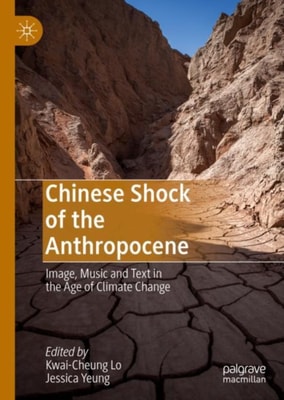
This book examines China's role and its cultural productions in the process of environmental destruction and transformation, focusing on how various cultural media play a significant role in shaping and reproducing Chinese subject formation in relation to changing ecological conditions.
This book explores Korean literature from a broadly global perspective from the mid-9th century to the present, with special emphasis on how it has been influenced by, as well as it has influenced, literatures of other nations.
This edited volume brings together diverse thinkers and practitioners from the field of teaching and teacher education as it pertains to educational development in South Asia.
Nineteen months before the D-Day invasion of Normandy, Allied assault forces landed in North Africa in Operation TORCH, the first major amphibious operation of the war in Europe.
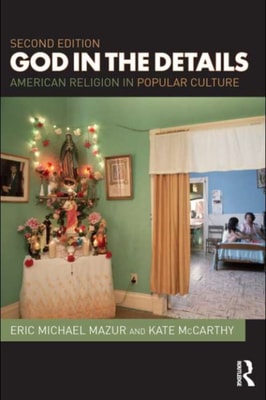
Exploring the blurred boundary between religion and pop culture, God in the Details offers a provocative look at the breadth and persistence of religious themes in the American consciousness.
This book argues that Political Islam in the Iranian context evolved into three main schools of thought during the 1960s and 1970s: Jurisprudential Islam led by Ayatollah Khomeini, Leftist Islam led by Shariati, and Liberal Islam led by Bazargan.
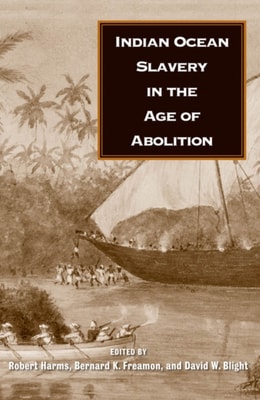
While the British were able to accomplish abolition in the trans-Atlantic world by the end of the nineteenth century, their efforts paradoxically caused a great increase in legal and illegal slave trading in the western Indian Ocean.
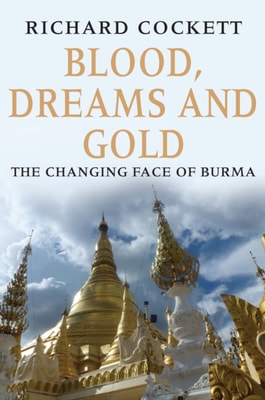
The best single-volume analysis of Burma, its checkered history, and its attempts to reform Burma is one of the largest countries in Southeast Asia and was once one of its richest.
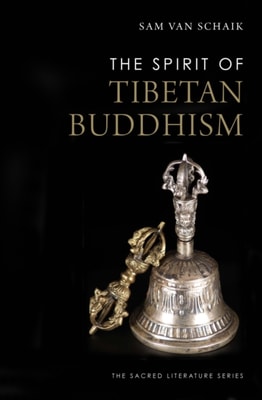
A leading writer and researcher on Tibet, Sam van Schaik offers an accessible and authoritative introduction to Tibetan Buddhism by examining its key texts, from its origins in the eighth century to teachings practiced across the world today.
Why those who protested the Vietnam War must be honored, remembered, and appreciated"e;Hell no"e; was the battle cry of the largest peace movement in American history the effort to end the Vietnam War, which included thousands of veterans.
Mother Ann Lee, founder of the Shakers, articulated a vision of a community that embraced sacrifice over the needs of the individual; the result was one of the most successful utopian experiments of nineteenth-century America.
A much-needed behind-the-scenes survey of an emerging Asian power The eyes of the West have recently been trained on China and India, but Vietnam is rising fast among its Asian peers.
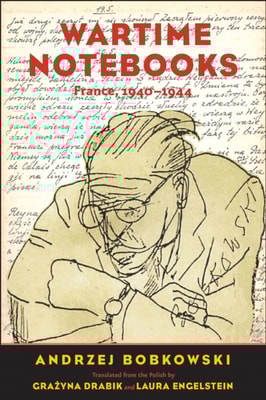
A Polish writer’s experience of wartime France, a cosmopolitan outsider’s perspective on politics, culture, and life under duress When the aspiring young writer Andrzej Bobkowski, a self-styled cosmopolitan Pole, found himself caught in occupied France in 1940, he recorded his reflections on culture, politics, history, and everyday life.
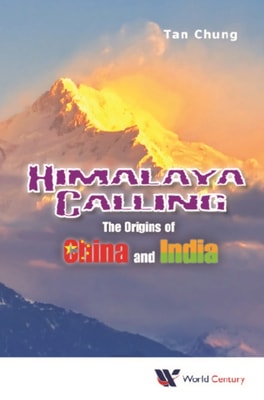
Himalaya Calling: The Origins of China and India will take the reader through a journey through the periods of time and places starting from the beginning of civilization from the Himalayas and extending into the Himalaya Sphere.
Benny Morris demolishes misconceptions and provides a comprehensive history of the Israeli-Arab war of 1948 This history of the foundational war in the Arab-Israeli conflict is groundbreaking, objective, and deeply revisionist.
Vietnam Declassified is a detailed account of the CIA's effort to help South Vietnamese authorities win the loyalty of the Vietnamese peasantry and suppress the Viet Cong.
The complex political and cultural relationship between the German state and the Ottoman Empire is explored through the lens of the Ottoman Railway network, its architecture, and material culture With lines extending from Bosnia to Baghdad to Medina, the Ottoman Railway Network (1868–1919) was the pride of the empire and its ultimate emblem of modernization—yet it was largely designed and bankrolled by German corporations.
This book addresses issues of how the cultures in Hong Kong, Singapore and Malaysia have been Englishized in postcolonial and globcalized contexts, not just in terms of language, but also in writers'/people's subjectivity.
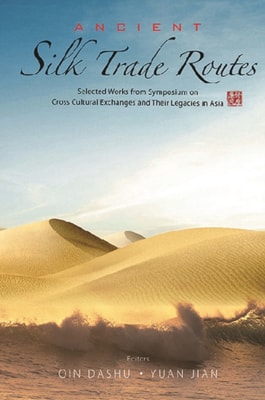
As key nodes that connected ancient silk routes traversing China, Japan and India, trading hubs, towns and cities in Java and Sumatra and other places in Asia were key destination points for merchants, monks and other itinerants plying these routes.
Growing Up in British Malaya and Singapore: A Time of Fireflies and Wild Guavas is an autobiography of Maurice Baker's life in Malaya and Singapore from the 1920s to the 1940s.
In the 50th anniversary year of Singapore's independence, it is timely to trace our developmental journey in order that young Singaporeans students, visiting tourists and foreigners working in Singapore may be informed about why and how Singapore succeeded, despite tremendous odds.
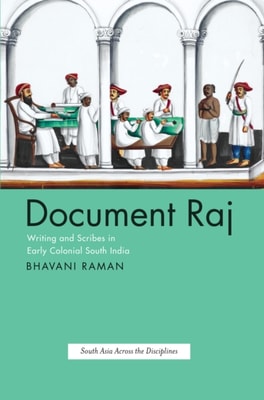
Historians of British colonial rule in India have noted both the place of military might and the imposition of new cultural categories in the making of Empire, but Bhavani Raman, in Document Raj, uncovers a lesser-known story of power: the power of bureaucracy.
In 1904, renowned architect Daniel Burnham, the Progressive Era urban planner who famously "e;Made No Little Plans,"e; set off for the Philippines, the new US colonial acquisition.
Post-revolution states often find that once a transition process begins, challenges can arise, such as political polarization and the threat of civil war.
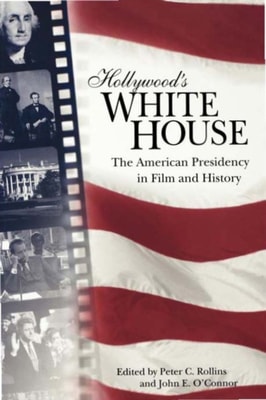
"e; Winner of the 2003 Ray and Pat Browne Book Award, given by the Popular Culture Association The contributors to Hollywood's White House examine the historical accuracy of these presidential depictions, illuminate their influence, and uncover how they reflect the concerns of their times and the social and political visions of the filmmakers.
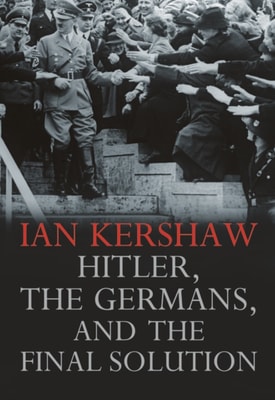
This book is the culmination of more than three decades of meticulous historiographic research on Nazi Germany by one of the period's most distinguished historians.
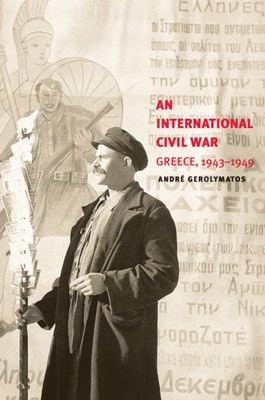
An authoritative history of the Greek Civil War and its profound influence on American foreign policy and the post–Second World War period In his comprehensive history André Gerolymatos demonstrates how the Greek Civil War played a pivotal role in the shaping of policy and politics in post–Second World War Europe and America and was a key starting point of the Cold War.
An award-winning scholar and author charts four hundred years of monsters and how they reflect the culture that created them Leo Braudy, a finalist for both the National Book Award and the National Book Critics Circle Award, has won accolades for revealing the complex and constantly shifting history behind seemingly unchanging ideas of fame, war, and masculinity.
Explore the wonders of wild Mongolia through the eyes of a distinguished field biologist Mongolia became a satellite of the Soviet Union in the mid-1920s, and for nearly seven decades effectively closed its doors to the outside world.
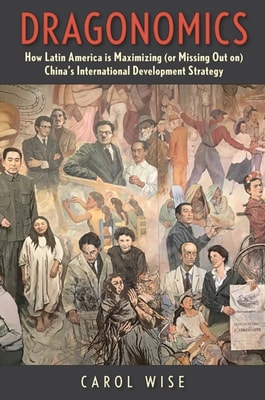
An insightful examination of the political and economic ties between China and Latin America from the 1950s to the presentThis book explores the impact of Chinese growth on Latin America since the early 2000s.
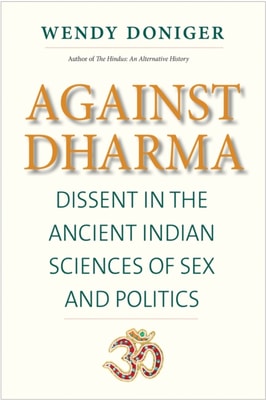
An esteemed scholar of Hinduism presents a groundbreaking interpretation of ancient Indian texts and their historic influence on subversive resistance Ancient Hindu texts speak of the three aims of human life: dharma,artha, and kama.
This fully-illustrated account details all the major battles, decisions, and outcomes as the Japanese military sought to collapse the United States' principal military enclave in East Asia and seize a country rich in natural and human resources for their Greater East Asia Prosperity Sphere.
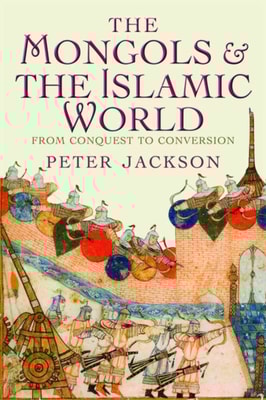
An epic historical consideration of the Mongol conquest of Western Asia and the spread of Islam during the years of non-Muslim rule The Mongol conquest of the Islamic world began in the early thirteenth century when Genghis Khan and his warriors overran Central Asia and devastated much of Iran.
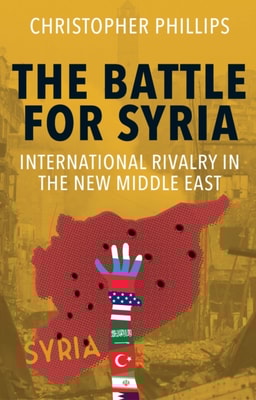
An unprecedented analysis of the crucial but underexplored roles the United States and other nations have played in shaping Syria’s ongoing civil war Most accounts of Syria’s brutal, long-lasting civil war focus on a domestic contest that began in 2011 and only later drew foreign nations into the escalating violence.