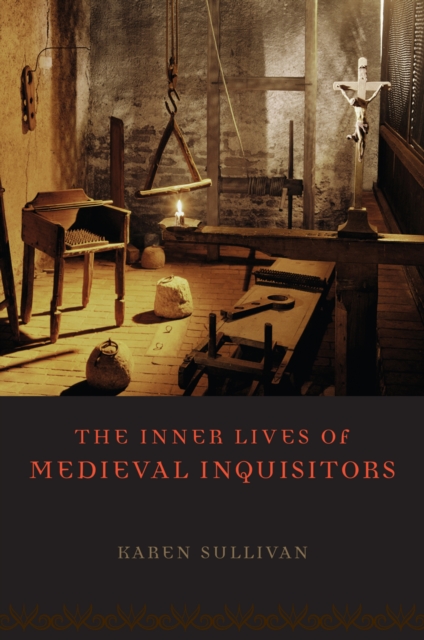
There have been numerous studies in recent decades of the medieval inquisitions, most emphasizing larger social and political circumstances and neglecting the role of the inquisitors themselves.
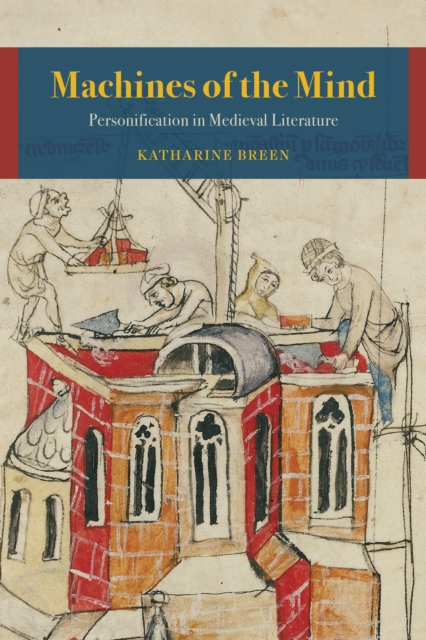
In Machines of the Mind, Katharine Breen proposes that medieval personifications should be understood neither as failed novelistic characters nor as instruments of heavy-handed didacticism.
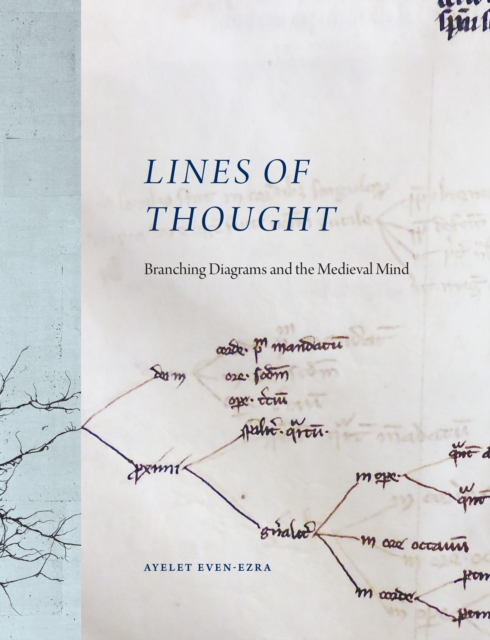
We think with objects-we conduct our lives surrounded by external devices that help us recall information, calculate, plan, design, make decisions, articulate ideas, and organize the chaos that fills our heads.
Conservative thinkers of the early Middle Ages conceived of sensual gratification as a demonic snare contrived to debase the higher faculties of humanity, and they identified pagan writing as one of the primary conduits of decadence.
People in the Middle Ages had chantry chapels, mortuary rolls, the daily observance of the Office of the Dead, and even purgatory-but they were still unable to talk about death.
"e;Prostitution in Medieval Society, a monograph about Languedoc between the twelfth and sixteenth centuries, is also much more than that: it is a compelling narrative about the social construction of sexuality.
If the vibrancy on display in Thinking in the Past Tense is any indication, the study of intellectual history is enjoying an unusually fertile period in both Europe and North America.
The curious paradox of romance is that, throughout its history, this genre has been dismissed as trivial and unintellectual, yet people have never ceased to flock to it with enthusiasm and even fervor.
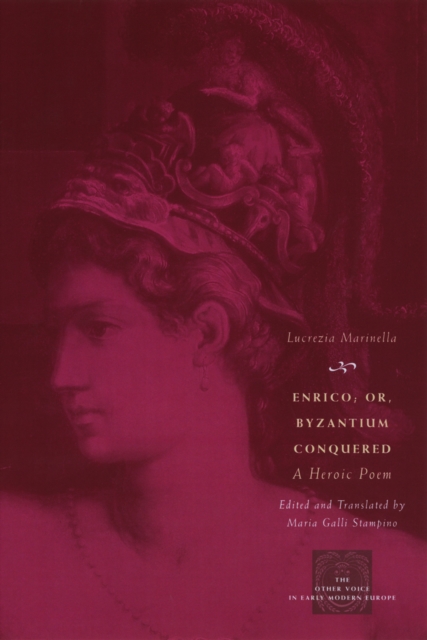
Lucrezia Marinella (1571-1653) is, by all accounts, a phenomenon in early modernity: a woman who wrote and published in many genres, whose fame shone brightly within and outside her native Venice, and whose voice is simultaneously original and reflective of her time and culture.
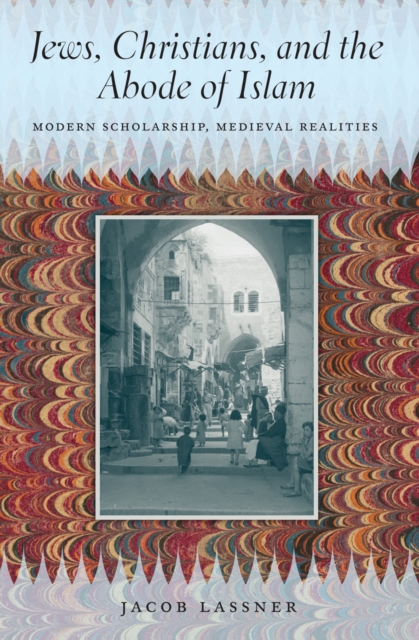
In Jews, Christians, and the Abode of Islam, Jacob Lassner examines the triangular relationship that during the Middle Ages defined-and continues to define today-the political and cultural interaction among the three Abrahamic faiths.
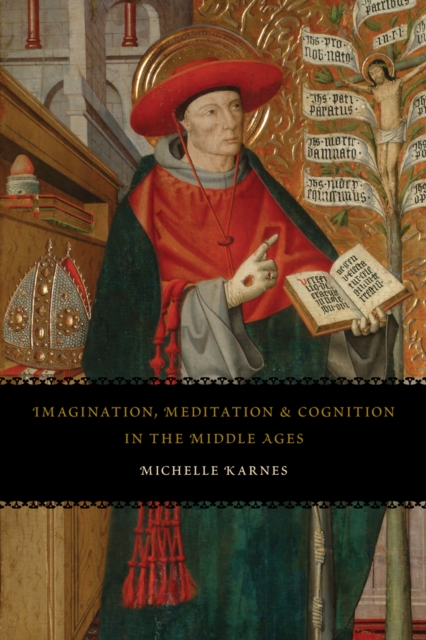
In Imagination, Meditation, and Cognition in the Middle Ages, Michelle Karnes revises the history of medieval imagination with a detailed analysis of its role in the period's meditations and theories of cognition.
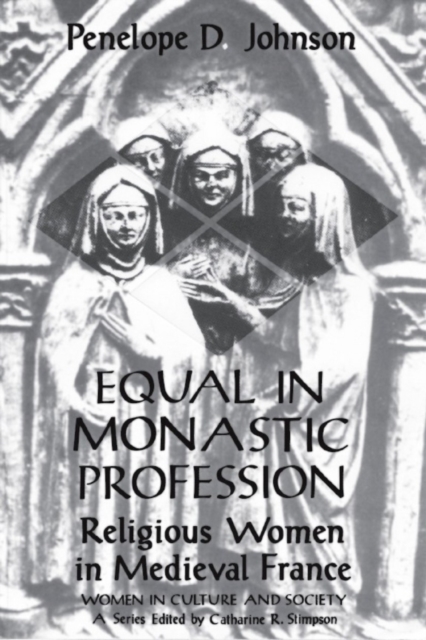
In this study of the manner in which medieval nuns lived, Penelope Johnson challenges facile stereotypes of nuns living passively under monastic rule, finding instead that collectively they were empowered by their communal privileges and status to think and act without many of the subordinate attitudes of secular women.
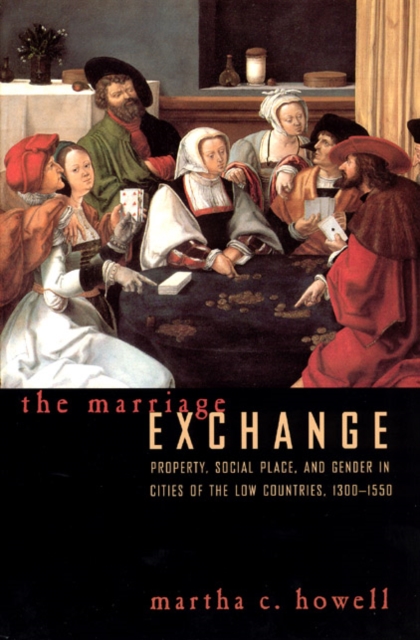
Medieval Douai was one of the wealthiest cloth towns of Flanders, and it left an enormous archive documenting the personal financial affairs of its citizens-wills, marriage agreements, business contracts, and records of court disputes over property rights of all kinds.
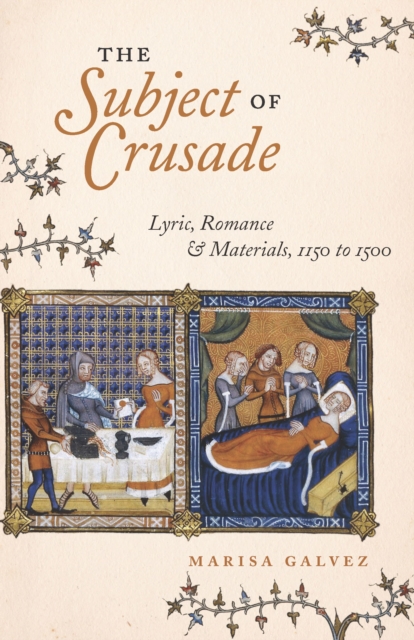
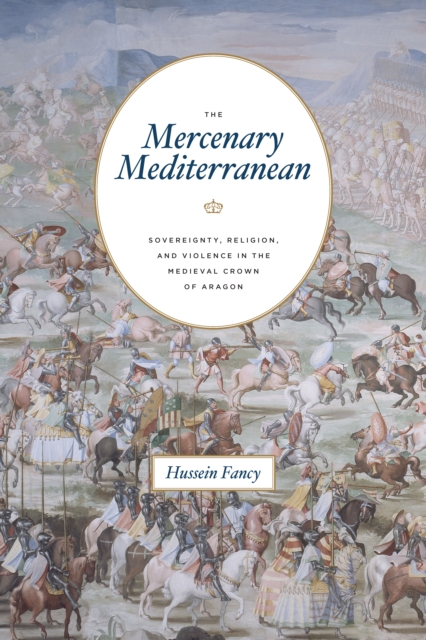
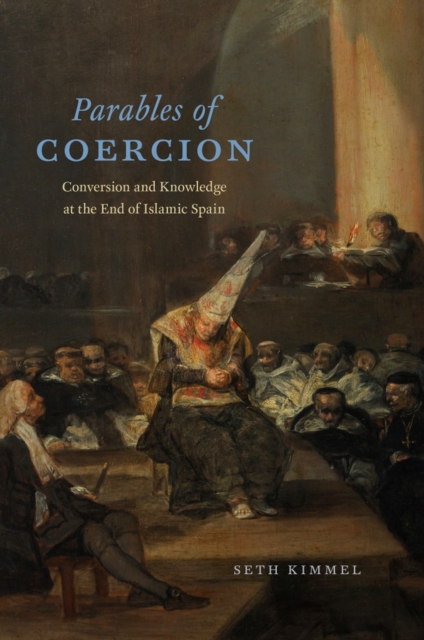
Sometime in April 1285, five Muslim horsemen crossed from the Islamic kingdom of Granada into the realms of the Christian Crown of Aragon to meet with the king of Aragon, who showered them with gifts, including sumptuous cloth and decorative saddles, for agreeing to enter the Crown's service.
The phrase "e;The Black Legend"e; was coined in 1912 by a Spanish journalist in protest of the characterization of Spain by other Europeans as a backward country defined by ignorance, superstition, and religious fanaticism, whose history could never recover from the black mark of its violent conquest of the Americas.
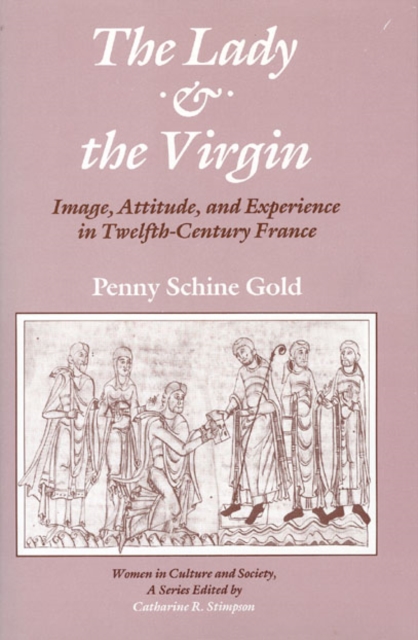
Penny Schine Gold provides a bold analysis of key literary and artistic images of women in the Middle Ages and the relationship between these images and the actual experience of women.
In the sixteenth and seventeenth centuries, competing scholarly communities sought to define a Spain that was, at least officially, entirely Christian, even if many suspected that newer converts from Islam and Judaism were Christian in name only.
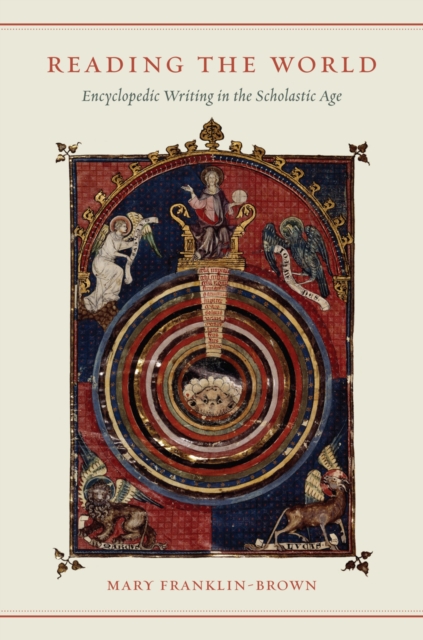
The thirteenth century saw such a proliferation of new encyclopedic texts that more than one scholar has called it the "e;century of the encyclopedias.
To read accounts of late medieval banquets is to enter a fantastical world where live lions guard nude statues, gilded stags burst into song, and musicians play from within pies.
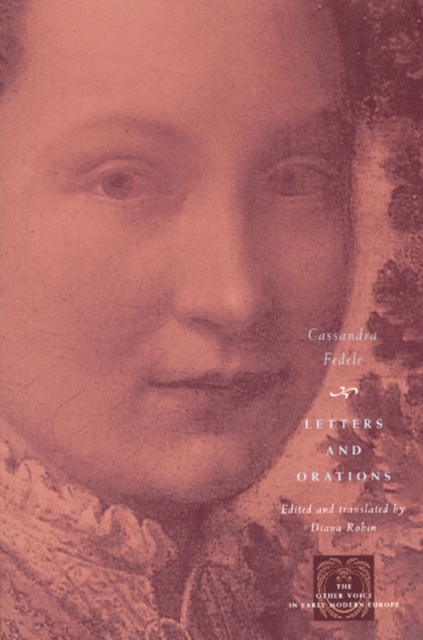
By the end of the fifteenth century, Cassandra Fedele (1465-1558), a learned middle-class woman of Venice, was arguably the most famous woman writer and scholar in Europe.
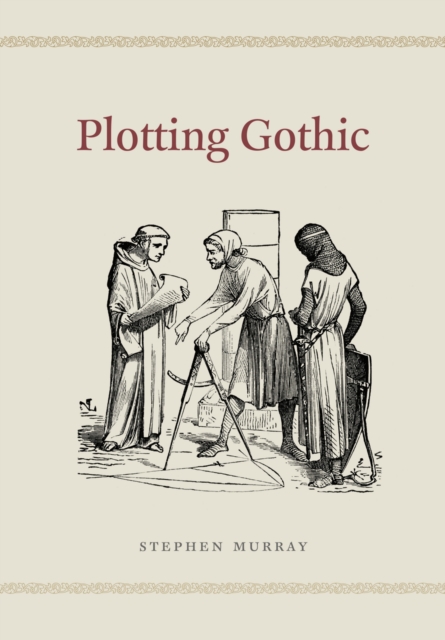
A historian of medieval art and architecture with a rich appreciation of literary studies, Stephen Murray brings all those fields to bear on a new approach to understanding the great Gothic churches of the twelfth and thirteenth centuries.
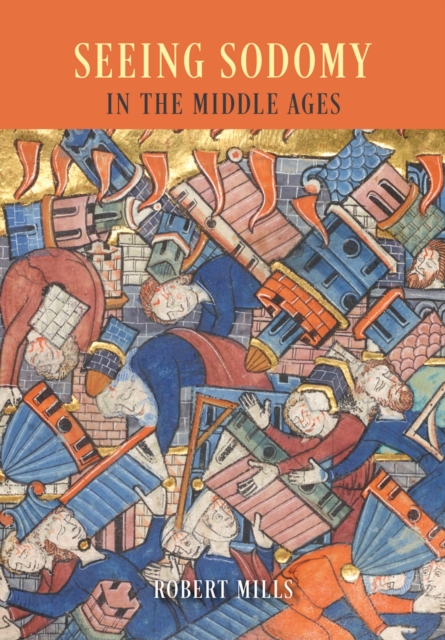
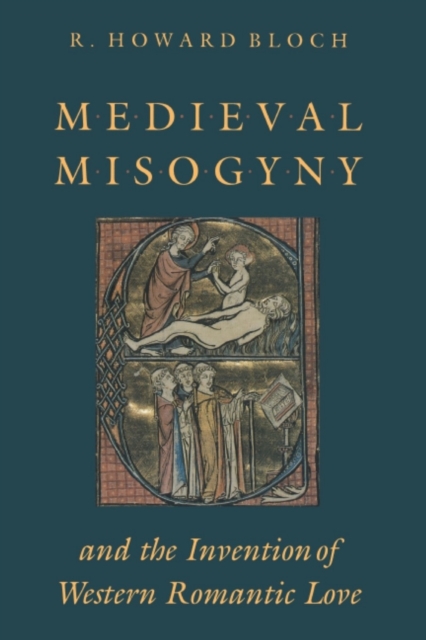
During the Middle Ages in Europe, some sexual and gendered behaviors were labeled "e;sodomitical"e; or evoked the use of ambiguous phrases such as the "e;unmentionable vice"e; or the "e;sin against nature.
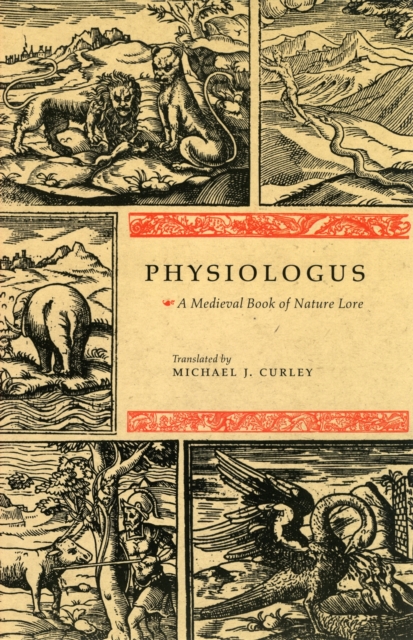
One of the most popular and widely read books of the Middle Ages, Physiologus contains allegories of beasts, stones, and trees both real and imaginary, infused by their anonymous author with the spirit of Christian moral and mystical teaching.
This monumental study of medieval law and sexual conduct explores the origin and develpment of the Christian church's sex law and the systems of belief upon which that law rested.
In Trade and Romance, Michael Murrin examines the complex relations between the expansion of trade in Asia and the production of heroic romance in Europe from the second half of the thirteenth century through the late seventeenth century.
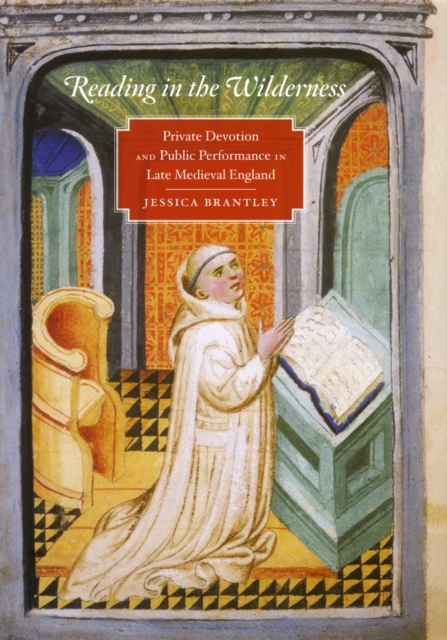
Just as twenty-first-century technologies like blogs and wikis have transformed the once private act of reading into a public enterprise, devotional reading experiences in the Middle Ages were dependent upon an oscillation between the solitary and the communal.
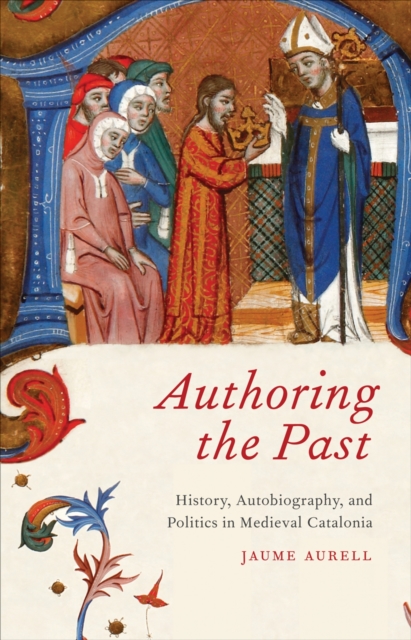
Authoring the Past surveys medieval Catalan historiography, shedding light on the emergence and evolution of historical writing and autobiography in the Middle Ages, on questions of authority and authorship, and on the links between history and politics during the period.
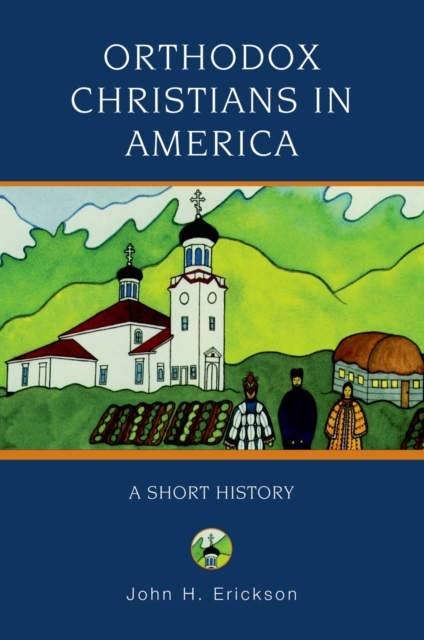
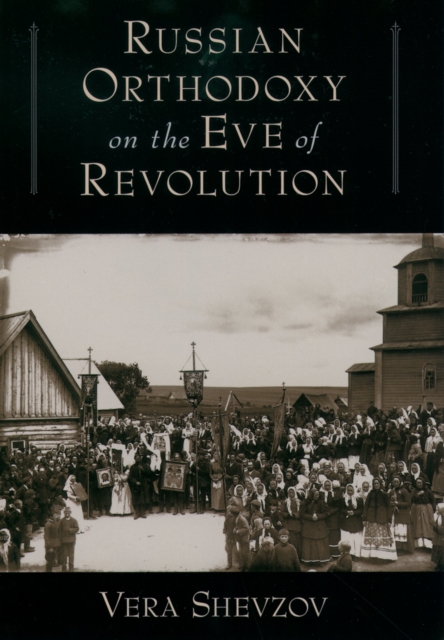
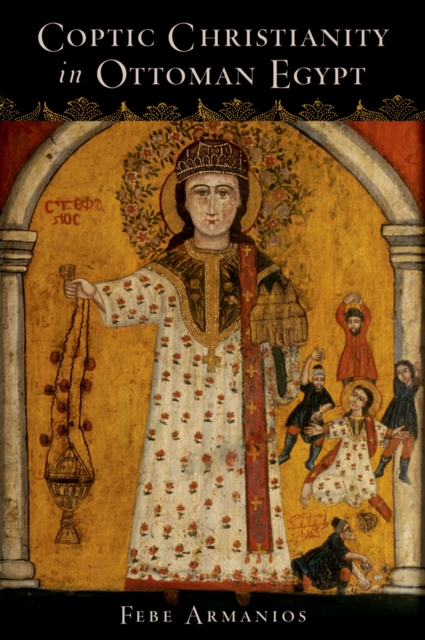
Although there are over 200 million Orthodox Christians worldwide, 4 million of whom live in the United States, their history, beliefs, and practices are unfamiliar to most Americans.
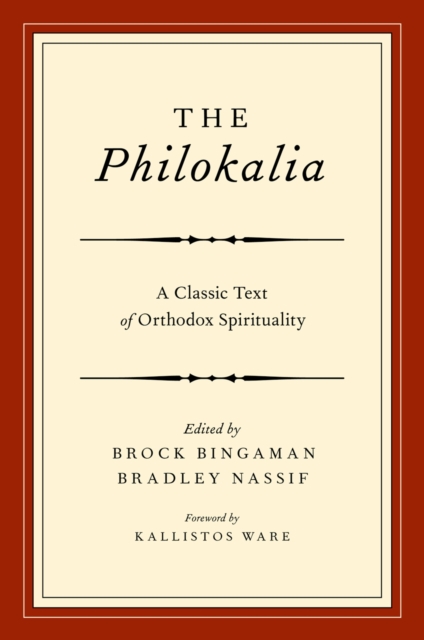
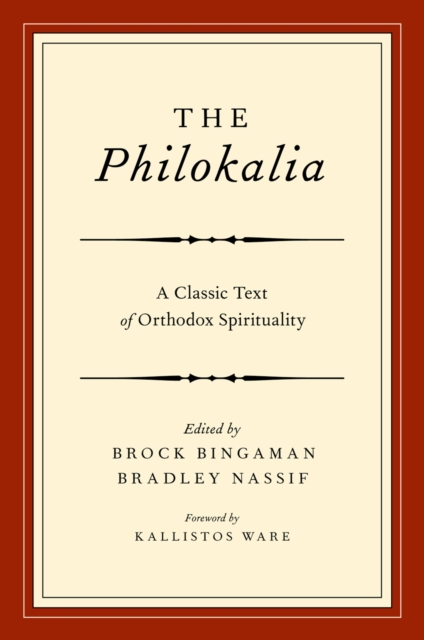
The Philokalia (literally "e;love of the beautiful or good"e;) is, after the Bible, the most influential source of spiritual tradition within the Orthodox Church.
The Philokalia (literally "e;love of the beautiful or good"e;) is, after the Bible, the most influential source of spiritual tradition within the Orthodox Church.
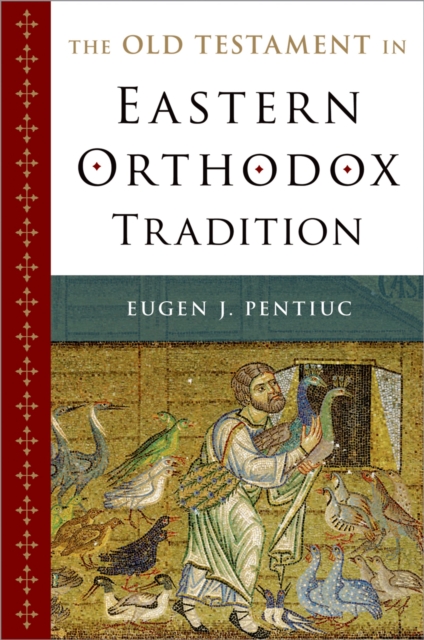
This study provides a general overview and a succinct analysis of the primary ways in which the Old Testament has been received, interpreted and conveyed within Eastern Orthodox tradition, filling a vacuum in scholarly literature on the history of biblical interpretation.