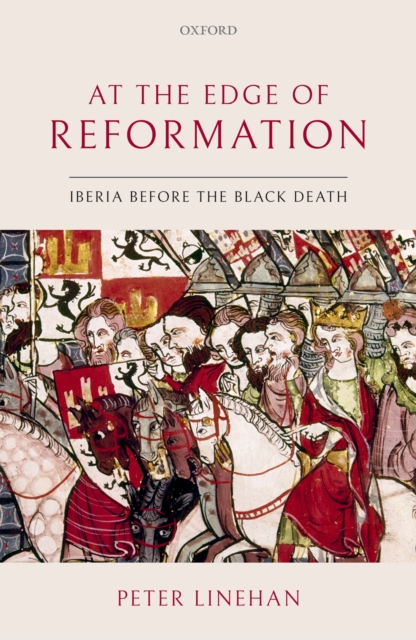
At the Edge of Reformation springs from Peter Linehan's continuing interest in the history of Spain and Portugal, on this occasion in the first half of the fourteenth century between the recovery of each kingdom from widespread anarchy and civil war and the onset of the Black Death.
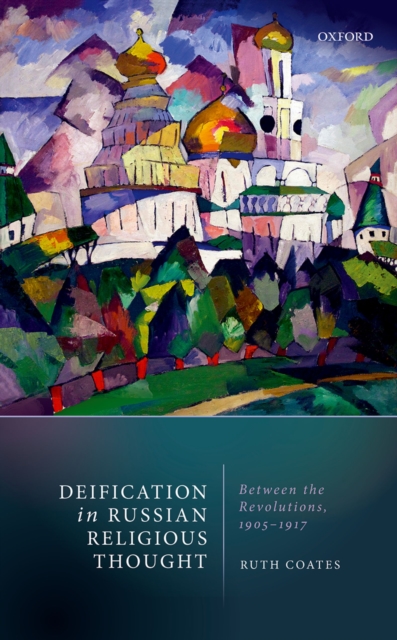
Deification in Russian Religious Thought considers the reception of the Eastern Christian (Orthodox) doctrine of deification by Russian religious thinkers of the immediate pre-revolutionary period.
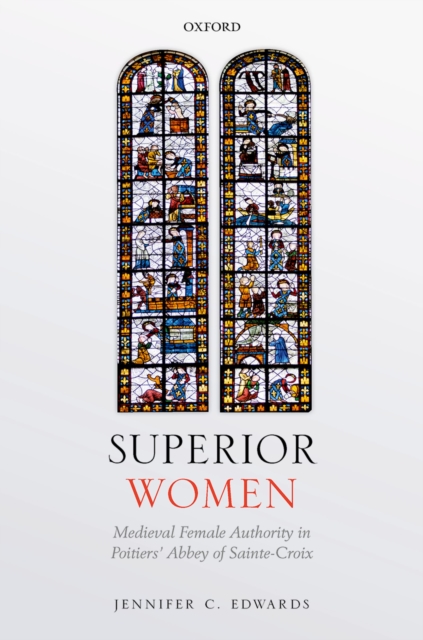
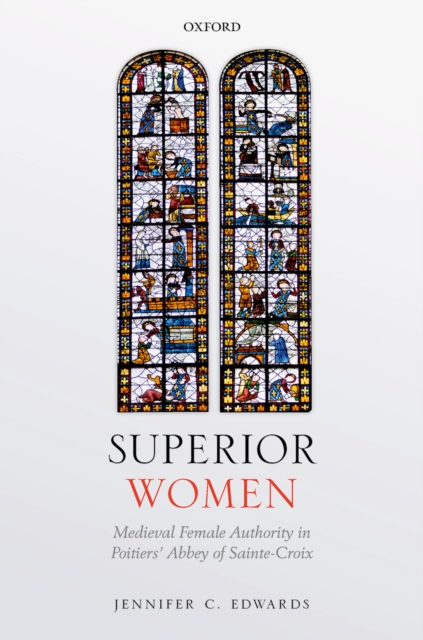
Superior Women examines the claims of abbesses of the abbey of Sainte-Croix in medieval Poitiers to authority from the abbey's foundation to its 1520 reform.
Superior Women examines the claims of abbesses of the abbey of Sainte-Croix in medieval Poitiers to authority from the abbey's foundation to its 1520 reform.
Faith and Science in Russian Religious Thought provides a comprehensive analysis of the relationship between science and faith in Russian religious thought.
Faith and Science in Russian Religious Thought provides a comprehensive analysis of the relationship between science and faith in Russian religious thought.
The Idea of Nicaea in the Early Church Councils examines the role that appeals to Nicaea (both the council and its creed) played in the major councils of the mid-fifth century.
The Idea of Nicaea in the Early Church Councils examines the role that appeals to Nicaea (both the council and its creed) played in the major councils of the mid-fifth century.
Deification in Russian Religious Thought considers the reception of the Eastern Christian (Orthodox) doctrine of deification by Russian religious thinkers of the immediate pre-revolutionary period.
In The Seigneurial Transformation, Alessio Fiore discusses the transformation of the fabric of power in the kingdom of Italy in the period between the late eleventh century and the early twelfth century.
In The Seigneurial Transformation, Alessio Fiore discusses the transformation of the fabric of power in the kingdom of Italy in the period between the late eleventh century and the early twelfth century.
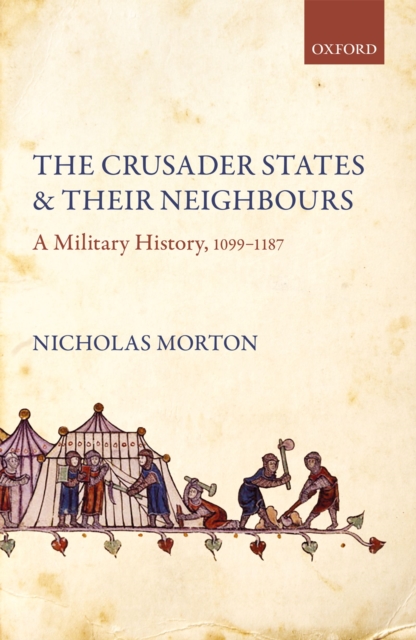
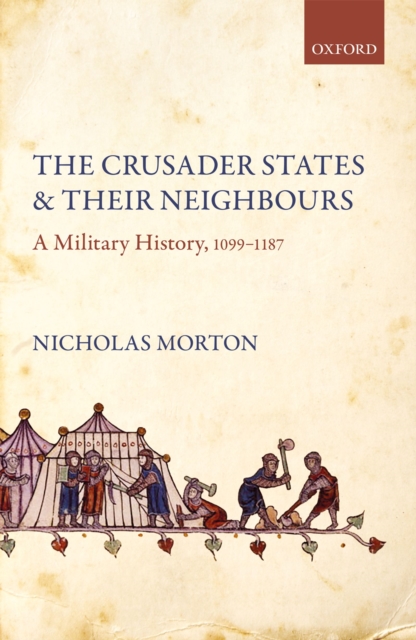
The Crusader States and their Neighbours (Winner, The Verbruggen Prize, The Society for Medieval Military History) explores the military history of the Medieval Near East, piecing together the fault-lines of conflict which entangled this much-contested region.
The Crusader States and their Neighbours (Winner, The Verbruggen Prize, The Society for Medieval Military History) explores the military history of the Medieval Near East, piecing together the fault-lines of conflict which entangled this much-contested region.
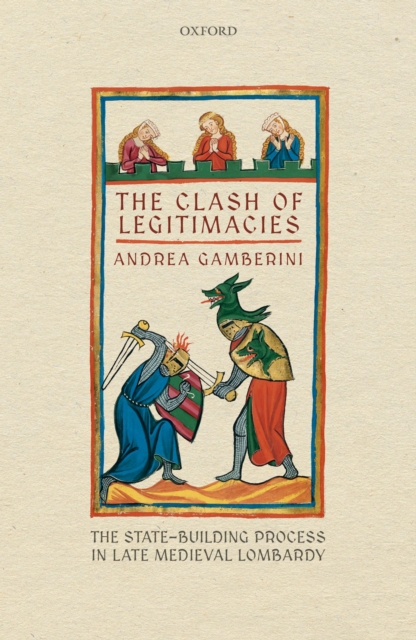
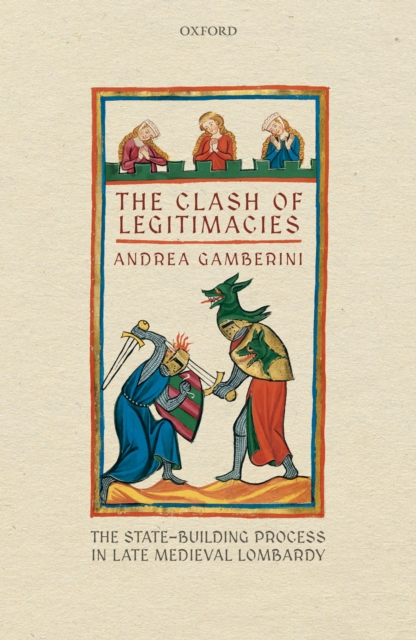
The Clash of Legitimacies makes an innovative contribution to the history of the state-building process in late medieval Lombardy (during the 13th to 15th centuries), by illuminating myriad conflicts attending the legitimacy of power and authority at different levels of society.
The Clash of Legitimacies makes an innovative contribution to the history of the state-building process in late medieval Lombardy (during the 13th to 15th centuries), by illuminating myriad conflicts attending the legitimacy of power and authority at different levels of society.
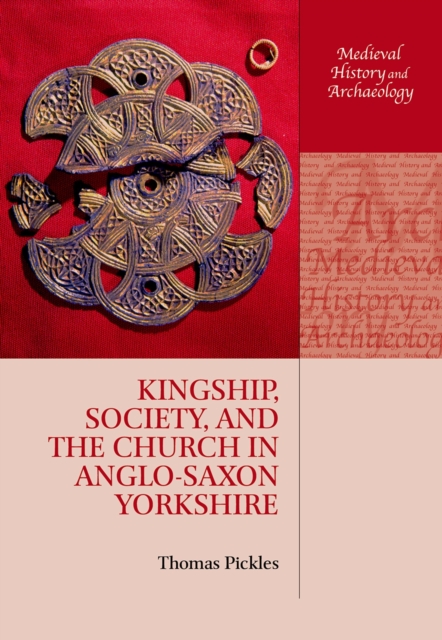
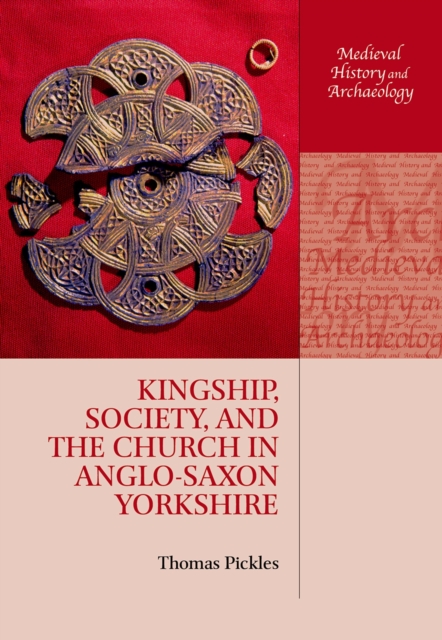
Inspired by studies of Carolingian Europe, Kingship, Society and the Church in Anglo-Saxon Yorkshire argues that the social strategies of local kin-groups drove conversion to Christianity and church building in Yorkshire from 400-1066 AD.
Inspired by studies of Carolingian Europe, Kingship, Society and the Church in Anglo-Saxon Yorkshire argues that the social strategies of local kin-groups drove conversion to Christianity and church building in Yorkshire from 400-1066 AD.
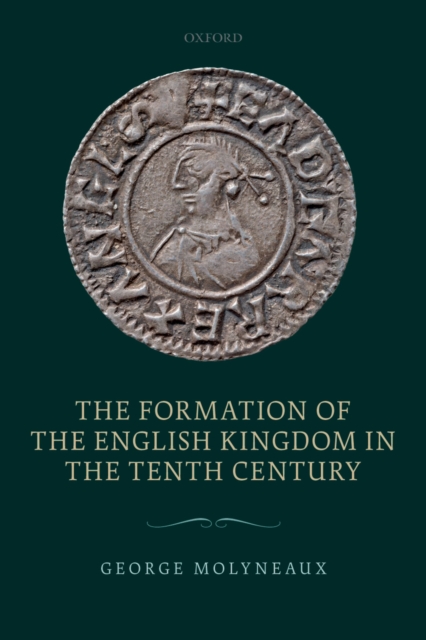
The central argument of The Formation of the English Kingdom in the Tenth Century is that the English kingdom which existed at the time of the Norman Conquest was defined by the geographical parameters of a set of administrative reforms implemented in the mid- to late tenth century, and not by a vision of English unity going back to Alfred the Great (871-899).
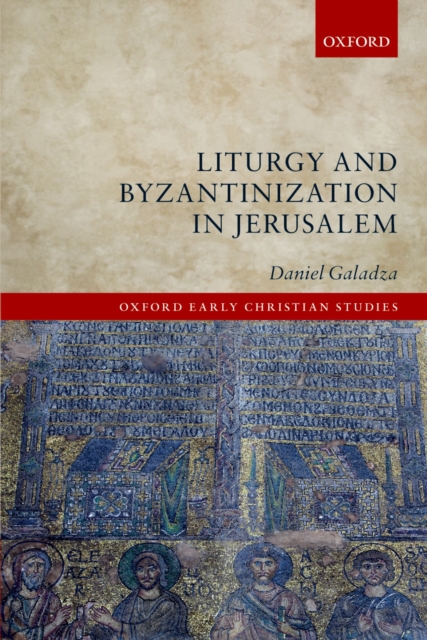
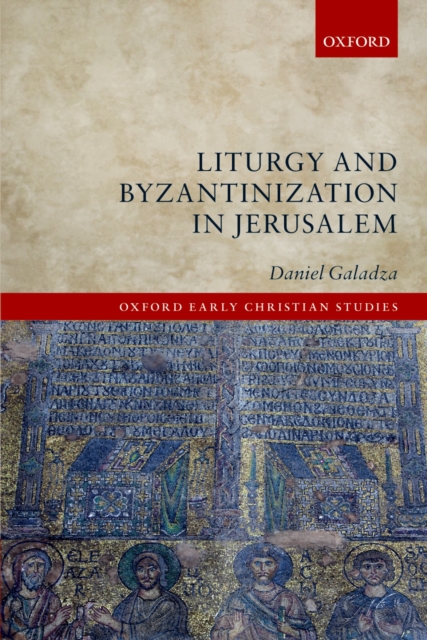
The Church of Jerusalem, the 'mother of the churches of God', influenced all of Christendom before it underwent multiple captivities between the eighth and thirteenth centuries: first, political subjugation to Arab Islamic forces, then displacement of Greek-praying Christians by Crusaders, and finally ritual assimilation to fellow Orthodox Byzantines in Constantinople.
The Church of Jerusalem, the 'mother of the churches of God', influenced all of Christendom before it underwent multiple captivities between the eighth and thirteenth centuries: first, political subjugation to Arab Islamic forces, then displacement of Greek-praying Christians by Crusaders, and finally ritual assimilation to fellow Orthodox Byzantines in Constantinople.
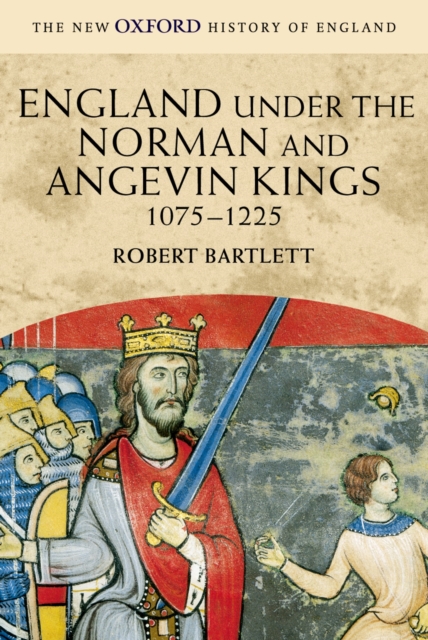
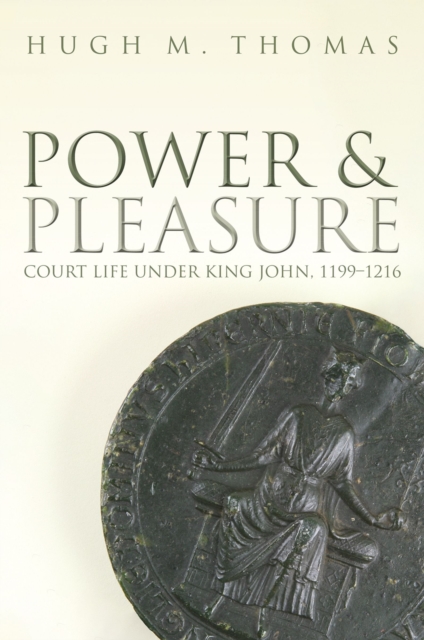
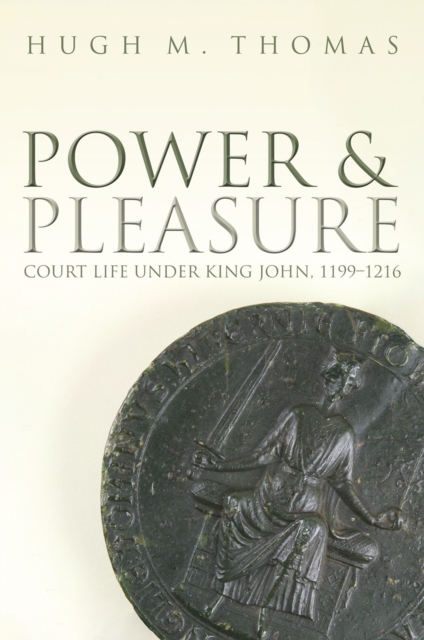
This lively and far-reaching account of the politics, religion, and culture of England in the century and a half after the Norman Conquest provides a vivid picture of everyday existence, and increases our understanding of all aspects of medieval society.
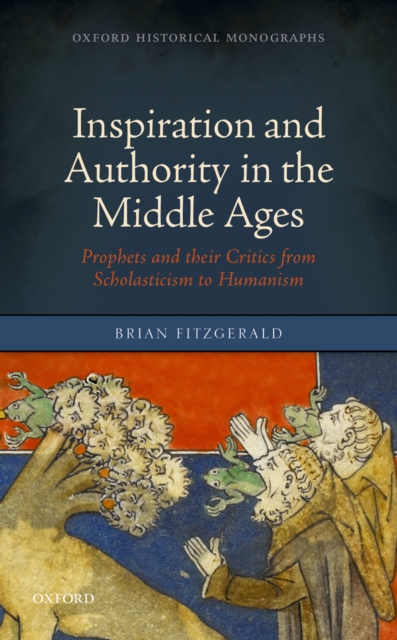
Inspiration and Authority in the Middle Ages rethinks the role of prophecy in the Middle Ages by examining how professional theologians responded to new assertions of divine inspiration.
Inspiration and Authority in the Middle Ages rethinks the role of prophecy in the Middle Ages by examining how professional theologians responded to new assertions of divine inspiration.
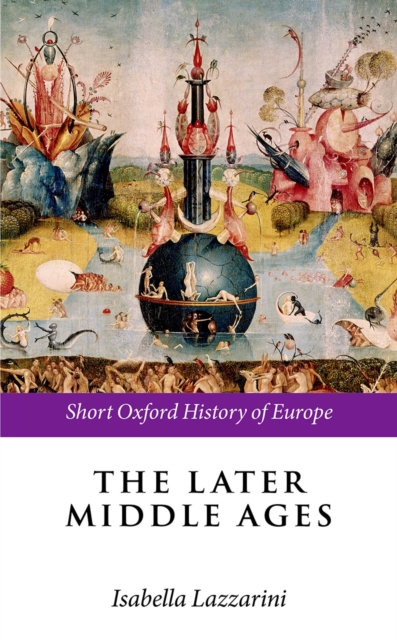
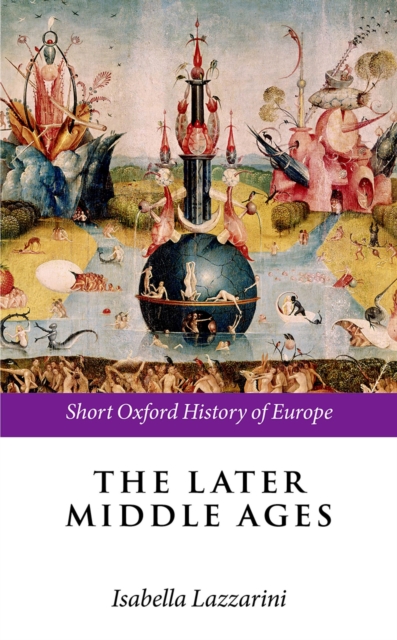
Of all the sub-periods in which European medieval history has been divided over time, the later middle ages is possibly the one on which the burden of past and current grand narratives weighs the most.
Of all the sub-periods in which European medieval history has been divided over time, the later middle ages is possibly the one on which the burden of past and current grand narratives weighs the most.
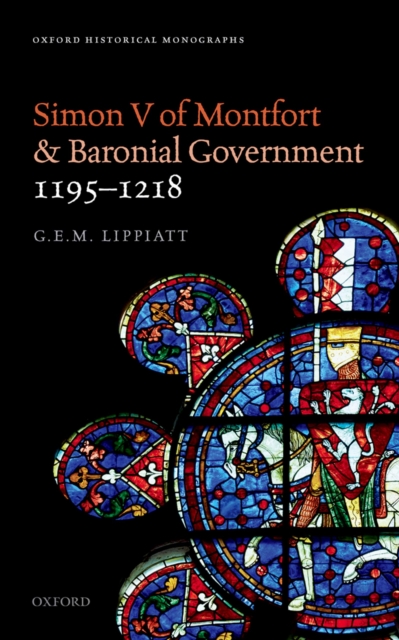
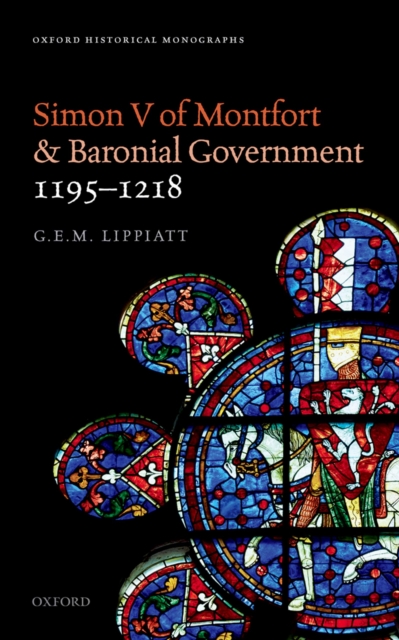
Dissenter from the Fourth Crusade, disseised earl of Leicester, leader of the Albigensian Crusade, prince of southern France: Simon of Montfort led a remarkable career of ascent from mid-level French baron to semi-independent count before his violent death before the walls of Toulouse in 1218.
Dissenter from the Fourth Crusade, disseised earl of Leicester, leader of the Albigensian Crusade, prince of southern France: Simon of Montfort led a remarkable career of ascent from mid-level French baron to semi-independent count before his violent death before the walls of Toulouse in 1218.
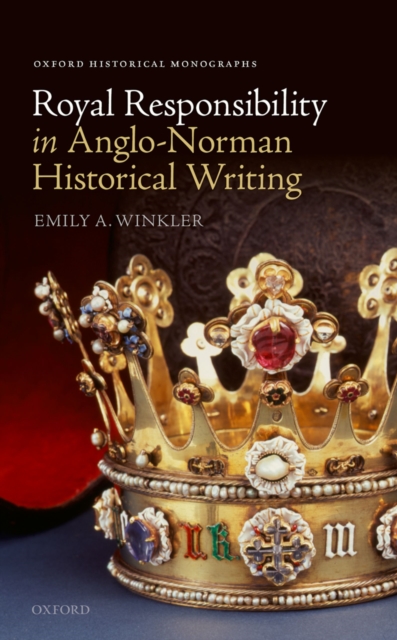
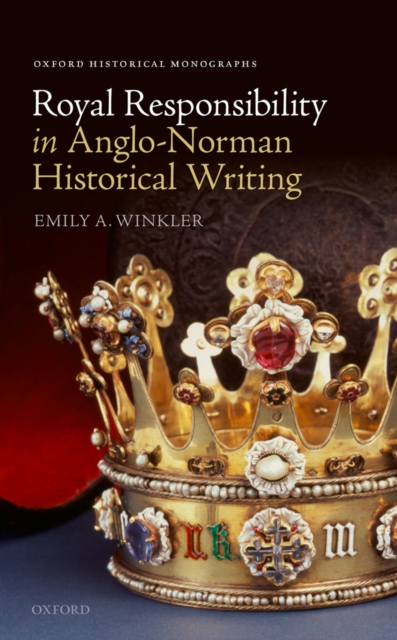
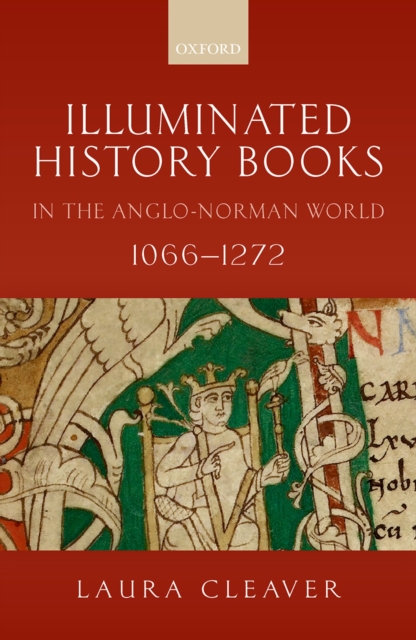
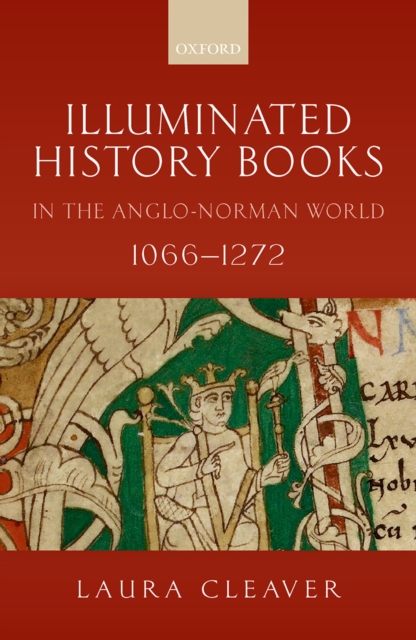
During the twelfth and thirteenth centuries, texts about the recent and more distant past were produced in remarkable numbers in the lands controlled by the kings of England.
During the twelfth and thirteenth centuries, texts about the recent and more distant past were produced in remarkable numbers in the lands controlled by the kings of England.