First published in 1978, this book argues that the troubadour revival in late medieval Spain was a conservative reaction to social crisis by those who belonged, or were affiliated, to a powerful, expanding and belligerent aristocracy.
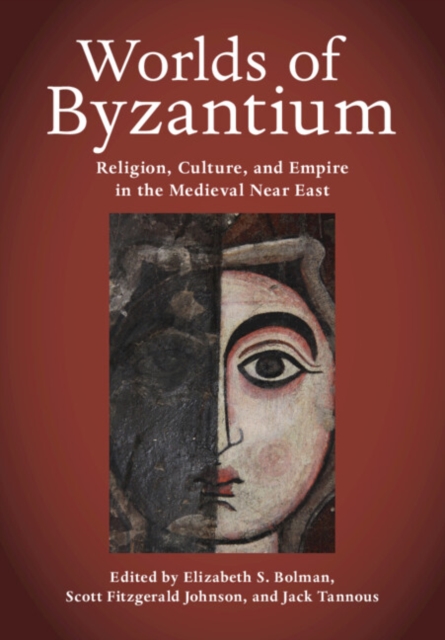
Involving a vast number of texts, saintly heroes and authors, Byzantine hagiography stands out as a field of scholarly research highly rewarding for both the philologist and the historian.
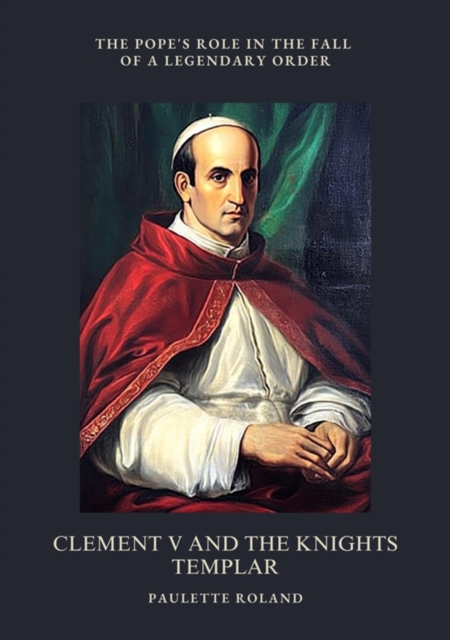
In the shadow of one of history's most dramatic episodes, Clement V and the Knights Templar: The Pope's Role in the Fall of a Legendary Order unveils the intricate interplay of power, politics, and betrayal that defined the early 14th century.
This volume of studies by the late Milton Anastos contains his major articles published after his previous collection appeared, along with the first publication of a portion of 'The Mind of Byzantium', Anastos's projected multi-volume survey of Byzantine intellectual history.
In the articles included in this collection, Professor Daniel argues that Abbot Joachim of Fiore was a disciple of Bernard of Clairvaux whose tertius status was reformist, not millenialist.
In Anglophone literature, historical questions about urban, socio-economic, political, religious, and cultural development have often been answered using Anglo-French, Anglo-Low Countries, and Anglo-Italian paradigms and sources.
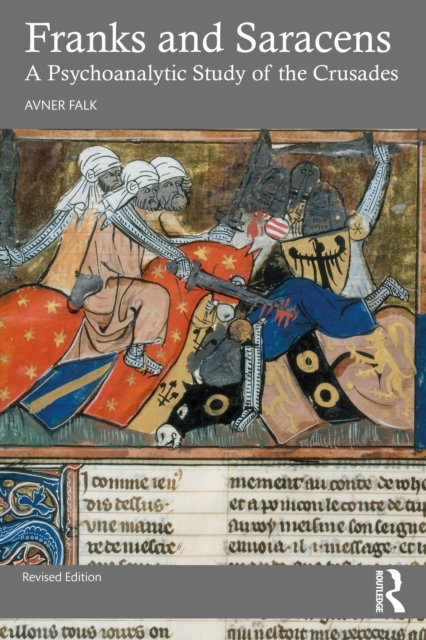
Franks and Saracens is the first and only book to examine the Crusades from the viewpoint of psychoanalysis, studying the hidden emotions and fantasies that drove the Crusaders and the Muslims to undertake their terrible wars.
Im Herzen des mittelalterlichen Skandinaviens erhebt sich eine Familie, die das Schicksal Dänemarks über Jahrhunderte hinweg prägen sollte: das Haus Estridsson.
The western steppelands of Central Eurasia, stretching from the Danube, through the modern Ukraine and southern Russia, to the Caspian, have historically been the meeting ground of Inner Asian pastoral nomads and the agrarian societies of Eastern Europe and the Caucasus.
This third volume by David Abulafia looks at the interactions between territories, peoples and religions across the Mediterranean, and at the influence of the Mediterranean economy on the world beyond.
Roger Collins deals here with the history of Spain, specifically Christian Spain, in the period from the 6th to the 10th century - from the Visigoths, through the time of the Arab conquests, up to the end of the era of Carolingian dominance across the Pyrenees.
This book explores the international trade of Bristol and its documentary and archaeological evidence, and offers a radical new interpretation for its early development.
Step into the world of the Middle Ages and discover the remarkable journey of Thomas Aquinas-a thinker who forever changed the landscape of philosophy and theology.
Entdecken Sie die Vielfalt und Tiefe der deutschen Kultur und IdentitätKulturelle Wurzeln und nationale Identitäten erlangen eine immer größere Bedeutung.