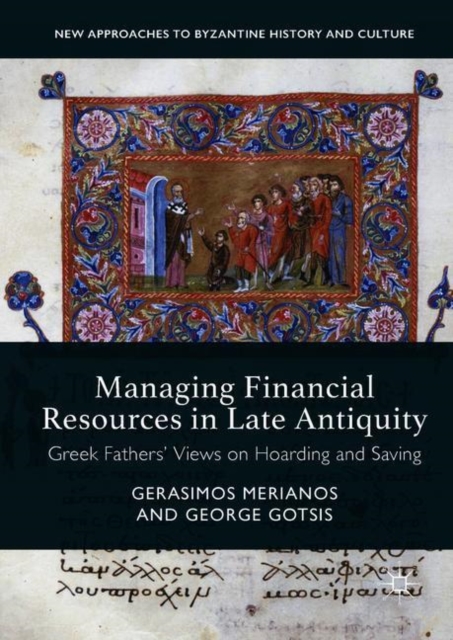
This book examines the views of Greek Church Fathers on hoarding, saving, and management of economic surplus, and their development primarily in urban centres of the Eastern Mediterranean, from the late first to the fifth century.
These stories from the Star Chamber papers, first published in 1958, reveal the real, and sometimes comic, side of the functioning of the Star Chamber - an English court of Law from the Middle Ages, which was set up to ensure the fair enforcement of law against prominent people who were too powerful to be convicted by ordinary courts.
Most people have heard of Lady Godiva and her horseback tax protest in the 11th century and Joan of Arc who in the 15th century fought against the English for the French gaining sainthood in 1920.
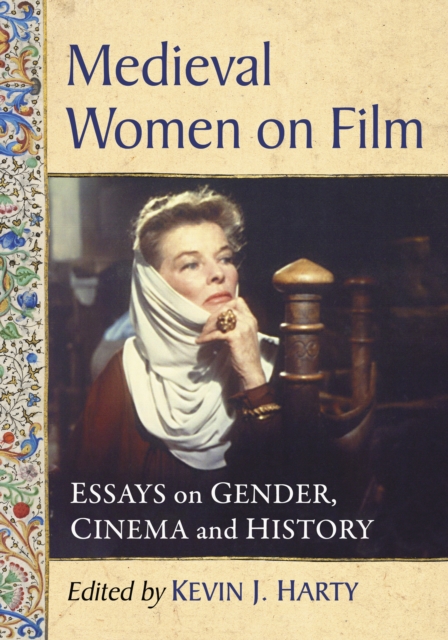
In this first ever book-length treatment, 11 scholars with a variety of backgrounds in medieval studies, film studies, and medievalism discuss how historical and fictional medieval women have been portrayed on film and their connections to the feminist movements of the 20th and 21st centuries.
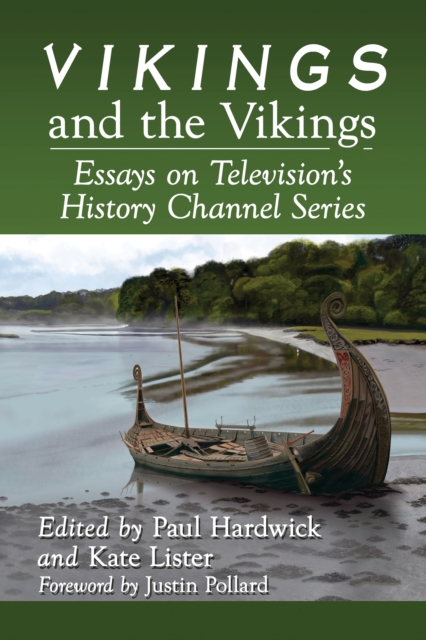
This essay collection is a wide-ranging exploration of Vikings, the television series that has successfully summoned the historical world of the Norse people for modern audiences to enjoy.
Modern readers can sometimes be unsure about the language and the literary conventions of medieval and Renaissance verse--lyrical works written at a time before poetry was assumed to be about personal expression.
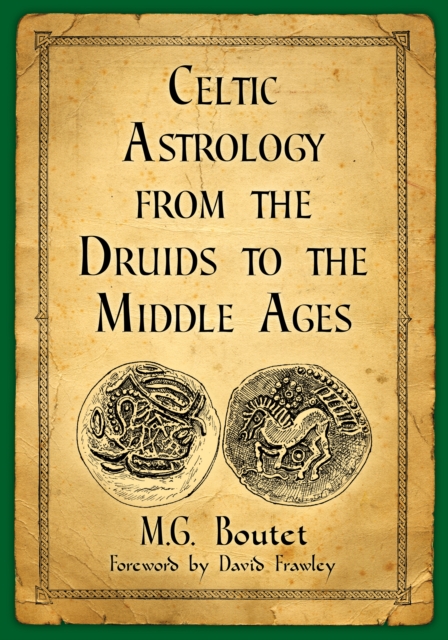
Our understanding of Celtic astrology is based mainly on the speculations of modern authors--mostly drawn from classical Greek and Roman writings--and suffers from many misconceptions.
This new English translation of the Faroe-Islander Saga (Faereyinga saga)--a great medieval Icelandic saga--tells the story of the first settlers on these wind-swept islands at the edge of the Scandinavian world.
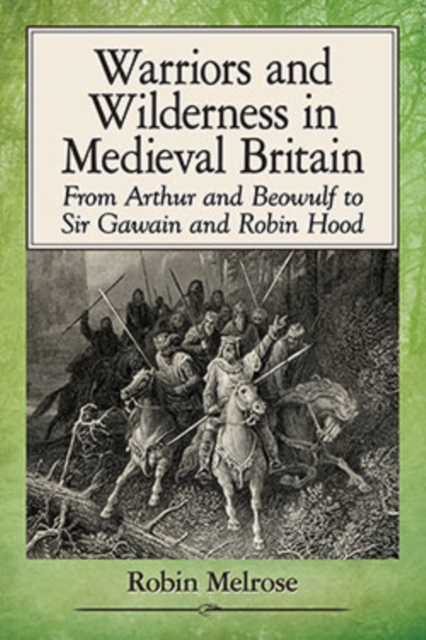
Tracing the development of the King Arthur story in the late Middle Ages, this book explores Arthur's depiction as a wilderness figure, the descendant of the northern Romano-British hunter/warrior god.
Although the United Kingdom's entry to the European Community (EC) in 1973 was initially celebrated, by the end of the first year the mood in the UK had changed from 'hope to uncertainty'.
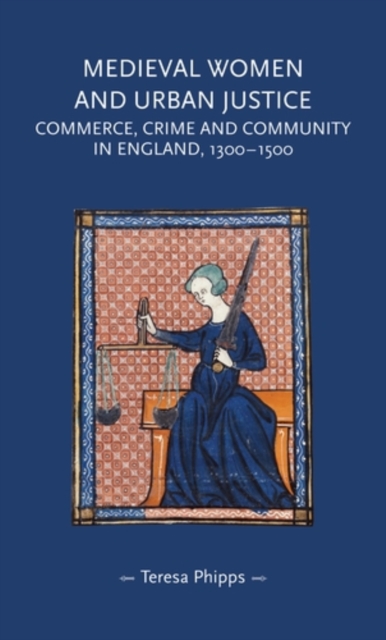
This book provides a detailed analysis of women's involvement in litigation and other legal actions within their local communities in late-medieval England.
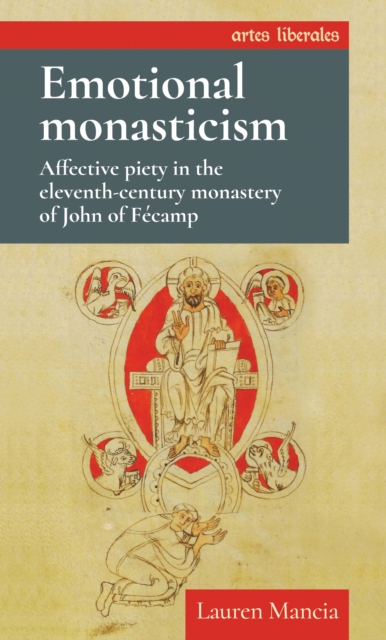
Medievalists have long taught that highly emotional Christian devotion, often called 'affective piety', appeared in Europe after the twelfth century and was primarily practiced by communities of mendicants, lay people and women.
The Year's Work in Medievalism includes vetted essays from the Studies in Medievalism--now International Society for the Study of Medievalism--annual conference and from submissions to the editor throughout the year.
The articles in the first part of this volume, two being a revised English version of an article originally in Spanish, examine the place of the city in the historical development of Castile.
The Gender of Money in Middle English Literature: Value and Economy in Late Medieval England explores the vital and under-examined role that gender plays in the conceptualization of money and value in a period that precedes and shapes what we now recognize as the discipline of political economy.